- Company Articles
- Products and Technology
- Product knowledge
- Using Turning Angle Code 3030 in Material Racks: Design Best Practices

Using Turning Angle Code 3030 in Material Racks: Design Best Practices
Related Product
Turning Angle Code 3030
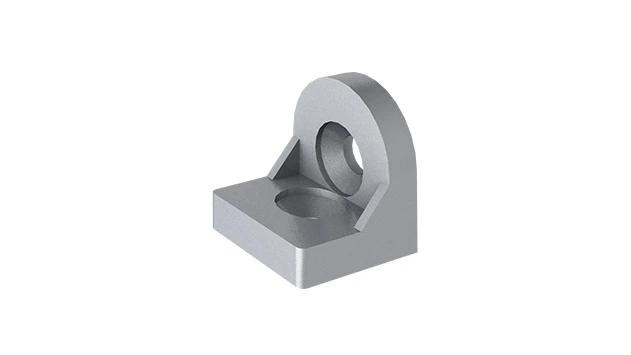
The turning angle aluminum profile connector provides a 90 degree hidden corner connection. 3030 it is means this size is used for 30 series aluminum profile.The corner code comes with set screws that allow for quick, easy connections.
Walk into any manufacturing facility, warehouse, or assembly plant, and you'll quickly notice the unsung heroes keeping operations running smoothly: material racks. These structures hold everything from raw components to finished products, acting as the backbone of efficient workflow. But not all material racks are created equal. A wobbly rack, a shelf that sags under weight, or a structure that's impossible to adjust can throw a wrench into even the most well-planned production line. That's where the right components make all the difference—and one component that's been quietly revolutionizing material rack design is the Turning Angle Code 3030 .
If you've ever wondered how to build a material rack that's sturdy, flexible, and built to last, you're in the right place. In this guide, we'll dive into the world of Turning Angle Code 3030, exploring why it's become a go-to choice for engineers and facility managers alike. We'll break down design best practices, share real-world applications, and show you how this small but mighty component can transform your material handling setup—whether you're assembling a simple storage rack or a complex Material Rack B (3 row and 3 floor) for high-volume production.
What Exactly Is a Turning Angle Code 3030?
Let's start with the basics. A Turning Angle Code 3030 is a type of connector used to join aluminum profile pieces at corners, typically at 90-degree angles (though it can be adjusted for other angles with modifications). Think of it as the "cornerstone" of your material rack's frame—literally. Made from durable aluminum alloy, it's designed to fit snugly into the T-slots of 3030 aluminum profiles (profiles with a 30mm x 30mm cross-section), creating a secure, rigid joint without the need for welding or complex tools.
What sets it apart from generic angle brackets? For one, precision. Turning Angle Code 3030 is engineered to match the exact dimensions of 3030 profiles, ensuring a tight fit that minimizes play or wobble. It also features pre-drilled holes for bolts, making assembly straightforward—even for teams without specialized training. And because it's made from aluminum, it's lightweight yet strong, resistant to corrosion, and compatible with a wide range of aluminum profile accessories like end caps, gussets, and shelf supports.
In short, it's the kind of component that makes you think, "Why didn't I use this sooner?" Whether you're building a material rack from scratch or upgrading an existing setup, Turning Angle Code 3030 simplifies the process while boosting performance.
Why Turning Angle Code 3030 Matters in Material Rack Design
You might be thinking, "Can't I just use regular brackets or welding instead?" While those methods work in some cases, they come with trade-offs—trade-offs that Turning Angle Code 3030 neatly solves. Let's break down why this component is a game-changer:
- Sturdiness Without the Weight: Aluminum profiles are already lighter than steel, and Turning Angle Code 3030 keeps that advantage intact. Unlike heavy steel brackets, it adds minimal weight to the rack, making the entire structure easier to move (if needed) while still supporting heavy loads.
- Flexibility to Adapt: Welded racks are permanent—if you need to reconfigure shelves or adjust height later, you're out of luck. With Turning Angle Code 3030, disassembly and reassembly are a breeze. Loosen the bolts, reposition the profiles, and tighten—done. This is a lifesaver for facilities that frequently update their workflows or product lines.
- Consistency in Construction: Welding quality depends on the skill of the operator, leading to inconsistencies. Turning Angle Code 3030, on the other hand, ensures every joint is identical, reducing the risk of weak spots. This is crucial for material racks, where uneven weight distribution can lead to collapse.
- Cost-Effective in the Long Run: Sure, generic brackets might be cheaper upfront, but they wear out faster or require replacement when you reconfigure. Turning Angle Code 3030 is reusable, durable, and compatible with future upgrades—saving you money on replacements and labor over time.
Take it from someone who's seen their fair share of material rack failures: the right connectors prevent headaches. A rack built with Turning Angle Code 3030 doesn't just hold materials—it inspires confidence. You won't catch yourself holding your breath when loading heavy boxes, and you won't waste time fixing loose joints or sagging shelves.

Design Best Practices: Getting the Most Out of Turning Angle Code 3030
Now that we've covered the "what" and "why," let's get to the "how." Using Turning Angle Code 3030 effectively requires more than just slapping it on a profile—it's about thoughtful design that prioritizes safety, functionality, and longevity. Below are the key best practices to keep in mind:
1. Start with Load Calculation (Yes, Math Matters)
Before you even pick up a profile, ask: What will this rack hold? A rack storing small electronic components has very different needs than one holding cast iron parts. Turning Angle Code 3030 is strong, but it's not indestructible. Most manufacturers specify a maximum load capacity per joint (typically around 200-300 kg, depending on the model), so you'll need to calculate the total weight each section of the rack will bear and ensure the number of angle codes and their placement can handle it.
For example, if you're building a Material Rack B (3 row and 3 floor) intended to hold 50 kg per shelf, with 3 shelves per row and 3 rows, each vertical frame (held together by Turning Angle Code 3030) will need to support roughly 450 kg (50 kg/shelf x 3 shelves x 3 rows). That means using multiple angle codes per vertical post—spaced evenly—to distribute the weight. Skipping this step is how racks end up leaning or, worse, collapsing.
2. Prioritize Alignment During Assembly
Turning Angle Code 3030 relies on precise alignment to work its magic. If the aluminum profiles aren't perfectly straight or the angle code is installed at a slight tilt, the joint will be weak, and the entire rack might wobble. Here's how to avoid that:
- Use a Level: Check both horizontal and vertical profiles with a spirit level before tightening the angle code bolts. A few millimeters off here can lead to big problems later.
- Clamp First, Bolt Later: Use G-clamps to hold the profiles and angle code in place while you start threading the bolts. This prevents shifting during assembly.
- Tighten Gradually: If the angle code has multiple bolts (most do), tighten them in a crisscross pattern—like you would with a car tire. This ensures even pressure and a snug fit.
Pro tip: If you're working with a team, assign one person to check alignment while another tightens bolts. Two sets of eyes catch more mistakes than one.
3. Pair with the Right Aluminum Profile Accessories
Turning Angle Code 3030 is a star, but it can't carry the show alone. To maximize your material rack's functionality, pair it with compatible aluminum profile accessories that enhance strength, safety, and usability. Here are a few must-haves:
- Gussets: These triangular plates reinforce joints, especially in areas with heavy loads. Install them alongside Turning Angle Code 3030 at the base of vertical posts or where shelves meet the frame.
- Shelf Supports: Slotted shelf supports slide into the T-slots of horizontal profiles, allowing you to adjust shelf height without drilling new holes. They work seamlessly with Turning Angle Code 3030-framed racks.
- End Caps: Simple but essential—these plastic or aluminum caps cover the ends of profiles, preventing dust buildup and eliminating sharp edges that could scratch materials or injure workers.
- Casters (for mobile racks): If your material rack needs to move, add locking casters to the base. Look for casters designed for aluminum profiles, and use Turning Angle Code 3030 to reinforce the caster mounts for stability.
Think of it like accessorizing an outfit—each piece complements the others, creating a polished, functional result.
4. Plan for Accessibility and Workflow
A material rack that's sturdy but hard to reach is just as bad as a flimsy one. When designing with Turning Angle Code 3030, keep your team's workflow in mind. For example:
- Shelf Height: The average worker can comfortably reach shelves up to 180 cm (about 5'11") without straining. Use Turning Angle Code 3030 to set upper shelves at this height, reserving lower shelves for heavier items.
- Aisle Space: Ensure there's at least 90 cm (3 feet) of space between racks for easy movement of trolleys or pallet jacks. Turning Angle Code 3030's compact design helps keep rack widths in check, maximizing floor space.
- Labeling: Add label holders (another handy aluminum profile accessory!) to shelves, so everyone knows where materials belong. A well-organized rack reduces search time and errors.
Remember: The best material rack is one that works with your team, not against them. Turning Angle Code 3030's flexibility makes it easy to tweak the design until it fits your workflow like a glove.
5. Don't Skimp on Maintenance
Even the best-designed rack needs a little TLC. Turning Angle Code 3030 joints are strong, but bolts can loosen over time with vibration (common in busy factories). Make it a habit to inspect racks monthly, tightening any loose bolts and checking for signs of wear, like bent profiles or cracked accessories.
For racks in humid or dusty environments, wipe down Turning Angle Code 3030 and profiles with a damp cloth to prevent corrosion or debris buildup. If you notice a joint is still wobbly after tightening, check if the angle code is damaged—replace it promptly to avoid bigger issues.
Maintenance might not be glamorous, but it's the key to making your Turning Angle Code 3030-equipped rack last for years (or even decades).

Real-World Application: Building Material Rack B (3 Row and 3 Floor) with Turning Angle Code 3030
Let's put these best practices into action with a concrete example: building Material Rack B (3 row and 3 floor) , a popular design for medium to large production facilities. This rack features 3 vertical rows and 3 horizontal floors (shelves), making it ideal for organizing parts by production stage or product type. Here's how Turning Angle Code 3030 brings it all together:
Step 1: Gather Materials
You'll need: 3030 aluminum profiles (4 vertical posts, 12 horizontal beams for shelves, 6 horizontal beams for the top/bottom frames), Turning Angle Code 3030 (at least 24—one for each corner joint), M6 bolts and nuts, gussets (12), shelf supports (24), plywood or metal shelves (9), end caps (16), and a drill with hex bits.
Step 2: Build the Frames
Start by assembling the four vertical frames (one for each corner of the rack). For each frame, connect two vertical profiles (height: 180 cm) and two horizontal profiles (width: 60 cm) using Turning Angle Code 3030 at each corner. Use a level to ensure the frame is square, then tighten the bolts. Add gussets to the bottom corners for extra stability.
Step 3: Connect the Frames
Space the four frames 80 cm apart (to form the 3 rows), then connect them with horizontal profiles using—you guessed it—Turning Angle Code 3030. This creates the outer structure of the rack.
Step 4: Install Shelf Supports and Shelves
Slide shelf supports into the T-slots of the horizontal beams at 60 cm intervals (for 3 floors). Place the shelves on top of the supports, then secure them with bolts through pre-drilled holes in the supports. Add end caps to all exposed profile ends.
Step 5: Test and Adjust
Load the bottom shelf with 50 kg of materials (simulating real-world use) and check for wobble. Tighten any loose Turning Angle Code 3030 bolts. Adjust shelf heights if needed using the shelf supports.
The result? A sturdy, 3-row, 3-floor material rack that can hold up to 450 kg total, is easy to reconfigure, and will last for years. And it's all thanks to Turning Angle Code 3030's precision and compatibility with aluminum profile and accessories.
Common Mistakes to Avoid
Even with the best components, missteps can happen. Here are a few common mistakes to steer clear of when using Turning Angle Code 3030 in material racks:
- Overlooking Weight Distribution: Piling all the heavy items on one shelf might save time now, but it will strain the Turning Angle Code 3030 joints below, leading to sagging or failure. Distribute weight evenly across shelves and rows.
- Using the Wrong Bolts: Always use the bolts recommended by the Turning Angle Code 3030 manufacturer. Too short, and they won't grip; too long, and they'll protrude through the profile, causing damage.
- Skipping Gussets in High-Load Areas: Gussets aren't optional if you're storing heavy materials. Don't cut corners here—they're cheap insurance against rack failure.
- Ignoring Ergonomics: A rack that's "perfectly" sturdy but requires workers to stretch or bend awkwardly will hurt productivity (and morale). Use Turning Angle Code 3030's flexibility to adjust heights for comfort.
Conclusion: Small Component, Big Impact
Material racks might not get the same attention as high-tech machinery, but they're the unsung heroes of efficient production. And when it comes to building racks that are strong, flexible, and built to adapt, Turning Angle Code 3030 is the secret weapon you need. By prioritizing load calculation, alignment, and compatibility with aluminum profile and accessories, you can create material racks that not only hold your materials but also support your team's workflow—today and tomorrow.
Whether you're assembling a simple storage solution or a complex Material Rack B (3 row and 3 floor) , remember: the best designs are built on the details. And Turning Angle Code 3030 is one detail that delivers big results. So the next time you're planning a material handling project, give it a try—we think you'll wonder how you ever built racks without it.
| Best Practice | Key Action Steps | Benefits | Example Scenario |
|---|---|---|---|
| Calculate Load Capacity | Determine total weight per shelf/row; ensure Turning Angle Code 3030 joints are spaced to support the load. | Prevents overloading and joint failure. | Material Rack B (3 row and 3 floor) holding 50 kg/shelf: 450 kg total load distributed across 24 angle code joints. |
| Align Profiles Precisely | Use a level; clamp profiles before bolting; tighten bolts in a crisscross pattern. | Minimizes wobble and ensures structural integrity. | Vertical posts installed with < 1mm tilt, ensuring the rack stands straight. |
| Pair with Aluminum Profile Accessories | Add gussets for reinforcement, shelf supports for adjustability, end caps for safety. | Enhances strength, usability, and longevity. | Gussets added to base joints of a mobile rack with casters, preventing tipping. |
| Maintain Regularly | Inspect bolts monthly; tighten loose joints; clean profiles and angle codes. | Extends rack lifespan and prevents unexpected failures. | Quarterly checks reveal a loose angle code bolt; tightening prevents shelf sagging. |