- Company Articles
- Products and Technology
- Product knowledge
- Using Two Way Lean Pipe Joint for Medical Device Manufacturing Workstations

Using Two Way Lean Pipe Joint for Medical Device Manufacturing Workstations
Related Product
Two Way Lean Pipe Joint
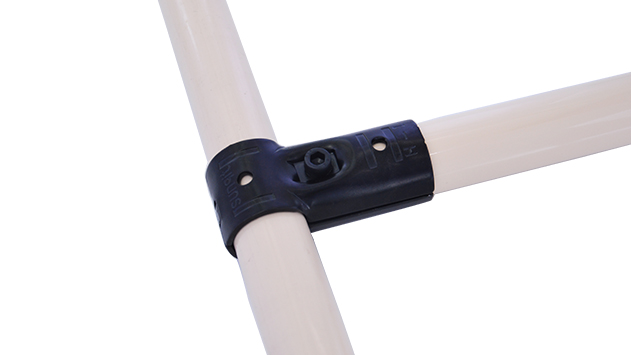
Two way lean pipe joint for 2 pcs 28MM lean pipe connection in straight angle, which used widely in workbench, flow rack, hand trolley frame connection.
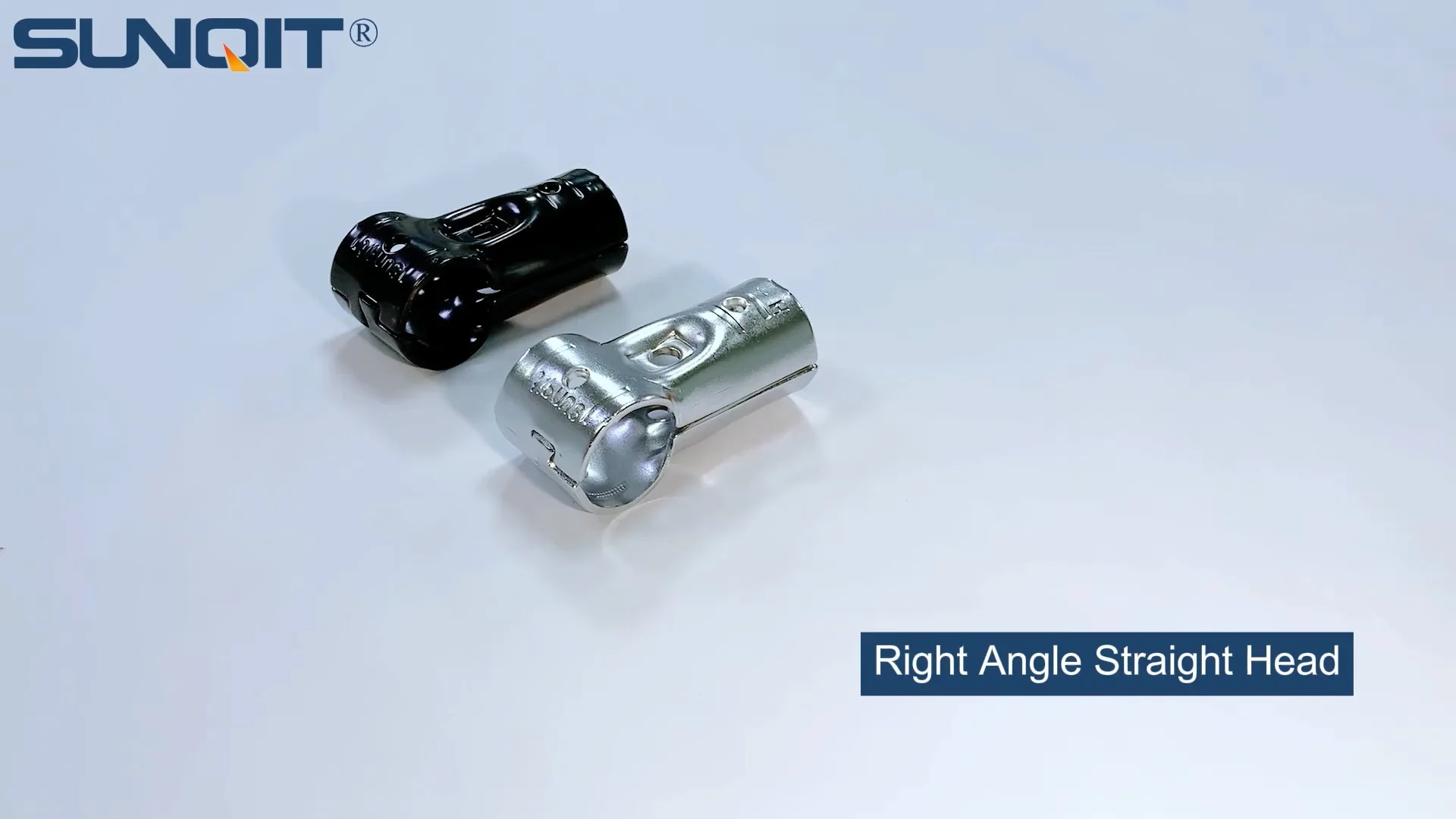
Walk into a modern medical device manufacturing facility, and you'll immediately sense the precision in the air. Every tool, every surface, every workflow is calibrated to meet the strictest standards—because when lives depend on the products rolling off the line, there's no room for error. Yet, in an industry where product designs evolve, regulatory requirements shift, and production demands fluctuate, rigidity is the enemy. That's why forward-thinking manufacturers are turning to flexible solutions, and at the center of this revolution lies a but powerful component: the two way lean pipe joint.
Medical device manufacturing isn't just about building products—it's about building trust. From surgical instruments to diagnostic equipment, each item must be assembled with meticulous care, in environments that prioritize cleanliness, electrostatic discharge (ESD) protection, and adaptability. Traditional workstations, with their fixed frames and permanent fixtures, often struggle to keep up. They're expensive to reconfigure, slow to adapt to new product lines, and can become bottlenecks in a world where agility is key. Enter lean pipe systems, and more specifically, the two way lean pipe joint: a small connector that unlocks a new level of flexibility, without compromising on safety or precision.
The Basics: What is a Two Way Lean Pipe Joint?
At first glance, a two way lean pipe joint might seem unremarkable. It's a simple connector designed to join two lengths of lean pipe—typically aluminum or steel tubes—at a fixed or adjustable angle (often 90 degrees, though some designs allow for rotation). But its simplicity is its strength. Unlike welded joints or permanent fasteners, two way lean pipe joints are designed for quick assembly and disassembly. They're tightened by hand or with basic tools, allowing operators to reconfigure a workstation's frame in minutes, not days.
Most two way lean pipe joints are made from durable materials like high-strength plastic, aluminum, or zinc-plated steel. Some are even coated with ESD-safe materials, making them ideal for environments where static electricity could damage sensitive medical components like circuit boards or microchips. When paired with aluminum profile workbenches or lean pipe workbenches, these joints form the backbone of a system that's both lightweight and surprisingly sturdy—capable of supporting the weight of tools, components, and even heavy equipment without wobbling or warping.
But why "two way"? Unlike multi-way joints (which connect three or more pipes), two way joints focus on creating stable, linear connections. Think of them as the building blocks of a workstation: they form the vertical legs, horizontal supports, and crossbars that define the structure. By combining multiple two way joints, manufacturers can build everything from simple work surfaces to complex material racks, all while keeping the system modular and easy to adjust.
Why Medical Device Manufacturing Needs Flexible Workstations
To understand the value of two way lean pipe joints in medical manufacturing, let's start with the challenges the industry faces daily:
- Evolving Product Lines: Medical device companies rarely stick to one product forever. A manufacturer might produce syringes one quarter, then shift to IV catheters the next, or add a new line of diagnostic sensors. Each product has unique assembly requirements—different tool placements, varying component sizes, and specific workflow needs. Fixed workstations can't adapt quickly, leading to downtime while crews disassemble and rebuild frames.
- Regulatory Shifts: Organizations like the FDA (Food and Drug Administration) regularly update guidelines for manufacturing practices. For example, a new rule might require additional spacing between workstations to improve airflow, or mandate ESD testing for all surfaces in contact with electronic components. Rigid setups often require costly overhauls to comply, while lean pipe systems can be adjusted on the fly.
- Space Optimization: Medical facilities are often tight on space. Floor plans need to maximize efficiency, with workstations that can be rearranged to accommodate new machinery, storage racks, or cleaning protocols. A workstation that can be shrunk, expanded, or moved (with the help of caster wheels) is a game-changer for space management.
- Worker Ergonomics: No two operators are the same. A workstation that's comfortable for a 6-foot-tall technician might cause strain for someone shorter. Adjustable height, angle, and tool placement are critical to reducing fatigue and injury—yet traditional workstations often lock these settings in place.
These challenges aren't just operational—they're financial. Downtime during reconfiguration costs money. Wasted space increases overhead. Poor ergonomics leads to higher turnover and workers' compensation claims. Two way lean pipe joints address all of these by turning workstations into dynamic, customizable tools that grow with the business.
Building a Better Workstation: How Two Way Lean Pipe Joints Transform the Floor
Let's take a deep dive into how two way lean pipe joints integrate with other components to create the ultimate medical device workstation. We'll focus on three key elements: the lean pipe workbench itself, ESD protection, and mobility via caster wheels—all tied together by the humble two way joint.
1. The Lean Pipe Workbench: A Foundation of Flexibility
A lean pipe workbench starts with a frame—typically made of aluminum profile or steel lean pipes—assembled using joints like the two way lean pipe joint. Unlike wooden or metal workbenches that come pre-built, these frames are built to order, then customized with shelves, tool holders, lighting, and work surfaces. The magic? If tomorrow's production run requires a taller bench, or a wider surface, or an extra shelf for components, operators can simply loosen the two way joints, adjust the pipes, and retighten. No welding, no sawing, no waiting for a maintenance crew.
For example, consider a workstation assembling small surgical tools. The initial setup might have a 3-foot-wide surface, with a single shelf below for parts bins. But when the company introduces a larger tool requiring more workspace, operators can add two additional vertical pipes using two way joints, extend the horizontal supports, and attach a wider worktop—all in under an hour. Compare that to a traditional wooden bench, which would need to be replaced entirely, costing time and money.
Aluminum profile is a popular choice for these frames, and for good reason. It's lightweight, resistant to corrosion (critical in cleanrooms), and compatible with a wide range of accessories. When paired with two way lean pipe joints made from the same material, the result is a system that's both strong and easy to handle—even when operators need to reconfigure it frequently.
2. ESD Workstation Protection: Safety Without Compromise
Static electricity is a silent threat in medical device manufacturing. A single electrostatic discharge can fry a sensitive microchip in a pacemaker or ruin a batch of diagnostic sensors. That's why ESD workstations are non-negotiable. These setups include grounded surfaces, anti-static mats, and tools designed to dissipate static—but they're only effective if every component is properly connected.
Two way lean pipe joints play a crucial role here. Many are made with ESD-safe materials, like conductive plastic or metal coated in anti-static paint, ensuring that static charges flow harmlessly to the ground instead of building up on the frame. When combined with an ESD workbench surface (often a laminate or metal top with grounding straps), the entire workstation becomes a shield against static damage.
Consider a line assembling glucose monitors. The circuit boards inside are incredibly sensitive to static. With a lean pipe workstation built using ESD-rated two way joints, every part of the frame—from the vertical legs to the horizontal supports—is grounded. Even when operators adjust the shelf height or reposition a tool holder, the two way joints maintain the electrical connection, ensuring no static buildup occurs. It's safety that adapts, not a fixed feature that becomes obsolete when the workstation changes.
3. Mobility with Caster Wheels: Workstations That Move When You Need Them To
Cleanliness is non-negotiable in medical manufacturing. Floors must be scrubbed, sanitized, and inspected regularly to prevent contamination. But traditional workstations, bolted to the floor, make deep cleaning a nightmare—creating hidden corners where dust and debris can accumulate. Enter caster wheels: attached to the base of the lean pipe frame, they let workstations roll out of the way during cleaning, then roll back into place.
Two way lean pipe joints are the unsung heroes here, too. They secure the caster wheel mounts to the frame, ensuring stability even when the workstation is in motion. Lockable caster wheels add an extra layer of safety: when in use, the wheels lock, keeping the bench steady; when it's time to clean, unlock them, and the workstation glides effortlessly.
Take a scenario where a facility needs to deep-clean the production floor after a batch run. With caster-equipped lean pipe workstations, the crew can move 10 workstations in 15 minutes, leaving the floor clear for scrubbing. Once clean, the workstations roll back into position, and the two way joints ensure they're aligned perfectly with the assembly line—no measuring tapes required.

The Benefits: Why Two Way Lean Pipe Joints Outperform Traditional Solutions
To truly appreciate the impact of two way lean pipe joints, let's compare them to traditional workstation setups. The table below breaks down key features, highlighting why lean pipe systems are becoming the gold standard in medical device manufacturing.
| Feature | Traditional Workstations | Lean Pipe Workstations with Two Way Joints |
|---|---|---|
| Flexibility | Fixed frames; require disassembly/replacement to reconfigure. | Adjustable in minutes using two way joints; no special tools needed. |
| ESD Compliance | Often requires aftermarket grounding kits; hard to maintain during reconfigurations. | Built-in ESD-safe joints and materials; grounding maintained even when adjusted. |
| Assembly Time | Days to weeks (custom-built or shipped pre-assembled). | Hours (modular components assembled on-site with two way joints). |
| Cost Over Time | High (replacement costs for new workstations; downtime during reconfigurations). | Low (reusable components; minimal downtime; adapts to new needs without replacement). |
| Cleanroom Compatibility | Hard-to-clean crevices; fixed design limits floor access for cleaning. | Smooth, non-porous materials; mobile (with caster wheels) for easy floor cleaning. |
Beyond these tangible benefits, two way lean pipe joints also foster a culture of ownership. Operators, who know their workflows best, can tweak their workstations to fit their needs—raising a shelf to reduce bending, adding a tool holder within arm's reach, or adjusting the height to reduce strain. This not only boosts morale but also improves efficiency: when a workstation works for the operator, not against them, productivity naturally rises.

Real-World Applications: A Case Study
Let's put this into context with a real-world example. A mid-sized medical device manufacturer specializing in insulin pumps was struggling with inefficiencies in their assembly line. Their traditional workstations were fixed, and when they introduced a new pump model with a smaller form factor, the crew had to crowd around the same limited space, leading to slower assembly times and increased errors.
The solution? They switched to lean pipe workstations built with two way lean pipe joints, aluminum profile frames, and ESD workbench surfaces. Here's what happened next:
- Day 1: The new frames were assembled using two way joints, with adjustable shelves and a width that could expand or contract based on the product. Caster wheels were added to the base for mobility.
- Week 1: Operators noticed the need for more tool hooks near the assembly area. Using two way joints, they added two vertical pipes to the side of each workstation and attached hooks—no help from maintenance required.
- Month 3: A regulatory update required additional spacing between workstations for better airflow. The team simply unlocked the caster wheels, rolled each workstation 6 inches apart, and locked them back in place. Total time: 30 minutes.
- Year 1: The company launched a third pump model. Instead of buying new workstations, they reconfigured existing ones by adjusting the two way joints to accommodate the new component layout. Cost saved: over $50,000 in new workstation purchases.
The result? A 25% increase in assembly speed, a 40% reduction in errors, and a workforce that felt empowered to shape their workspace. All because of a system built around flexibility—and at the core of that system, two way lean pipe joints.
Choosing the Right Two Way Lean Pipe Joint: Key Considerations
Not all two way lean pipe joints are created equal. When selecting them for medical device manufacturing, keep these factors in mind:
- Material: Opt for aluminum or ESD-safe plastic joints to resist corrosion and prevent static buildup. Stainless steel is also an option for high-moisture environments.
- Load Capacity: Ensure the joint can support the weight of your workbench, tools, and components. Most medical applications require joints rated for at least 50-100 lbs per connection.
- Compatibility: Check that the joint fits your lean pipe size (common diameters include 28mm or 30mm). Aluminum profile systems may require specialized joints designed for T-slot profiles.
- Ease of Use: Look for joints with ergonomic tightening mechanisms (like knobs or levers) that operators can adjust without tools.
Suppliers often offer sample kits, allowing you to test joints with your existing pipes and accessories before committing. It's a small investment that ensures you're getting the right fit for your workflow.
Conclusion: The Future of Medical Manufacturing is Flexible
In medical device manufacturing, the only constant is change. New technologies emerge, regulations evolve, and patient needs shift—and your workstations should keep up. The two way lean pipe joint isn't just a component; it's a catalyst for agility, safety, and efficiency. By tying together lean pipe workbenches, ESD protection, and mobility (via caster wheels), it transforms static workspaces into dynamic, adaptable hubs that grow with your business.
So the next time you walk through a medical device facility, take a closer look at those workstations. If they're built with lean pipe systems and two way joints, you're seeing more than just a bench—you're seeing a commitment to innovation, safety, and the future of manufacturing. And in an industry where every detail matters, that's a difference you can trust.