- Company Articles
- Products and Technology
- Product knowledge
- UV-Resistant Plastic Pipe Covers: Suitable for Outdoor Storage Areas

UV-Resistant Plastic Pipe Covers: Suitable for Outdoor Storage Areas
Related Product
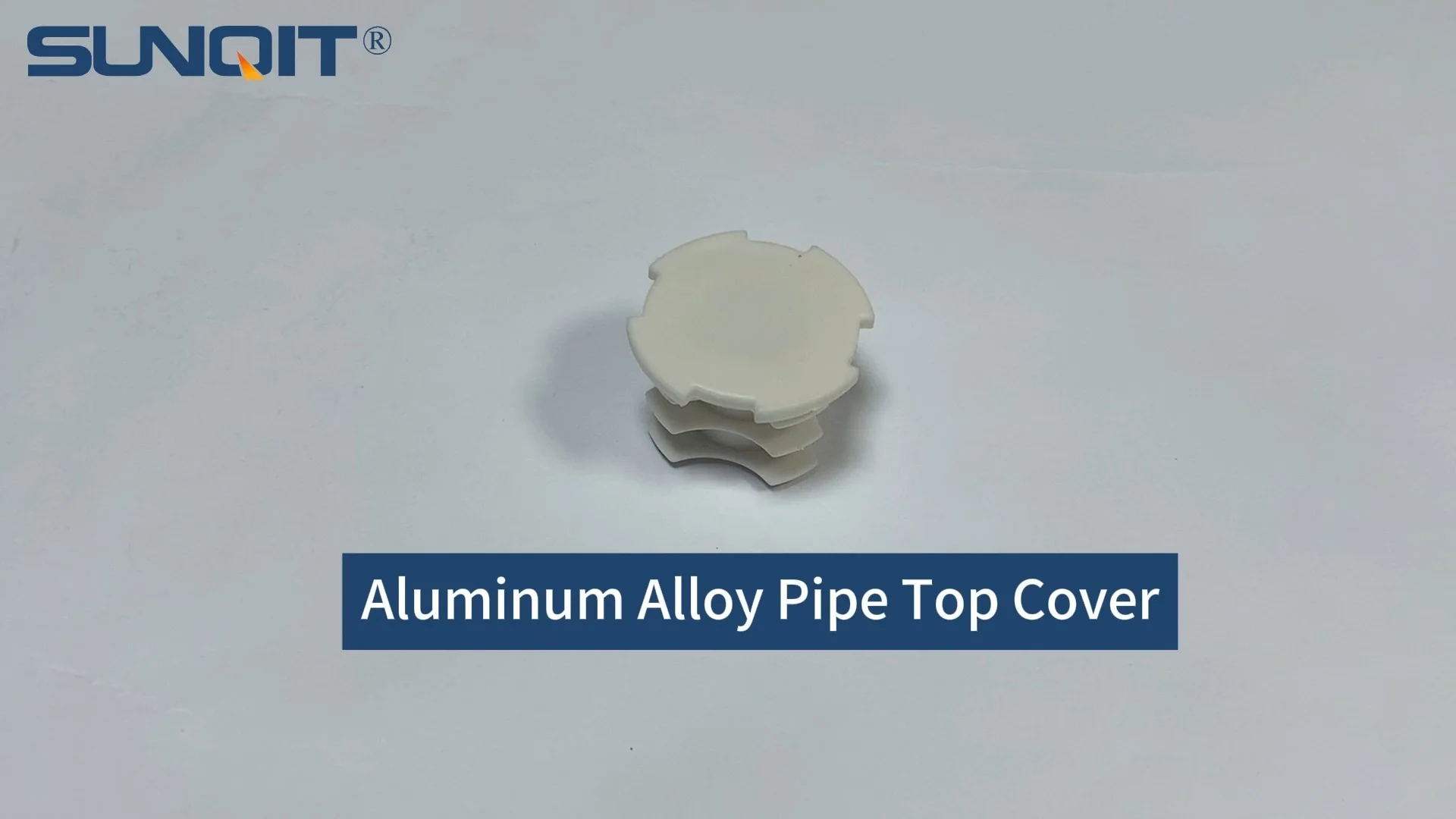
Plastic Pipe Cover
Plastic pipe cover to cover dia 28MM aluminum pipe end at workbench, flow rack, to prevent metal surface scratch material or worker.
The Hidden Cost of Neglecting Outdoor Pipe Storage
Walk through any industrial yard, construction site, or even a backyard workshop, and you'll likely spot stacks of pipes—PVC, metal, aluminum—left exposed to the elements. It's easy to assume these sturdy tubes can handle a little sun and rain, but over time, that "little" exposure adds up. Sunlight, especially the ultraviolet (UV) rays in it, is a silent enemy of outdoor-stored pipes. It fades colors, weakens materials, and eventually leads to cracks, brittleness, and leaks. For businesses, this means frequent replacements, lost productivity, and safety risks. For homeowners, it's the frustration of finding a cracked irrigation pipe mid-summer or a damaged conduit during a DIY project.
The solution? It's simpler than you might think: UV-resistant plastic pipe covers. These unassuming accessories—things like the humble plastic pipe end cap or a snug plastic pipe sleeve—act as a shield, extending the life of your pipes and keeping storage areas organized. In this article, we'll dive into why UV resistance matters, how plastic covers outperform other materials, and which types (like the versatile plastic pipe cover) are best for your outdoor storage needs.
Why UV Rays Are a Threat to Uncovered Pipes
Let's start with the science: UV radiation from the sun breaks down the molecular structure of most materials. For pipes, this process—called photodegradation—happens gradually but relentlessly. PVC pipes, for example, contain additives that slow this breakdown, but without protection, those additives deplete over time. The result? The pipe surface becomes chalky, discolored, and prone to cracking. Metal pipes don't escape either; UV rays accelerate rust by weakening protective coatings, turning a small scratch into a major corrosion spot.
The damage isn't just cosmetic. A brittle pipe is a safety hazard. Imagine a worker lifting a PVC pipe that's been baked in the sun for months—if it snaps mid-lift, it could cause injury. For businesses, damaged pipes mean delays: a cracked conduit might need to be replaced before a project can proceed, or a brittle irrigation pipe could flood a storage area. The cost of replacing a single 20-foot pipe might seem small, but multiply that by dozens (or hundreds) across a facility, and it becomes a significant expense.
Did You Know? Studies show that unprotected PVC pipes stored outdoors can lose up to 50% of their tensile strength after just two years of UV exposure. That's half the durability gone—before the pipe is even installed.
Plastic Pipe Covers: The Unsung Heroes of Outdoor Storage
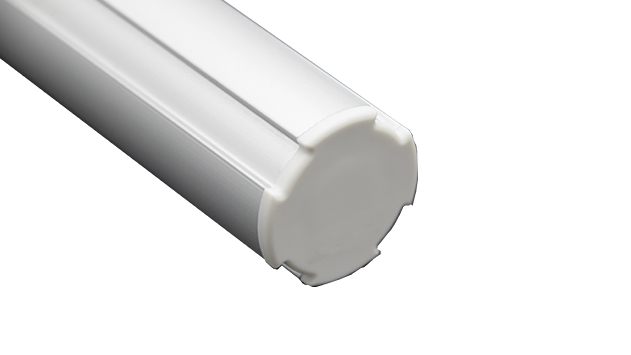
When it comes to protecting pipes from UV rays, not all covers are created equal. Metal caps are durable but heavy and prone to rusting themselves. Rubber covers can degrade in extreme heat. That's where plastic shines. Modern UV-resistant plastics—like polyethylene or polypropylene—are engineered to withstand years of sun exposure without breaking down. They're lightweight, affordable, and easy to install, making them ideal for both commercial and residential use.
The most common types of plastic pipe covers include:
- Plastic Pipe End Cap: As the name suggests, these fit snugly over the open end of a pipe, sealing out dirt, moisture, and UV rays. They're available in various sizes to match standard pipe diameters, from small ½-inch tubes to large industrial pipes.
- Plastic Pipe Sleeve: Think of this as a "sock" for pipes. Sleeves slide over the entire length of a pipe (or a section of it), providing full coverage. They're great for protecting pipes that are stacked or dragged across rough surfaces, as they also prevent scratches.
- Plastic Pipe Cover: A catch-all term for any plastic accessory designed to shield pipes. This includes specialized covers for elbows, joints, or irregularly shaped pipes, ensuring no part is left exposed.
What makes these covers UV-resistant? Manufacturers add stabilizers—compounds like carbon black or hindered amine light stabilizers (HALS)—to the plastic during production. These additives absorb or reflect UV rays, preventing them from penetrating the material and causing damage. The result is a cover that stays flexible, resists fading, and won't become brittle even after years in the sun.

Comparing Pipe Cover Materials: Why Plastic Wins for Outdoors
You might be wondering: Why not use metal or rubber covers instead? Let's break down the pros and cons:
| Material | UV Resistance | Durability | Weight | Cost | Best For |
|---|---|---|---|---|---|
| UV-Resistant Plastic | Excellent (5–10 years of protection) | High (resists cracks, moisture, and impact) | Lightweight (easy to handle and install) | Low to moderate | Outdoor storage, general-purpose pipe protection |
| Metal (Steel/Aluminum) | Poor (coating fades; metal rusts over time) | High (but prone to corrosion without maintenance) | Heavy (hard to stack, increases shipping costs) | High | Indoor storage or short-term outdoor use |
| Rubber | Fair (degrades in extreme heat; becomes sticky or brittle) | Moderate (rips easily if dragged over rough surfaces) | Medium | Moderate | Temporary protection or indoor use |
| Fabric Covers | Poor (fades quickly; absorbs moisture) | Low (tears easily; not puncture-resistant) | Lightweight | Low | Very short-term use (e.g., covering pipes during a rainstorm) |
As the table shows, UV-resistant plastic covers strike the perfect balance of durability, affordability, and practicality for outdoor storage. They're light enough to handle without heavy equipment, cheap enough to replace if lost, and tough enough to stand up to years of sun, rain, and snow.

Choosing the Right Plastic Pipe Cover for Your Needs
Not all plastic pipe covers are the same. To get the best protection, you'll need to match the cover to the pipe type, storage conditions, and how long you plan to store the pipes. Here's a closer look at the key factors:
Size Matters: Getting the Perfect Fit
A plastic pipe end cap that's too loose will fall off in the wind; one that's too tight might crack when you try to install it. Most manufacturers list the inner diameter (ID) of their covers, so measure your pipe's outer diameter (OD) first. For example, a 2-inch PVC pipe has an OD of about 2.375 inches, so you'd need an end cap labeled for 2.5-inch pipes. If you're unsure, opt for adjustable covers—some plastic end caps have a flexible rim that stretches to fit a range of sizes.
Material Quality: Look for UV Ratings
Not all plastic covers are labeled "UV-resistant." Check the product description for terms like "UV-stabilized," "UV-protected," or a specific UV rating (e.g., "resists UV rays for 5+ years"). Avoid generic "plastic covers" that don't mention UV protection—they'll likely degrade quickly outdoors.
Storage Duration: Temporary vs. Long-Term
If you're storing pipes for a few weeks (e.g., during a construction project), a basic plastic pipe sleeve might suffice. For long-term storage (months or years), invest in heavy-duty covers with thick walls and reinforced edges. Some high-end plastic pipe end caps even have a locking mechanism to prevent theft or tampering—useful for job sites with shared storage areas.
Specialized Needs: Beyond Basic Protection
Do your pipes need more than just UV protection? If they're stored in a damp area, look for covers with moisture-resistant properties. For pipes that carry sensitive materials (like food-grade tubing), choose BPA-free plastic covers. And if you're stacking pipes, consider stackable end caps—these have a flat top that lets you pile pipes without crushing the cover underneath.
Installation Tips: Making Pipe Covers Work for You
Installing a plastic pipe cover is usually a one-person job, but a few tricks will ensure a snug, long-lasting fit. Here's how to do it right:
Prep the Pipe First
Before adding a cover, clean the pipe end or surface. Dirt, grease, or debris can prevent the cover from sealing properly, leaving gaps for moisture or UV rays. A quick wipe with a damp cloth or mild soap (for stubborn grime) is usually enough. For metal pipes, check for rust—scrub it off with a wire brush first, as rust can wear through the cover over time.
Press, Twist, or Secure: Finding the Right Fit
Most plastic pipe end caps are "press-fit"—you simply push them onto the pipe until they click into place. For a tighter seal, warm the cap slightly (in warm water, not boiling!) to make the plastic more flexible. For sleeves, slide them over the pipe from one end, smoothing out any wrinkles. If the sleeve is too loose, wrap a layer of tape around the pipe first to add thickness.
For permanent installations, some covers can be secured with adhesive. Apply a thin layer of PVC glue (for plastic pipes) or epoxy (for metal) to the inside of the cover before installing. Just be sure to let the adhesive dry completely before moving the pipe—check the product label for drying times.
Labeling: Know What's Under the Cover
Outdoor storage areas can get chaotic, and covered pipes can start to look alike. Save time (and frustration) by labeling your covers. Use a permanent marker to write the pipe type, size, or intended use on the plastic pipe end cap. For sleeves, attach a small tag with zip ties. This way, you won't have to remove covers to find the pipe you need.
Maintaining Your Plastic Pipe Covers: Simple Steps for Longevity
UV-resistant plastic covers are low-maintenance, but a little care will extend their life even further. Here's what to do:
- Inspect Regularly: Every few months, check covers for cracks, tears, or fading. If a cover is discolored or brittle, replace it—UV stabilizers can wear out over time, even in quality products.
- Clean Gently: Dirt and grime can trap moisture against the pipe, so hose off covers occasionally. Use a soft brush and mild detergent for stubborn spots—avoid abrasive cleaners, which can scratch the surface and reduce UV resistance.
- Store Covers Properly When Not in Use: If you remove covers to use a pipe, don't toss them in a corner. Stack end caps in a bin and hang sleeves on a hook to prevent crushing or bending. This way, they'll be ready for reuse when the pipe goes back into storage.
Pro Tip: Keep a few extra plastic pipe end caps and sleeves on hand. They're small and affordable, so having spares means you can replace a damaged cover immediately—no need to delay a project while waiting for a replacement to ship.
Real-World Impact: How Businesses Are Saving with Pipe Covers
Don't just take our word for it—businesses across industries are seeing the benefits of UV-resistant plastic pipe covers. Take a mid-sized construction company in Texas, for example. Before using covers, they replaced 20% of their PVC pipe inventory every year due to sun damage. After switching to heavy-duty plastic pipe sleeves and end caps, that number dropped to 5%. Over three years, they saved over $15,000 in replacement costs alone.
Or consider a municipal water district in Arizona, where outdoor storage yards bake in 100+ degree heat. They now use color-coded plastic pipe end caps to label different pipe sizes, reducing the time workers spend searching for materials by 30%. The UV-resistant covers also mean pipes stay clean and debris-free, cutting down on installation delays caused by clogged lines.
Even small businesses benefit. A family-owned hardware store in Oregon started selling UV-resistant plastic pipe covers alongside their pipe inventory. Customers reported fewer returns of damaged pipes, and the store saw a 15% increase in pipe sales—proof that protecting products adds value for everyone.
Conclusion: Small Investment, Big Returns
Outdoor pipe storage doesn't have to be a game of "replace and repeat." UV-resistant plastic pipe covers—simple tools like the plastic pipe end cap, plastic pipe sleeve, and versatile plastic pipe cover—offer a cost-effective way to protect your investment. They shield against UV rays, moisture, and debris, extend pipe life, and keep storage areas organized. Whether you're a business owner managing a warehouse full of pipes or a homeowner storing irrigation tubing, these covers are a smart, practical solution.
So the next time you see a stack of uncovered pipes in the sun, think about the hidden costs of inaction. Then, reach for a plastic pipe cover. It's a small step that will save you time, money, and headaches down the line. After all, when it comes to protecting your pipes, the best defense is a good cover.