- Company Articles
- Products and Technology
- Product knowledge
- UV-Resistant Plastic Pipe End Caps: Ideal for Outdoor or High-Light Environments

UV-Resistant Plastic Pipe End Caps: Ideal for Outdoor or High-Light Environments
Related Product
Plastic pipe end cap
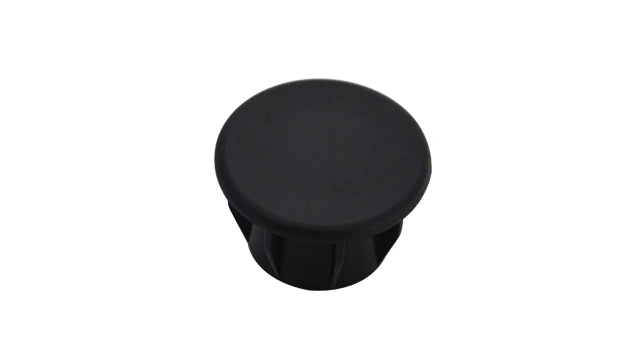
Plastic pipe cover, used for 28mm two end cover and protection, to avoid any scratch from sharp metal surface.
If you've ever set up a lean pipe structure outdoors—whether it's a material rack for your garden shed, a temporary workstation at a construction site, or a conveyor system in a sunlit warehouse—you've probably encountered a frustrating issue: plastic components degrade surprisingly quickly under sunlight. The end caps that seal the ends of your lean pipes, in particular, start to crack, fade, or turn brittle after just a few months of UV exposure. What was once a clean, sturdy setup becomes a jumble of sharp edges, loose parts, and compromised stability. But there's a simple fix that solves this problem for good: UV-resistant plastic pipe end caps. These unassuming accessories are the unsung heroes of durable, long-lasting lean pipe systems, and today, we're diving into why they matter, how they work, and where they shine brightest.
What Are UV-Resistant Plastic Pipe End Caps?
Let's start with the basics: plastic pipe end caps are small, often cylindrical or domed pieces designed to fit snugly over the open ends of pipes—including the lean pipes used in modular workbenches, material racks, and conveyor systems. Their primary job is simple: seal the pipe to prevent debris, moisture, or pests from getting inside, while also smoothing out sharp edges to avoid injuries or damage to materials. But standard plastic end caps, made from basic polyethylene or PVC without added protection, are no match for the sun's ultraviolet (UV) rays.
UV-resistant plastic pipe end caps, on the other hand, are engineered to withstand prolonged sun exposure. They're typically made from high-density polyethylene (HDPE) or polypropylene, blended with UV stabilizers—additives that absorb or reflect UV radiation before it can break down the plastic's molecular structure. Some are also treated with antioxidants to further slow degradation. The result? A component that doesn't just "work" for a few months, but retains its strength, flexibility, and color for years, even in harsh outdoor or high-light conditions.
Why UV Resistance Matters: The Science of Sun Damage
To understand why UV-resistant end caps are non-negotiable for sun-exposed setups, let's break down what sunlight does to regular plastic. UV radiation—specifically UV-B and UV-A rays—penetrates plastic materials and breaks the chemical bonds in their polymer chains. This process, called photodegradation, weakens the plastic over time. You'll notice the effects first as discoloration: vibrant yellows or grays fade to dull, washed-out shades. Then comes brittleness: the plastic loses its flexibility, becoming prone to cracks and chips. In severe cases, the end cap may even shatter when touched, leaving the pipe's sharp metal or aluminum interior exposed.
For anyone relying on lean pipe structures, this degradation isn't just an aesthetic issue—it's a safety and efficiency problem. A cracked end cap on a workbench leg could catch clothing or tools, leading to accidents. A brittle cap on a material rack might fail under the weight of stored items, causing spills or damage. And in conveyor systems, degraded end caps can jam rollers or create uneven surfaces, grinding operations to a halt. The cost of replacing these caps every few months adds up, too—both in terms of money and the downtime required to swap out parts.

Key Benefits of UV-Resistant End Caps
So, what makes UV-resistant plastic pipe end caps worth the investment? Let's count the ways:
1. Unmatched Durability: The biggest selling point is longevity. While standard end caps might last 6–12 months outdoors, UV-resistant versions can survive 5–7 years or more under the same conditions. This is thanks to those UV stabilizers, which act like a "sunscreen" for the plastic, blocking harmful radiation and preserving the material's integrity.
2. Enhanced Safety: By resisting cracking and brittleness, UV-resistant end caps maintain their smooth, rounded edges. This reduces the risk of cuts, scrapes, or snags—critical in busy workspaces where workers, tools, and products are constantly moving. They also keep debris out of pipes, preventing clogs that could weaken the structure over time.
3. Cost Savings Over Time: It's true that UV-resistant end caps often cost slightly more upfront than standard ones. But when you factor in how rarely you'll need to replace them, they're far more economical. A warehouse using 100 lean pipe end caps might spend $200 on standard caps yearly; switching to UV-resistant caps ($300 initially) would save $700 over five years—plus the labor costs of frequent replacements.
4. Aesthetic Consistency: For businesses that care about presentation—like retail pop-up shops or outdoor event setups—UV-resistant caps retain their color and finish. No more mismatched, faded caps ruining the look of your carefully designed lean pipe display or workstation.

Where UV-Resistant End Caps Shine: Real-World Applications
UV-resistant plastic pipe end caps aren't just for "outdoor" setups—they're essential anywhere lean pipe systems face prolonged light exposure. Let's explore a few common scenarios where they make all the difference:
Outdoor Workstations & Job Sites: Construction crews, farmers, and event organizers often use lean pipe workbenches or tool racks in open-air environments. A workbench set up at a construction site, for example, is exposed to direct sunlight for 8+ hours daily. Without UV-resistant caps, the ends of its lean pipes would degrade quickly, turning a reliable workspace into a hazard. UV-resistant caps keep the bench stable and safe, even through rain, snow, and sun.
Sunlit Warehouses & Factories: Many warehouses and factories have large skylights or windows to reduce lighting costs—and that's great for energy efficiency, but tough on plastic components. A material rack placed near a skylight, for instance, gets constant UV exposure. Standard end caps on that rack might start cracking within a year, but UV-resistant versions stay strong, ensuring the rack remains safe for storing heavy boxes or equipment.
Conveyor Systems with Natural Light: Conveyors built from lean pipe and roller track are workhorses in logistics, but if they're near windows or in unshaded areas, their plastic parts take a beating. UV-resistant end caps on conveyor rails prevent jamming and maintain smooth product flow, keeping operations on schedule.
Retail & Pop-Up Displays: Brands often use lean pipe structures for temporary retail displays at outdoor markets or festivals. These displays need to look polished for the duration of the event—and beyond. UV-resistant end caps ensure the display stays visually consistent, with no faded or cracked parts detracting from the brand's image.
UV-Resistant vs. Standard End Caps: A Side-by-Side Comparison
| Feature | UV-Resistant Plastic Pipe End Caps | Standard Plastic End Caps |
|---|---|---|
| Material Composition | HDPE/polypropylene with UV stabilizers and antioxidants | Basic polyethylene or PVC (no UV protection) |
| Expected Lifespan (Outdoor) | 5–7 years | 6–12 months |
| UV Radiation Resistance | High (blocks 95%+ of harmful UV rays) | Low (degrades quickly under UV exposure) |
| Color Retention | Excellent (minimal fading over time) | Poor (fades within 3–6 months) |
| Resistance to Cracking/Brittleness | High (remains flexible and strong) | Low (becomes brittle and prone to cracking) |
| Initial Cost | Slightly higher ($1.50–$3.00 per cap) | Lower ($0.50–$1.50 per cap) |
| Long-Term Cost (5-Year Period) | $1.50–$3.00 (one-time purchase) | $5.00–$15.00 (replaced 5–10 times) |
| Best For | Outdoor setups, sunlit warehouses, skylit factories, retail displays | Indoor, low-light environments (e.g., basements, closed storage rooms) |
How to Install UV-Resistant End Caps: Tips for a Secure Fit
Installing UV-resistant plastic pipe end caps is quick and easy—no special tools required. Here's a step-by-step guide to ensure a snug, long-lasting fit:
1. Measure Your Pipe Diameter: End caps come in standard sizes (e.g., 0.5 inch, 1 inch) to match common lean pipe diameters. Double-check your pipe's width before buying to avoid ill-fitting caps. Most suppliers list dimensions clearly, so you can pick the right size for your lean pipe system.
2. Clean the Pipe Ends: Dirt, grease, or rust on the pipe's end can prevent the cap from sealing properly. Wipe the end of each lean pipe with a clean cloth (and a mild degreaser if needed) to ensure a smooth surface.
3. Apply a Small Amount of Lubricant (Optional): For a tighter fit, you can dab a tiny bit of soapy water or silicone lubricant on the pipe's end. This helps the cap slide on easily without damaging the plastic.
4. Press the Cap Firmly Into Place: Align the cap with the pipe's end and push firmly until it "snaps" into position. You should feel resistance, but the cap shouldn't bend or warp—if it does, you may have the wrong size.
5. Test for Security: Give the cap a gentle tug to ensure it doesn't come loose. A properly installed cap should stay in place even when the pipe is moved or jostled.
Pro tip: If you're installing caps on a workbench or material rack that will hold heavy loads, consider adding a drop of industrial adhesive (like epoxy) to the pipe end before placing the cap. This extra step ensures the cap stays put, even under stress.
Choosing the Right Supplier: Why Quality Matters
Not all UV-resistant plastic pipe end caps are created equal. To get the durability and performance you need, it's critical to choose a reputable lean pipe supplier or lean pipe accessories provider. Here's what to look for:
1. Focus on Lean Pipe Expertise: Opt for suppliers who specialize in lean pipe systems and accessories. These companies understand the unique demands of lean pipe setups—whether you're building a workbench, a conveyor, or a material rack—and can recommend the best end caps for your specific use case.
2. Ask About UV Stabilizer Quality: Not all UV stabilizers are the same. High-quality caps use stabilizers like hindered amine light stabilizers (HALS) or benzophenones, which are proven to block UV radiation effectively. A trustworthy supplier will share details about their manufacturing process and the additives they use.
3. Check for Testing & Certifications: Reputable suppliers test their end caps under real-world conditions—exposing them to accelerated UV radiation in labs to simulate years of sun exposure. Look for caps that meet industry standards, such as ISO 4892 (which measures plastic resistance to UV radiation).
4. Range of Sizes & Colors: Your lean pipe system might use different pipe diameters (e.g., 0.5 inch, 1 inch), so choose a supplier that offers end caps in multiple sizes. They should also have color options (like yellow, grey, or black) to match your setup's aesthetic or safety requirements (e.g., yellow for high-visibility areas).
5. Customer Support: A good supplier doesn't just sell products—they offer guidance. Whether you're unsure about sizing, installation, or maintenance, they should be able to answer your questions and help you make the right choice.
Final Thoughts: Invest in Longevity, Not Quick Fixes
At the end of the day, UV-resistant plastic pipe end caps are a small investment that delivers big returns. They protect your lean pipe systems from sun damage, keep your workspace safe, and save you time and money on replacements. Whether you're setting up an outdoor workstation, a sunlit warehouse rack, or a conveyor system near a window, these caps ensure your setup stays strong, functional, and professional-looking for years to come.
So, the next time you're building or upgrading a lean pipe structure, don't overlook the details. Swap out those standard end caps for UV-resistant ones—and enjoy a setup that stands the test of time (and sunlight).