- Company Articles
- Products and Technology
- Application Cases
- Vertical Applications of All Direction Roller Track: Feasibility Guide

Vertical Applications of All Direction Roller Track: Feasibility Guide
Related Product
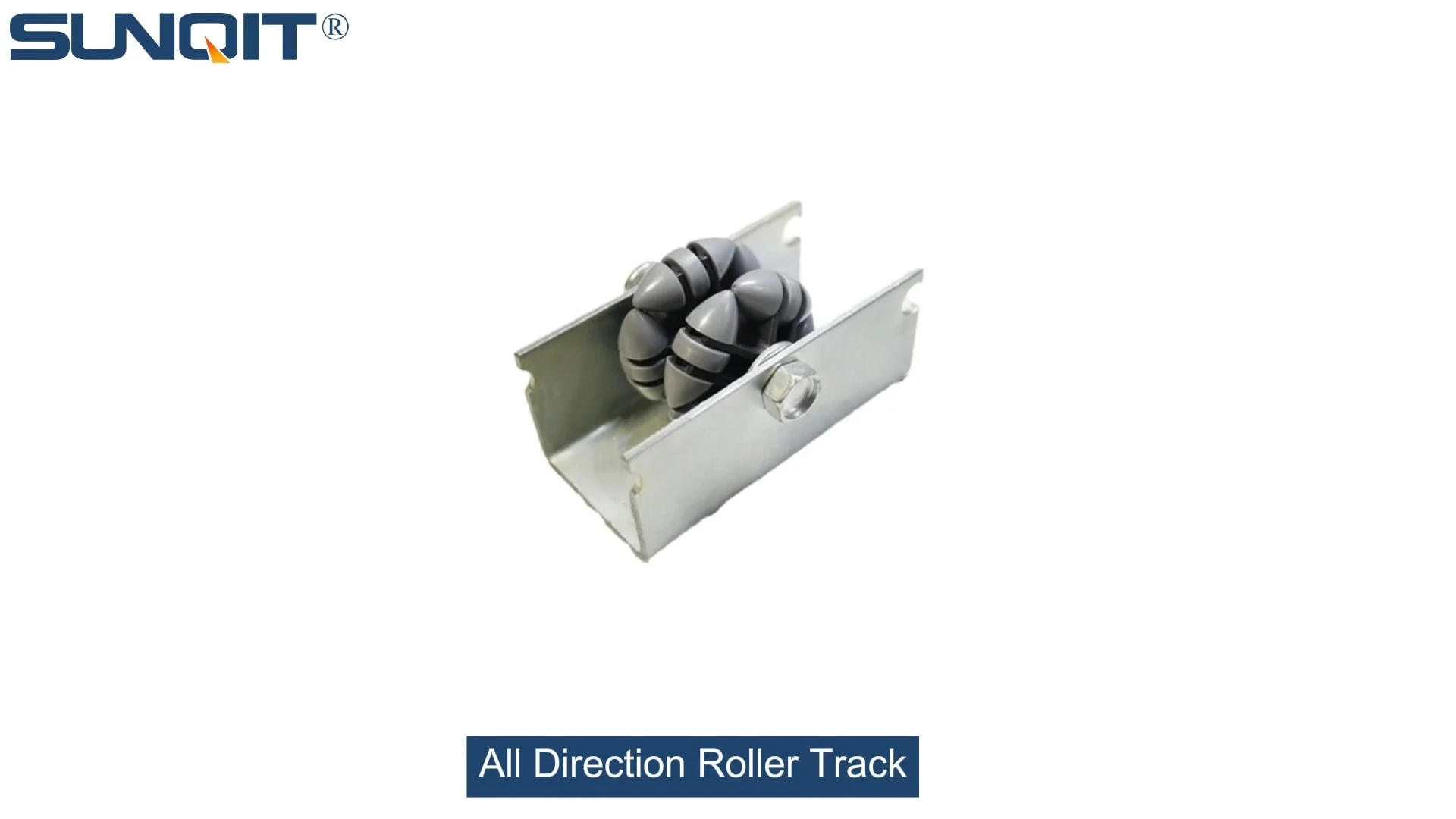
All Direction Roller Track
All direction roller track made of steel frame and multiple direction move wheel which will make boxes are always in contact with the rollers, reducing jams and enhancing flow reliability.
Introduction: The Rise of Vertical Material Handling in Modern Manufacturing
In today's fast-paced manufacturing landscape, efficiency isn't just about speed—it's about smart space utilization. As factories and warehouses strive to maximize output within limited square footage, the focus has shifted upward: vertical material handling. Moving goods between different heights—whether from ground-level assembly lines to mezzanine workstations, or from high-rise storage racks to picking zones—has become a critical challenge. This is where all direction roller track emerges as a game-changer. Unlike traditional fixed-direction conveyors, its ability to adapt to vertical angles while maintaining smooth, 360-degree movement makes it a versatile solution for modern production and logistics needs. In this guide, we'll explore how this innovative tool transforms vertical workflows, backed by real-world applications and a focus on lean principles that drive sustainable improvement.
Understanding All Direction Roller Track: Core Principles and Design Features
At its core, all direction roller track is engineered for flexibility. Composed of a series of small, freely rotating rollers mounted on a sturdy frame—often crafted from aluminum or stainless steel—it allows materials to glide smoothly in any direction, including up, down, and around corners. This design addresses a key pain point in manufacturing: the need for adaptable movement without sacrificing stability.
Key features set it apart. First, material choice matters: aluminum variants, like those using high-grade aluminum pipe and aluminum profile accessories, offer lightweight durability, making them ideal for applications where frequent reconfiguration is needed. For heavier loads or harsh environments, stainless steel roller track series provide enhanced strength and corrosion resistance. Second, modularity is built in—tracks can be cut to length, connected with roller track connectors, and paired with accessories like side guides or end stops, aligning with the "reusable, continuously improvable" ethos of lean systems.
Another critical aspect is load capacity. Depending on the roller size (common options include 0.5 inch and 1 inch swivel roller balls) and frame design, these tracks can handle anything from small electronic components to heavy automotive parts, with some industrial-grade models supporting up to 500kg per linear meter. This versatility ensures they integrate seamlessly into diverse production assemble lines, from delicate 3C assembly to robust automotive manufacturing.

Key Vertical Application Scenarios: Where All Direction Roller Track Shines
3.1 Warehousing & Logistics: High-Density Storage and Retrieval
In warehousing, vertical space is often the most underutilized resource. All direction roller track bridges this gap by enabling efficient transfer between high-rise flow racks and ground-level picking stations. For example, in e-commerce fulfillment centers, cartons loaded on upper-level flow racks can glide down inclined roller tracks to pickers below, eliminating the need for manual lifting or expensive automated cranes. Conversely, when restocking, workers can push pallets upward along gently sloped tracks to reach elevated shelves, reducing strain and speeding up inventory turnover.
This application aligns perfectly with lean solution principles: by minimizing manual handling, warehouses cut labor costs while reducing error rates. Additionally, the track's modular design allows for quick adjustments to shelf heights or track angles, adapting to seasonal inventory fluctuations without major overhauls.
3.2 Production Assembly Lines: Seamless Inter-Station Transfer
Modern assembly lines are rarely flat. In 3C electronics manufacturing, for instance, circuit boards might move from a lower-level soldering station to an upper-level testing bench, then to a packaging area on the ground floor. All direction roller track, integrated with lean pipe workbenches, creates a continuous vertical workflow here. Workers can slide components up or down between stations with minimal effort, keeping production flowing without bottlenecks.
Automotive plants benefit similarly. Heavy parts like door panels or engine components, once moved by forklifts or, now glide smoothly along inclined roller tracks between body shops and final assembly areas. The track's shock-absorbent rollers prevent damage to sensitive parts, while its compatibility with conveyor systems ensures it fits into existing line layouts—no need for costly infrastructure overhauls.
3.3 Medical Device Manufacturing: Precision and Cleanliness
The medical industry demands precision, cleanliness, and compliance—standards all direction roller track meets with ease. In sterile environments, aluminum roller track with anodized finishes resists bacterial growth and is easy to sanitize, making it ideal for transferring surgical tools or implant components between cleanrooms and inspection stations. Its gentle, vibration-free movement also protects delicate instruments from damage during vertical transport, a critical factor in maintaining product quality.
Custom solutions shine here. For example, a medical device manufacturer might require a track system that integrates with ESD workbenches to prevent static damage to electronic medical equipment. By combining anti-static roller tracks with aluminum profile accessories, suppliers can design a tailored setup that meets both vertical handling needs and industry-specific safety standards.

Feasibility Analysis: Technical, Economic, and Operational Considerations
4.1 Technical Feasibility: Load, Speed, and Integration
Before implementation, assessing technical fit is crucial. Start with load requirements: calculate the weight and dimensions of the materials being moved, then match them to track specifications. For instance, 38 aluminum roller track with yellow wheel flanges works well for small parts, while 60 steel roller track with green wheels handles heavier loads. Next, evaluate speed: roller tracks typically operate at 0.5–2 m/s, which is slower than motorized conveyors but ideal for manual or semi-automated workflows where precision matters more than speed.
Integration with existing systems is another key check. All direction roller track pairs naturally with other lean equipment: connect it to a lean pipe workbench at the bottom of an incline for assembly, or link it to a chain conveyor at the top for automated feeding. Most suppliers offer compatibility guides, ensuring tracks work with standard roller track placon mounts for aluminum profiles or caster accessories for mobile setups.
4.2 Economic Value: Cost Savings and ROI
The upfront cost of roller track systems is offset by long-term savings. Labor reduction is the most tangible benefit: by automating vertical transfers, factories cut reliance on manual handlers, with some reports showing a 30% decrease in material handling labor costs within the first year. Maintenance costs are also low—aluminum and stainless steel tracks resist wear, and individual rollers can be replaced without dismantling the entire system, unlike fixed conveyors.
ROI is further boosted by reusability. When production lines reconfigure (a common occurrence in lean manufacturing), tracks can be disassembled, relocated, and reassembled with minimal waste—a stark contrast to permanent conveyor installations. This aligns with the "sustainable improvement" promise of lean solutions, ensuring the initial investment continues to deliver value over time.
4.3 Operational Impact: Flexibility and Worker Safety
On the shop floor, flexibility translates to agility. A consumer electronics plant, for example, can quickly adjust roller track angles to accommodate a new smartphone model's assembly process, reducing downtime between product launches. Workers also benefit: by eliminating manual lifting and pushing, the risk of musculoskeletal injuries drops significantly. OSHA data supports this, with facilities using roller track reporting 40% fewer lifting-related incidents compared to those using traditional carts.

Case Studies: Real-World Success Stories
Case 1: 3C Assembly Plant Streamlines Multi-Level Production
A leading 3C manufacturer faced challenges with transferring circuit boards between three assembly levels. Manual carts caused delays and occasional component damage. By installing all direction roller tracks with aluminum guide rails and ESD-compatible black wheels, they connected lean pipe workbenches across floors. The result: a 25% increase in line throughput, zero damage incidents, and workers reporting less fatigue during shifts. The modular track system was later reconfigured for a new product line, avoiding the need for new equipment purchases.
Case 2: Medical Warehouse Optimizes Vertical Storage
A medical device distributor needed to maximize storage in a compact facility. They installed stainless steel roller track between 12-foot-high flow racks and ground-level picking zones. Inclined tracks allowed cartons to glide down to pickers, while manually pushed upward tracks handled restocking. Space utilization increased by 40%, and order fulfillment time dropped by 15%. The system's easy-to-clean design also helped maintain FDA compliance for medical inventory.
Choosing the Right Partner: What to Look for in a Supplier
Not all roller track suppliers are equal. To ensure success, prioritize those with deep expertise in lean system wholesale and customization. Look for three key qualities: first, a broad product range that includes not just tracks but accessories—aluminum pipe clamps, roller track placon mounts, and caster wheels—so you can source a complete solution from one partner. Second, industry-specific experience: a supplier familiar with 3C assembly nuances will better address your needs than a generalist.
Third, commitment to lean principles. The best suppliers don't just sell products; they offer lean solution consulting, helping you design layouts that minimize waste and maximize flow. Ask about past projects: have they helped clients reduce transfer time? Can they provide references from similar industries? A partner that understands your goal of "continuous improvement" will ensure the roller track system grows with your business.
Conclusion: Embracing Vertical Efficiency with All Direction Roller Track
In the race to optimize manufacturing and logistics, vertical space is no longer an afterthought—it's a strategic asset. All direction roller track unlocks this potential, offering a flexible, cost-effective way to move materials between heights while aligning with lean principles of reuse and improvement. From warehousing to production assemble, its applications are as diverse as the industries it serves, proving that sometimes, the best path forward is upward.
As manufacturers continue to seek ways to do more with less, the question isn't whether to adopt vertical handling solutions, but how to implement them smartly. By choosing the right track design, integrating with existing lean systems, and partnering with a supplier that prioritizes your unique needs, you can turn vertical challenges into competitive advantages—one smooth roll at a time.