- Company Articles
- Products and Technology
- Product knowledge
- Vertical Lean Pipe Joint Chrome: Aesthetic Benefits for Modern Workstations

Vertical Lean Pipe Joint Chrome: Aesthetic Benefits for Modern Workstations
Related Product
Vertical Lean Pipe Joint Chrome
Vertical lean pipe joint is used for 28mm lean pipe fixed on ground and keep it stable.
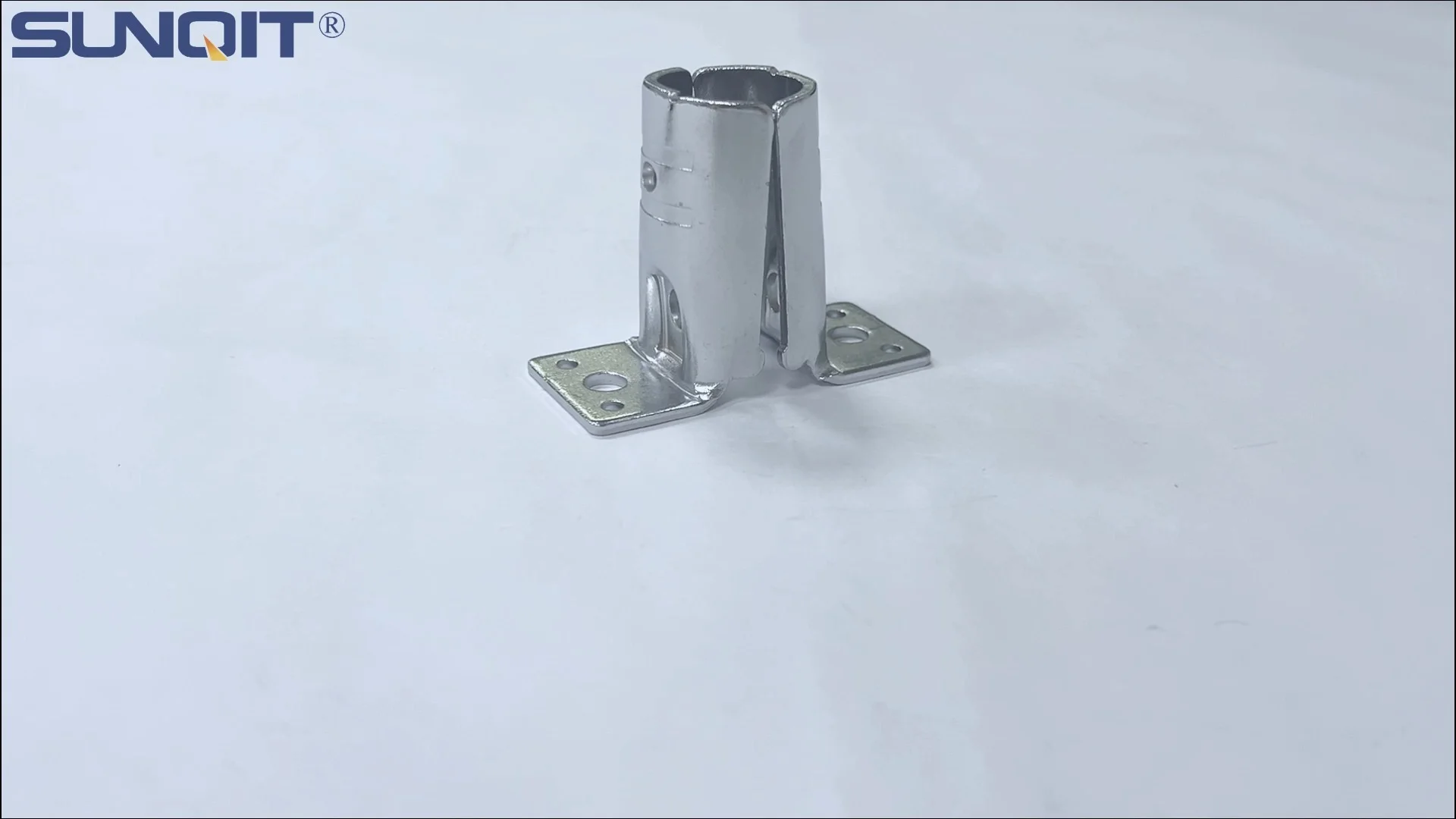
Vertical Lean Pipe Joint Chrome: Aesthetic Benefits for Modern Workstations
In today's fast-paced manufacturing and production environments, the term "workstation" has evolved far beyond a simple table and chair. Modern workstations are dynamic hubs where efficiency, functionality, and yes—even aesthetics—collide to create spaces that inspire productivity and reflect a company's commitment to quality. While lean principles and operational efficiency have long been the cornerstones of workstation design, there's a growing recognition that how a workspace looks directly impacts how it performs. Enter the vertical lean pipe joint chrome: a small but mighty component that's quietly revolutionizing the way we think about workstation aesthetics without compromising on the practicality that lean systems demand.
Picture a bustling assembly line where every tool, part, and process is meticulously optimized for flow. Now, imagine that same line cluttered with mismatched, dull, or poorly finished components—jagged plastic joints here, rusting metal connectors there. It's a jarring contrast, isn't it? Today's manufacturers and facility managers aren't just looking for tools that work; they're seeking solutions that fit —solutions that blend seamlessly into the visual language of their workspace while standing up to the rigors of daily use. This is where vertical lean pipe joint chrome shines—quite literally. In this article, we'll explore how these chrome-plated joints elevate modern workstations, from lean pipe workbenches to flow racks, by merging sleek aesthetics with the durability and flexibility that define lean systems.
The Role of Vertical Lean Pipe Joints in Workstation Design
Before diving into the aesthetic allure of chrome-plated joints, let's first ground ourselves in their functional purpose. Vertical lean pipe joints are the unsung heroes of modular workstation design. These small, often cylindrical connectors serve as the "glue" that holds together the various components of a lean system: think aluminum profile frames, lean pipes, roller tracks, and even accessories like caster wheels. Without reliable joints, the flexibility that makes lean systems so valuable—their ability to be reconfigured, expanded, or repurposed on the fly—would be impossible.
Vertical joints, in particular, are critical for creating stable, upright structures. Whether you're building a material rack with multiple shelves, a workbench with overhead storage, or a flow rack designed to move products smoothly through a line, vertical joints bear the weight, maintain alignment, and ensure that every part of the system stays securely in place. But here's the thing: not all joints are created equal. While some prioritize raw functionality, others—like the vertical lean pipe joint chrome—recognize that form and function can, and should, coexist.
Consider the typical workstation setup: a lean pipe workbench forms the core, with flow racks adjacent to keep materials within arm's reach, and caster wheels allowing for mobility where needed. Each of these elements relies on joints to connect pipes, profiles, and accessories. If those joints are clunky, discolored, or inconsistent in appearance, they become visual distractions. Chrome-plated vertical joints, by contrast, act as subtle design elements that tie the entire system together, creating a cohesive look that feels intentional rather than haphazard.
Aesthetic Benefits of Chrome-Plated Vertical Lean Pipe Joints
Let's start with the obvious: chrome plating is synonymous with shine. There's a reason luxury cars, high-end appliances, and premium tools often feature chrome accents—it adds a layer of polish (pun intended) that instantly elevates the look of any product. When applied to vertical lean pipe joints, this glossy finish transforms an otherwise utilitarian component into something that catches the light and draws the eye—for all the right reasons.
Shine That Stands the Test of Time
Unlike painted or plastic-coated joints, which can fade, chip, or dull over time with exposure to oils, dust, and regular handling, chrome plating is remarkably resilient. The electroplating process bonds a thin layer of chromium to the underlying metal (often steel), creating a surface that resists scratches, corrosion, and tarnishing. This means that even in busy manufacturing environments—where joints are frequently adjusted, cleaned, or bumped—the chrome finish retains its mirror-like shine. Imagine walking into a workshop where every vertical joint gleams under overhead lights, reflecting the clean lines of aluminum profile frames and the smooth surfaces of lean pipe workbenches. It's a far cry from the matte, worn joints of yesteryear, and it sends a clear message: this is a space that values attention to detail.
Seamless Integration with Modern Materials
Modern workstations rarely rely on a single material. Instead, they blend lean pipes, aluminum profiles, and accessories like plastic roller track guide rails to create balanced, functional setups. Chrome-plated vertical joints excel at bridging these materials, acting as neutral, reflective intermediaries that complement rather than compete with their surroundings. For example, when paired with aluminum profile—a material prized for its sleek, silver finish and lightweight strength—chrome joints create a harmonious contrast. The warm glow of chrome offsets the cool tone of aluminum, adding depth without clashing. Similarly, when connected to black ESD wheels or yellow plastic roller tracks, the chrome acts as a unifying element, preventing the color palette from feeling disjointed.
Take the aluminum workbench A, a popular model in many lean systems. Its frame, constructed from aluminum profiles, relies on vertical joints to support the work surface and any overhead storage. Using chrome-plated joints here ensures that the connection points don't detract from the bench's clean, minimalist design. Instead, they enhance it, adding subtle highlights that make the entire structure feel more premium. The same logic applies to flow racks: whether you're using steel roller tracks or plastic guide rails, chrome joints keep the focus on the system's functionality while adding a touch of sophistication.
Consistency and Clean Lines
In design, consistency is key to creating a polished look. Chrome-plated vertical joints offer a level of uniformity that's hard to achieve with other finishes. Because the plating process is highly controlled, each joint comes out with the same high-gloss finish, ensuring that every connection point in your workstation looks identical. This consistency is especially valuable in larger setups—think an entire production line of interconnected lean pipe workbenches and flow racks. With chrome joints, there are no mismatched colors or inconsistent textures to break the visual flow. Instead, you get a series of clean, vertical lines that guide the eye smoothly from one component to the next, creating a sense of order and calm.
Clean lines aren't just about aesthetics, either. They have practical benefits, too. A joint with a smooth, consistent finish is easier to clean—no crevices for dust or debris to hide in—and less likely to snag on gloves, clothing, or materials. This makes maintenance simpler and reduces the risk of workplace accidents, all while keeping the workstation looking sharp.
Practical Advantages That Complement Aesthetics
Of course, aesthetics alone wouldn't be enough to make chrome-plated vertical joints a staple in modern workstations. What truly sets them apart is how their visual appeal is paired with a host of practical advantages that make them a smart choice for lean systems. Let's break down why these joints aren't just pretty—they're hardworking, too.
Durability That Matches the Shine
We touched on this earlier, but it's worth emphasizing: chrome plating isn't just for show. Chromium is one of the hardest metals, and when applied as a plating, it forms a barrier that protects the underlying metal from rust, corrosion, and wear. In environments where joints are exposed to moisture (like cleanrooms or food processing facilities) or chemicals (such as automotive workshops), this resistance is invaluable. Unlike stainless steel joints, which can develop a patina over time, chrome maintains its integrity and appearance, even with minimal maintenance. A quick wipe with a damp cloth is often all it takes to keep chrome joints looking brand new, making them ideal for busy workplaces where time is a precious commodity.
Ease of Assembly and Reconfiguration
Lean systems are built on the principle of flexibility—workstations should be easy to assemble, disassemble, and reconfigure as needs change. Chrome-plated vertical joints excel here. Their smooth, rounded edges (a byproduct of the plating process) make them easy to handle during setup, reducing the risk of scraped knuckles or damaged gloves. Additionally, the precision of the plating ensures that the joint's internal threads or locking mechanisms remain unobstructed, allowing for quick, tool-free adjustments. Whether you're adding a new shelf to a material rack, repositioning a flow rack, or modifying a lean pipe workbench, chrome joints make the process smoother, faster, and less frustrating than working with rough or ill-fitting connectors.
Compatibility with a Wide Range of Accessories
Workstations are only as good as the accessories that enhance them. From caster wheels that add mobility to roller tracks that facilitate material flow, the best lean systems are those that play well with others. Chrome-plated vertical joints are designed to be compatible with a vast array of lean pipe accessories, ensuring that you don't have to sacrifice functionality for aesthetics. For example, attaching a caster wheel to a vertical chrome joint is a breeze—the smooth finish doesn't interfere with the wheel's swivel mechanism, and the joint's strength ensures stable support, even when the workstation is in motion. Similarly, when connecting roller track placon mounts or aluminum guide rails, the precision of the chrome-plated joint ensures a tight, wobble-free fit, which is critical for maintaining the integrity of the flow system.
Consider a turnover trolley equipped with caster wheels and a frame built from lean pipes and aluminum profiles. The vertical joints holding the frame together need to support the trolley's weight, withstand the stress of movement, and still look presentable. Chrome-plated joints do all three, providing a secure connection while adding a touch of shine that makes the trolley feel like a premium piece of equipment rather than a basic utility cart.
Comparing Chrome Joints with Other Finishes
To truly appreciate the aesthetic benefits of vertical lean pipe joint chrome, it helps to compare it with other common joint finishes. Let's take a closer look at how chrome stacks up against plastic, stainless steel, and painted options in terms of appearance, durability, and suitability for modern workstations.
| Finish Type | Aesthetic Appeal | Durability | Maintenance | Best For |
|---|---|---|---|---|
| Chrome-Plated | High-gloss, reflective finish; complements metal and aluminum profiles; consistent shine | Excellent resistance to corrosion, scratches, and tarnishing | Low—wipe clean with a damp cloth; no need for special cleaners | Modern workstations, lean pipe workbenches, flow racks, and high-visibility areas |
| Plastic-Coated | Matte finish; available in limited colors (often black, gray, or yellow); prone to fading | Prone to chipping, cracking, and discoloration with heavy use | Medium—scratches trap dirt; may require frequent cleaning to maintain appearance | Low-budget setups or temporary workstations where aesthetics are a secondary concern |
| Stainless Steel | Satin or brushed finish; less reflective than chrome; can develop a patina over time | Highly durable; resistant to corrosion but prone to fingerprints and smudges | Medium—requires polishing to remove fingerprints; patina may need chemical treatments to reverse | Food processing or medical environments where hygiene is critical |
| Painted | Wide color options; matte or glossy; but prone to chipping and fading | Poor—paint chips easily with handling; color fades with exposure to light | High—touch-ups needed for chips; entire joint may need repainting over time | Custom color-matching projects with low wear-and-tear expectations |
As the table shows, chrome-plated joints stand out for their unbeatable combination of aesthetic appeal and durability. While stainless steel is a strong competitor in terms of longevity, its lack of shine and tendency to show fingerprints make it less ideal for workstations where visual cohesion is a priority. Plastic and painted joints, meanwhile, simply can't match chrome's ability to maintain a consistent, attractive finish over time. For modern workstations that aim to balance form and function, chrome is the clear winner.
Real-World Applications: From Lean Pipe Workbenches to Flow Racks
To better understand how vertical lean pipe joint chrome transforms workstations, let's explore a few real-world scenarios where these joints make a tangible difference. These examples aren't just hypothetical—they're based on common setups found in factories, warehouses, and assembly plants around the world.
Case Study 1: The Lean Pipe Workbench E (Single Deck—Without Caster)
Workbench E is a staple in many lean manufacturing environments. Designed for stationary assembly tasks, it features a single deck (often made of aluminum honeycomb panel or plywood) supported by a frame of lean pipes and aluminum profiles. The vertical joints that connect the frame's uprights to its horizontal supports are critical—they bear the weight of the work surface, tools, and materials, and they define the bench's overall look.
Traditional Workbench E setups often use black plastic or unplated steel joints, which blend into the frame but add little in terms of visual interest. replace those with chrome-plated vertical joints, and the transformation is striking. The chrome accents catch the light, highlighting the bench's clean lines and making the entire structure feel more substantial. Employees working at the bench report feeling more proud of their workspace, and supervisors note that the shiny joints serve as a subtle reminder to keep the area clean—after all, a dusty or cluttered bench would clash with the polished look of the chrome. Additionally, the durability of the chrome finish means that even after months of daily use—with tools leaning against the frame and parts being set down on the edges—the joints still look new, maintaining the bench's professional appearance.
Case Study 2: Material Rack B (3 Row and 3 Floor) with Flow Racks
Material Rack B is designed to hold multiple levels of inventory, with flow racks integrated to allow for first-in, first-out (FIFO) material handling. These racks are often positioned near assembly lines, where quick access to parts is essential. The vertical joints in Material Rack B must support heavy loads (sometimes hundreds of pounds of materials) while maintaining alignment between the rack's uprights and the flow rack's roller tracks.
Chrome-plated vertical joints shine here (again, literally). The rack's aluminum profile frame and yellow plastic roller track guide rails create a bright, energetic color scheme, and the chrome joints act as neutral bridges between these elements. The reflective finish of the joints also helps to brighten the area around the rack, making it easier for workers to identify parts and reducing eye strain. Perhaps most importantly, the precision of the chrome-plated joints ensures that the flow rack's roller tracks remain perfectly aligned, preventing jams and ensuring smooth material flow. In this case, aesthetics and functionality go hand in hand—the joints look good, but they also contribute to the rack's overall performance.
Case Study 3: Mobile Workstations with Caster Wheels
Not all workstations are stationary. Mobile workstations, equipped with caster wheels, allow for on-the-go assembly, maintenance, or material transport. These setups demand joints that can handle the stress of movement (vibration, sudden stops, uneven floors) while still looking presentable. Chrome-plated vertical joints are ideal for this application.
Imagine a mobile workstation used in a large warehouse. It's moved several times a day, parked next to different assembly lines, and occasionally left outside during loading/unloading. Over time, the caster wheels may scuff, and the aluminum profile frame may pick up scratches—but the chrome vertical joints remain unscathed. Their corrosion resistance protects against rain or humidity, and their scratch-resistant finish stands up to bumps from pallet jacks or other equipment. Even when the workstation is covered in dust from the warehouse floor, a quick wipe with a cloth restores the chrome's shine, ensuring that the workstation always looks professional, no matter where it's deployed.
Why Aesthetics Matter in Productivity and Workplace Culture
At this point, you might be thinking, "Sure, chrome joints look nice, but does that really impact productivity?" The answer, according to research and workplace studies, is a resounding yes. Aesthetics play a far more significant role in workplace culture and employee performance than many managers realize.
Consider this: numerous studies have shown that employees are more engaged, motivated, and productive in clean, well-organized, and visually appealing workspaces. A cluttered, drab environment sends a message that the company doesn't value its employees or its processes, leading to lower morale and higher turnover. Conversely, a workspace that feels intentional—with attention to detail in everything from lighting to the finish of workstation joints—creates a sense of pride and ownership. Employees are more likely to take care of a space that feels "nice," leading to cleaner work areas, fewer accidents, and a more positive overall atmosphere.
Chrome-plated vertical joints contribute to this positive culture by elevating the mundane to the meaningful. They turn a simple lean pipe workbench into a symbol of quality, and a material rack into a statement of efficiency. When employees see that their employer is willing to invest in small details like chrome joints, it signals that the company cares about their experience—and that care translates into higher job satisfaction and better performance.
Additionally, aesthetically pleasing workstations are more inviting to visitors, clients, and potential recruits. A factory floor with shiny chrome joints, clean aluminum profiles, and well-organized flow racks tells a story about the company's commitment to excellence. It suggests that if they pay attention to the finish of their workstation joints, they likely pay equal attention to the quality of their products. In a competitive market, this kind of visual storytelling can be a powerful differentiator.
Choosing the Right Supplier for Vertical Lean Pipe Joint Chrome
Of course, not all chrome-plated vertical lean pipe joints are created equal. To reap the full aesthetic and practical benefits, it's essential to choose a reputable supplier—one that prioritizes quality, consistency, and customer support. Here are a few key factors to consider when selecting a supplier:
Plating Quality
The thickness and uniformity of the chrome plating directly impact both appearance and durability. Look for suppliers that use high-quality electroplating processes, with a minimum chrome thickness of 0.0005 inches (12.7 microns). This ensures that the finish is resistant to scratches and corrosion. Ask for samples of the joints to inspect the plating—look for even coverage, no bubbles or pits, and a consistent shine across all surfaces.
Material Compatibility
Ensure that the supplier's chrome-plated joints are compatible with the other components in your lean system, including lean pipes, aluminum profiles, and accessories like caster wheels and roller tracks. A good supplier will provide detailed specifications (thread size, diameter, weight capacity) and may even offer custom solutions if needed.
Consistency in Production
As we discussed earlier, consistency is key to creating a cohesive workstation aesthetic. Choose a supplier with strict quality control processes to ensure that every joint in a batch has the same finish, dimensions, and performance characteristics. Inconsistent plating or sizing can lead to visual mismatches and functional issues during assembly.
Customer Support and Lead Times
Workstation projects often have tight deadlines, so it's important to work with a supplier that offers reliable lead times and responsive customer support. Look for suppliers that have a track record of on-time deliveries and are willing to answer questions about installation, maintenance, or compatibility.
By prioritizing these factors, you can ensure that the vertical lean pipe joint chrome you purchase will deliver on its aesthetic promise, enhancing your workstations for years to come.
Conclusion: Elevating Workstations with Chrome Joints
In the world of lean manufacturing and workstation design, it's easy to focus solely on efficiency and overlook the power of aesthetics. But as we've explored, the two are not mutually exclusive. Vertical lean pipe joint chrome proves that even the smallest components can make a big difference in how workstations look, feel, and perform.
From their mirror-like shine and seamless integration with aluminum profiles to their durability and compatibility with accessories like caster wheels and flow racks, chrome-plated vertical joints offer a rare combination of form and function. They transform ordinary lean pipe workbenches and material racks into extraordinary workspaces that inspire productivity, reflect company values, and make employees proud to come to work.
So, the next time you're designing or upgrading a workstation, don't overlook the joints. Choose chrome-plated vertical lean pipe joints, and elevate your workspace from functional to fantastic.