- Company Articles
- Products and Technology
- Product knowledge
- Vertical Lean Pipe Joint Chrome Compatibility with Different Lean Pipe Materials

Vertical Lean Pipe Joint Chrome Compatibility with Different Lean Pipe Materials
Related Product
Vertical Lean Pipe Joint Chrome
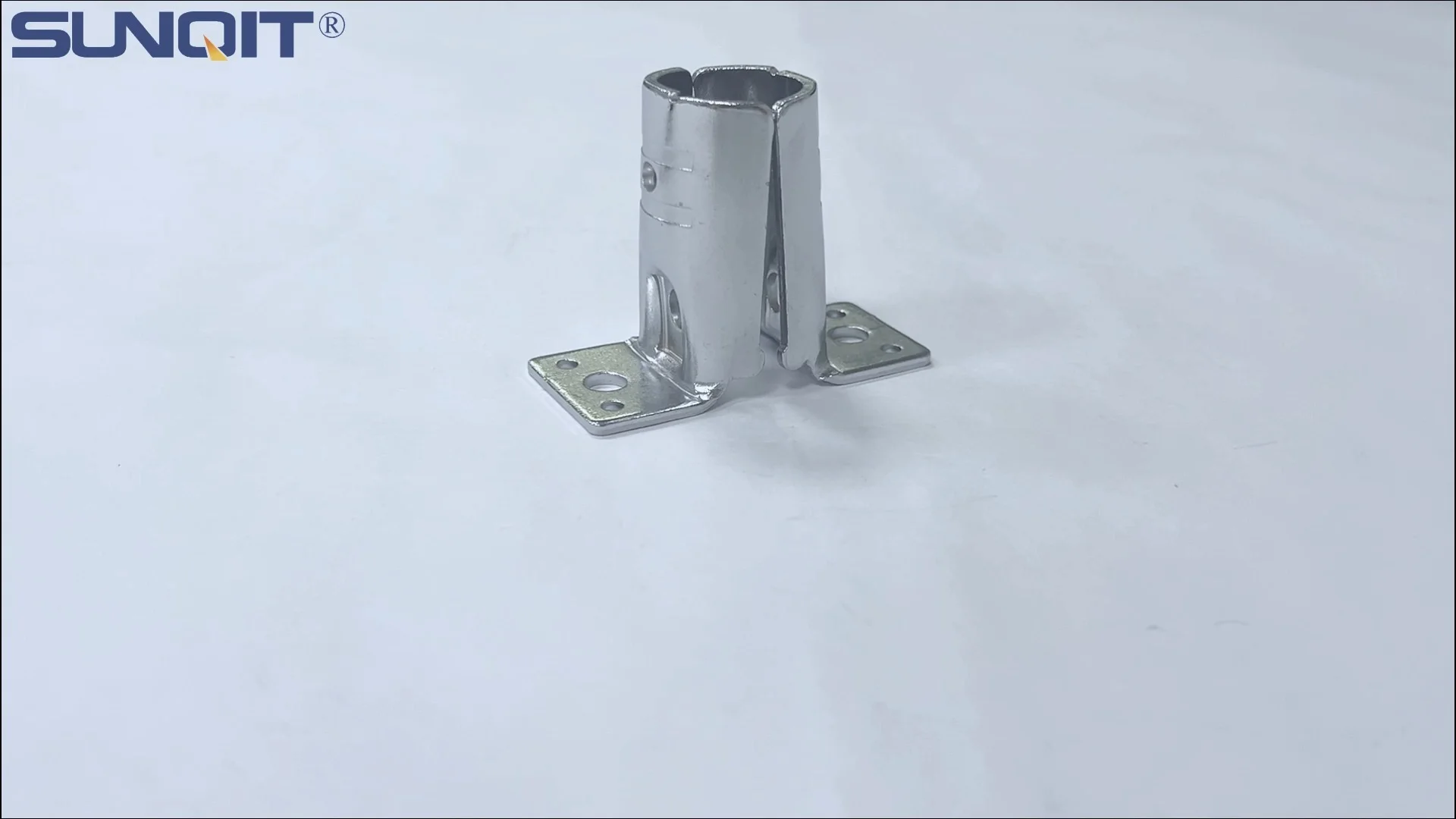
Vertical lean pipe joint is used for 28mm lean pipe fixed on ground and keep it stable.
In the fast-paced world of manufacturing and logistics, efficiency isn't just a buzzword—it's the backbone of success. Every tool, every component, and every system plays a role in keeping operations running smoothly, reducing waste, and maximizing productivity. Among these critical components, lean pipes and their connecting joints stand out as unsung heroes. They form the building blocks of workbenches, material racks, assembly lines, and turnover trolleys—structures that keep materials moving, workers organized, and processes streamlined. But here's the thing: not all pipes and joints are created equal. The magic lies in how well they work together. Today, we're diving deep into one specific joint that's making waves in lean systems: the Vertical Lean Pipe Joint Chrome. More importantly, we'll explore how this versatile joint plays nice (or not) with different lean pipe materials, ensuring your next project isn't just built—it's built to last.
What Is Vertical Lean Pipe Joint Chrome, Anyway?
Before we jump into compatibility, let's get to know our star player: the Vertical Lean Pipe Joint Chrome. At first glance, it might seem like just another metal connector, but a closer look reveals why it's a favorite among facility managers and lean system designers. Crafted from high-quality steel with a chrome plating, this joint is designed to connect vertical lean pipes securely, forming the backbone of structures like workbenches, material racks, and even overhead shelving. The chrome coating isn't just for show—though it does add a sleek, professional finish. It's a functional choice, too: chrome resists rust and corrosion, stands up to daily wear and tear, and ensures smooth, easy adjustments when you need to reconfigure your setup. Think of it as the reliable friend in your lean toolkit—strong, adaptable, and ready to handle whatever the factory floor throws at it.
But what makes it "vertical"? Unlike some joints that excel at horizontal connections or complex angles, the Vertical Lean Pipe Joint Chrome is optimized for straight-up-and-down applications. Its design features a secure clamping mechanism that grips pipes tightly, preventing wobbling or shifting even under heavy loads. Whether you're building a multi-tiered material rack or a sturdy workbench, this joint ensures vertical stability, which is crucial for safety and efficiency. And because it's part of the broader lean pipe system, it plays well with other components—joints, casters, and accessories—making customization a breeze. Now, the question is: which lean pipe materials can this chrome-clad workhorse connect effectively?
A Quick Tour of Common Lean Pipe Materials
Lean pipes come in a variety of materials, each with its own strengths, weaknesses, and ideal use cases. Before we match them with the Vertical Lean Pipe Joint Chrome, let's meet the contenders:
PE Coated Lean Pipe: If you've walked through a warehouse or assembly line, you've probably seen this one. PE (polyethylene) coated lean pipe is the most common type, and for good reason. It's affordable, lightweight, and easy to assemble—no welding required. The outer PE layer is soft yet durable, protecting materials from scratches and reducing noise when parts are moved around. It's the go-to for small to medium-duty applications, like workbenches in electronics manufacturing or turnover trolleys in retail distribution centers. Sizes typically range from 1.0mm to 2.0mm in wall thickness, with 1.2mm and 1.5mm being the most popular choices for everyday use.
Aluminum Lean Pipe: When weight and corrosion resistance are non-negotiable, aluminum lean pipe steps up. Lighter than steel but surprisingly strong, aluminum pipes are perfect for applications where portability matters—think mobile workstations or overhead conveyor systems. They're also a favorite in industries like aerospace or food processing, where cleanliness is key; aluminum resists rust and is easy to sanitize. Plus, with a smooth, modern finish, they add a touch of professionalism to any workspace. Aluminum lean pipe often pairs with aluminum profile accessories, creating sleek, modular systems that look as good as they perform.
Stainless Steel Pipe Series: For the heavy hitters—environments with moisture, chemicals, or extreme temperatures—the stainless steel pipe series is the way to go. Stainless steel is tough, hygienic, and built to withstand harsh conditions, making it ideal for pharmaceutical labs, commercial kitchens, or outdoor storage areas. It's heavier than PE coated or aluminum pipes, but that weight comes with unmatched durability. Whether you're dealing with frequent washdowns or heavy loads (think automotive parts or industrial machinery), stainless steel pipes and their compatible joints won't let you down.

Compatibility Check: How Vertical Lean Pipe Joint Chrome Works with PE Coated Lean Pipe
Let's start with the most common pairing: Vertical Lean Pipe Joint Chrome and PE coated lean pipe. If you're running a small workshop or a startup manufacturing line, chances are you're using PE coated pipes for their affordability and flexibility. So, does the chrome joint play nice here? Short answer: absolutely. But let's break down why.
First, size matters. PE coated lean pipes typically have an outer diameter that's standardized across the industry, and the Vertical Lean Pipe Joint Chrome is designed to match. Whether you're using 1.2mm, 1.5mm, or even 2.0mm PE coated pipe, the joint's inner clamping mechanism is sized to grip the pipe snugly without crushing the PE layer. That's crucial because the PE coating is more than just a protective layer—it's part of what makes these pipes easy to handle and quiet to use. Crush the coating, and you risk damaging the pipe, reducing its lifespan, or creating rough edges that could scratch materials or injure workers. The chrome joint's precision engineering ensures a tight fit that holds firm under load but doesn't compromise the pipe's integrity.
Another plus? The chrome coating on the joint plays well with the PE material. Unlike some uncoated steel joints that might create friction and wear down the PE over time, the smooth chrome surface slides into place easily during assembly and minimizes abrasion during adjustments. Think about it: when you need to reconfigure your workbench to accommodate a new product line, you'll be loosening and re-tightening those joints. With chrome, there's less risk of tearing or wearing away the PE coating, keeping your pipes looking and performing like new longer.
Let's paint a scenario. Imagine you're setting up a workbench for assembling small electronic components. You choose 1.5mm PE coated lean pipes for the frame—light enough to move if needed, but sturdy enough to hold tools, PCBs, and a small soldering station. You use Vertical Lean Pipe Joint Chrome at the corners and vertical supports. When you tighten the joint, the chrome-plated clamp grips the PE coating firmly, creating a stable base. A few months later, you need to add a shelf above the workbench to store extra parts. You loosen the vertical joints, slide the pipes up a few inches, re-tighten, and add the new shelf—no damage to the PE coating, no wobbly connections. That's the beauty of this compatibility: it's not just about initial assembly; it's about long-term adaptability.
Of course, no pairing is perfect. One thing to watch for with PE coated pipes is over-tightening the joint. The PE layer is durable, but it's not indestructible. Cranking the joint too hard can compress the coating, leading to cracks or weak spots over time. The fix? Use a torque wrench or simply apply firm, steady pressure—you want the joint tight enough that the pipe doesn't rotate, but not so tight that you're straining the material. Most manufacturers recommend a specific torque range, so check the specs if you're unsure. Trust us, a little patience here goes a long way in extending the life of both your pipes and joints.

Aluminum Lean Pipe and Chrome Joints: A Match Made in Lean Heaven?
Next up: aluminum lean pipe. If you're in an industry where weight and corrosion resistance are priorities—like aerospace manufacturing or cleanroom environments—aluminum is likely your material of choice. So, how does the Vertical Lean Pipe Joint Chrome hold up here? Let's dive in.
Aluminum lean pipe is known for being lightweight and easy to handle, but that lightness can sometimes make people worry about stability. Enter the Vertical Lean Pipe Joint Chrome. The chrome joint's clamping mechanism is designed to grip aluminum pipes securely without damaging their surface. Unlike some rough, uncoated joints that might scratch or mar aluminum, the smooth chrome finish minimizes friction, ensuring a tight connection that won't leave marks. That's a big deal if you're using aluminum for its aesthetic appeal—say, in a customer-facing area or a high-tech lab where presentation matters.
Another advantage? Aluminum lean pipe often pairs with aluminum profile accessories, and the Vertical Lean Pipe Joint Chrome fits right into this ecosystem. Whether you're adding a side guard to a material rack or a board holder to a workbench, the joint's compatibility with aluminum pipes ensures that all components work together seamlessly. For example, let's say you're building a mobile workstation for a medical device assembly line. You use aluminum lean pipes for the frame (light enough for nurses to move, corrosion-resistant for frequent cleaning) and Vertical Lean Pipe Joint Chrome to connect the vertical supports. Add a few aluminum guide rails for sliding bins, and you've got a system that's not just functional—it's tailored to your specific needs.
But wait—aluminum is softer than steel. Does that mean the chrome joint could potentially dent or deform the pipe? Not if you use the right technique. The key is to tighten the joint gradually, distributing pressure evenly around the pipe. The chrome joint's design spreads the clamping force, so you get a secure hold without concentrating stress on one spot. Think of it like a handshake: firm but not crushing. With proper installation, the aluminum pipe and chrome joint will form a bond that lasts through countless adjustments and heavy use.
Taking on Tough Conditions: Vertical Lean Pipe Joint Chrome and Stainless Steel Pipe Series
Now, let's tackle the heavyweight division: Vertical Lean Pipe Joint Chrome and stainless steel pipe series. When you're dealing with environments that are wet, corrosive, or just plain tough, stainless steel pipes are non-negotiable. So, does the chrome joint have what it takes to keep up?
First, let's talk about material compatibility. Both stainless steel pipes and chrome-plated joints are resistant to corrosion, but it's important to ensure they're a good chemical match. Stainless steel contains chromium, which forms a protective oxide layer, while chrome plating adds another layer of defense. Together, they create a system that can stand up to moisture, chemicals, and even saltwater (making stainless steel pipe series a favorite for marine or coastal applications). Unlike some joints that might react with stainless steel over time, the chrome coating on our vertical joint is inert, so you won't have to worry about galvanic corrosion or weakening connections.
Load capacity is another key factor. Stainless steel pipes are heavier and often used for heavier loads—think stacks of metal parts, industrial machinery, or large storage racks. The Vertical Lean Pipe Joint Chrome is up to the task here, too. Its steel core and reinforced clamping mechanism can handle higher weight limits than plastic or uncoated joints, ensuring that even under heavy stress, the connection stays tight. For example, a pharmaceutical facility using stainless steel material racks to store large vats of chemicals needs joints that won't bend or loosen over time. The chrome joint's strength, paired with stainless steel's rigidity, creates a system that's not just safe—it's reliable, day in and day out.
One thing to note with stainless steel pipes is their thickness. They're often thicker-walled than PE coated or aluminum pipes (think 1.5mm to 2.0mm or more), which means the joint's inner diameter needs to accommodate that. Fortunately, most manufacturers design Vertical Lean Pipe Joint Chrome with adjustable clamping mechanisms, so you can fine-tune the fit for thicker stainless steel pipes. It's like having a wrench that fits multiple bolt sizes—versatile enough to handle whatever comes its way.
The Compatibility Table: At a Glance
| Lean Pipe Material | Key Features | Vertical Lean Pipe Joint Chrome Compatibility | Best For | Potential Considerations |
|---|---|---|---|---|
| PE Coated Lean Pipe | Affordable, lightweight, PE coating for protection | Excellent—standard sizing, smooth chrome minimizes coating wear | Small workshops, electronics assembly, turnover trolleys | Avoid over-tightening to prevent coating damage |
| Aluminum Lean Pipe | Lightweight, corrosion-resistant, sleek finish | Great—chrome coating prevents scratching, even pressure distribution | Mobile workstations, cleanrooms, aerospace manufacturing | Ensure proper torque to avoid denting softer aluminum |
| Stainless Steel Pipe Series | Heavy-duty, corrosion-resistant, high load capacity | Excellent—chrome and stainless steel resist corrosion, adjustable clamp for thick walls | Pharmaceutical labs, commercial kitchens, outdoor storage | Check for proper diameter fit with thicker pipes |
Real-World Wins: How Compatibility Boosts Efficiency
Numbers and specs are great, but nothing tells the story like real-world examples. Let's look at how the right combination of Vertical Lean Pipe Joint Chrome and lean pipe materials has transformed operations for businesses across industries.
Take a mid-sized automotive parts manufacturer we worked with last year. They were using basic plastic joints with PE coated pipes for their assembly line racks, but they kept running into issues: joints would loosen, pipes would bend under the weight of heavy car parts, and reconfiguring the line for new products took hours. We recommended switching to Vertical Lean Pipe Joint Chrome with 1.5mm PE coated lean pipes. The result? The chrome joints held tight even with daily use, reducing downtime from loose connections by 40%. Plus, the smooth chrome finish made adjustments faster—workers could loosen and reposition joints in minutes, not hours. The plant manager told us, "It's like night and day. We're not just saving time; we're saving our sanity."
Then there's the commercial bakery that switched to stainless steel pipe series with chrome joints for their ingredient storage racks. Previously, they'd used aluminum pipes, but frequent washdowns were causing corrosion, and the joints would seize up. The stainless steel and chrome combo solved both problems: the racks resisted rust, and the joints stayed smooth and adjustable, even after daily exposure to water and cleaning chemicals. Now, they can reorganize their flour and sugar bins in minutes, and the racks look as good as new after two years of use.
Tips for Choosing the Right Pairing for Your Needs
So, how do you decide which lean pipe material to pair with Vertical Lean Pipe Joint Chrome? Here are a few questions to ask yourself:
What's the load? If you're storing heavy items (think metal parts or machinery), stainless steel or thick-walled PE coated pipes are your best bet. For lighter loads (electronics, small tools), aluminum or standard PE coated pipes work great.
What's the environment like? Moisture, chemicals, or extreme temperatures call for stainless steel. Cleanrooms or areas where aesthetics matter? Aluminum's sleek finish is a winner. Dry, low-key environments? PE coated pipes keep costs down.
Will you need to reconfigure often? If your system needs to adapt to new products or layouts, PE coated or aluminum pipes with chrome joints are ideal—they're easy to adjust without damaging the materials.
And don't forget to consult a lean pipe supplier you trust. A good supplier can help you match pipe thickness, joint types, and materials to your specific needs, ensuring you don't overspend on heavy-duty materials when you don't need them—or skimp on durability when you do.
Troubleshooting Common Compatibility Hiccups
Even with the best planning, you might run into a few bumps. Here's how to fix common issues:
Loose connections with PE coated pipes: This is usually due to under-tightening. Try snugging the joint a bit more (but don't overdo it!). If the problem persists, check if the PE coating is worn—if so, replacing the pipe section should solve it.
Scratches on aluminum pipes: Use a rubber mallet when assembling to avoid dents, and make sure the joint's clamping surface is clean (no debris that could scratch). If you do see scratches, a quick wipe with aluminum polish can restore the finish.
Corrosion on stainless steel joints: This is rare, but if it happens, check if the chrome plating is damaged. A small touch-up with chrome spray paint can prevent further issues.
Final Thoughts: Building a System That Lasts
At the end of the day, the compatibility between Vertical Lean Pipe Joint Chrome and different lean pipe materials isn't just about mechanics—it's about building a system that grows with your business. Whether you're using PE coated pipes for a startup workshop, aluminum for a high-tech lab, or stainless steel for a tough industrial setting, the right joint can turn a basic structure into a lean, mean, efficiency machine. So, take the time to evaluate your needs, consult the experts, and choose materials that work together. Your future self (and your bottom line) will thank you.
Remember, in lean manufacturing, every component counts. And with Vertical Lean Pipe Joint Chrome and the right lean pipe material by your side, you're not just building structures—you're building success.