- Company Articles
- Products and Technology
- Product knowledge
- Vertical Lean Pipe Joint Chrome for Flexible Production Lines: Adaptability Guide

Vertical Lean Pipe Joint Chrome for Flexible Production Lines: Adaptability Guide
Related Product
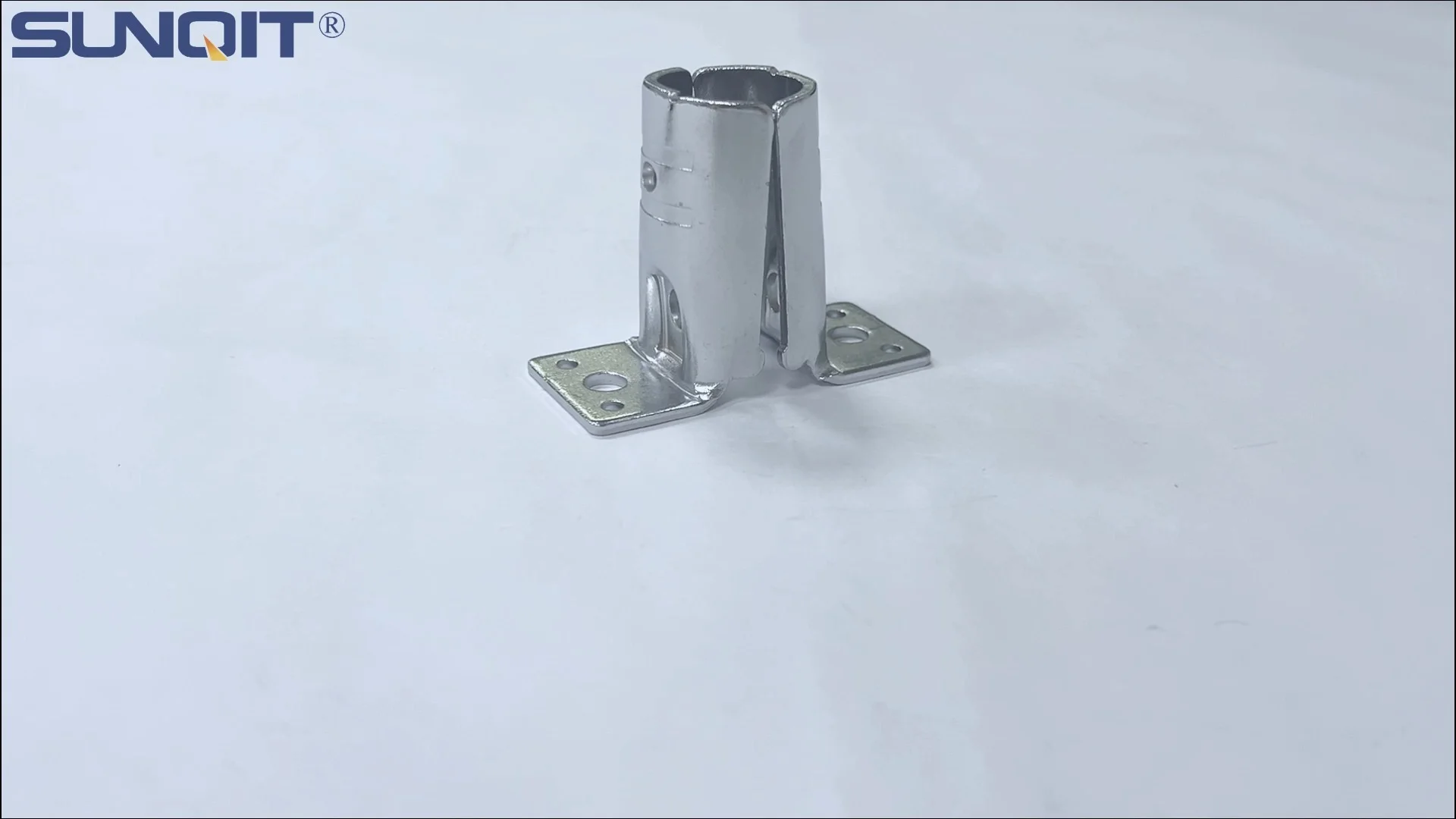
Vertical Lean Pipe Joint Chrome
Vertical lean pipe joint is used for 28mm lean pipe fixed on ground and keep it stable.
In the fast-paced world of manufacturing, where change is the only constant, the backbone of efficient production lies in flexibility. A production line that can pivot quickly—whether to accommodate a new product design, scale up output, or streamline workflows—doesn't just save time; it saves businesses. At the heart of this flexibility are the unsung heroes of lean systems: components that quietly hold everything together while allowing for endless reconfiguration. Among these, the vertical lean pipe joint chrome stands out as a small but mighty tool, proving that even the tiniest parts can drive big improvements in how factories and warehouses operate.
If you've ever walked through a well-organized workshop, you've likely seen the results of a well-designed lean system: workbenches that adjust to worker heights, flow racks that keep materials moving smoothly, and conveyors that adapt to shifting production needs. What you might not have noticed is the critical role played by joints like the vertical lean pipe joint chrome. These unassuming connectors are the reason those structures can be built, modified, and rebuilt with minimal hassle. They turn rigid metal pipes into modular building blocks, empowering teams to create custom solutions that grow with their business.
What Is a Vertical Lean Pipe Joint Chrome?
Let's start with the basics. A vertical lean pipe joint chrome is a specialized connector designed to join lean pipe (also known as "lean tube") in vertical configurations. Crafted from durable metal with a chrome-plated finish, it's built to withstand the daily wear and tear of industrial environments—think heavy loads, constant adjustments, and exposure to dust or moisture. But its real strength isn't just in durability; it's in its simplicity.
Unlike fixed welding or permanent fasteners, this joint uses a straightforward clamping mechanism. Slide the lean pipe into the joint, tighten the bolt, and you've got a secure connection. Loosen the bolt, and you can reposition the pipe, rotate it, or even disassemble the entire structure—all without cutting, welding, or specialized tools. For manufacturers juggling multiple product lines or seasonal demands, this flexibility is a game-changer. It transforms static workspaces into dynamic ecosystems where every inch of space is optimized for what matters most: getting work done.
Why Chrome? The Hidden Benefits of the Finish
You might wonder: Why chrome? The answer lies in both function and longevity. Chrome plating isn't just about shine (though it does give the joint a clean, professional look); it's a protective layer that resists corrosion, rust, and scratches. In busy production areas where spills, humidity, or chemical exposure are common, this resistance ensures the joint stays functional for years. A rusted or degraded joint could compromise the stability of an entire workbench or flow rack, leading to downtime or safety risks. With chrome, that worry fades—even in environments like food processing or automotive assembly, where cleanliness and durability are non-negotiable.
Beyond protection, chrome makes maintenance a breeze. Wiping down the joint with a damp cloth removes dust and grime, keeping it looking and working like new. For teams that don't have time for complicated upkeep, this low-maintenance feature is a quiet win, freeing up hours that would otherwise be spent on repairs or replacements.

The Role of Vertical Lean Pipe Joint Chrome in Lean Systems
Lean manufacturing isn't just a buzzword; it's a philosophy centered on eliminating waste—whether that's wasted time, space, or resources. A lean system is designed to be efficient, adaptable, and worker-centric, and the vertical lean pipe joint chrome embodies all three principles. Here's how:
Efficiency Through Modularity
Traditional production setups often rely on fixed, one-size-fits-all equipment. A workbench built with welded steel, for example, might serve its purpose for years—but if your team needs to add a shelf, lower the height, or move it to a new location, you're stuck. With lean pipe and vertical chrome joints, that's not the case. Workers can assemble a basic workbench in hours, then tweak it as needs change. Need an extra tier for tools? Add a horizontal pipe using a T-joint. Want to roll it to a new station? Attach casters to the base. The joint turns "permanent" into "temporary," so nothing in your workspace is ever set in stone.
Adaptability to Workflows
Every production line has unique rhythms. In electronics assembly, for instance, components are small and require precise handling; in automotive manufacturing, parts are heavier and need to flow quickly from station to station. The vertical lean pipe joint chrome adapts to these rhythms by supporting a range of structures. Pair it with flow rack components, and you've got a gravity-fed system that keeps materials moving to workers, reducing the need for manual lifting. Combine it with conveyor rails, and you can build custom material transport paths that align with how your team works—not the other way around.
Worker-Centric Design
At the end of the day, production lines are run by people—and people come in different shapes, sizes, and working styles. A workbench that's too high for one operator leads to fatigue; one that's too low causes strain. The vertical lean pipe joint chrome lets teams adjust heights and layouts to fit individual needs. A quick loosen of the bolt, a slight repositioning of the pipe, and suddenly the workspace feels tailor-made. Happier, more comfortable workers aren't just a nice bonus—they're more productive, too.

Adaptability in Action: Real-World Applications
To truly understand the value of the vertical lean pipe joint chrome, let's look at how it performs in three common production scenarios: workbenches, flow racks, and conveyor systems. These are the backbone of most manufacturing and warehousing operations, and in each, the joint proves its adaptability.
1. Workbenches: The Heart of the Workshop
A workbench isn't just a table—it's where the magic happens. Whether it's assembling circuit boards, packing orders, or inspecting finished goods, the right workbench can make or break productivity. With the vertical lean pipe joint chrome, building a workbench that fits your needs is straightforward. Start with a frame of lean pipes, connected vertically and horizontally using chrome joints. Add a wooden or metal top, and you've got a basic setup. But here's where the adaptability shines:
- Height Adjustment: Workers of different heights can tweak the vertical joints to raise or lower the bench, reducing strain on shoulders and backs.
- Accessory Integration: Add tool hooks, overhead shelves, or bin holders by attaching extra pipes to the vertical joints. No need for drilling or adhesives—just clamp and go.
- Portability: Mount casters to the base (using, you guessed it, more joints) to turn a stationary bench into a mobile workstation that can follow the workflow.
Consider a small electronics manufacturer that recently expanded its product line. Overnight, they needed workbenches that could handle both tiny microchips and larger circuit boards. Instead of buying new benches, they reconfigured their existing ones using vertical chrome joints—adding extra shelves for tools, lowering some benches for seated work, and raising others for standing assembly. The result? Zero downtime and a workshop that felt like it was designed for the new products, not retrofitted.
2. Flow Racks: Keeping Materials Moving
In warehouses and production lines, stagnant materials are wasted time. Flow racks solve this by using gravity to feed materials from the back to the front, ensuring workers always have what they need at their fingertips. The vertical lean pipe joint chrome is critical here, as it forms the sturdy vertical supports that hold the rack's horizontal rails (where the materials slide). But flow racks aren't one-and-done—product sizes change, order volumes fluctuate, and storage needs evolve. The joint makes reconfiguration simple:
- Adjustable Shelf Heights: If a new product is taller than the last, loosen the vertical joints, slide the horizontal rails up, and retighten. No need to rebuild the entire rack.
- Variable Depth: Add or remove vertical supports to widen or narrow the rack, accommodating bulkier items or freeing up floor space.
- Modular Expansion: Connect multiple flow racks side by side using vertical joints, creating a seamless material flow system that grows with your inventory.
A clothing manufacturer, for example, faced seasonal spikes in demand for bulky winter coats. Their existing flow racks, built with vertical chrome joints, were originally designed for lightweight t-shirts. Instead of investing in new racks, they adjusted the vertical supports to increase shelf spacing, allowing coats to hang without wrinkling. When summer came, they simply lowered the shelves back down—no tools, no hassle, just a quick tweak that saved them thousands in new equipment costs.
3. Conveyor Systems: Streamlining Material Transport
Conveyors are the arteries of production lines, moving parts from one station to the next with minimal human effort. But not all conveyors are created equal. Rigid, fixed conveyors work well for repetitive tasks, but they falter when production needs shift. Enter modular conveyors built with lean pipe and vertical chrome joints. These systems are lightweight, customizable, and surprisingly robust:
- Curved or Straight Paths: Vertical joints allow for the creation of supports that can bend around corners, making it easy to route conveyors around obstacles or between workstations.
- Height Matching: Align conveyors with workbench heights by adjusting vertical supports, ensuring parts glide smoothly from the line to the operator's hands.
- Quick Disassembly: If a production line is temporarily shut down or rearranged, the conveyor can be taken apart, stored, and reassembled elsewhere—no permanent installation required.
A furniture manufacturer learned this lesson when they introduced a new line of office chairs. Their existing conveyor was too low to feed parts into the chair assembly station, causing workers to bend over repeatedly. Using vertical lean pipe joint chrome, they built a raised conveyor section in a day, matching the height of the assembly bench. When the chair line expanded six months later, they extended the conveyor by adding more vertical supports—proving that adaptability isn't just about reacting to change, but anticipating it.
Comparing Applications: How the Joint Delivers Value
| Application | Key Role of Vertical Lean Pipe Joint Chrome | Adaptability Benefit |
|---|---|---|
| Workbenches | Forms vertical supports; connects horizontal pipes for shelves/accessories | Adjust heights and add features without rebuilding |
| Flow Racks | Supports vertical; holds horizontal rails for material flow | Modify shelf heights/depth for changing product sizes |
| Conveyors | Builds vertical supports for conveyor rails; allows path customization | Route conveyors around obstacles; adjust height for workstations |
Key Features That Make the Vertical Lean Pipe Joint Chrome Indispensable
It's easy to take a small component like a joint for granted, but the vertical lean pipe joint chrome's design is packed with features that make it a standout choice for flexible production lines. Here's what sets it apart:
1. Universal Compatibility
Most lean pipe systems use standard pipe diameters (typically 28mm or 30mm). The vertical chrome joint is designed to fit these standard sizes, meaning it works seamlessly with pipes from any reputable lean pipe supplier . This universality is critical for businesses that might source components from multiple vendors or inherit existing lean systems—no need to worry about mismatched parts.
2. Secure, Vibration-Resistant Grip
In a busy production line, vibrations are inevitable—from machinery, foot traffic, or materials moving along conveyors. A loose joint could spell disaster, leading to wobbly workbenches or collapsed racks. The vertical chrome joint's clamping mechanism (often a hex bolt or cam lever) creates a tight, friction-based grip that holds firm even under constant vibration. Workers can trust that the structures they build will stay stable, shift after shift.
3. Reusability
Unlike glue, welding, or one-time-use fasteners, the vertical lean pipe joint chrome is built to be reused. Disassemble a workbench today, and those same joints can build a flow rack tomorrow. This reusability cuts down on waste and reduces the need to buy new components every time the production line changes—good for the planet and the bottom line.
4. Corrosion Resistance
We touched on this earlier, but it's worth repeating: the chrome plating isn't just for looks. In environments where moisture, oils, or chemicals are present (like automotive shops or food processing plants), chrome resists rust and corrosion, extending the joint's lifespan. A joint that lasts longer means fewer replacements, less downtime, and lower maintenance costs over time.
Tips for Maximizing Adaptability: Installation and Maintenance
To get the most out of your vertical lean pipe joint chrome, a little care goes a long way. Here are some practical tips for installation and maintenance that will keep your joints (and your production line) performing at their best:
Installation: Get It Right the First Time
- Use the Right Tools: Most vertical joints require a hex key or wrench to tighten. Using the correct size ensures you don't strip the bolt or damage the joint.
- Don't Over-Tighten: A snug fit is key, but cranking the bolt too hard can warp the joint or crack the pipe. Tighten until the pipe doesn't rotate, then stop.
- Check Alignment: Before finalizing, ensure vertical pipes are straight and horizontal components are level. A misaligned joint can throw off the entire structure's stability.
Maintenance: Keep Them Working Smoothly
- Clean Regularly: Wipe joints with a dry cloth to remove dust and debris. For greasy environments, a mild detergent (avoid harsh chemicals) can cut through grime without damaging the chrome.
- Inspect for Wear: Every few months, check bolts for looseness and chrome plating for scratches or chips. A loose bolt is easy to tighten; a damaged joint should be replaced to avoid failure.
- Lubricate Moving Parts: If your joint has rotating components, a drop of machine oil on the bolt threads can prevent seizing, making adjustments smoother.
Choosing the Right Supplier: Why Quality Matters
Not all vertical lean pipe joint chrome products are created equal. The difference between a reliable joint and a shoddy one can mean the difference between a production line that adapts effortlessly and one that's constantly breaking down. When selecting a lean pipe supplier , look for these qualities:
- Material Quality: Opt for joints made from high-grade steel with thick chrome plating. Cheaper materials may corrode or bend under heavy loads.
- Consistency: A good supplier ensures every joint meets strict size and performance standards. Inconsistent sizing can lead to loose fits or wobbly structures.
- Range of Options: Look for suppliers that offer a full line of lean pipe accessories (joints, pipes, casters, etc.). This ensures compatibility and makes it easy to source all your components from one place.
- Customer Support: Choose a supplier that can help you troubleshoot or recommend configurations. A team that understands lean systems will save you time and frustration.
Remember: A slightly higher upfront cost for quality joints will pay off in the long run, with fewer replacements and less downtime. Don't cut corners on components that hold your entire production line together.
Conclusion: The Power of Small Components in Big Change
In the grand scheme of manufacturing, the vertical lean pipe joint chrome might seem. It's small, unassuming, and rarely gets the spotlight. But in the hands of teams focused on flexibility and efficiency, it becomes a tool for transformation. It turns rigid production lines into adaptable ecosystems, where change isn't a disruption—it's an opportunity.
Whether you're building a workbench that adjusts to your team's needs, a flow rack that grows with your inventory, or a conveyor that bends around your unique workspace, the vertical lean pipe joint chrome is there, quietly enabling it all. It's a reminder that in manufacturing, as in life, the most impactful solutions often come from the simplest ideas: build smart, stay flexible, and never stop adapting.
So the next time you walk through your production line, take a moment to notice the joints holding it all together. They might not look like much, but they're the reason your business can keep up with the pace of change. And in today's world, that's not just an advantage—it's everything.