- Company Articles
- Products and Technology
- Product knowledge
- Vertical Lean Pipe Joint Chrome in Medical Device Workstations: Hygiene Advantages

Vertical Lean Pipe Joint Chrome in Medical Device Workstations: Hygiene Advantages
Related Product
Vertical Lean Pipe Joint Chrome
Vertical lean pipe joint is used for 28mm lean pipe fixed on ground and keep it stable.
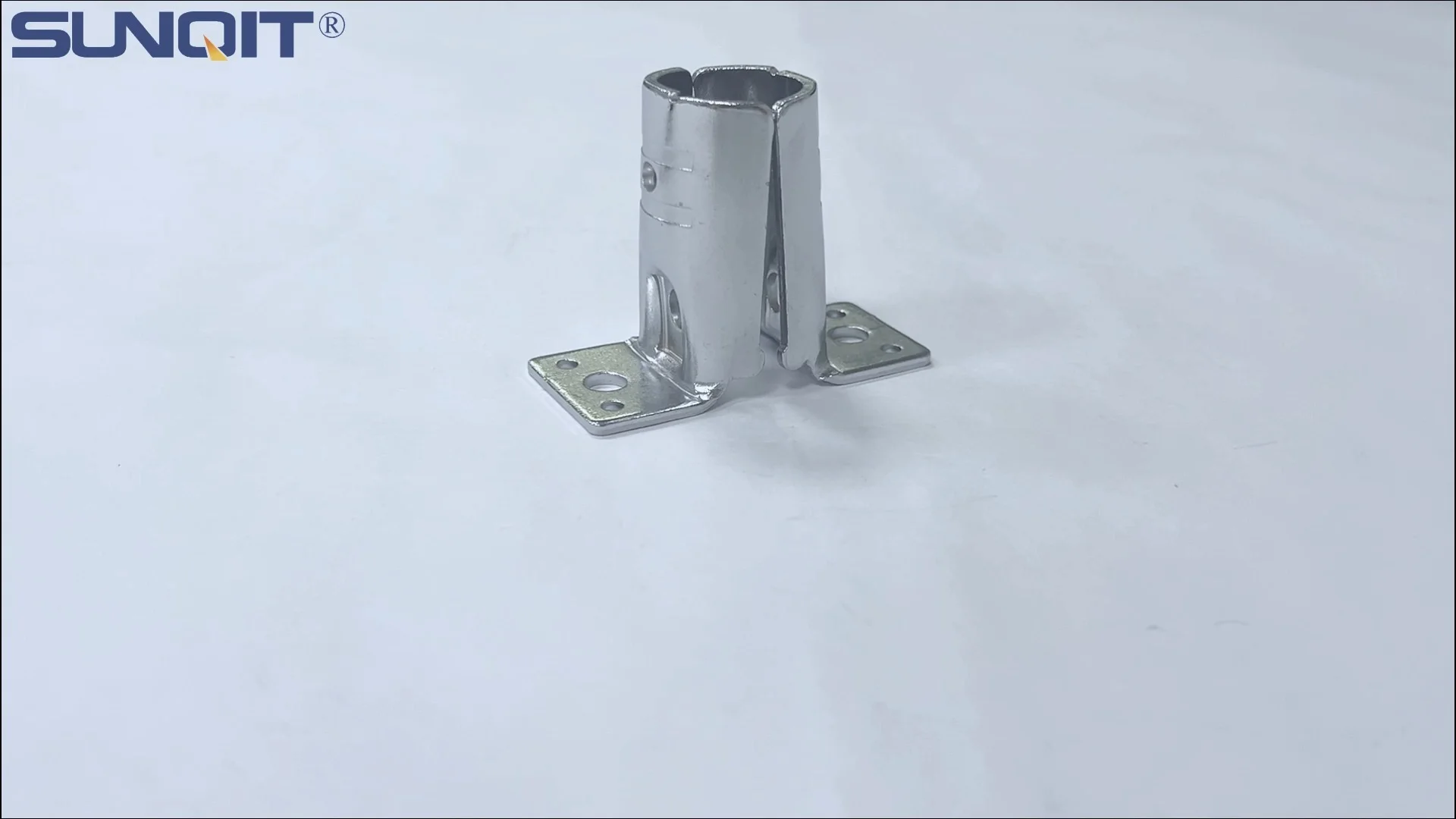
In the world of medical device manufacturing, every detail matters. From the precision of surgical instruments to the reliability of diagnostic equipment, the stakes are incredibly high—patient health and safety depend on it. One area that often flies under the radar but plays a critical role in ensuring quality is the design of workstations where these life-saving devices are assembled, tested, and packaged. Among the many components that make up these workstations, the vertical lean pipe joint chrome stands out as a quiet hero, particularly when it comes to maintaining the strict hygiene standards required in medical settings. In this article, we'll explore why this unassuming component has become a cornerstone of modern medical device workstations, diving into its unique hygiene advantages, how it integrates with other essential tools like ESD workstations , and why it outperforms alternative materials in keeping production lines clean and compliant.
The Unique Demands of Medical Device Manufacturing
Before we dive into the specifics of vertical lean pipe joint chrome, let's set the stage: medical device manufacturing is not like any other industry. Unlike consumer electronics or automotive parts, even the smallest trace of contamination—a single bacterium, a speck of dust, or a hair—can compromise a device's safety. Imagine a pacemaker with a microscopic flaw in its casing, or a surgical scalpel with hidden bacteria in a crevice; these scenarios aren't just hypothetical—they're why regulatory bodies like the FDA (Food and Drug Administration) and ISO (International Organization for Standardization) enforce such rigorous standards for cleanliness and sterility.
Hygiene in medical manufacturing isn't just about "being clean"—it's about sustained cleanliness. Workstations are used around the clock, with operators handling parts, tools, and packaging materials. Spills happen, disinfectants are applied multiple times a day, and surfaces are subjected to constant wear and tear. Add to this the need for flexibility: medical device production lines often shift between different products (e.g., from syringes to catheters to imaging machine components), requiring workstations that can be reconfigured quickly without sacrificing hygiene. Throw in the need for ESD protection (electrostatic discharge can damage sensitive electronic components in devices like heart monitors or MRI machines), and it's clear: workstation design in this industry is a balancing act of hygiene, functionality, and safety.
Why Workstation Design Matters for Hygiene
At first glance, a workstation might seem like little more than a table with some shelves. But in medical manufacturing, every inch of that "table" is a potential risk point. Traditional workstations, made with wood, plastic, or even uncoated metal, often have rough edges, seams, or porous surfaces where bacteria, dust, or debris can hide. A single scratch in a plastic shelf, for example, can become a breeding ground for pathogens like Staphylococcus aureus or E. coli , even after cleaning. Similarly, metal surfaces that aren't properly treated can rust when exposed to the harsh disinfectants used in medical facilities, creating flaky, contaminated particles that could end up on a device.
This is where modular lean pipe systems come into play. Built from lightweight, durable pipes and joints, these systems are designed to be flexible—easily adjusted, extended, or reconfigured to fit changing production needs. But not all lean pipe components are created equal. When it comes to hygiene, the type of joint used to connect pipes is especially critical. Joints are the "hinges" of the system, holding pipes together to form shelves, frames, or work surfaces. If a joint has gaps, rough edges, or a coating that wears off, it becomes a hygiene liability. This is why the vertical lean pipe joint chrome has emerged as a preferred choice: its design and materials address the unique hygiene challenges of medical device manufacturing.

What Is a Vertical Lean Pipe Joint Chrome?
Let's start with the basics: a vertical lean pipe joint chrome is a specialized connector used in lean pipe systems to join pipes at vertical angles (think: connecting a vertical support pipe to a horizontal shelf or workbench surface). What sets it apart is its chrome plating—a thin layer of chromium applied to the surface of the joint via electroplating. Chromium is a hard, corrosion-resistant metal, and when plated onto a base material (often steel), it creates a smooth, shiny surface that's both durable and easy to clean. The "vertical" designation refers to its primary use in upright connections, though it can often be adapted for other angles with the right accessories.
But why chrome? Chrome plating offers two key benefits for medical settings: first, it creates an extremely smooth surface. Unlike painted or powder-coated joints, which can have tiny imperfections or pinholes, chrome plating is uniform and mirror-like, leaving no crevices for bacteria to cling to. Second, chromium is inherently resistant to corrosion. Medical facilities use strong disinfectants—like quaternary ammonium compounds, hydrogen peroxide, or even bleach—to kill pathogens. Many materials, including uncoated steel or plastic, break down when exposed to these chemicals over time. Chrome, however, stands up to repeated cleaning, maintaining its integrity and hygiene properties for years.
The design of the joint itself also matters. Vertical lean pipe joints are typically engineered with minimal crevices. Instead of complex, multi-part designs with screws or bolts that can loosen and trap debris, these joints often use a friction-fit or cam-lock mechanism, where the pipe slides into the joint and is secured with a tight, smooth connection. This reduces the number of "hiding spots" for contaminants, making the joint easier to wipe down and disinfect.

Hygiene Advantages: Why Chrome-Plated Vertical Joints Excel
Now, let's dig into the specific hygiene benefits that make vertical lean pipe joint chrome a standout choice for medical device workstations. These advantages aren't just theoretical—they're backed by real-world performance in sterile manufacturing environments.
1. Smooth, Non-Porous Surface: No Place for Bacteria to Hide
Bacteria love rough surfaces. A 2019 study in the Journal of Hospital Infection found that surfaces with even microscopic grooves or pores can harbor up to 10 times more bacteria than smooth surfaces, even after cleaning. The chrome plating on vertical lean pipe joints eliminates this risk. The electroplating process creates a surface so smooth that bacteria, dust, and liquids simply slide off rather than adhering. This is especially critical in wet environments—like workstations where parts are cleaned with water or disinfectant sprays—where standing moisture can otherwise become a breeding ground for mold or mildew.
To put it in perspective: imagine wiping down a traditional plastic joint with a cloth. If the plastic has even a tiny scratch, the cloth might miss debris trapped inside. With a chrome-plated joint, the smooth surface allows the cloth (or disinfectant wipe) to make full contact, leaving no residue behind. This reduces the risk of cross-contamination between shifts or product runs—essential when switching from assembling surgical tools to packaging diagnostic test kits, for example.
2. Corrosion Resistance: Stands Up to Harsh Disinfectants
Medical device manufacturers don't mess around with cleaning. Daily protocols often involve wiping down workstations with high-concentration disinfectants, and weekly deep cleans may use steam, UV light, or even chemical fogging. These processes are tough on materials: plastic joints can become brittle and crack, painted metal can chip, and uncoated steel can rust. Rust, in particular, is a major concern—it flakes off into tiny particles that can contaminate devices or irritate workers' skin.
Chrome plating acts as a barrier between the underlying metal (usually steel) and the environment. Chromium is highly resistant to oxidation, meaning it doesn't rust or corrode when exposed to water, acids, or alkalis—common ingredients in medical disinfectants. In fact, chrome-plated surfaces are so durable that they're often used in hospital operating rooms, where equipment is subjected to daily disinfection. For medical device workstations, this means the vertical lean pipe joint chrome will maintain its integrity for years, even with aggressive cleaning schedules.
3. Easy to Clean: Saves Time and Reduces Human Error
In busy manufacturing facilities, time is money. The easier a workstation is to clean, the more likely workers are to do it thoroughly and consistently. Chrome-plated vertical joints simplify cleaning in two ways: their smooth surface requires less scrubbing, and they're compatible with all major disinfectants (no need for special cleaners that might be expensive or hard to source).
Consider this scenario: a worker needs to clean a workstation between shifts. With a traditional joint, they might need a brush to get into crevices, followed by a disinfectant spray, and then a rinse. With a chrome-plated joint, a quick wipe with a disinfectant-soaked cloth is often enough. This not only saves time but also reduces the risk of human error—if cleaning is complicated, workers might skip steps or rush through the process, leaving behind contaminants.
4. Durability: Maintains Hygiene Over the Long Haul
Hygiene isn't a one-time achievement—it needs to last. Medical device workstations are used daily, with heavy equipment, tools, and parts being moved on and off surfaces. Over time, this wear and tear can degrade even the most well-designed components. A plastic joint might crack after a year of use, exposing rough edges; a painted joint might chip, revealing the underlying metal. But chrome-plated vertical lean pipe joints are built to withstand this abuse.
Chromium has a high hardness rating (on the Mohs scale, it's 8.5, just below diamonds), making it resistant to scratches, dents, and impacts. This means the joint's smooth, hygienic surface stays intact even after years of use, eliminating the need for frequent replacements. For manufacturers, this translates to lower maintenance costs and fewer disruptions to production—no more shutting down a line to replace a corroded or cracked joint.
How Does It Compare to Other Materials? A Closer Look
To truly appreciate the hygiene benefits of vertical lean pipe joint chrome, it helps to compare it to other common joint materials used in workstation design. Below is a breakdown of how chrome-plated lean pipe joints stack up against stainless steel, plastic, and uncoated steel in key hygiene categories:
| Material | Surface Smoothness | Corrosion Resistance | Cleanability | Durability (Scratch/Impact Resistance) | Best For |
|---|---|---|---|---|---|
| Chrome-Plated Lean Pipe Joint | Extremely smooth (no pores/crevices) | High (resistant to disinfectants, water, and chemicals) | Excellent (quick wipe with disinfectant; no special tools needed) | High (chrome plating resists scratches and dents) | Medical device workstations, sterile environments, ESD-sensitive areas |
| Stainless Steel Joint ( stainless steel pipe series ) | Smooth (but can have minor weld seams) | Very high (naturally corrosion-resistant) | Good (requires more scrubbing than chrome; weld seams may trap debris) | Very high (stainless steel is strong but heavier than lean pipe) | High-heat environments, heavy-duty applications |
| Plastic Joint | Moderate (prone to scratches and pores over time) | Low (can degrade with harsh disinfectants; absorbs moisture) | Poor (scratches trap bacteria; hard to fully disinfect) | Low (brittle; cracks under impact or chemical exposure) | Low-cost, non-critical applications (not recommended for medical) |
| Uncoated Steel Joint | Rough (may have mill scale or imperfections) | Very low (rusts easily with water/disinfectants) | Poor (rust and scale trap debris; requires frequent) | Moderate (strong but prone to corrosion-related degradation) | Industrial settings with minimal hygiene requirements |
As the table shows, while stainless steel (from the stainless steel pipe series ) is also a strong contender for hygiene, chrome-plated lean pipe joints offer superior smoothness and cleanability—two critical factors in medical device manufacturing. Stainless steel joints often have weld seams (tiny gaps where bacteria can hide) and are heavier, making them less ideal for modular, frequently reconfigured workstations. Plastic and uncoated steel, meanwhile, fall short in nearly every hygiene category, making them unsuitable for sterile environments.
Integration with ESD Workstations: Protecting Sensitive Devices
Hygiene isn't the only concern in medical device manufacturing—electrostatic discharge (ESD) is another silent threat. Many medical devices, from pacemakers to glucose monitors, contain delicate electronic components that can be damaged by even a small static charge (as low as 250 volts can ruin a microchip). To prevent this, workstations must be ESD-compliant, meaning they dissipate static electricity safely to the ground.
The good news? Vertical lean pipe joint chrome can be seamlessly integrated into ESD workstations . While chrome itself isn't inherently conductive, the underlying steel pipe can be grounded, creating a path for static electricity to flow away from sensitive components. When paired with ESD mats, wrist straps, or conductive casters (part of lean pipe and accessories ), the entire workstation becomes a safe zone for assembling electronics. This dual benefit—hygiene and ESD protection—makes chrome-plated lean pipe joints a versatile choice for medical manufacturers who need to balance multiple safety requirements.
For example, consider a workstation used to assemble ultrasound probes. These devices have both sensitive electronics (prone to ESD) and require strict hygiene (since probes may come into contact with patients). A modular lean pipe system with vertical chrome joints, grounded steel pipes, and an ESD mat on the work surface addresses both needs: the chrome joints ensure easy cleaning and prevent bacterial growth, while the grounded frame dissipates static, protecting the probe's internal circuits. It's this flexibility that makes lean pipe systems with chrome joints so valuable in medical settings.
Real-World Applications: How Manufacturers Are Using Vertical Lean Pipe Joint Chrome
To understand the impact of vertical lean pipe joint chrome, let's look at a few real-world examples from medical device manufacturers:
Case Study 1: Surgical Instrument Assembly Line
A leading manufacturer of surgical scissors, forceps, and retractors was struggling with recurring bacterial contamination on its assembly line. Traditional plastic workstations were prone to scratches, and workers reported spending hours each week scrubbing joints to meet FDA cleanliness standards. After switching to a modular lean pipe system with vertical chrome joints, the manufacturer saw a 60% reduction in cleaning time and a 90% drop in contamination incidents. The smooth chrome surfaces were easier to wipe down, and the corrosion-resistant coating stood up to the daily bleach-based disinfectant sprays. Plus, the modular design allowed the line to be reconfigured in hours when introducing new instrument models—something that had previously taken days with fixed plastic workstations.
Case Study 2: Diagnostic Kit Packaging Workstation
A company producing at-home COVID-19 test kits needed to ramp up production quickly while maintaining strict hygiene. Their existing wooden workstations were porous and difficult to sanitize, leading to frequent shutdowns for deep cleaning. They turned to lean pipe systems with vertical chrome joints and lean pipe and accessories like roller tracks (to move kits along the line) and ESD casters (to make workstations mobile). The result? The chrome joints resisted the alcohol-based disinfectants used hourly, and the roller tracks—paired with smooth chrome supports—allowed kits to glide through the line without getting stuck (a common issue with wooden surfaces). Production increased by 30% as downtime for cleaning decreased, and the company easily passed FDA inspections with zero hygiene violations.
Lean Pipe and Accessories: Building a Complete Hygienic Workstation
A vertical lean pipe joint chrome is just one piece of the puzzle. To create a fully hygienic workstation, it needs to work in harmony with other lean pipe and accessories designed for cleanliness and functionality. Here are a few key accessories that complement chrome joints in medical settings:
- ESD Casters: These allow workstations to be moved easily (for cleaning or reconfiguration) while maintaining ESD protection. Look for casters with non-marking, smooth wheels that won't track dirt or harbor bacteria.
- Stainless Steel Roller Tracks: Used to transport parts along the workstation, these tracks have smooth, sealed bearings that prevent debris buildup. When paired with chrome joints, they create a seamless, easy-to-clean flow system.
- Plastic Roller Track Guide Rails: Available in yellow or grey (as listed in the keyword list), these guides keep parts aligned on roller tracks. Their smooth plastic surface is easy to clean and resists scratches.
- Aluminum Guide Rails: Lightweight and corrosion-resistant, aluminum rails work well with chrome joints to create stable, hygienic shelving or work surfaces.
- Swivel Roller Balls: These 1-inch or 0.5-inch balls (like stainless steel swivel roller balls) allow parts to be moved smoothly across workstation surfaces. Their sealed design prevents bacteria from entering the bearings.
The beauty of modular lean pipe systems is that these accessories can be mixed and matched to create a workstation tailored to specific needs. Need a mobile ESD workstation for assembling pacemakers? Combine vertical chrome joints with ESD casters, an aluminum work surface, and a roller track for parts. Need a stationary packaging station for surgical kits? Add swivel roller balls and plastic guide rails to the same chrome-jointed frame. This flexibility ensures that as manufacturing needs evolve, the workstation can evolve too—without sacrificing hygiene.
Conclusion: Elevating Hygiene, One Joint at a Time
In the high-stakes world of medical device manufacturing, every component of the production process plays a role in ensuring patient safety. The vertical lean pipe joint chrome may seem small, but its impact is significant. By combining a smooth, bacteria-resistant surface, corrosion-resistant chrome plating, and easy cleanability, it addresses the most critical hygiene challenges of modern workstations. When integrated with ESD workstations , stainless steel pipe series components, and other lean pipe and accessories , it becomes part of a complete solution that balances flexibility, safety, and cleanliness.
As medical device manufacturers continue to face stricter regulations and higher quality standards, the demand for hygienic, adaptable workstations will only grow. The vertical lean pipe joint chrome isn't just a trend—it's a proven investment in quality, compliance, and ultimately, the health of patients who rely on these life-saving devices. So the next time you see a medical device, remember: behind its precision and reliability is a workstation built with care, right down to the joints that hold it together.