- Company Articles
- Products and Technology
- Product knowledge
- Vertical Lean Pipe Joint Chrome in Medical Industry: Sterilization Compatibility

Vertical Lean Pipe Joint Chrome in Medical Industry: Sterilization Compatibility
Related Product
Vertical Lean Pipe Joint Chrome
Vertical lean pipe joint is used for 28mm lean pipe fixed on ground and keep it stable.
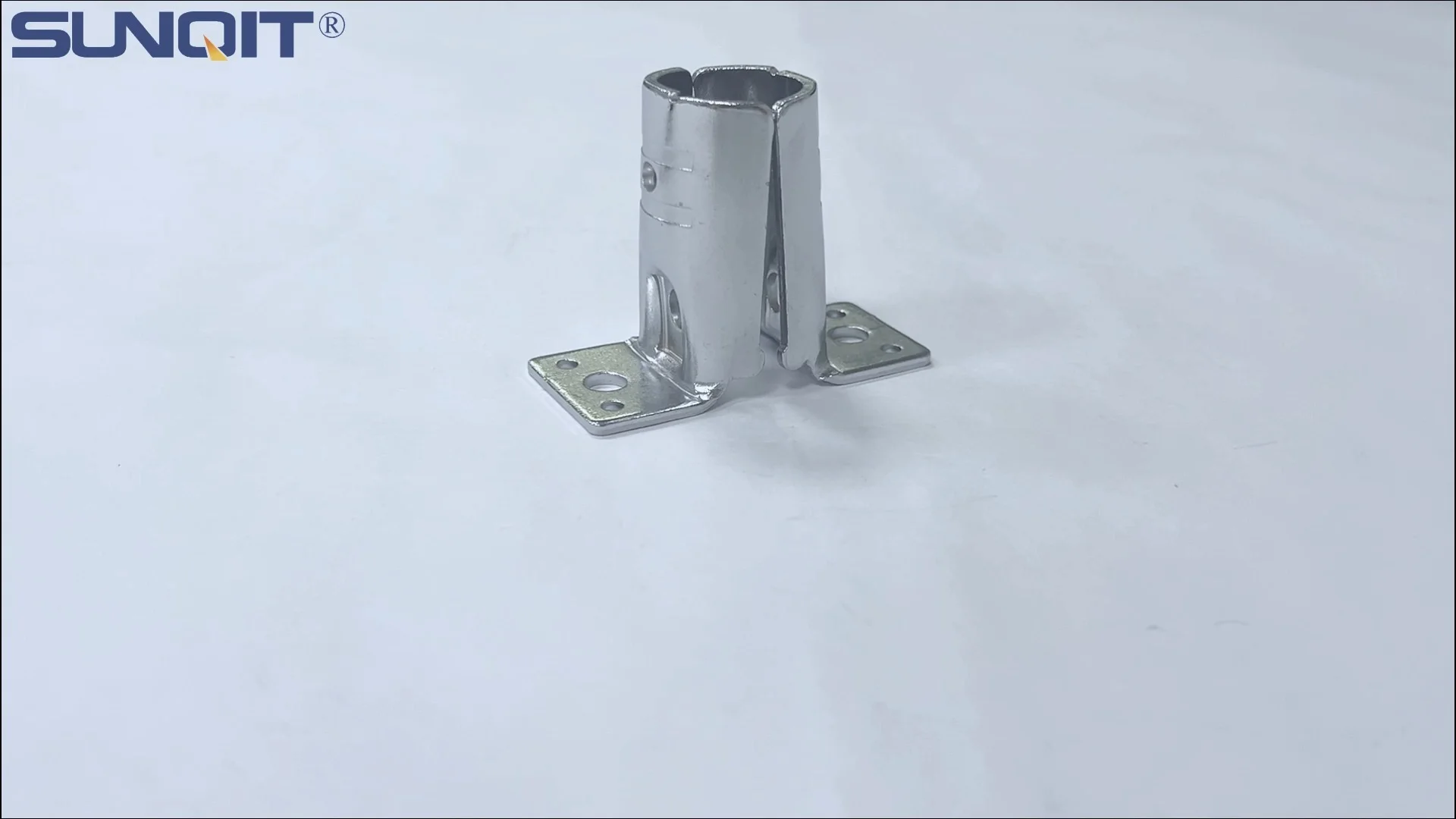
In the fast-paced world of healthcare, where precision and safety are non-negotiable, every piece of equipment—from surgical tools to work surfaces—plays a critical role in patient outcomes. Behind the scenes, in medical device manufacturing facilities, pharmaceutical labs, and hospital supply chains, the infrastructure that supports these processes is just as important. Enter lean systems: flexible, modular setups designed to streamline workflows, reduce waste, and adapt to evolving needs. But in environments where sterility can mean the difference between life and death, not all lean components are created equal. Today, we're zeroing in on one unsung hero of sterile healthcare workflows: the vertical lean pipe joint chrome. How does this unassuming component stand up to the rigorous sterilization demands of the medical industry? Let's dive in.
The Role of Lean Systems in Medical Manufacturing
Before we get into the nitty-gritty of chrome-plated joints, let's take a step back. Lean systems have long been celebrated in industries like automotive for their ability to optimize efficiency, but their value in healthcare is equally profound. In medical device assembly, pharmaceutical compounding, or even surgical instrument preparation, lean setups—built around components like lean pipe workbenches, flow racks, and modular trolleys—allow teams to customize their workspace on the fly. Need to reconfigure a line to accommodate a new surgical tool design? Swap out a section of your lean pipe workbench. Running low on sterile storage for vials? Add a few more shelves with vertical joints. This flexibility isn't just about speed; it's about maintaining compliance with strict regulatory standards, where even a small inefficiency can lead to delays in life-saving treatments.
But here's the catch: in healthcare, "lean" can't come at the cost of "clean." Surfaces, tools, and even the structures that hold them must withstand repeated exposure to harsh sterilization methods. That's where the materials and design of lean components become critical. A flimsy joint that rusts after chemical cleaning or a workbench that warps under high-temperature autoclaving isn't just a maintenance headache—it's a contamination risk. Which brings us to the star of our story: vertical lean pipe joint chrome.
Understanding Vertical Lean Pipe Joint Chrome
At first glance, a vertical lean pipe joint might seem like a simple piece of hardware. It's the connector that holds together the aluminum or steel pipes of a lean workbench, trolley, or rack, allowing for 90-degree angles and vertical support. But when that joint is chrome-plated, it transforms from a basic fastener into a tool built for sterile environments. Chrome plating involves depositing a thin layer of chromium onto the surface of the joint (typically made of steel or aluminum) through electroplating. This process isn't just for shine—it adds a hard, corrosion-resistant barrier that can withstand the wear and tear of daily use and frequent sterilization.
Why chrome? For starters, chromium is naturally resistant to oxidation, which means it doesn't rust or corrode easily when exposed to moisture, a common byproduct of cleaning. It also has a smooth, non-porous surface, which leaves fewer crevices for bacteria, viruses, or other pathogens to hide. In medical settings, where even microscopic contaminants can cause infections, that smoothness is a game-changer. Imagine a lean pipe workbench in a surgical instrument assembly area: every joint, every surface, is wiped down multiple times a day with disinfectants. A chrome-plated joint won't trap residue in tiny cracks, making cleaning faster and more effective.
But not all chrome plating is created equal. The thickness of the chrome layer, the quality of the base material, and the plating process itself all impact performance. High-quality vertical lean pipe joint chrome, like those used in medical-grade setups, typically has a plating thickness of 0.0005 to 0.001 inches (12 to 25 microns), ensuring durability without adding unnecessary bulk. This thin but tough layer bonds tightly to the base metal, preventing chipping or peeling—even after repeated cycles of heating, cooling, and chemical exposure.

Sterilization Methods in Healthcare: A Tough Test for Materials
To understand why chrome-plated joints are a standout choice, we first need to appreciate the brutality of healthcare sterilization. Let's break down the most common methods and why they're so hard on equipment:
- Autoclaving (Steam Sterilization): The gold standard for killing pathogens, autoclaves use high-pressure steam (typically 121°C to 134°C) for 15–30 minutes. This combination of heat and moisture can warp plastics, corrode unprotected metals, and degrade weak adhesives.
- Chemical Sterilization: Solutions like hydrogen peroxide, peracetic acid, or glutaraldehyde are used for heat-sensitive equipment. These chemicals are highly reactive, designed to break down organic matter—and they can do the same to some materials over time.
- UV-C Sterilization: Ultraviolet light damages microbial DNA, but prolonged exposure can cause discoloration or brittleness in certain plastics and coatings.
- Ethylene Oxide (EtO) Gas: Used for delicate instruments, EtO is a potent alkylating agent that can penetrate packaging. However, it's highly flammable and can leave residues that interact with some metals.
Each method presents unique challenges, and medical facilities often use a combination to ensure complete sterility. For a lean component like a vertical joint, compatibility with all these methods isn't just a bonus—it's a requirement.

Compatibility Testing: How Vertical Lean Pipe Joint Chrome Stands Up
So, how does vertical lean pipe joint chrome fare under these harsh conditions? Let's look at the data. Manufacturers of medical-grade lean components subject their chrome-plated joints to rigorous testing to ensure compliance with standards like ISO 10993 (Biological Evaluation of Medical Devices) and FDA guidelines. Here's what they find:
| Sterilization Method | Temperature/Humidity | Chrome Joint Compatibility | Key Observations |
|---|---|---|---|
| Autoclaving (134°C) | 134°C, 100% humidity | Excellent | No rust, peeling, or dimensional changes after 100+ cycles. |
| Hydrogen Peroxide Vapor | 50–60°C, low humidity | Excellent | Chrome layer resists chemical attack; no discoloration. |
| UV-C (254 nm, 1 hour) | Room temperature | Good | Minor surface dulling after 500+ hours; no structural damage. |
| EtO Gas | 37–55°C, 30–80% humidity | Good | No corrosion; minimal residue buildup with proper aeration. |
These results are impressive, but what does this mean for real-world use? Let's take an example: a lean pipe workbench in a hospital's central sterile processing department (CSPD). Every day, this workbench is used to sort, clean, and assemble surgical instruments before they're autoclaved. The vertical joints holding up the workbench's shelves are exposed to pre-sterilization cleaning with enzymatic detergents, followed by high-temperature steam in the autoclave, and then post-sterilization handling with alcohol-based sanitizers. Over months of use, a chrome-plated joint will maintain its integrity, while an unplated steel joint might start to rust, and a plastic joint could warp or crack. That's not just about longevity—it's about preventing rust flakes or plastic particles from contaminating sterile instruments.
Benefits of Chrome-Plated Vertical Joints in Sterile Environments
Beyond sterilization compatibility, vertical lean pipe joint chrome offers a host of benefits that make it indispensable in medical settings:
1. ESD Protection When Paired with ESD Workbenches
Many medical devices, from pacemakers to insulin pumps, contain sensitive electronics that can be damaged by electrostatic discharge (ESD). That's why ESD workbenches—equipped with conductive surfaces and grounding systems—are standard in medical device manufacturing. Chrome-plated vertical joints, when made with conductive materials, can integrate seamlessly with these ESD setups, ensuring that static charges are safely dissipated. Unlike plastic joints, which can insulate and trap static, chrome-plated steel joints provide a continuous path to ground, protecting both the equipment and the workers assembling it.
2. Flexibility Without Compromise
Lean systems are all about adaptability, and chrome-plated vertical joints are no exception. They can be easily disassembled, reconfigured, or expanded without losing their structural integrity or sterility. For example, a pharmacy compounding lab might start with a small lean pipe workbench for preparing IV medications, then expand it with additional shelves (using vertical joints) as demand grows. Each reconfiguration is quick, requiring only basic tools, and the chrome plating ensures that the new setup is just as sterile as the original.
3. Cost-Effective Durability
While chrome-plated joints may have a slightly higher upfront cost than unplated alternatives, their longevity more than makes up for it. In a medical facility, replacing rusted or degraded joints isn't just an expense—it's a disruption to workflows and a potential compliance risk. Chrome-plated joints can last 5–10 years with proper care, reducing maintenance costs and downtime.
Real-World Applications: Case Studies
To put this into perspective, let's look at a real-world example. A leading manufacturer of surgical robots was struggling with maintaining sterility in their assembly line. Their original workbenches used aluminum joints that corroded after repeated chemical sterilization, leading to frequent replacements and occasional contamination scares. After switching to lean pipe workbenches with vertical lean pipe joint chrome, they saw a 70% reduction in joint failures and a 40% decrease in cleaning time. The smooth chrome surface was easier to wipe down, and the joints held up perfectly through daily autoclaving cycles. Most importantly, the switch helped them meet the tight deadlines for delivering life-saving robots to hospitals.
Another example: a children's hospital in Texas upgraded their central sterile processing department with lean systems featuring chrome-plated vertical joints and ESD workbenches. The result? A 30% increase in the number of sterile instrument trays processed per day, thanks to the improved workflow and faster cleaning times. Nurses and technicians reported that the new setup was "smoother, cleaner, and more reliable," with fewer instances of instruments being held up due to contamination concerns.
Comparing Materials: Stainless Steel Pipe Series vs. Chrome-Plated Lean Joints
When it comes to sterile environments, stainless steel is often the gold standard—and for good reason. The stainless steel pipe series is known for its corrosion resistance and durability, making it a popular choice for surgical instruments and medical equipment. So, why not just use stainless steel joints instead of chrome-plated lean pipe joints? The answer lies in flexibility and cost.
Stainless steel is rigid and heavy, which makes it great for fixed structures but less ideal for lean systems that need to be reconfigured regularly. A stainless steel workbench might last a lifetime, but if you need to adjust its height or add a shelf six months later, you're looking at a major overhaul. Chrome-plated lean joints, on the other hand, offer the best of both worlds: the corrosion resistance of stainless steel (thanks to the chrome layer) with the lightweight flexibility of aluminum or steel pipes. They're not a replacement for stainless steel in every application, but they're a superior choice for dynamic, ever-changing workflows.
That said, some medical facilities opt for a hybrid approach: using stainless steel pipe series for fixed, high-exposure areas (like surgical sinks) and chrome-plated lean joints for modular workbenches and trolleys. This combination ensures maximum sterility where it's most critical while maintaining the adaptability of lean systems elsewhere.
Enhancing Functionality with Aluminum Profile Accessories
No lean system is complete without accessories, and aluminum profile accessories are the perfect complement to vertical lean pipe joint chrome. These accessories—like guide rails, brackets, and shelving supports—are designed to work seamlessly with lean pipes and joints, adding functionality without compromising sterility. For example, aluminum guide rail a, with its smooth, anodized finish, can be attached to a lean pipe workbench using chrome-plated vertical joints, creating a track for sliding bins of sterile supplies. The aluminum is lightweight, corrosion-resistant, and easy to clean, while the chrome joint ensures a secure, sterile connection.
Another example: roller track placon mount brackets, which allow for the installation of roller tracks on lean workbenches. These brackets, when paired with vertical chrome joints, create a gravity-fed system for moving instruments or vials through the assembly line. The combination of chrome joints (for sterility) and aluminum roller tracks (for smooth movement) ensures that the workflow is both efficient and contamination-free. Best of all, these accessories are modular, so facilities can mix and match to create custom setups tailored to their specific needs.
Conclusion: The Unsung Hero of Sterile Lean Workflows
In the high-stakes world of healthcare, every component matters. From the scalpels used in surgery to the workbenches that assemble them, sterility, efficiency, and reliability are non-negotiable. Vertical lean pipe joint chrome may not be the most glamorous part of the medical supply chain, but it's a critical one. By combining the flexibility of lean systems with the durability and sterilization compatibility of chrome plating, these joints help healthcare facilities deliver life-saving treatments faster, safer, and more reliably.
Whether it's in a surgical instrument assembly line, a pharmaceutical lab, or a hospital's central sterile processing department, vertical lean pipe joint chrome stands up to the toughest sterilization methods, integrates with ESD workbenches to protect sensitive equipment, and adapts to evolving needs without missing a beat. Paired with aluminum profile accessories and stainless steel pipe series where needed, it's a solution that proves lean and clean can go hand in hand.
So the next time you walk into a medical facility, take a moment to look at the workbenches, the trolleys, the racks. Chances are, there's a vertical lean pipe joint chrome holding it all together—quietly ensuring that the focus stays where it should be: on patient care.