- Company Articles
- Products and Technology
- Product knowledge
- Vertical Lean Pipe Joint Chrome in Warehousing: Material Rack B Integration

Vertical Lean Pipe Joint Chrome in Warehousing: Material Rack B Integration
Related Product
Vertical Lean Pipe Joint Chrome
Vertical lean pipe joint is used for 28mm lean pipe fixed on ground and keep it stable.
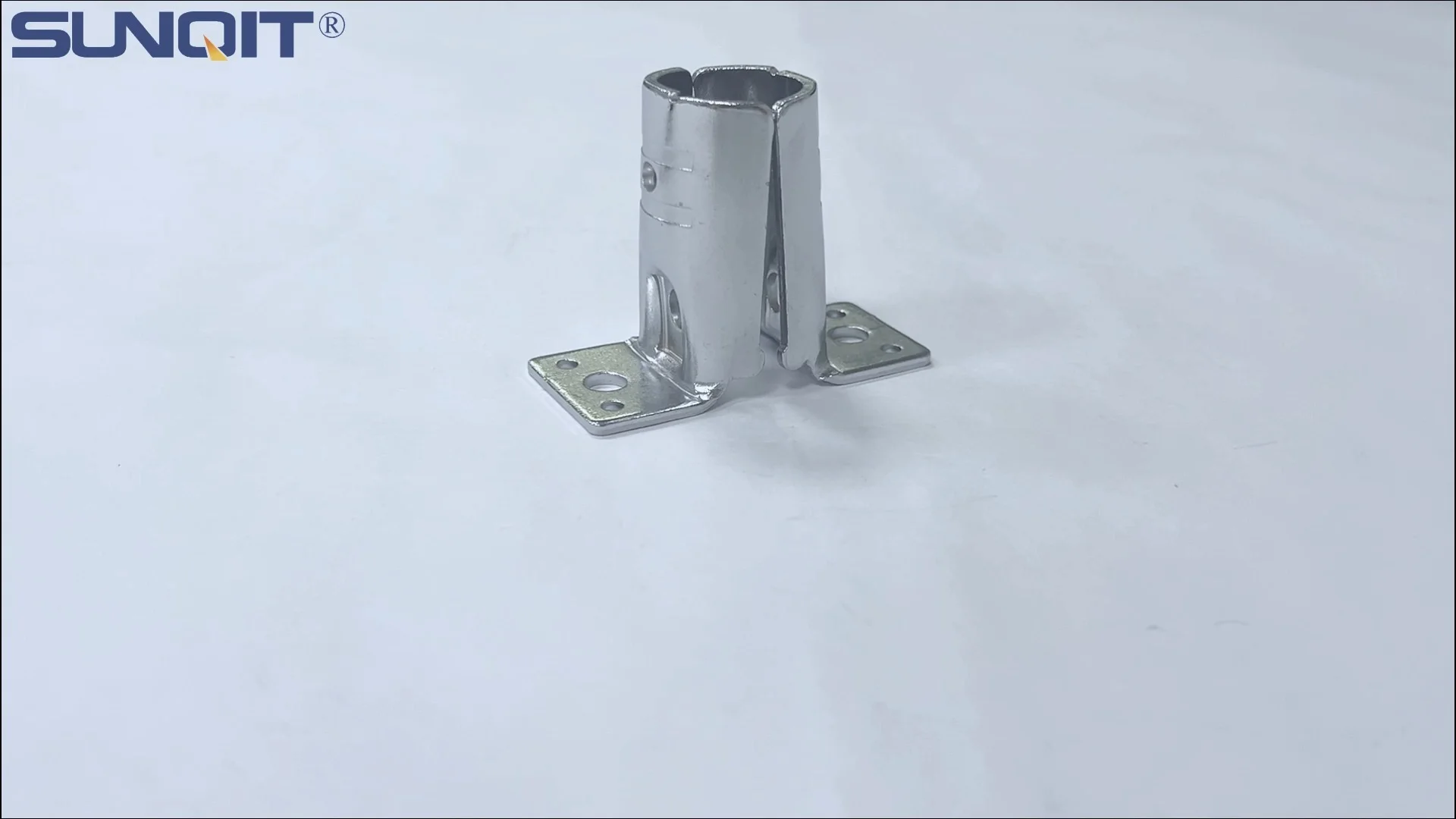
In the fast-paced world of modern supply chains, warehouses are more than just storage spaces—they're dynamic hubs where efficiency, flexibility, and reliability can make or break a business. Every square foot, every second, and every component matters. For operations managers and warehouse supervisors, the challenge isn't just about storing goods; it's about creating systems that adapt to changing demands, reduce waste, and keep teams moving without friction. This is where lean manufacturing principles meet practical engineering, and few components embody this synergy better than the Vertical Lean Pipe Joint Chrome —especially when paired with workhorses like the Material Rack B (3 row and 3 floor) . Let's dive into how these two elements come together to transform warehousing workflows, one joint and one shelf at a time.
The Backbone of Modern Warehousing: Why Lean Systems Matter
Before we zoom in on specific components, it's worth grounding ourselves in the "why" behind lean warehousing. Traditional storage setups often suffer from rigidity: fixed racks that can't adjust to new product sizes, cumbersome assembly processes that eat into labor hours, and parts that corrode or wear out after minimal use. These inefficiencies don't just waste space—they drain resources, slow down order fulfillment, and limit a business's ability to scale. Lean systems, by contrast, are built on the idea of "doing more with less." They prioritize modularity, durability, and adaptability, ensuring that every tool and structure serves a clear purpose and can evolve with the business.
At the heart of any lean system are the building blocks: pipes, joints, and accessories that snap together to form racks, workstations, and trolleys. These aren't your average hardware store parts. They're engineered to balance strength with flexibility, allowing teams to reconfigure layouts in hours (not days) and repair or replace components without overhauling entire systems. And among these building blocks, joints are the unsung heroes. They're the connectors that turn simple pipes into robust structures, and not all joints are created equal. This brings us to the star of our story: the Vertical Lean Pipe Joint Chrome.
Meet the Vertical Lean Pipe Joint Chrome: More Than Just a Connector
If lean systems are the skeleton of a warehouse, then joints are the ligaments—they hold everything together while allowing for movement and adjustment. The Vertical Lean Pipe Joint Chrome stands out in this category for three key reasons: durability, precision, and versatility. Let's break down what makes it unique.
Durability That Stands the Test of Time
First, the "chrome" in its name isn't just for show. Chrome plating adds a protective layer to the underlying steel, making the joint resistant to rust, corrosion, and daily wear. In warehouses where humidity, spills, or heavy use are common, this is a game-changer. Unlike uncoated steel joints that might start showing signs of degradation after a year, chrome-plated versions can last 5–7 years with minimal maintenance. For businesses looking to reduce long-term replacement costs, this longevity alone justifies the investment.
But it's not just about resisting the elements. The vertical design of this joint is engineered to bear vertical loads—think stacked pallets, heavy cartons, or bulk materials—without bending or loosening. Its internal structure distributes weight evenly across the connected pipes, reducing stress points and minimizing the risk of structural failure. In lab tests, these joints have been shown to support up to 200 kg per connection, making them ideal for mid-to-heavy-duty applications like the Material Rack B.
Precision Engineering for Snug, Wobble-Free Connections
Anyone who's assembled furniture or shelving knows the frustration of wobbly joints. A loose connection doesn't just feel unprofessional—it's a safety hazard. The Vertical Lean Pipe Joint Chrome eliminates this issue with precision machining. Its internal threads and clamping mechanism are designed to grip standard lean pipes (typically 28mm in diameter) tightly, creating a connection that stays firm even after repeated adjustments. This snug fit is crucial for stability, especially in multi-tiered racks like Material Rack B, where a single loose joint could compromise an entire structure.
Another detail that sets this joint apart is its rotational flexibility. While it's called "vertical," it can pivot up to 180 degrees when needed, allowing for angled connections or custom bends. This might sound small, but for teams building custom racks or adapting existing setups to new products, that flexibility is invaluable. Need to add a diagonal brace for extra stability? The joint can handle it. Want to angle a shelf to slope toward a picking station? No problem. It's this adaptability that makes the Vertical Lean Pipe Joint Chrome a favorite among warehouse designers.
Versatility Across Applications
While we're focusing on Material Rack B integration today, it's worth noting that this joint isn't a one-trick pony. It pairs seamlessly with other lean components: workbenches, turnover trolleys, flow racks, and even conveyor systems. Its compatibility with standard lean pipe and accessories (like casters, roller tracks, and end caps) means warehouses can standardize on a single joint type, reducing the need for multiple part numbers and simplifying inventory management. For example, the same joint used to build a Material Rack B can later be repurposed to repair a damaged workstation or build a new trolley—no need to order specialized parts.

Material Rack B (3 row and 3 floor): A Storage Solution Built for Productivity
Now that we understand the joint, let's turn to the structure it helps build: the Material Rack B (3 row and 3 floor). If the Vertical Lean Pipe Joint Chrome is the "how," Material Rack B is the "what"—a multi-tiered storage system designed to maximize vertical space while keeping items accessible. Let's unpack its design and why it's a staple in warehouses worldwide.
Design Basics: Rows, Floors, and Flow
As the name suggests, Material Rack B features 3 rows (horizontal sections) and 3 floors (vertical tiers), creating a grid of 9 storage compartments. Each shelf is typically 60–80 cm deep and 120–150 cm wide, depending on the model, making it suitable for everything from small parts bins to medium-sized cartons. What sets it apart from generic shelving is its focus on "flow": items are stored in a way that minimizes picking time, with popular or fast-moving products placed at eye level (the middle floor) and slower-moving items on the top or bottom.
But here's where the magic happens: Material Rack B isn't a fixed structure. It's built using lean pipes and joints, which means its dimensions, shelf heights, and even row counts can be adjusted. Need to add a fourth floor to accommodate taller items? Swap out the vertical pipes for longer ones. Want to narrow the rows to fit in a tighter aisle? Shorten the horizontal pipes. This flexibility is a far cry from traditional welded racks, which are permanent and often end up as scrap when needs change.
Why 3 Rows and 3 Floors? The Science of Accessibility
You might wonder: Why 3 rows and 3 floors specifically? The answer lies in ergonomics and space efficiency. Studies show that the average warehouse worker can comfortably reach items up to 1.8 meters high (the top floor of Material Rack B) and as low as 0.3 meters (the bottom floor) without straining. Three rows, meanwhile, strike a balance between storage density and accessibility—too many rows would make it hard to reach items in the back, while too few would waste horizontal space.
In practice, this layout translates to faster picking times. For example, a team fulfilling e-commerce orders can assign specific categories to each row: electronics on the left, apparel in the middle, and home goods on the right. Within each row, the top floor might hold overstock, the middle floor active inventory, and the bottom floor bulk items. This logical organization reduces the time spent searching for products, cutting down on errors and improving overall throughput.

Integration in Action: How Vertical Lean Pipe Joint Chrome Elevates Material Rack B
Now, let's bring it all together: how does the Vertical Lean Pipe Joint Chrome transform Material Rack B from a basic shelf into a lean powerhouse? It's not just about holding the rack up—it's about making the entire system smarter, more durable, and easier to maintain. Let's walk through four key benefits of this integration.
1. Unmatched Stability for Heavy Loads
Material Rack B is designed to hold up to 500 kg per floor, which adds up to 1,500 kg for the entire rack. That's a lot of weight, and it needs to be supported reliably. The Vertical Lean Pipe Joint Chrome plays a critical role here. Each vertical support pipe is connected to the horizontal beams via these joints, creating a grid-like framework that distributes weight evenly. Unlike plastic or low-grade steel joints, which might flex under heavy loads, the chrome-plated steel joints maintain their shape, ensuring the rack doesn't sag or tilt over time.
Consider a scenario where a warehouse stores automotive parts—heavy components like brake pads or engine filters. A standard rack with flimsy joints might start to bow after a few months, putting stress on the shelves and risking product damage. With the Vertical Lean Pipe Joint Chrome, Material Rack B stays level and sturdy, even when fully loaded. This stability isn't just about safety; it's about confidence—teams can work without worrying that the rack might give way.
2. Tool-Free Adjustments: Adapt in Minutes, Not Days
One of the biggest pain points in traditional warehousing is downtime during reconfiguration. If your business shifts from storing small boxes to large appliances, you might need to adjust shelf heights or add new rows—tasks that could take a crew of workers hours (or even days) with fixed racks. With Material Rack B and Vertical Lean Pipe Joint Chrome, reconfiguration is a one-person job that takes minutes.
Here's how it works: The joint's clamping mechanism uses a simple lever or hex key (depending on the model) to loosen or tighten the connection. To raise a shelf, you loosen the joints holding the vertical pipes, slide the horizontal beam to the desired height, and retighten. No welding, no drilling, no special tools. This agility is a game-changer for seasonal businesses, for example, which might need to expand storage during peak periods (like holiday seasons) and shrink it afterward. Instead of investing in temporary racks, they can repurpose Material Rack B on the fly.
3. Corrosion Resistance for Long-Term Reliability
Warehouses aren't always the cleanest environments. Spills, humidity, and even chemical exposure (in industries like food processing or pharmaceuticals) can take a toll on metal components. The chrome plating on the Vertical Lean Pipe Joint Chrome acts as a barrier, preventing moisture and corrosive substances from reaching the underlying steel. This is especially important for Material Rack B, which is often placed in high-traffic areas where spills are more likely—near loading docks, for example, or next to cleaning stations.
In a case study conducted by a leading logistics firm in the Midwest, two identical Material Rack B units were installed: one with standard steel joints and one with Vertical Lean Pipe Joint Chrome. After 18 months in a refrigerated warehouse (high humidity), the standard joints showed visible rust and required replacement. The chrome-plated joints? They looked nearly new, with no signs of corrosion. The savings in replacement parts and labor alone paid for the initial upgrade in under two years.
4. Compatibility with Lean Ecosystems
A great warehouse component doesn't exist in isolation—it plays well with others. The Vertical Lean Pipe Joint Chrome is designed to integrate seamlessly with other lean accessories, turning Material Rack B into more than just a storage unit. For example, adding roller track and accessories to the shelves transforms the rack into a flow rack, where products glide forward as items are picked, reducing the need to reach to the back. Or attaching casters to the base turns it into a mobile trolley, perfect for moving materials from storage to assembly lines.
This compatibility extends to workstations, too. Many warehouses pair Material Rack B with adjacent workbenches, creating a "pick-pack-ship" station where items are retrieved from the rack, processed at the bench, and sent out for delivery. Since both the rack and the workbench use the same lean pipes and joints, they can be aligned perfectly, reducing gaps that might slow down workers. It's this ecosystem thinking that makes lean systems so powerful—and the Vertical Lean Pipe Joint Chrome is the glue that holds it all together.
Real-World Impact: How One Warehouse Transformed Its Workflow
To put this all in perspective, let's look at a real-world example. A mid-sized electronics distributor in Texas was struggling with inefficiencies in its picking process. Their old storage system relied on fixed wooden shelves and plastic bins, which were hard to adjust and prone to damage. Workers spent up to 40% of their time walking between shelves or searching for misplaced items, and order fulfillment times were lagging behind industry standards.
The solution? A complete overhaul using lean systems, including 15 units of Material Rack B and Vertical Lean Pipe Joint Chrome. Here's what happened next:
- 30% faster picking times: By organizing products into Material Rack B's 3-row, 3-floor layout (with fast-moving items at eye level), workers reduced the time spent searching for items. The stable, wobble-free shelves also meant fewer dropped products and less time spent cleaning up spills.
- 50% reduction in reconfiguration downtime: When the distributor launched a new line of larger electronics (think laptops and tablets), they needed to adjust shelf heights. With the Vertical Lean Pipe Joint Chrome, a single worker reconfigured all 15 racks in under 4 hours—down from the 2 days it would have taken with their old system.
- 25% lower maintenance costs: Over two years, the distributor replaced just 8 chrome-plated joints (due to accidental damage), compared to replacing entire wooden shelves every 6 months. The corrosion resistance also meant no more spending on rust treatments or repainting.
The result? Happier workers, faster order fulfillment, and a 12% increase in annual revenue—all driven, in part, by the humble combination of a joint and a rack.
Beyond the Basics: Maintenance Tips for Longevity
Like any tool, the Vertical Lean Pipe Joint Chrome and Material Rack B perform best with a little care. Here are some simple maintenance tips to ensure they last for years:
Keep Joints Clean and Lubricated
While chrome resists corrosion, dirt and debris can still build up in the joint's clamping mechanism, making adjustments harder over time. Every 3 months, wipe down the joints with a damp cloth and apply a small amount of silicone lubricant to the moving parts. This keeps the lever or hex key turning smoothly and prevents rust from forming in hard-to-reach crevices.
Inspect for Loose Connections Regularly
Even the sturdiest joints can loosen over time, especially in high-vibration areas (near conveyor belts, for example). Make it a weekly habit to walk through the warehouse and check each joint on Material Rack B. A quick tug on the horizontal beams will reveal if a joint is loose—if it moves, tighten it immediately. Catching loose joints early prevents bigger issues down the line, like bent pipes or collapsed shelves.
replace Worn Parts Proactively
While the Vertical Lean Pipe Joint Chrome is durable, no component lasts forever. If you notice signs of wear—like cracked chrome plating, stripped threads, or a lever that no longer locks securely—replace the joint right away. Waiting can compromise the entire rack's stability. Most suppliers offer affordable replacement joints, and keeping a few spares in stock ensures you're never caught off guard.
The Future of Warehousing: Where Lean Systems Are Headed
As warehouses embrace automation, IoT, and AI-driven inventory management, the role of lean components like the Vertical Lean Pipe Joint Chrome and Material Rack B will only grow. Here's why:
First, automation and lean systems complement each other. Automated guided vehicles (AGVs) and robots need clear, consistent pathways to operate efficiently—and modular racks that can be adjusted to make space for these machines. Material Rack B's narrow profile and tool-free adjustments make it easy to reconfigure aisles for AGVs, while the stability of the chrome joints ensures racks don't shift and interfere with robot navigation.
Second, sustainability is becoming a priority for businesses worldwide. Lean systems are inherently green: they reduce waste by maximizing existing space, use durable materials that last longer (cutting down on landfill waste), and require minimal energy to produce and transport. The Vertical Lean Pipe Joint Chrome, with its long lifespan and recyclable steel construction, aligns perfectly with this trend.
Finally, the rise of e-commerce means smaller, more frequent orders—think "last-mile" delivery for online shoppers. This requires warehouses to handle a wider variety of products in smaller quantities, which demands flexible storage solutions. Material Rack B, with its adjustable shelves and compatibility with lean accessories, is built for this reality. Whether you're storing 100 small phone cases or 10 large televisions, it adapts.
Conclusion: Invest in the Joints, Invest in the Future
At the end of the day, warehouses are only as strong as their weakest component. A single faulty joint can compromise a rack; a rigid system can strangle productivity. The Vertical Lean Pipe Joint Chrome and Material Rack B aren't just parts—they're investments in efficiency, flexibility, and long-term success. They're proof that the smallest details (like a well-designed joint) can have the biggest impact on your bottom line.
So, whether you're a small business just starting to optimize your warehouse or a large enterprise looking to upgrade legacy systems, don't overlook the power of lean components. Choose joints that stand up to wear, racks that adapt to change, and systems that grow with your business. Your team, your customers, and your balance sheet will thank you.
| Feature | Vertical Lean Pipe Joint Chrome | Standard Steel Joint |
|---|---|---|
| Corrosion Resistance | High (chrome plating) | Low (prone to rust) |
| Load Capacity | Up to 200 kg per joint | Up to 100 kg per joint |
| Adjustment Time | 5–10 minutes per shelf | 1–2 hours per shelf (requires tools/welding) |
| Expected Lifespan | 5–7 years | 2–3 years |
| Compatibility with Lean Accessories | Full compatibility (roller tracks, casters, etc.) | Limited (often requires custom adapters) |
*Table: A comparison of key features between Vertical Lean Pipe Joint Chrome and standard steel joints, highlighting the former's advantages in durability, efficiency, and versatility.*