- Company Articles
- Products and Technology
- Product knowledge
- Vertical Lean Pipe Joint Chrome: Tensile Strength and Structural Integrity

Vertical Lean Pipe Joint Chrome: Tensile Strength and Structural Integrity
Related Product
Vertical Lean Pipe Joint Chrome
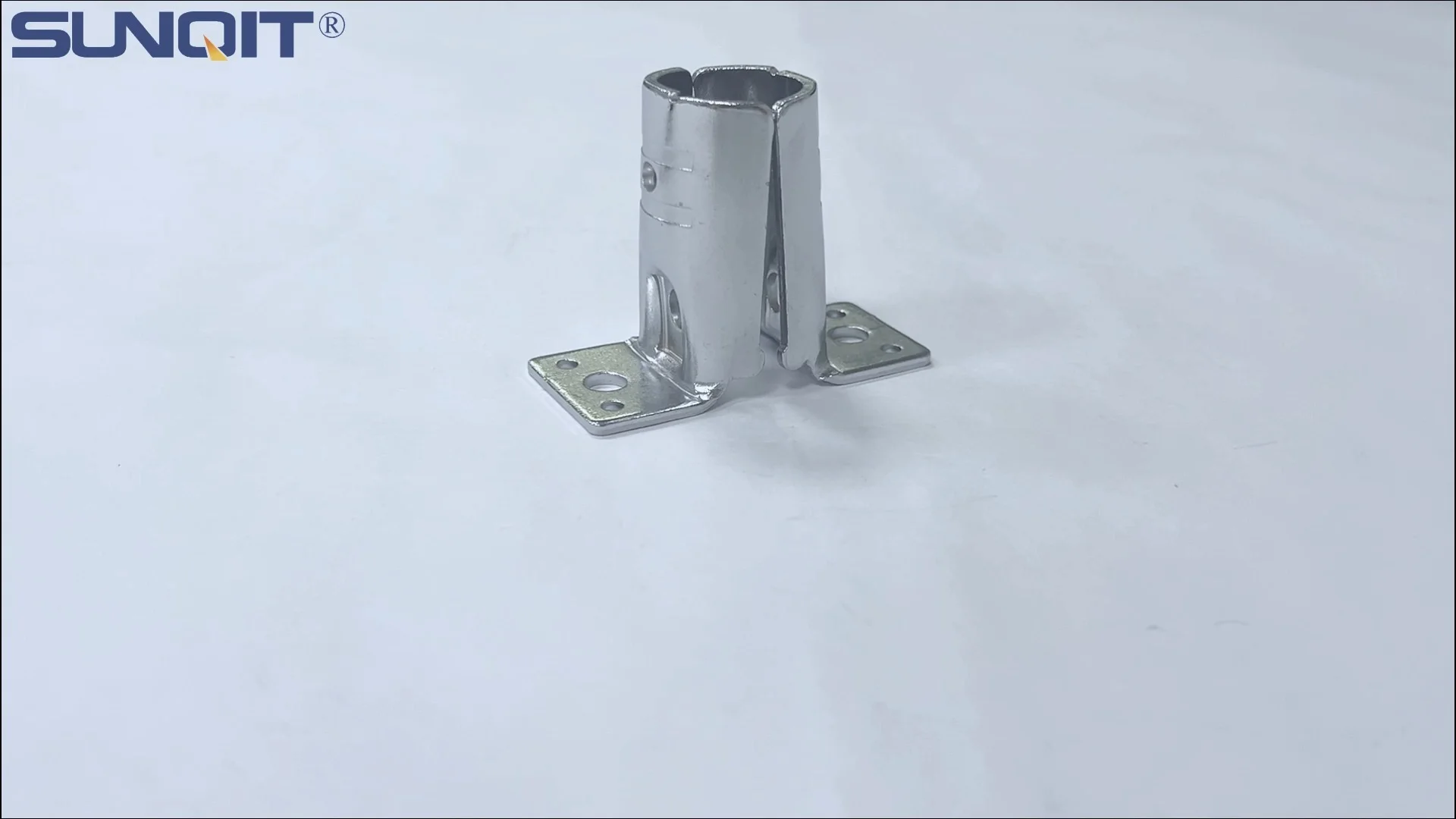
Vertical lean pipe joint is used for 28mm lean pipe fixed on ground and keep it stable.
Walk into any bustling manufacturing facility, and you'll notice a symphony of moving parts: conveyor belts gliding, workers assembling components, and racks brimming with materials. Behind this harmony lies a network of unassuming yet critical components—lean pipes, workbenches, and flow racks—that keep operations running smoothly. But what holds these structures together? Enter the vertical lean pipe joint chrome, a small but mighty piece that acts as the backbone of stability in lean systems. In this article, we'll dive into why this joint matters, focusing on its tensile strength and structural integrity, and how it impacts everything from daily workflows to long-term operational efficiency.
What Is a Vertical Lean Pipe Joint Chrome, Anyway?
Let's start with the basics. A vertical lean pipe joint chrome is a connecting component designed to link lean pipes (often aluminum or steel) at vertical angles, forming sturdy frames for workbenches, flow racks, and other industrial structures. Its "chrome" designation refers to the chromium plating on its surface—a finish chosen for more than just shine. Chrome adds a layer of protection against corrosion, scratches, and wear, making the joint ideal for environments where moisture, oils, or frequent handling are part of the norm.
But its real value lies in design. Unlike generic pipe fittings, this joint is engineered specifically for lean systems, which prioritize flexibility, modularity, and durability. It typically features a multi-point connection system, allowing pipes to intersect at 90-degree vertical angles while maintaining a tight, secure grip. Think of it as the hinge that lets you build custom structures without welding—saving time, reducing costs, and enabling quick reconfigurations as production needs change.
Tensile Strength: The Silent Guardian of Stability
Tensile strength is a term you might remember from high school physics, but here's why it matters in the context of lean pipe joints: it's the maximum amount of pulling force a material can withstand before breaking. For a vertical lean pipe joint chrome, this isn't just a number on a spec sheet—it's a promise that the joint won't snap or bend when under load, whether that load is a heavy tool on a workbench or a cart full of parts on a flow rack.
How Tensile Strength Is Measured (And Why It Matters)
Manufacturers test tensile strength by subjecting the joint to controlled pulling forces until it deforms or fails. For vertical lean pipe joint chrome, typical tensile strength ranges from 500 to 800 Newtons (N)—enough to support the weight of a small engine (around 50kg) without so much as a creak. But why does this matter day-to-day? Imagine a lean pipe workbench where a technician is using a 20kg power tool. If the joint holding the bench's vertical supports has poor tensile strength, a sudden jolt or heavy load could cause the structure to wobble or collapse, risking injury and halting production. High tensile strength ensures that even under stress, the joint holds firm.
Chrome plating plays a role here, too. While the base material (often steel) provides the bulk of the strength, the chrome layer prevents rust and corrosion that could weaken the joint over time. In humid or oily factory environments, uncoated joints might start to degrade within months, leading to reduced tensile strength. Chrome acts as a shield, ensuring the joint retains its pulling power for years.

Structural Integrity: Beyond Strength—It's About Reliability
Tensile strength is about resisting force, but structural integrity is about maintaining shape and function under real-world conditions. A joint with high tensile strength but poor structural integrity might hold under static load but fail when vibrations, temperature changes, or repeated use come into play. Vertical lean pipe joint chrome excels here, thanks to its design and materials.
Lean Pipe Workbench: Stability Where Workers Need It Most
Consider a lean pipe workbench in an electronics assembly line. Technicians stand at these workbenches for hours, placing delicate components onto circuit boards. The workbench must stay rock-steady—even when someone leans on it, or a heavy soldering iron is placed on the surface. The vertical lean pipe joint chrome ensures the bench's legs and frame don't shift. Its tight fit minimizes wobble, and the chrome coating resists the oils from workers' hands or cleaning agents, preventing degradation that could loosen the joint over time. For an ESD workstation, where static electricity is a risk, this stability is even more critical: a wobbly workbench could disrupt grounding, endangering sensitive components.
Flow Rack: Handling the Hustle of Constant Motion
Flow racks are another area where structural integrity shines. These racks use gravity to slide materials from one end to the other, meaning the vertical supports (held together by joints) must withstand not just the weight of the goods but also the repeated impact of boxes or parts sliding down. A vertical lean pipe joint chrome, with its robust design, absorbs these shocks without deforming. Unlike plastic or low-grade metal joints, which might crack after months of use, the chrome-plated steel joint stays intact, ensuring the flow rack remains functional and safe.

How Does It Compare? A Look at Other Joints
To truly appreciate the vertical lean pipe joint chrome, let's compare it to other common joints used in lean systems. Below is a breakdown of how it stacks up against 90° fixed lean pipe joints (non-chrome) and aluminum pipe joints in key areas like tensile strength, durability, and application.
| Joint Type | Tensile Strength (Typical Range) | Material | Corrosion Resistance | Best For |
|---|---|---|---|---|
| Vertical Lean Pipe Joint Chrome | 500–800 N | Chrome-plated steel | High (resists moisture, oils) | Vertical supports, heavy-load structures (lean pipe workbench, flow rack) |
| 90° Fixed Lean Pipe Joint (Non-Chrome) | 400–600 N | Plain steel or zinc-plated steel | Moderate (prone to rust in humid areas) | Light to medium loads, dry environments |
| Aluminum Pipe Joint | 300–500 N | Aluminum alloy | High (naturally corrosion-resistant) | Lightweight structures, cleanrooms (lower load capacity) |
The table tells a clear story: while aluminum joints offer corrosion resistance and non-chrome steel joints work for lighter loads, the vertical lean pipe joint chrome strikes the best balance of tensile strength and durability. This makes it the go-to choice for structures that can't afford failure—like an ESD workstation where sensitive electronics are assembled, or a flow rack that's critical to just-in-time production.
Accessories and Complementary Components
A joint is only as good as the system it's part of. The vertical lean pipe joint chrome works seamlessly with other lean pipe and accessories, enhancing its performance and versatility. For example, pairing it with aluminum profile (a common material in lean systems) allows for modular builds—you can easily add shelves, hooks, or tool holders to a structure without compromising stability. Aluminum profile's lightweight yet rigid nature complements the joint's strength, creating a system that's both sturdy and flexible.
Casters are another key accessory. When building mobile structures like turnover trolleys, adding casters to a frame held together by vertical lean pipe joint chrome ensures the entire unit can move smoothly without wobbling. The joint's tensile strength keeps the frame stable even when the trolley is loaded and rolling over uneven floors. Similarly, roller track and accessories, used in flow racks, rely on the joint to maintain alignment—ensuring goods slide evenly without getting stuck.
Maintaining Tensile Strength: Tips for Longevity
Even the strongest joint needs a little care to maintain its performance. Here are a few practical tips to keep your vertical lean pipe joint chrome in top shape:
- Regular Inspections: Every few months, check joints for signs of wear—loose connections, scratches in the chrome plating, or rust spots. Tighten any loose bolts and replace joints with damaged plating to prevent further corrosion.
- Cleaning: Wipe down chrome joints with a damp cloth to remove oils, dust, or chemicals. Avoid abrasive cleaners, which can scratch the plating and expose the steel underneath.
- Lubrication: For joints that require rotation (though vertical joints are typically fixed), apply a small amount of industrial lubricant to moving parts to reduce friction and wear.
By following these steps, you'll ensure your vertical lean pipe joint chrome retains its tensile strength and structural integrity for years, avoiding costly replacements and downtime.
The Bottom Line: Why It Matters for Your Operations
At the end of the day, the vertical lean pipe joint chrome isn't just a piece of hardware—it's an investment in reliability. A joint with strong tensile strength and structural integrity reduces the risk of accidents, minimizes downtime from broken structures, and allows your team to focus on what they do best: producing quality goods. Whether you're building a lean pipe workbench, a flow rack, or an ESD workstation, choosing this joint means choosing peace of mind.
So the next time you walk through your facility, take a moment to appreciate the vertical lean pipe joint chrome. It may not be the star of the show, but without it, the entire production symphony could fall apart. And in manufacturing, where every second counts, that's a difference that hits the bottom line—hard.