- Company Articles
- Products and Technology
- Product knowledge
- Vertical Lean Pipe Joint Chrome vs. Painted Joints: Longevity Analysis

Vertical Lean Pipe Joint Chrome vs. Painted Joints: Longevity Analysis
Related Product
Vertical Lean Pipe Joint Chrome
Vertical lean pipe joint is used for 28mm lean pipe fixed on ground and keep it stable.
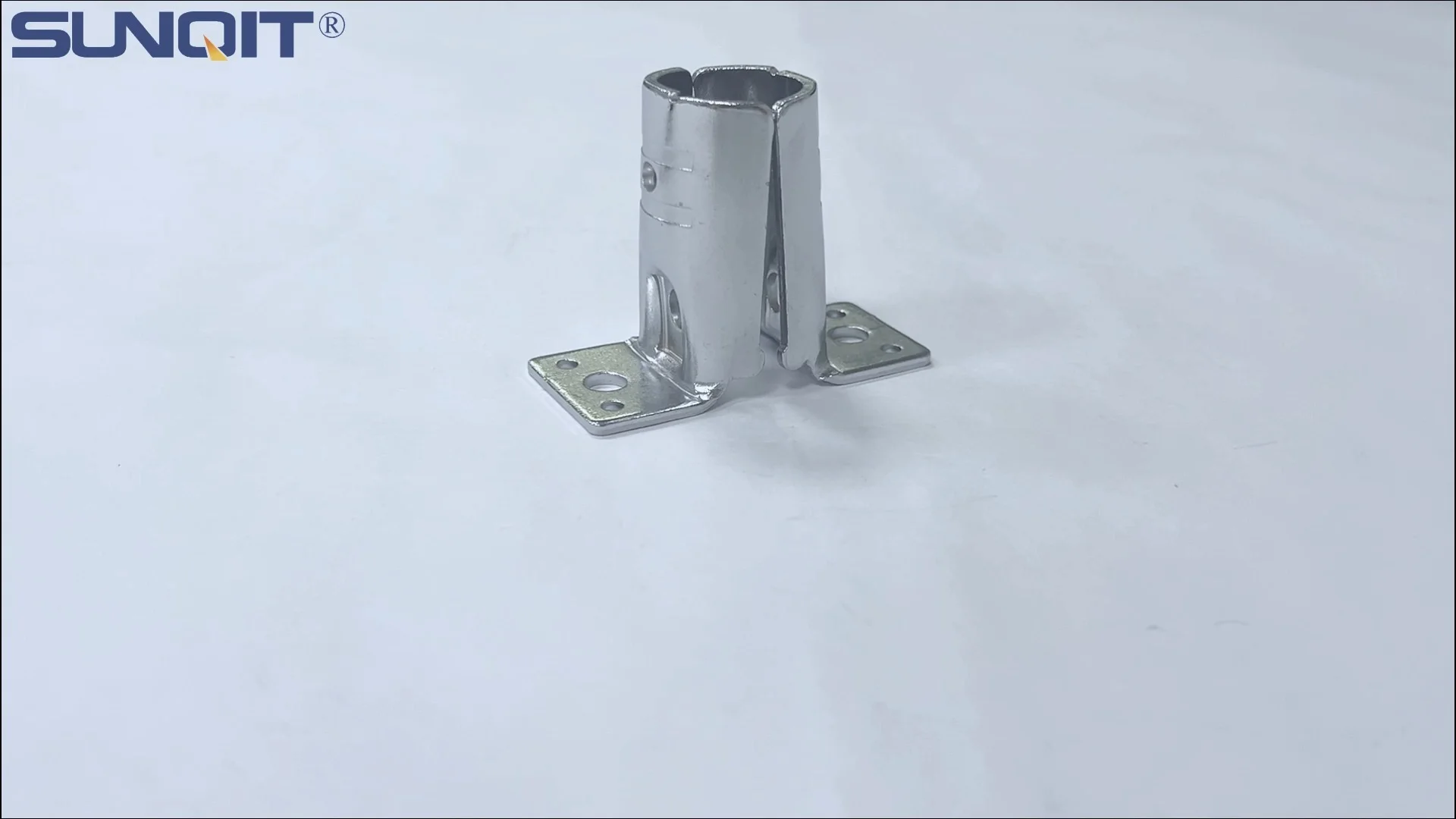
Walk into any bustling production assemble line, and you'll spot them: the unassuming yet critical connectors holding together workbenches, flow racks, and turnover trolleys. These are vertical lean pipe joints—small in size but monumental in keeping lean manufacturing systems running smoothly. For plant managers and operations teams, a joint failure isn't just a minor hiccup; it can grind production to a halt, delay orders, and eat into hard-earned efficiency gains. That's why choosing between chrome-plated and painted vertical lean pipe joints isn't just a purchasing decision—it's a long-term investment in reliability. In this deep dive, we'll unpack how these two joint types stack up in terms of longevity, exploring their strengths, weaknesses, and real-world performance. Whether you're a lean pipe supplier curating product lines or a factory owner building a new system, understanding this comparison could save you time, money, and countless headaches down the line.
The Unsung Heroes: What Are Vertical Lean Pipe Joints?
Before we dive into the chrome vs. painted debate, let's take a moment to appreciate what vertical lean pipe joints actually do. As part of the broader "lean pipe and accessories" family, these joints are the glue that holds lean pipe systems together. Think of them as the elbows and knees of your production line—they connect aluminum or steel pipes at 90-degree angles, supporting heavy loads (like stacked material racks) and allowing for the flexibility that makes lean manufacturing so powerful. Whether you're building an ESD workstation for electronics assembly or a roller track for parts distribution, vertical joints bear the brunt of daily wear: vibrations from conveyor belts, accidental bumps from forklifts, and the constant stress of holding static or moving loads.
But not all joints are created equal. Their design, material, and finish directly impact how long they last. Chrome-plated and painted joints are the two most common options, each with its own manufacturing process and performance trade-offs. Let's start by dissecting the first contender: chrome-plated vertical lean pipe joints.
Chrome-Plated Vertical Lean Pipe Joints: The Hard-Wearing Contender
How Are They Made?
Chrome-plated joints aren't just "shiny"—their finish is the result of a precise electroplating process. First, the base metal (usually steel or aluminum) is cleaned to remove oils, rust, and debris. Then, it's dipped in an electrolyte bath where chromium ions are deposited onto the surface via an electric current. The result? A thin, hard layer of chromium (typically 5-15 microns thick) that bonds tightly to the base metal. This isn't just for aesthetics; chrome is prized for its exceptional hardness (up to 850 HV on the Vickers scale, compared to 200-300 HV for painted steel) and natural resistance to corrosion.
Longevity Drivers: Why Chrome Stands the Test of Time
1. Corrosion Resistance : Chromium acts as a barrier, preventing moisture and oxygen from reaching the base metal. In humid factories or areas with frequent water exposure (like near cleaning stations), this is a game-changer. Unlike painted joints, which can trap moisture if scratched, chrome's non-porous surface repels water, reducing the risk of rust that weakens joint integrity.
2. Wear and Tear Resistance : The hardness of chrome means it resists scratches, dents, and abrasion. In high-traffic areas—say, a turnover trolley path where joints get bumped daily—chrome joints stay smooth and intact, while painted joints might chip or flake under the same stress.
3. Chemical Resistance : Factories are full of harsh substances—oils, coolants, cleaning agents. Chrome holds up well against most industrial chemicals, whereas paint can degrade or discolor when exposed to solvents or acidic solutions.
4. Low Maintenance : A quick wipe with a damp cloth is usually all it takes to keep chrome joints clean. Their smooth surface doesn't trap dirt or grime, which can accelerate wear over time. This is a big plus for busy maintenance teams stretched thin on tasks.
Real-World Lifespan: What to Expect
In controlled environments like dry warehouses or cleanrooms, chrome-plated joints can last 7-10 years without significant degradation. In harsher settings—think automotive plants with oil spills or food processing facilities with frequent washdowns—they still hold strong for 5-7 years. The key variable? The thickness of the chrome layer. A reputable lean pipe supplier will ensure a minimum thickness of 8 microns; anything less, and the chrome may peel or crack prematurely, exposing the base metal to corrosion.

Painted Vertical Lean Pipe Joints: The Cost-Effective Alternative
From Powder Coating to Liquid Paint: The Basics
Painted joints are exactly what they sound like: base metal joints coated with a layer of paint. The two most common methods are powder coating and liquid painting. Powder coating involves electrostatically applying dry powder (often polyester) to the joint, then curing it in an oven to form a hard, even layer. Liquid painting uses wet paint sprayed onto the surface, which air-dries or cures with heat. Both methods are cheaper than chrome plating, making painted joints appealing for budget-conscious buyers.
One upside of painted joints is color customization. Need yellow joints to match your plastic roller track guide rails? Or grey to blend with ESD workbench surfaces? Painted joints deliver—chrome, by contrast, is limited to its signature silver finish. This makes them popular in settings where aesthetics or color-coding (e.g., production lines) matter.
Longevity Challenges: Where Paint Falls Short
1. Chipping and Peeling : Paint, even powder coating, is less flexible than chrome. When a joint is stressed (e.g., supporting a heavy material rack), the paint can crack. Once the surface is compromised, moisture and debris seep in, leading to rust and further peeling. In one case study, a electronics manufacturer reported painted joints chipping within 2 years on a workbench used for daily tool storage.
2. Corrosion Susceptibility : Without the protective barrier of chrome, painted joints rely entirely on the paint layer to prevent rust. In humid environments, even small scratches can lead to corrosion. A lean pipe supplier in coastal China noted that painted joints in seafood processing plants often failed within 3 years due to salt air, compared to 6+ years for chrome.
3. UV and Chemical Degradation : Sunlight (UV rays) can fade paint over time, and exposure to industrial chemicals can cause discoloration or softening. A automotive parts warehouse using painted joints near a solvent storage area reported paint turning brittle within 18 months, requiring full joint replacements.
Real-World Lifespan: Managing Expectations
In ideal conditions—dry, low-traffic areas like office supply storage racks—painted joints might last 4-6 years. But in typical factory settings with daily use, expect 2-4 years before signs of wear (chipping, rust) become problematic. Maintenance teams often resort to touch-up paint, but this is a temporary fix; the underlying corrosion continues, leading to eventual joint failure.

Head-to-Head: Longevity Comparison Table
| Factor | Chrome-Plated Joints | Painted Joints |
|---|---|---|
| Typical Lifespan (Industrial Setting) | 5-10 years | 2-4 years |
| Corrosion Resistance | High (resists moisture, salt, oils) | Low (susceptible if paint is damaged) |
| Wear Resistance | Excellent (hard chrome resists scratches) | Poor (prone to chipping/abrasion) |
| Maintenance Needs | Minimal (occasional cleaning) | Frequent (touch-up paint, rust removal) |
| Cost Over Time* | Lower (fewer replacements) | Higher (frequent replacements + labor) |
*Based on 5-year lifespan in a medium-traffic factory: Chrome joints cost ~$20/unit upfront, replaced once; painted joints cost ~$10/unit, replaced twice + labor ($50/hour for replacements).
Choosing the Right Joint: A Lean System Supplier's Advice
So, which joint is right for your operation? We spoke with a senior engineer at a leading lean pipe supplier with over 15 years of experience, and their advice boiled down to three key questions:
1. What's the environment? If your facility is humid, has chemical exposure, or is near the coast, chrome is non-negotiable. For dry, low-traffic areas (e.g., office supply storage), painted might suffice—just plan for replacements.
2. How critical is uptime? On production assemble lines where downtime costs $1,000+ per hour, chrome's longer lifespan reduces the risk of unexpected failures. A automotive plant in Michigan switched to chrome joints on their main conveyor line and cut unplanned downtime by 40% over 3 years.
3. What's your long-term budget? Painted joints are cheaper upfront, but over 5 years, chrome often saves money. A small electronics manufacturer calculated that switching to chrome joints saved $12,000 in replacement costs and labor over 5 years, even with the higher initial price.
Final Thoughts: Invest in Longevity, Not Just Cost
Vertical lean pipe joints may be small, but their impact on your lean system's reliability is enormous. Chrome-plated joints offer superior longevity, corrosion resistance, and low maintenance—making them the clear choice for most industrial settings. Painted joints have their place in dry, low-stress environments, but they come with hidden costs: frequent replacements, downtime, and the hassle of constant maintenance.
At the end of the day, lean manufacturing is about efficiency—and nothing undermines efficiency like a failed joint. As one plant manager put it: "I used to think painted joints saved us money. Then we had a flow rack collapse during a rush order because a rusted joint gave way. Now, we spec chrome on everything critical. It's not an expense—it's insurance."
So, the next time you're working with your lean pipe supplier, remember: the right joint isn't just a part. It's a promise of smooth operations, day in and day out.