- Company Articles
- Products and Technology
- Product knowledge
- Vertical Lean Pipe Joint Chrome: Weather Resistance for Outdoor Use

Vertical Lean Pipe Joint Chrome: Weather Resistance for Outdoor Use
Related Product
Vertical Lean Pipe Joint Chrome
Vertical lean pipe joint is used for 28mm lean pipe fixed on ground and keep it stable.
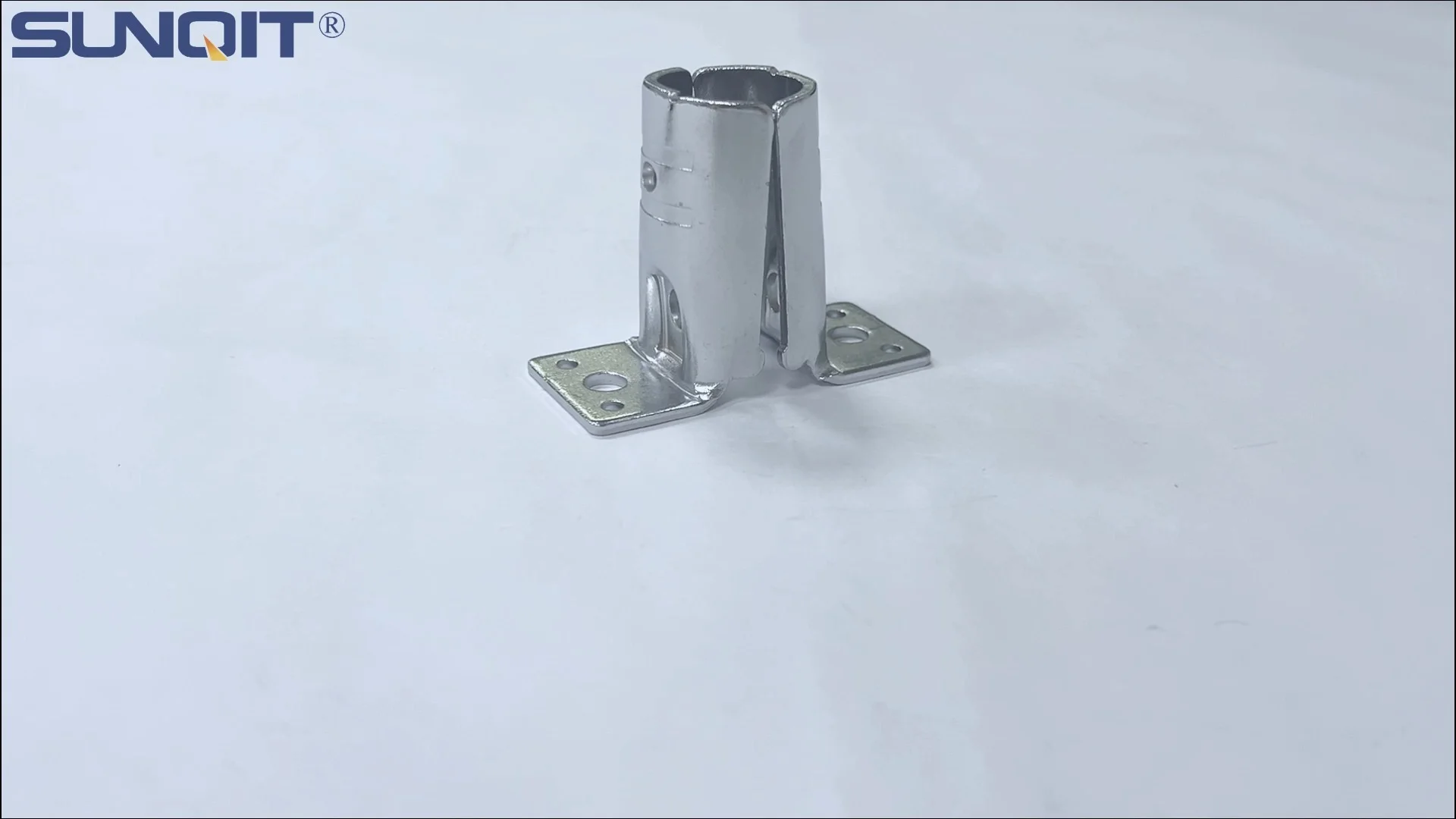
Outdoor workspaces—whether they're loading docks, construction sites, or open-air warehouses—operate under a unique set of challenges. Rain, snow, UV rays, and temperature swings don't just make work harder for teams; they take a toll on the equipment that keeps operations running. For anyone managing these spaces, the battle against rust, corrosion, and wear is constant. A flimsy joint here, a seized caster wheel there, and suddenly a well-organized workflow grinds to a halt. That's where the right components make all the difference. Today, we're diving into one such component that's quietly revolutionizing outdoor lean systems: the vertical lean pipe joint chrome. More than just a connector, it's a weather-resistant workhorse designed to stand up to the elements, ensuring your lean pipe and accessories keep performing, no matter what the sky throws at them.
The Hidden Cost of Outdoor Workspace Equipment
Let's start with a scenario many facility managers know too well. Imagine a mid-sized warehouse with an outdoor staging area. During the rainy season, the material racks B (3 row and 3 floor) that once held inventory securely start to wobble. On closer inspection, the joints connecting the steel pipes are covered in rust, their once-tight connections now loose. A few months later, the caster wheels on the turnover trolleys begin to stick, their bearings corroded by moisture. What started as minor annoyances soon become major headaches: damaged inventory from unstable racks, delayed shipments due to immobile trolleys, and the constant expense of replacing corroded parts. The problem? Most standard lean pipe joints aren't built for the outdoors. They're designed for climate-controlled factories, not the harsh reality of rain, humidity, and direct sunlight.
The cost of this oversight goes beyond replacement parts. It's in the downtime—when a team member can't find a functional trolley and has to manually carry heavy boxes. It's in the safety risks—when a rusted joint gives way and a rack collapses. And it's in the inefficiency—when a once-optimized workflow is bogged down by equipment that can't keep up with the environment. For businesses leaning into lean principles, where waste reduction is key, this kind of preventable wear and tear is the ultimate waste. That's why choosing components engineered for outdoor use isn't just a "nice-to-have"—it's a strategic decision that protects your bottom line.
What Is a Vertical Lean Pipe Joint Chrome?
Before we get into its weather-resistant superpowers, let's clarify what a vertical lean pipe joint chrome actually is. At its core, it's a specialized connector used in lean manufacturing systems to join vertical lean pipes (often aluminum, steel, or stainless steel) to other components—think workbenches, material racks, or trolleys. Unlike generic plastic or uncoated steel joints, this one is built with two key features: a vertical orientation (ideal for supporting upward or downward loads) and a chrome-plated finish. That chrome isn't just for shine; it's a protective barrier designed to fight off the elements. But to truly appreciate its value, we need to break down how it's made and why that matters for outdoor use.
Most lean pipe joints are made from die-cast zinc or low-carbon steel, then coated with a thin layer of paint or zinc plating. While this works indoors, paint chips easily when exposed to rain or physical impact, and zinc plating—though better than nothing—can corrode over time in high humidity. The vertical lean pipe joint chrome, however, undergoes a different process. The base material is typically high-grade steel (sometimes even part of the stainless steel pipe series for added durability), then electroplated with a thick layer of chromium. Electroplating isn't just a surface treatment; it's a chemical bond. Chromium ions are deposited onto the steel substrate via an electric current, creating a layer that's not just stuck on top, but integrated into the material. This makes it far more resistant to chipping, peeling, or wearing away—even when scraped against other pipes or bumped by trolleys.

The Science Behind Its Weather Resistance
So, what makes chrome plating such a game-changer for outdoor use? Let's get into the science. Chromium is naturally resistant to corrosion because it forms a thin, invisible layer of chromium oxide when exposed to oxygen. This layer acts like a shield, preventing water, salt, and other corrosive substances from reaching the underlying steel. For standard zinc-plated joints, the protective layer is sacrificial—meaning the zinc corrodes first to protect the steel, but once it's gone, the steel is vulnerable. Chrome plating, on the other hand, is non-sacrificial. The chromium oxide layer self-heals: if it's scratched, a new layer forms almost immediately when exposed to air. This self-repairing property is why chrome-plated parts often outlast their zinc or painted counterparts in wet environments.
But not all chrome plating is created equal. The vertical lean pipe joint chrome stands out because of the thickness and quality of its plating. Most decorative chrome plating (think car bumpers) is thin—around 0.0002 inches. Industrial-grade chrome plating, like what's used here, is much thicker, often 0.001 inches or more. This extra thickness gives it better abrasion resistance, meaning it can handle the rough-and-tumble of outdoor use without wearing through. Additionally, the plating process is carefully controlled to ensure uniformity. No pinholes, no thin spots—just a consistent barrier that covers every nook and cranny of the joint, including the threads and connection points where moisture loves to hide.
Another factor in its weather resistance is the base material. Many vertical lean pipe joint chrome products are made with steel that's pre-treated before plating. This might include cleaning with acid to remove impurities, or applying a layer of nickel plating first (a process called "duplex plating"). Nickel acts as an additional barrier, enhancing adhesion between the steel and chrome, and adding extra corrosion resistance. For environments with high salt exposure—like coastal warehouses—some manufacturers even offer versions with a stainless steel core, pairing the chrome plating with the inherent rust resistance of stainless steel pipe series. The result? A joint that can handle salt spray, heavy rain, and humidity without breaking a sweat.

Key Features That Make It Outdoor-Ready
Beyond its corrosion-resistant plating, the vertical lean pipe joint chrome has a few design features that make it uniquely suited for outdoor use. Let's break them down:
- Tight, Sealed Connections: Unlike some plastic or poorly designed joints, these chrome joints are engineered for a snug fit. The threads are precision-cut to ensure a tight seal when connected to lean pipes, reducing the chance of water seeping into the joint and causing internal corrosion. Some models even include rubber gaskets at the connection points for extra protection.
- UV Resistance: Sunlight isn't just hot—it emits UV rays that can degrade plastic components and fade paint. While chrome itself doesn't fade, the joint's design avoids plastic parts that might become brittle over time. Even the internal components, like the locking mechanisms, are made from metal, ensuring they don't crack or warp under prolonged sun exposure.
- Temperature Tolerance: From freezing winters to scorching summers, outdoor temperatures swing dramatically. Chrome-plated steel handles these extremes better than materials like plastic (which can become brittle in the cold) or aluminum (which expands and contracts more with temperature changes). This stability means the joint maintains its structural integrity, keeping pipes aligned and secure year-round.
- Load-Bearing Strength: Outdoor applications often involve heavy loads—think pallets of materials on a workbench E (single deck-without caster) or stacks of boxes on a material rack. The vertical lean pipe joint chrome is built to handle these loads without bending or deforming. Its robust construction ensures that even when wet (which can make surfaces slippery), the joint doesn't compromise the stability of the entire structure.
Real Talk: A Warehouse Manager's Experience
"We used to replace the joints on our outdoor racks every six months," says Maria, a facility manager at a logistics company in the Pacific Northwest. "The rain here is relentless, and standard steel joints would rust through in no time. After switching to vertical lean pipe joint chrome, we haven't replaced a single joint in two years. Even the caster wheels on our trolleys, which connect using these joints, roll smoother than ever—no more seized bearings. It's one of those small changes that's had a huge impact on our bottom line."
Compatibility with Lean Pipe and Accessories
A great joint is only as useful as its ability to work with the rest of your setup. The vertical lean pipe joint chrome shines here, too, thanks to its compatibility with a wide range of lean pipe and accessories. Whether you're using 2.0mm pe coated lean pipe, aluminum lean pipe, or even stainless steel pipe series, these joints are designed to fit standard pipe diameters, making them easy to integrate into existing systems. This flexibility is a big plus for businesses that don't want to overhaul their entire setup—just upgrade the vulnerable parts.
Let's take a common outdoor setup: a workbench with a material rack and turnover trolley. The workbench's frame might use aluminum profile for lightweight durability, but the vertical supports need the strength of steel. The chrome joint connects the aluminum profile to the steel pipes, creating a hybrid system that's both light and strong. The material rack, meanwhile, uses 38 aluminum roller track yellow with side guide to move boxes smoothly—connected to the rack's frame via vertical chrome joints that stand up to rain. Even the caster wheels on the trolley, which take a beating from outdoor terrain, are mounted using these joints, ensuring the connection between the trolley frame and wheels stays tight, even when rolling over gravel or uneven pavement.
This compatibility extends to accessories like swivel roller balls (1 inch or 0.5 inch) and roller track guide rails. For example, a flow rack in an outdoor staging area might use plastic roller track guide rail yellow to move products along a slope. The vertical chrome joints secure the roller track to the rack's uprights, ensuring the entire system stays stable even when exposed to rain. Because the joints are so durable, you don't have to worry about the roller track shifting or sagging over time, which could disrupt the flow of materials.
How It Compares to Other Joints: A Quick Table
| Feature | Vertical Lean Pipe Joint Chrome | Standard Steel Joint (Uncoated) | Plastic Joint |
|---|---|---|---|
| Weather Resistance | Excellent (chrome plating + sealed design) | Poor (rusts easily in moisture) | Fair (UV and temperature sensitive) |
| Expected Lifespan (Outdoor Use) | 5–7 years | 1–2 years | 2–3 years |
| Load Capacity | High (supports heavy vertical loads) | High (but decreases as rust weakens joints) | Medium (prone to cracking under heavy loads) |
| Compatibility | Works with steel, aluminum, and stainless steel pipes | Limited to steel pipes | Works with plastic or aluminum pipes (not steel) |
| Maintenance Needs | Low (occasional cleaning) | High (regular rust removal, replacement) | Medium (check for UV damage, cracks) |
Real-World Applications: Where It Shines
To truly understand the value of the vertical lean pipe joint chrome, let's look at a few real-world applications where it's made a difference:
Outdoor Loading Docks: Loading docks are a hub of activity, and they're almost always exposed to the elements. A major retail distribution center in Texas installed vertical chrome joints on their outdoor flow racks, which use 40 steel roller track yellow wheel to move packages from trucks to the warehouse. After a particularly rainy summer, the maintenance team noted that while other metal components showed signs of rust, the chrome joints remained corrosion-free. The racks continued to operate smoothly, with no delays in package handling.
Construction Site Tool Storage: Construction sites are messy, wet, and full of heavy equipment. A construction company in Florida replaced the plastic joints on their tool carts with vertical lean pipe joint chrome. The result? Carts that no longer wobbled after rain, and tool racks that stayed secure even when exposed to saltwater spray from nearby coastal areas. The team reported spending 70% less time repairing or replacing joints compared to the previous year.
Open-Air Farmers' Markets: Even non-industrial spaces benefit. A farmers' market cooperative in Oregon uses lean pipe workbenches to display produce. These workbenches, exposed to morning dew and occasional rain, needed to stay sturdy and rust-free. By using vertical chrome joints, the cooperative extended the life of their workbenches from 1–2 years to over 5, reducing the cost of annual replacements.
Maintenance Tips: Keeping Your Chrome Joints in Top Shape
While vertical lean pipe joint chrome is built to last, a little maintenance goes a long way in maximizing its lifespan. Here are a few simple tips:
- Regular Cleaning: Wipe down joints with a damp cloth to remove dirt, salt, or debris that could trap moisture. For stubborn grime, use a mild detergent—avoid abrasive cleaners that could scratch the chrome plating.
- Lubricate Moving Parts: If the joint has moving components (like swivel mechanisms), apply a light coat of silicone-based lubricant every few months. This prevents friction wear and keeps the joint moving smoothly, even in cold weather.
- Inspect for Damage: Every quarter, check joints for signs of plating damage (like chips or scratches). If you find a damaged area, clean it immediately and apply a rust-resistant paint touch-up to prevent corrosion from spreading.
- Tighten Connections: Over time, vibrations from heavy use can loosen joints. Periodically check and tighten connections to ensure they stay snug—this not only prevents water from seeping in but also maintains the structural integrity of your setup.
The Bottom Line: Investing in Durability
At the end of the day, the vertical lean pipe joint chrome isn't just a part—it's an investment in your operation's reliability. By choosing weather-resistant components, you're not just avoiding the cost of frequent replacements; you're protecting your team's efficiency, safety, and morale. When equipment works as it should, teams can focus on what they do best: getting the job done. And in today's fast-paced world, that's priceless.
So, whether you're managing a warehouse with an outdoor staging area, a construction site, or any space where equipment battles the elements, consider the vertical lean pipe joint chrome. It's a small change that delivers big results—proof that sometimes, the most impactful innovations are the ones that quietly keep things together, no matter what the weather brings.