- Company Articles
- Products and Technology
- Product knowledge
- Vertical Lean Pipe Joints for Custom Lean Solutions: Design Flexibility

Vertical Lean Pipe Joints for Custom Lean Solutions: Design Flexibility
Related Product
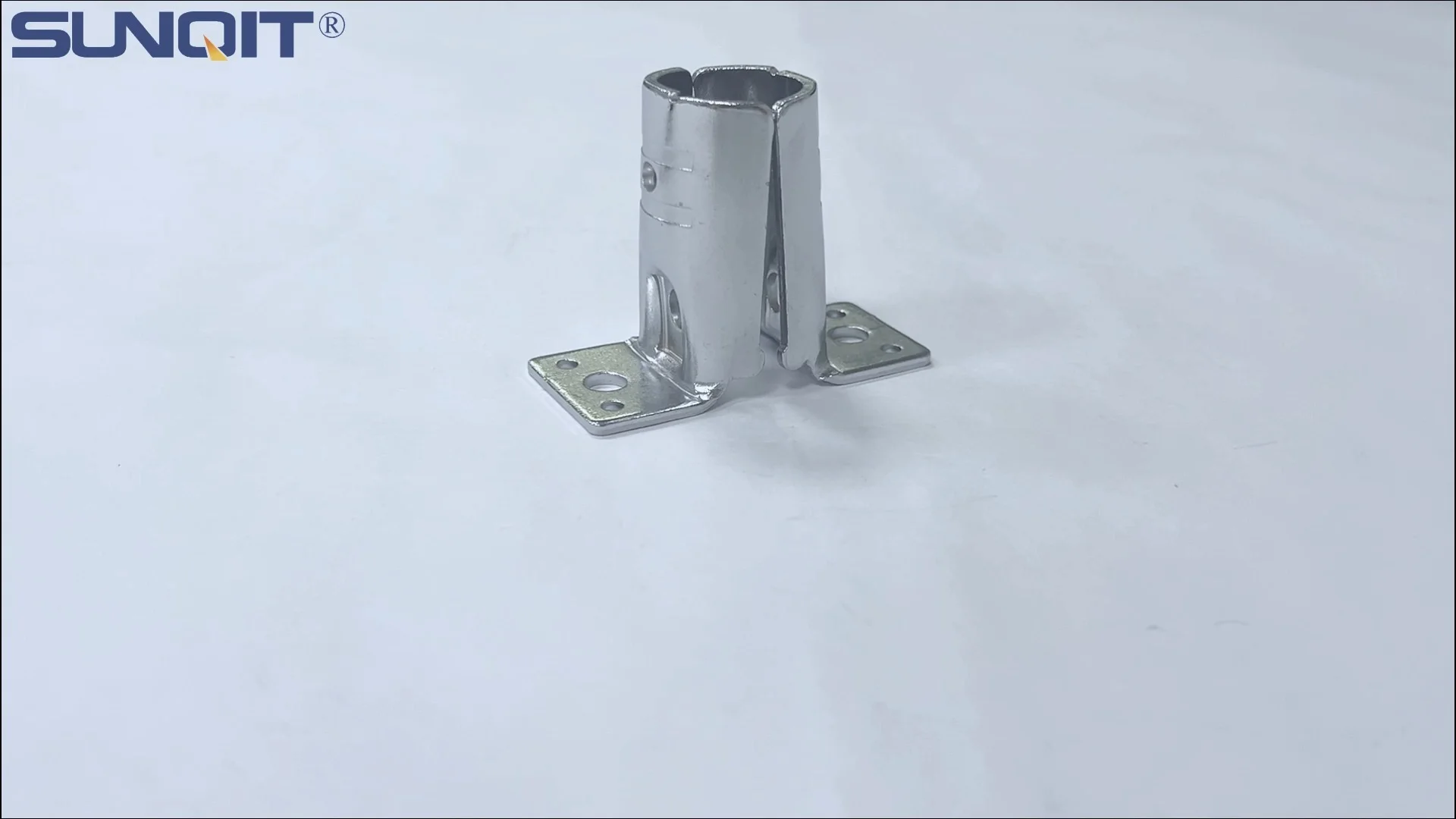
Vertical Lean Pipe Joint
Vertical lean pipe joint is used for 28mm lean pipe fixed on ground and keep it stable.
Walk into any modern manufacturing facility, and you'll notice a quiet revolution unfolding. Factories that once felt cluttered, slow, and rigid are now humming with efficiency—materials glide smoothly from one station to the next, workbenches adapt to workers' needs in seconds, and storage racks reconfigure on the fly to accommodate new products. This transformation isn't magic; it's the power of lean systems at work. At the heart of these systems, often overlooked but utterly essential, are components like vertical lean pipe joints. These unassuming connectors are the unsung heroes of customization, turning generic structures into tailored solutions that grow with your business. Today, we're diving deep into how vertical lean pipe joints unlock design flexibility, why they matter for modern lean systems, and how they integrate seamlessly with everything from workbenches to flow racks.
What Are Vertical Lean Pipe Joints, Anyway?
Let's start with the basics. Lean pipe joints are the building blocks of modular lean systems—think of them as the "Lego pieces" that hold everything together. Vertical lean pipe joints, specifically, are designed to connect pipes (or tubes) in vertical orientations, but their versatility goes far beyond that. Unlike fixed, one-size-fits-all connectors, these joints are engineered to pivot, lock, and adapt, allowing you to create structures that bend, stack, and reconfigure without welding, drilling, or specialized tools.
Picture this: A vertical lean pipe joint might connect a vertical support pipe to a horizontal crossbar on a workbench, or link a flow rack's uprights to its shelving. What makes them special is their ability to handle multiple angles and loads—some can rotate 180 degrees, others lock into fixed positions, and many are compatible with different pipe materials, from aluminum to stainless steel. They're small, but they pack a punch: a single high-quality vertical joint can support hundreds of pounds, ensuring stability even in high-traffic industrial settings.
But why "vertical" specifically? In lean systems, vertical space is often underutilized. Vertical joints let you build upward, maximizing floor space while keeping materials within easy reach. Whether you're adding overhead storage to a workbench or stacking flow rack levels to accommodate taller items, these joints turn "wasted air" into valuable real estate. And because they're modular, you're not stuck with that design forever—tomorrow, you can disassemble, adjust, and rebuild with minimal effort.
Design Flexibility: The Game-Changer for Modern Factories
In manufacturing, change is constant. A new product line might require wider workbenches; seasonal demand could mean reconfiguring flow racks to handle larger batches; or ergonomic upgrades might call for adjustable heights to reduce worker strain. Traditional fixed structures—welded steel racks, bolted workbenches—can't keep up. They're expensive to modify, time-consuming to replace, and often end up as scrap when needs shift. Vertical lean pipe joints solve this problem by putting flexibility at the forefront.
1. Tool-Free Assembly and Reconfiguration
Remember the last time you had to assemble furniture with a hex key and a confusing manual? Vertical lean pipe joints are nothing like that. Most use a simple (twist-lock) mechanism or hand-tightened bolts, meaning anyone on your team can assemble or reconfigure a structure in minutes, not hours. No welders, no drill presses, no specialized training—just a wrench (or even just your hands) and a vision. This speed is critical in fast-paced environments where downtime equals lost revenue.
For example, imagine a electronics manufacturer that suddenly needs to add ESD (electrostatic discharge) protection to its assembly line. With vertical lean pipe joints, they can quickly swap out standard workbench surfaces for ESD-safe ones, add grounding straps via joint-mounted clips, and adjust shelf heights to fit new component trays—all without stopping production.
2. Adaptable to Any Space (and Any Industry)
Whether you're running a compact automotive parts shop or a sprawling pharmaceutical warehouse, vertical lean pipe joints adapt to your space. Their modularity means you can design around obstacles—support columns, machinery, even uneven floors—without compromising on functionality. Need a workbench that fits in a tight corner? Use 45-degree and 90-degree vertical joints to create an L-shape. Want a flow rack that wraps around a conveyor? Vertical joints with rotating components let you curve the structure without weakening it.
This adaptability spans industries, too. In aerospace, where precision is paramount, vertical joints help build custom tool storage racks that keep sensitive equipment organized and secure. In food and beverage, stainless steel vertical joints resist corrosion and meet strict hygiene standards, making them ideal for flow racks that hold perishable goods. And in e-commerce fulfillment centers, where order volumes fluctuate daily, joints allow quick adjustments to picking stations to handle peak seasons.
3. Scalable as Your Business Grows
Startups and small manufacturers often face a dilemma: invest in expensive, permanent infrastructure that might be too big (or too small) in a year, or use temporary solutions that sacrifice efficiency. Vertical lean pipe joints eliminate this trade-off. They're scalable by design—you can start with a single workbench, then add shelves, extend flow racks, or build entire assembly lines as your business expands. And because components are standardized, you won't waste money on incompatible parts; today's vertical joint will work with tomorrow's pipes and accessories.
Consider a furniture manufacturer that starts with a small workshop. They use vertical joints to build a simple workbench and a few material racks. As orders pour in, they add more workbenches, connect them with roller conveyors (using vertical joints to support the conveyor rails), and stack flow racks to store extra lumber. A year later, when they move to a larger facility, they disassemble everything, transport it, and rebuild—no need to buy new equipment. That's the power of scalability.

Materials Matter: Choosing the Right Vertical Lean Pipe Joint
Not all vertical lean pipe joints are created equal. The material they're made from affects durability, weight, corrosion resistance, and cost. Let's break down the most common options and when to use them:
| Material Type | Key Features | Best For | Load Capacity (Approx.) |
|---|---|---|---|
| Aluminum | Lightweight, corrosion-resistant, sleek finish, compatible with aluminum profile accessories | Cleanrooms, electronics assembly, applications where weight matters | 200–400 lbs per joint |
| Stainless Steel | High strength, rust-proof, meets FDA/USDA standards | Food/beverage, pharmaceuticals, outdoor or wet environments | 400–600 lbs per joint |
| PE-Coated Steel | Durable, cost-effective, ESD-safe options available | General manufacturing, automotive, warehouses on a budget | 300–500 lbs per joint |
Aluminum vertical joints are a popular choice for modern facilities. They're lighter than steel, making structures easier to move and reconfigure, and their natural corrosion resistance means they hold up well in humid or dusty environments. Plus, they pair seamlessly with aluminum profile accessories—think guide rails, brackets, and panels—creating a cohesive, professional look. For example, an aluminum vertical joint might connect an aluminum pipe to a workbench's aluminum honeycomb panel, ensuring both strength and lightweight performance.
Stainless steel joints, on the other hand, are the workhorses of harsh environments. If your facility deals with chemicals, frequent washing, or extreme temperatures, stainless steel resists rust and degradation, ensuring your lean system lasts for years. They're heavier, but that extra weight translates to stability—critical for heavy-duty flow racks or material handling trolleys.
PE-coated steel joints offer a balance of affordability and durability. The plastic coating adds a layer of protection against scratches and minor corrosion, and some are even ESD-treated to prevent static buildup—essential for electronics manufacturing. They're a great choice for budget-conscious operations that still need reliable performance.

Integrating Vertical Lean Pipe Joints into Your Lean System
Vertical lean pipe joints don't work in isolation—they're part of a larger ecosystem of lean tools and equipment. Let's explore how they integrate with two staples of lean manufacturing: workbenches and flow racks.
Workbenches: Where Precision Meets Flexibility
The workbench is the heart of any assembly line, and vertical lean pipe joints make it smarter. Traditional workbenches are fixed in height and layout, forcing workers to adapt to the furniture. With vertical joints, you can design a workbench that adapts to the worker. Need a taller bench for a standing operator? Use longer vertical pipes and lock the joints at the desired height. Want to add a shelf for tools? Attach horizontal pipes to vertical joints on the bench's uprights. Need to move the bench? Add casters to the vertical base joints, turning it into a mobile workstation.
Accessories like monitor mounts, tool hooks, and bin holders can all be attached via vertical joints, keeping the workspace organized and clutter-free. And when tasks change—say, you switch from assembling small components to larger parts—simply reposition the joints to adjust the bench's layout. No more buying a new workbench; just reconfigure the one you have.
Flow Racks: Streamlining Material Flow
Flow racks are all about moving materials efficiently—from receiving to production to shipping. Vertical lean pipe joints are the backbone of these systems, supporting the racks' uprights and the roller tracks that let goods glide smoothly. By adjusting the angle of vertical joints, you can control the flow speed: steeper angles for lightweight items, shallower angles for heavier loads. Need to add more levels to a flow rack? Stack vertical pipes using coupler joints and secure them with vertical locking joints for stability.
Swivel roller balls, a common accessory in flow racks, can be mounted using vertical joints to create "pick faces" where workers access materials. The joints allow you to position the roller balls at the optimal height and angle, reducing (bending) and reaching—key for ergonomics. And if your product mix changes—say, you start handling wider boxes—vertical joints let you widen the rack by adding horizontal pipes between the uprights, no cutting or welding required.

Real-World Success: How Vertical Joints Transformed These Factories
Let's look at two case studies to see vertical lean pipe joints in action.
Case Study 1: Automotive Parts Manufacturer Cuts Downtime by 40%
A mid-sized automotive parts plant was struggling with frequent line changes. Every time they switched from producing brake components to suspension parts, they had to replace fixed steel workbenches and flow racks, causing 8-hour downtimes. They switched to a lean system built with aluminum vertical lean pipe joints, aluminum profile workbenches, and roller track flow racks. Now, reconfiguring a workbench takes 30 minutes (instead of 8 hours), and flow racks are adjusted by loosening vertical joints and repositioning roller tracks. Downtime dropped by 40%, and worker satisfaction improved—employees no longer waste time adapting to rigid equipment.
Case Study 2: Electronics Assembly Plant Boosts Ergonomics and Safety
An electronics manufacturer faced rising workers' compensation claims due to repetitive strain injuries. Their fixed-height workbenches forced employees to hunch over assemblies for hours. They invested in adjustable workbenches using vertical lean pipe joints with height-locking mechanisms. Now, each worker can set their bench to the perfect height with a simple twist of the joint. They also added vertical joint-mounted tool holders and ESD-safe shelves, reducing clutter and static-related defects. Claims dropped by 60%, and productivity increased as workers reported less fatigue.
Choosing the Right Lean Pipe Supplier
Great vertical lean pipe joints start with a great supplier. Here's what to look for:
- Quality Materials: Ensure they use high-grade aluminum, stainless steel, or PE-coated steel that meets industry standards for load capacity and durability.
- Range of Accessories: A good supplier offers not just joints, but pipes, roller tracks, casters, and other accessories—so you can source your entire lean system from one place.
- Technical Support: Look for suppliers that provide design assistance, installation guides, and responsive customer service. Building a custom lean system can be tricky; you need experts in your corner.
- Customization Options: Some suppliers offer custom joint sizes or finishes for unique applications—handy if you have specialized needs (like extra-large load capacities or custom colors).
Conclusion: The Future of Lean is Flexible
In a world where manufacturing demands are constantly shifting, rigidity is the enemy. Vertical lean pipe joints are more than just connectors—they're enablers of agility, allowing factories to adapt, grow, and thrive. Whether you're building a simple workbench or a complex assembly line, these small but mighty components put the "lean" in lean systems, minimizing waste, maximizing efficiency, and putting control back in your hands.
So, the next time you walk through your facility, take a closer look at the structures around you. Chances are, vertical lean pipe joints are holding them together—and with a little creativity, they could be holding together the next big improvement in your operations. After all, in lean manufacturing, the best solutions aren't just built—they're reimagined, reconfigured, and reused. And it all starts with a joint.