- Company Articles
- Products and Technology
- Product knowledge
- Vertical Lean Pipe Joints for Ergonomic Workstations: Height Adjustment Tips

Vertical Lean Pipe Joints for Ergonomic Workstations: Height Adjustment Tips
Related Product
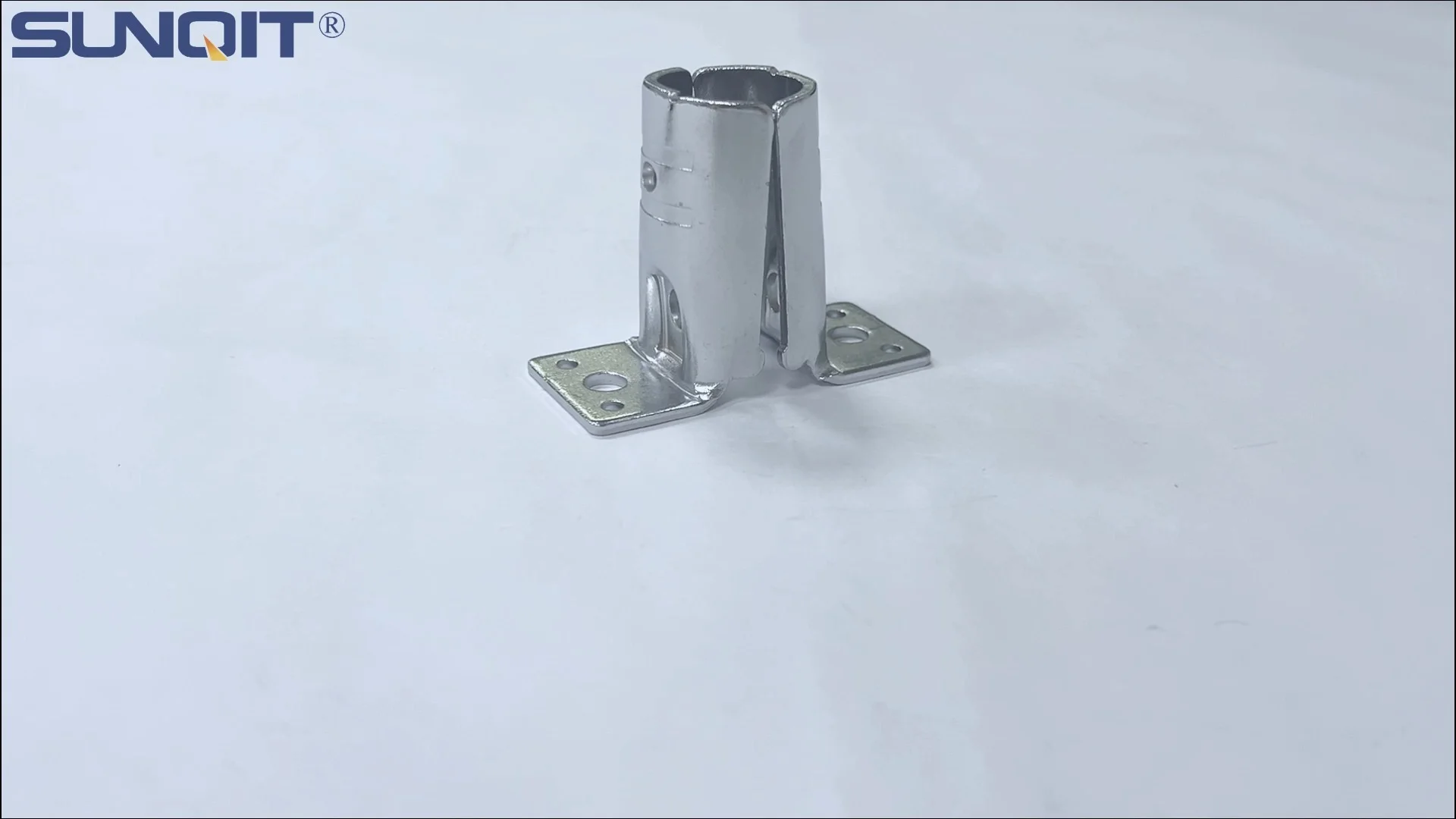
Vertical Lean Pipe Joint
Vertical lean pipe joint is used for 28mm lean pipe fixed on ground and keep it stable.
Introduction: The Hidden Key to Workplace Comfort
Walk into any busy factory, workshop, or assembly line, and you'll likely spot a common issue: workstations that feel "one-size-fits-none." A tall employee hunches over a bench meant for someone shorter; a shorter team member strains to reach tools placed too high. Over time, these mismatches lead to sore backs, stiff necks, and even chronic injuries—costing companies in lost productivity and rising healthcare claims. The solution? It often lies in a small but mighty component: the vertical lean pipe joint.
Vertical lean pipe joints are the unsung heroes of ergonomic workstation design. These simple yet versatile connectors allow workbenches, racks, and tables to adjust heights with ease, ensuring every team member can work comfortably, whether sitting, standing, or switching between the two. In this article, we'll dive into how these joints work, why they matter for ergonomics, and share actionable tips to master height adjustment using vertical lean pipe joints—plus, how pairing them with elements like caster wheels can take your workstation flexibility to the next level.
Why Ergonomic Height Adjustment Matters More Than You Think
Before we explore vertical lean pipe joints, let's clarify why adjustable height is non-negotiable for modern workstations. Ergonomics isn't just about "comfort"—it's about creating environments that support human health and performance. Here's why height adjustability tops the list:
1. Reducing Musculoskeletal Strain: The Bureau of Labor Statistics reports that over 30% of workplace injuries stem from overexertion or repetitive motion. A workstation that's too low forces users into a hunched posture, compressing the spine; one that's too high strains the shoulders and neck. Adjustable heights align the body's natural posture, cutting injury risk dramatically.
2. Boosting Productivity: Discomfort is a productivity killer. When employees are focused on pain, they're not focused on tasks. Studies show ergonomic workstations can increase output by 15-20% by reducing fatigue and improving concentration.
3. Accommodating Diverse Teams: Today's workplaces thrive on diversity—including diverse body types. A team with members ranging from 5'2" to 6'4" needs workstations that adapt, not rigid setups that leave some members struggling.
4. Meeting Safety Standards: OSHA and international bodies like ISO mandate that workstations "fit the worker." Non-adjustable setups risk non-compliance, leading to fines or legal liabilities.

Understanding Vertical Lean Pipe Joints: Design, Function, and Benefits
At their core, vertical lean pipe joints are connectors that link metal pipes (often aluminum or steel) to form structures like workbenches, racks, or trolleys. What makes them "vertical" is their ability to adjust the height of these structures by loosening, repositioning, and locking pipes in place. Let's break down their key features:
Design & Materials: Most vertical lean pipe joints are made of durable metal, with options like chrome plating (as seen in "vertical lean pipe joint chrome" models) for added corrosion resistance and a sleek finish. Chrome joints are especially popular in environments where cleanliness matters, like electronics assembly or food processing, as they're easy to wipe down and less prone to rust.
Functionality: These joints typically feature a rotating or sliding mechanism that allows pipes to move up or down along a vertical axis. A locking bolt or lever secures the joint once the desired height is reached, ensuring stability even under heavy loads. Some advanced models include incremental height markings for precision adjustments.
Compatibility: Vertical lean pipe joints are designed to work seamlessly with lean pipe workbenches—the modular, customizable workstations widely used in lean manufacturing systems. This compatibility means you don't need to replace entire workbenches; simply upgrade the joints to add adjustability.
In short, vertical lean pipe joints turn static workstations into dynamic tools that grow with your team's needs.

5 Expert Tips for Perfect Height Adjustment with Vertical Lean Pipe Joints
Now that we understand the "what" and "why," let's focus on the "how." Here are five actionable tips to master height adjustment using vertical lean pipe joints, ensuring your workstation is both ergonomic and efficient.
Tip 1: Start by Mapping User Needs
Before adjusting a single joint, take time to understand who will use the workstation. Grab a measuring tape and note key metrics:
- Elbow Height: For standing work, the ideal bench height is where the user's elbows bend at a 90° angle when arms hang naturally. For sitting work, it's slightly lower—elbows should rest comfortably on the surface without shoulder strain.
- Task Requirements: Will the user primarily type, assemble small parts, or lift heavy items? Assembly tasks may need lower heights for precision, while lifting tasks benefit from higher surfaces to reduce bending.
- Team Diversity: If multiple people use the same workstation, calculate the "range" of heights. For example, if your shortest team member is 5'1" and tallest is 6'3", aim for an adjustment range of 28-40 inches (standard for most lean pipe workbenches).
Pro tip: Create a simple "height chart" for each workstation, listing recommended settings for different users. This saves time and ensures consistency.
Tip 2: Choose the Right Vertical Lean Pipe Joint for the Job
Not all vertical lean pipe joints are created equal. To avoid wobbly workstations or failed adjustments, consider these factors when selecting joints:
- Load Capacity: Check the joint's weight rating. A joint meant for light tools (200 lbs) won't hold up to a workbench loaded with machinery (500+ lbs). Most reputable lean pipe suppliers list load capacities clearly—don't skip this detail.
- Adjustment Mechanism: Fixed joints lock at specific heights, while fully adjustable models allow infinite positioning. For teams with varied needs, adjustable joints (like chrome-plated vertical lean pipe joints with quick-release levers) are worth the investment.
- Corrosion Resistance: In humid or messy environments (e.g., automotive shops), opt for chrome or stainless steel joints to prevent rust. For dry, clean areas, standard metal joints may suffice.
Not sure where to find quality joints? Partner with a trusted lean pipe supplier who offers samples or technical support—they can help match joints to your specific use case.
Tip 3: Master the Adjustment Process (It's Easier Than You Think)
Adjusting height with vertical lean pipe joints is straightforward, but rushing leads to mistakes. Follow these steps for safe, stable results:
- Clear the Workbench: Remove tools, materials, and equipment to avoid accidents during adjustment.
- Loosen the Joint Lock: Use a wrench or hex key to loosen the locking bolt on the vertical lean pipe joint. Most joints require a ¼-turn to release—don't over-loosen, as this can dislodge the pipe.
- Adjust Height: Lift or lower the pipe to the desired position. For precision, use the height chart you created earlier. If the joint has height markings, align the pipe with the correct line.
- Lock Securely: Tighten the locking bolt until it's snug—over-tightening can strip threads or warp the joint. Give the workbench a gentle shake to test stability; if it wobbles, recheck the lock.
- Re-test with Load: Place typical tools/equipment back on the bench and check for sagging. If the joint slips, it may be underrated for the load—upgrade to a higher-capacity model.
Tip 4: Pair with Caster Wheels for Ultimate Mobility
Height adjustability solves one problem; mobility solves another. Adding caster wheels to your lean pipe workbench lets you move it easily—perfect for reconfiguring workflows, cleaning, or sharing stations between teams. When pairing caster wheels with vertical lean pipe joints:
- Choose Lockable Casters: Look for caster wheels with brake levers to lock the workstation in place during use. This prevents movement while adjusting height or working.
- Match Load Ratings: Caster wheels have weight limits too! If your workbench holds 300 lbs, select casters rated for at least 80 lbs each (4 casters x 80 lbs = 320 lbs total, adding a safety buffer).
- Consider Floor Type: Soft rubber caster wheels work best on concrete or tile, while hard plastic wheels are better for smooth floors like vinyl. Avoid metal wheels—they scratch surfaces and create noise.
Pro tip: Install casters with swivel locks if you need the workstation to stay aligned in tight spaces (e.g., assembly lines with fixed conveyor paths).
Tip 5: Maintain Joints for Long-Lasting Performance
Vertical lean pipe joints are durable, but they need care to stay functional. A little maintenance goes a long way:
- Clean Regularly: Wipe chrome joints with a damp cloth to remove dust and grease—this prevents corrosion and keeps the locking mechanism smooth.
- Lubricate Moving Parts: Every 3-6 months, apply a drop of machine oil to the joint's pivot points. Avoid WD-40 (it's a cleaner, not a lubricant); use lithium grease or 3-in-1 oil instead.
- Inspect for Wear: Check bolts for rust, cracks in the joint body, or stripped threads. replace damaged joints immediately—compromised joints risk workstation collapse.
- Tighten Loose Connections: Over time, vibration can loosen bolts. Do a quick "tightness check" monthly to keep joints secure.

Comparing Vertical Lean Pipe Joint Models: A Quick Reference
| Joint Type | Load Capacity (lbs) | Adjustment Range (inches) | Material | Best For |
|---|---|---|---|---|
| Standard Vertical Lean Pipe Joint | 250 | 0-36 | Zinc-Plated Steel | General assembly workbenches |
| Vertical Lean Pipe Joint Chrome | 300 | 0-48 | Chrome-Plated Steel | Clean rooms, food processing |
| Heavy-Duty Vertical Joint | 500 | 0-30 | Stainless Steel | Workstations with heavy machinery |
| Quick-Release Vertical Joint | 200 | 0-40 | Aluminum Alloy | Frequent height changes (e.g., shared workstations) |
*Data based on average specifications from leading lean pipe suppliers. Always verify with your supplier for exact ratings.
Case Study: How One Factory Cut Injuries by 40% with Adjustable Workstations
A mid-sized electronics manufacturer in Ohio was struggling with high turnover and rising workers' compensation claims. Their assembly line workstations were fixed at 36 inches—too low for their tallest employees (6'+), leading to chronic back pain, and too high for shorter team members (under 5'4"), causing shoulder strain. The HR team reported 12 injury claims in Q1 alone.
The solution? The factory partnered with a lean pipe supplier to upgrade 20 workstations with vertical lean pipe joint chrome models and lockable caster wheels. They trained teams to adjust heights using the elbow-height method and created height charts for each station. Within three months, injury claims dropped to 7, and employee surveys showed a 35% increase in reported comfort. By Q4, the factory saved over $20,000 in workers' comp costs—proving that investing in ergonomic joints pays off.
Common Mistakes to Avoid
Even with the best tips, missteps happen. Watch out for these pitfalls:
- Ignoring Load Limits: Overloading a joint to "save money" on a heavy-duty model is risky. A 250-lb joint won't hold 400 lbs—even temporarily.
- Skipping the Height Chart: Guessing heights leads to inconsistent setups. Take 10 minutes to measure your team—it's worth it.
- Using Mismatched Parts: Mixing joints from different suppliers can cause compatibility issues. Stick to one brand or verify cross-compatibility first.
- Neglecting Caster Wheel Quality: Cheap caster wheels wobble or lock poorly, undermining workstation stability. Invest in casters with metal (not plastic) brakes.
- Forgetting Maintenance: A "set it and forget it" approach leads to joint failure. Schedule quarterly maintenance checks to keep joints in top shape.
Conclusion: Invest in Your Team, Invest in Joints
Ergonomic workstations aren't a luxury—they're a necessity. Vertical lean pipe joints put that necessity within reach, offering an affordable, flexible way to adjust heights and keep your team comfortable. By following these tips—mapping user needs, choosing the right joints, mastering adjustments, pairing with caster wheels, and maintaining regularly—you'll create workstations that reduce injuries, boost morale, and drive productivity.
Remember: The best workstation is one that adapts to your team, not the other way around. So, talk to your lean pipe supplier today, upgrade those joints, and watch your team thrive—one adjustable height at a time.