- Company Articles
- Products and Technology
- Product knowledge
- Vertical Lean Pipe Joints for High-Temperature Environments: Material Selection

Vertical Lean Pipe Joints for High-Temperature Environments: Material Selection
Related Product
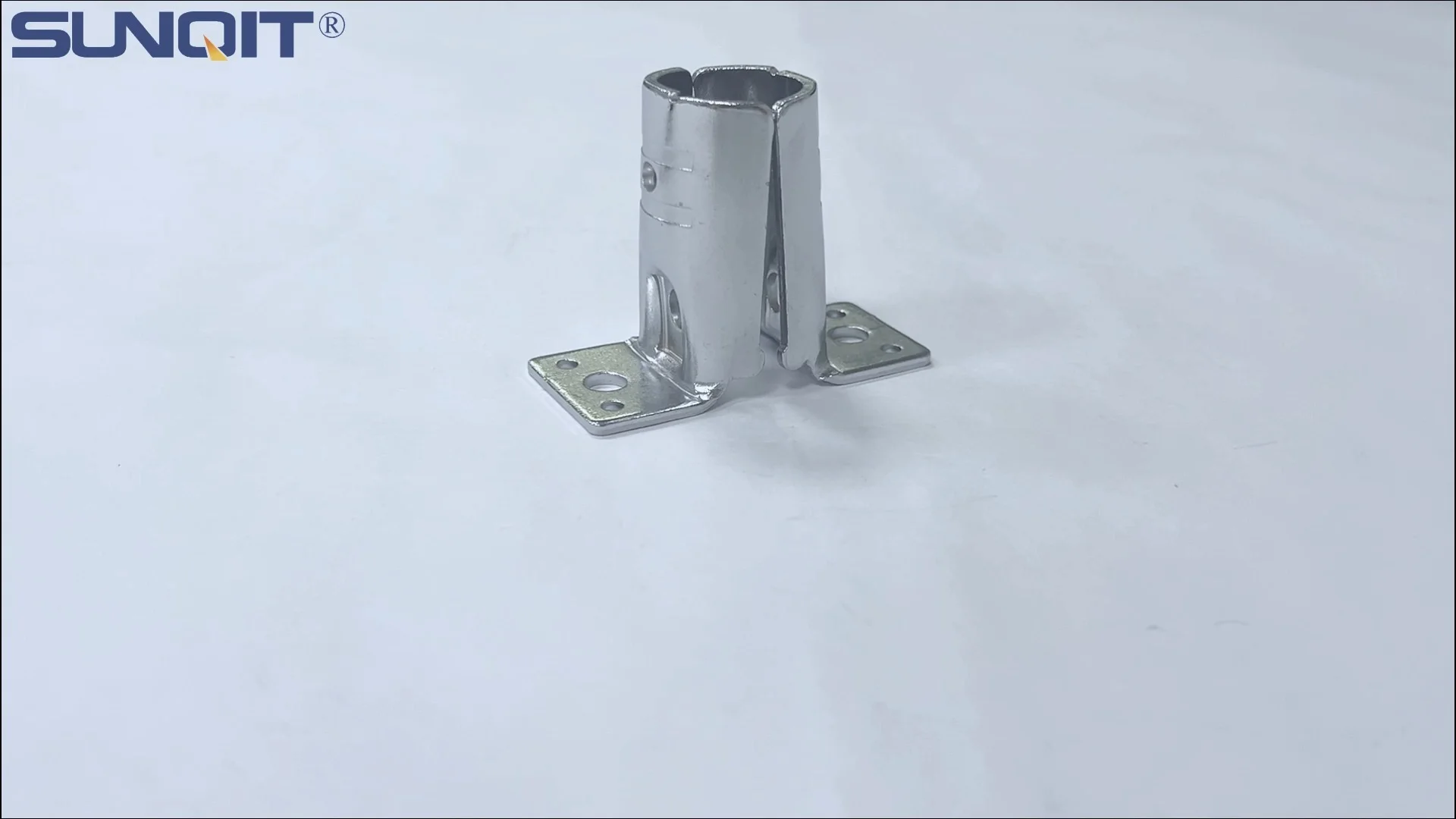
Vertical Lean Pipe Joint
Vertical lean pipe joint is used for 28mm lean pipe fixed on ground and keep it stable.
Walk into any bustling manufacturing plant, and you'll quickly spot the backbone of its operations: lean pipe structures. These versatile systems—from workbenches and flow racks to conveyor lines and material trolleys—keep assembly lines moving, tools organized, and products flowing. But in environments where temperatures climb—think automotive paint booths, food processing facilities with industrial ovens, or electronics factories with heat-generating machinery—one component becomes the linchpin of reliability: the vertical lean pipe joint. These unassuming connectors don't just hold up shelves or support workbenches; they withstand relentless heat, thermal stress, and daily wear. Choose the wrong material, and you're staring down wobbly structures, unexpected downtime, or even safety risks. So, how do you select the right vertical lean pipe joint material for high-temperature settings? Let's dive in.
The Hidden Challenges of High-Temperature Environments
High temperatures don't just make a workspace uncomfortable—they wage war on materials. For vertical lean pipe joints, which bear vertical loads and stabilize entire structures, three critical challenges emerge:
Thermal Expansion and Contraction: All materials expand when heated and shrink when cooled. In a factory with fluctuating temperatures—say, a morning startup followed by hours of machinery running—this constant expansion and contraction can loosen joints, creating gaps or misalignments. Over time, even a small shift can turn a stable rack into a wobbly hazard.
Material Degradation: Heat accelerates chemical reactions, breaking down materials at the molecular level. Plastics may soften or melt, metals can lose tensile strength, and coatings might crack or peel. In extreme cases, a once-sturdy joint could become brittle or malleable, failing under its intended load.
Corrosion and Wear: High temperatures often pair with moisture (e.g., steam in food processing) or chemicals (e.g., solvents in paint shops). This combo creates the perfect storm for corrosion. Rust, oxidation, or chemical pitting weakens joints, reducing their lifespan and reliability.
To combat these issues, material selection isn't just about picking something "strong enough"—it's about choosing a material that stays strong, stable, and intact when the heat is on.
Key Materials for Vertical Lean Pipe Joints in High Heat
Not all lean pipe materials are created equal when temperatures rise. Let's explore the top contenders—stainless steel, PE coated lean pipe, aluminum lean pipe, and aluminum profile—and how they stack up.
1. Stainless Steel Pipe Series: The Heat-Resistant Workhorse
When high temperatures are non-negotiable, the stainless steel pipe series often takes center stage. Engineered with chromium (and often nickel or molybdenum), stainless steel resists both heat and corrosion, making it a staple in harsh environments. Let's break down its strengths:
Temperature Resistance: Most stainless steel alloys thrive under heat. 304 stainless steel, the most common grade, handles continuous temperatures up to 870°C (1600°F) before losing significant strength. For even hotter settings—like industrial furnaces—316 stainless steel (with added molybdenum) offers enhanced heat resistance and better protection against chloride corrosion, making it ideal for coastal or high-moisture high-heat areas.
Corrosion Resistance: The chromium in stainless steel forms a thin, invisible oxide layer that self-heals when damaged, preventing rust and pitting. This is critical in high-heat environments where moisture (e.g., steam) or chemicals (e.g., cleaning agents in food plants) are present.
Strength Under Stress: Stainless steel maintains its tensile strength at high temperatures better than many other materials. A vertical lean pipe joint made from 304 stainless steel won't bend or warp under load, even after hours of exposure to 500°C (932°F) heat.
Limitations: Stainless steel isn't perfect. It's heavier than aluminum, which can make assembly trickier, and it comes with a higher price tag. For low-temperature or low-stress applications, this extra durability might be overkill.
2. PE Coated Lean Pipe: A Budget-Friendly Option with a Heat Limit
PE coated lean pipe—standard steel pipes wrapped in a polyethylene (PE) layer—has long been popular in general manufacturing for its affordability and corrosion resistance. The PE coating protects against scratches, minor impacts, and rust, making it a go-to for warehouses or assembly lines in room-temperature settings. But when temperatures climb, its weaknesses emerge:
Temperature Vulnerability: PE coatings start to soften around 80°C (176°F) and melt completely around 120°C (248°F). In environments like bakeries (where ovens emit radiant heat) or automotive drying tunnels, this means the coating can bubble, peel, or even drip—exposing the underlying steel to corrosion and weakening the joint's grip.
Thermal Conductivity: Steel conducts heat well, so even if the PE coating holds, the pipe itself can transfer heat to the joint, causing the plastic components (like nylon connectors) to degrade over time.
Best For: PE coated lean pipe is a solid choice for cool or moderately warm environments (below 60°C/140°F), like general assembly lines or office supply storage. But in high-heat settings? It's a risky shortcut.
3. Aluminum Lean Pipe: Lightweight but Heat-Sensitive
Aluminum lean pipe has gained traction for its lightweight design and sleek appearance, often used in cleanrooms or industries where portability matters. But how does it fare in high heat?
Thermal Conductivity: Aluminum conducts heat exceptionally well, which can be a double-edged sword. In moderate heat (up to 100°C/212°F), it dissipates heat evenly, preventing hotspots. But in extreme heat (above 200°C/392°F), this conductivity works against it: the metal itself absorbs heat, weakening its structural integrity.
Temperature Limits: Most aluminum alloys start to lose strength around 200°C (392°F). At 300°C (572°F), even high-grade aluminum becomes soft and prone to bending—bad news for a vertical joint supporting a heavy material rack.
Corrosion Resistance: Like stainless steel, aluminum forms a protective oxide layer, but it's thinner and less durable. In high-heat, high-moisture environments, this layer can break down, leading to pitting or white rust.
Best For: Aluminum lean pipe shines in moderate-temperature settings (60–150°C/140–302°F) where weight is a priority, such as lightweight workbenches or mobile trolleys. But for sustained high heat, it's not the best fit.
4. Aluminum Profile: Structural Support in Moderate Heat
Aluminum profile—extruded aluminum shapes with T-slots—isn't a lean pipe joint itself, but it's often used alongside vertical lean pipe joints to build sturdy frames. Its heat resistance is similar to aluminum lean pipe: good for moderate temperatures but limited in extreme heat. However, when paired with stainless steel joints, aluminum profile can add structural rigidity without adding excessive weight, making it a useful in high-heat systems.

Material Showdown: Comparing the Contenders
To simplify the decision, let's compare these materials across key metrics for high-temperature vertical lean pipe joints:
| Material | Max Continuous Temp Resistance | Corrosion Resistance | Strength at High Temp | Cost (Relative) | Best For |
|---|---|---|---|---|---|
| Stainless Steel (304/316) | 870°C (1600°F) / 1093°C (2000°F) | Excellent (resists rust, chemicals) | High (minimal strength loss) | High | Extreme heat + moisture/chemicals (paint booths, ovens) |
| PE Coated Lean Pipe | 60°C (140°F) (coating fails above) | Good (coating protects steel) | Low (coating melts, steel weakens) | Low | Room-temperature environments (general storage) |
| Aluminum Lean Pipe | 200°C (392°F) | Moderate (prone to pitting in moisture) | Moderate (softens above 200°C) | Medium | Moderate heat + lightweight needs (mobile trolleys) |
| Aluminum Profile | 200°C (392°F) | Moderate | Moderate (paired with strong joints) | Medium | Structural frames in moderate heat |

Real-World Lessons: Case Studies in Material Selection
Case Study 1: Automotive Paint Shop Upgrades to Stainless Steel
A leading automotive manufacturer was struggling with frequent failures in their paint booth material racks. Initially, they'd used PE coated lean pipe joints, assuming the booth's 80°C (176°F) temperature was "low enough." Within six months, the PE coating had melted, leaving steel joints exposed to paint fumes and moisture. Racks began to wobble, and a near-miss with a falling part prompted action. They switched to 316 stainless steel pipe series joints. Two years later, the racks are stable, corrosion-free, and require minimal maintenance—proving that investing in stainless steel paid off in reliability.
Case Study 2: Food Processing Plant Learns the Limits of Aluminum
A bakery installed aluminum lean pipe joints in their oven-side material racks, drawn to aluminum's lightweight design. The racks held baking trays near ovens where temperatures reached 180°C (356°F). At first, all seemed well. But after three months of daily heat cycles, workers noticed the vertical joints were bending, causing trays to slide. An inspection revealed the aluminum had softened under sustained heat. The solution? Replacing the vertical joints with 304 stainless steel while keeping aluminum profile for horizontal supports. The hybrid system combined stainless steel's heat resistance with aluminum's light weight, solving the problem.

Best Practices for Choosing High-Temp Vertical Lean Pipe Joints
Selecting the right material is just the first step. To ensure your vertical lean pipe joints thrive in high temperatures, follow these guidelines:
1. Know Your Exact Temperature Range: Don't guess—measure! Use a thermal gun to record peak temperatures near the joints. A paint booth might hit 200°C (392°F) during curing, while a warehouse near a furnace could reach 150°C (302°F). This data will narrow your material options.
2. Factor in Thermal Cycling: Even if peak temps are moderate, frequent temperature swings (e.g., daily startup and shutdown) cause more stress than constant heat. Stainless steel handles cycling better than aluminum or PE coated pipe.
3. Consult Your Lean Pipe Supplier: A reputable lean pipe supplier won't just sell you parts—they'll help you test materials. Ask for heat-resistance data, or request samples to test in your specific environment. A good supplier might even share case studies from similar industries.
4. Prioritize Safety Over Cost: Cutting corners with PE coated pipe in a high-heat area might save money upfront, but the cost of downtime, repairs, or accidents will far exceed the savings. Stainless steel may cost more, but it's an investment in reliability.
5. Inspect Regularly: Even the best materials need check-ups. Tighten loose joints, replace damaged coatings, and look for signs of corrosion or deformation. Catching issues early prevents failures.
Final Thoughts: The Right Material for the Job
Vertical lean pipe joints might not grab headlines, but they're the backbone of high-temperature manufacturing. For extreme heat, corrosion, and heavy loads, stainless steel pipe series joints are the gold standard. For moderate temps and lightweight needs, aluminum lean pipe or aluminum profile (paired with stainless joints) works well. And for room-temperature settings, PE coated lean pipe is a budget-friendly option—but never in high heat.
At the end of the day, the best material is the one that matches your environment's unique demands. By understanding the challenges of high temperatures, comparing your options, and partnering with a knowledgeable lean pipe supplier, you can build lean pipe systems that stand strong—no matter how hot it gets.