- Company Articles
- Products and Technology
- Product knowledge
- Vertical Lean Pipe Joints for Mobile Carts: Stability & Maneuverability Tips

Vertical Lean Pipe Joints for Mobile Carts: Stability & Maneuverability Tips
Related Product
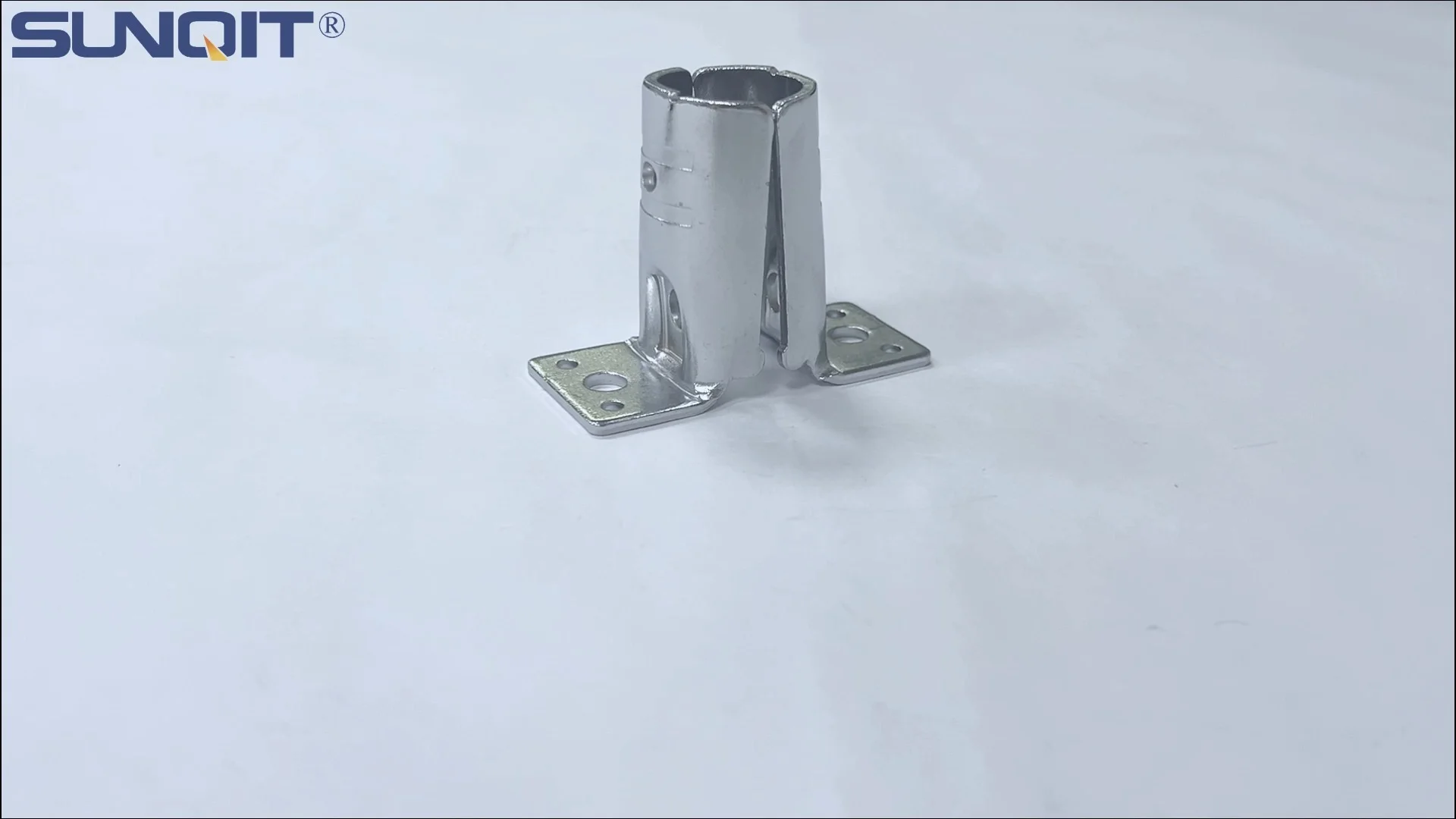
Vertical Lean Pipe Joint
Vertical lean pipe joint is used for 28mm lean pipe fixed on ground and keep it stable.
Mobile carts are the unsung workhorses of warehouses, factories, and workshops—quietly keeping operations moving by transporting materials, tools, and products where they're needed most. But behind their smooth glide and steady hold lies a critical component that often goes unnoticed: the vertical lean pipe joints. These small but mighty connectors link the cart's vertical pipes (its "legs") to the horizontal frame, acting as the backbone of both stability and maneuverability. A weak joint can turn a reliable cart into a wobbly hazard, while a well-designed one ensures loads stay secure and movement feels effortless. In this guide, we'll dive into why vertical lean pipe joints matter, how they impact your cart's performance, and practical tips to choose, install, and maintain them for peak efficiency.
Understanding Vertical Lean Pipe Joints: The Cart's Hidden Foundation
Before we jump into stability and maneuverability, let's get clear on what vertical lean pipe joints are and what they do. Imagine your mobile cart as a simple structure: four vertical pipes (legs) support a horizontal frame, which holds shelves, bins, or trays for carrying items. The vertical joints are the pieces that fasten the bottom of these vertical pipes to the horizontal frame rails, or in some cases, directly to the caster install base (the plate that holds the caster wheels). Think of them as the "knees" of the cart—they connect the moving parts (wheels) to the stationary frame, bearing the brunt of the load and ensuring everything stays aligned.
These joints come in various designs, materials, and sizes, each tailored to specific needs. Common materials include steel (often coated in chrome for durability), aluminum (lightweight and corrosion-resistant, like aluminum lean pipe), and plastic (for lightweight, low-load applications). Some are fixed, designed to lock pipes at a rigid 90-degree angle, while others (though less common in vertical applications) might offer limited rotation. But for mobile carts, fixed vertical joints are the norm—their job is to keep the legs firmly anchored, preventing side-to-side movement that could destabilize the cart.
Why does this matter? Because every time you load a cart with boxes, tools, or components, the vertical joints distribute that weight from the frame down to the caster wheels. If they're poorly made or incorrectly installed, that weight isn't spread evenly. One leg might bear more load than others, causing the cart to lean. Or the joints might flex under pressure, making the cart wobble as you push it. In worst-case scenarios, a failed joint could even cause the cart to tip, risking damage to goods or injury to workers. On the flip side, a high-quality vertical lean pipe joint—one with a secure grip, strong materials, and precise engineering—turns a basic cart into a reliable tool that handles heavy loads and tight corners with ease.
Stability 101: How Vertical Joints Keep Carts Upright and Secure
Stability is non-negotiable when it comes to mobile carts. A cart that (shakes) or threatens to tip isn't just inefficient—it's dangerous. And vertical lean pipe joints are the first line of defense against instability. Let's break down the key ways these joints impact how well your cart holds its ground.
Load Distribution: The Joint's Primary Job
Every item you place on a cart adds weight, and that weight needs to travel from the shelves down through the frame, into the vertical pipes, through the joints, and finally to the caster wheels. A vertical joint's design directly affects how evenly this weight is distributed. For example, a joint with a wide clamping surface (like the vertical lean pipe joint chrome, which often features a large, curved clamp) grips the pipe more securely, spreading the load across a larger area of the pipe. This reduces stress on the pipe itself and prevents it from bending or cracking under heavy loads.
By contrast, a cheap, plastic joint with a narrow clamp might pinch the pipe, creating weak points that can fail over time. This is especially true for carts that carry uneven loads—say, a box (heavier on one side). A strong vertical joint will resist the temptation to "give" under that uneven pressure, keeping the cart's center of gravity stable.
Material Matters: Steel vs. Aluminum Lean Pipe Joints
The material of the joint (and the pipe it connects to) also plays a big role in stability. Steel joints, like the 180° fixed lean pipe joint chrome, are known for their high load capacity—some can handle up to 500kg per joint, making them ideal for industrial carts carrying heavy machinery parts or bulk materials. Aluminum lean pipe joints, on the other hand, are lighter and corrosion-resistant, making them better for clean environments (like labs or food processing facilities) or carts that need to be moved frequently by hand. While aluminum joints have lower load capacities (typically 200-300kg), their strength-to-weight ratio is excellent, and they pair well with aluminum lean pipe for a lightweight yet sturdy cart.
| Joint Type | Material | Typical Load Capacity (Per Joint) | Stability Features | Best For |
|---|---|---|---|---|
| Vertical Lean Pipe Joint Chrome | Steel (Chrome-Plated) | 300-500kg | Wide clamp surface, rigid 90° angle lock, corrosion-resistant coating | Heavy industrial carts, warehouses, outdoor use |
| Internal Rotary Aluminum Joint | Aluminum Alloy | 150-250kg | Precision-machined for tight fits, lightweight, rust-proof | Cleanrooms, labs, lightweight material transport |
| Plastic-Coated Lean Pipe Joint | Steel with Plastic Coating | 100-200kg | Non-slip grip, protects pipes from scratches, affordable | Retail, light manufacturing, low-load carts |
Alignment: The Hidden Stability Factor
Even the strongest joint can't save a cart if it's misaligned. Vertical joints that don't lock pipes at a precise 90-degree angle to the frame will cause the legs to splay outward or inward, throwing off the cart's balance. Over time, this misalignment strains the joints and pipes, leading to premature wear. Look for joints with built-in alignment guides, like notches or markers that help you line up the vertical pipe perfectly with the frame. Some aluminum lean pipe joints even feature etched lines to ensure a square fit—small details that make a big difference in long-term stability.

Maneuverability: When Joints Make Movement Feel Effortless
Stability is about keeping the cart upright—but maneuverability is about making it easy to move. You might think caster wheels are the only factor here, but vertical lean pipe joints play a surprising role in how smoothly your cart glides, turns, and stops. A cart with well-aligned, properly tightened joints feels "light" to push, even when loaded, while a cart with misaligned or loose joints can feel like it's fighting against you.
Alignment and "Pull": Why Straight Joints Mean Straight Movement
Ever pushed a cart that seems to pull to the left or right, even on a flat floor? Chances are, the vertical joints are to blame. If two opposite legs are slightly longer than the others (due to misaligned joints), the cart will tilt, causing the caster wheels to drag. Or if the joints on one side are angled slightly outward, the wheels on that side will point away from the cart's center, making it veer off course. This isn't just annoying—it's tiring for workers and can lead to uneven wear on caster wheels, which then need replacing sooner.
Precision-machined joints, like the internal rotary aluminum joint (despite the "rotary" name, vertical applications often lock it in place), help prevent this. Their tight tolerances ensure each vertical pipe is exactly the same length and angle, so the cart sits level. When all four legs are even, the caster wheels bear equal weight, and the cart moves straight with minimal effort.
Tightness: Finding the Sweet Spot
How tight should you tighten vertical lean pipe joints? It's a balancing act. Overtightening can warp the joint or strip the threads, making it hard to adjust later. It can also stress the frame, causing it to bend slightly and creating friction that makes the cart harder to push. Undertightening, though, leaves room for movement: the joint might "creak" or shift under load, making the cart feel unstable and increasing the risk of the pipe slipping out of the joint entirely.
The key is to tighten joints until they're snug, but not so tight that the pipe or joint deforms. Many manufacturers recommend using a torque wrench for critical applications, but a good rule of thumb is to tighten until you feel resistance, then give the bolt a quarter-turn more. For aluminum lean pipe joints, which are softer than steel, be extra careful—overtightening can crack the aluminum, ruining the joint.
Real-World Example: A Warehouse's Maneuverability Makeover
A mid-sized electronics warehouse was struggling with slow order picking times. Workers complained that the mobile carts (used to collect small components) were "heavy" and hard to push through narrow aisles. An inspection revealed the carts had old, plastic vertical joints that were cracked and loose. The warehouse replaced them with vertical lean pipe joint chrome, which have a more secure grip and better alignment. After the swap, workers reported the carts felt "20% lighter," and order picking speed increased by 15%. The secret? The new joints kept the legs aligned, so the caster wheels rolled freely instead of dragging.
Joint Flexibility (Or Lack Thereof)
While vertical joints are typically fixed, some designs offer limited flexibility to absorb shocks—useful for carts used on uneven floors (like loading docks with cracks). For example, joints with rubberized gaskets or spring-loaded clamps can cushion small bumps, reducing jostling of the load and making the cart easier to control. However, too much flexibility is a bad thing: joints that "give" under pressure will make the cart feel unstable during turns. For most indoor applications (smooth factory floors, warehouses), rigid fixed joints are best—they keep the cart stable and predictable.

Choosing the Right Vertical Lean Pipe Joint for Your Cart
With so many options—steel, aluminum, chrome-plated, plastic-coated—it can be hard to pick the right vertical lean pipe joint. The key is to match the joint to your cart's intended use, load capacity, and environment. Here's a step-by-step guide to help you decide:
Step 1: Calculate Your Load
Start by determining the maximum weight your cart will carry, including the weight of the cart itself. If you're transporting heavy machinery parts (500kg+), steel joints like the 180° fixed lean pipe joint chrome are a must. For lighter loads (100-300kg), aluminum lean pipe joints or plastic-coated steel joints work well. Don't skimp here—overloading a joint beyond its capacity is a safety hazard.
Step 2: Consider the Environment
Where will the cart be used? In a dry warehouse? A humid food processing plant? A cleanroom? For corrosive environments (moisture, chemicals), stainless steel pipe series joints or aluminum lean pipe joints are best—they resist rust and won't degrade over time. For cleanrooms (like electronics manufacturing), aluminum joints are ideal because they're easy to sanitize and don't shed particles. In dusty environments, look for joints with sealed threads to prevent debris from jamming the clamp.
Step 3: Match Joints to Pipe Material
Your vertical joint must be compatible with the pipe it's connecting. Aluminum lean pipe requires joints designed for aluminum—steel joints with sharp edges can scratch or damage aluminum pipes, weakening them. Similarly, plastic-coated lean pipe (like 1.5mm pe coated lean pipe) needs joints with smooth, non-abrasive clamps to avoid tearing the coating, which protects the steel underneath from rust.
Step 4: Think About Future Adjustments
Will you need to reconfigure the cart later (e.g., add shelves, change leg height)? If so, choose joints that are easy to loosen and retighten, like the internal rotary aluminum joint (which, despite the name, can be unlocked for adjustments). Fixed chrome joints are more permanent—great for stability but harder to modify. If flexibility is key, opt for joints with quick-release levers or tool-free clamps.

Installation and Maintenance Tips for Long-Lasting Performance
Even the best vertical lean pipe joint will underperform if installed incorrectly. Follow these tips to ensure your joints (and cart) work well for years:
Installation: Do It Right the First Time
- Deburr pipes first: Cut pipes with a pipe cutter, then use a deburring tool to smooth rough edges. Sharp burrs can damage joint clamps or prevent a tight fit.
- Assemble loosely first: Attach all joints to the frame and vertical pipes, but only tighten them halfway. This lets you adjust alignment before locking everything in place.
- Check for square: Use a carpenter's square to ensure vertical pipes are at 90° angles to the frame. Measure the distance between opposite legs—they should be equal to ensure the cart is level.
- Tighten gradually: Once aligned, tighten the joints in a crisscross pattern (like tightening lug nuts on a car wheel). This distributes pressure evenly and prevents warping.
Maintenance: Keep Joints Tight and Clean
- Inspect monthly: Check joints for looseness, rust, or cracks. Pay extra attention to carts used daily or for heavy loads—their joints will wear faster.
- Tighten as needed: If a joint feels loose, tighten it immediately. Don't wait for it to get worse—loose joints cause misalignment and stress other parts.
- Clean regularly: Wipe joints with a dry cloth to remove dust and debris. For steel joints, apply a light coat of anti-rust spray (like WD-40) every few months to prevent corrosion.
- replace worn joints: If a joint is cracked, stripped, or no longer tightens securely, replace it. Don't try to "fix" it with tape or extra bolts—this is a temporary solution that risks failure.
Final Thoughts: Invest in Joints, Invest in Efficiency
Vertical lean pipe joints might be small, but they're the backbone of your mobile cart's performance. They keep loads stable, reduce worker fatigue, and extend the life of your equipment. By choosing the right joint (steel for heavy loads, aluminum lean pipe for lightweight needs), installing it with care, and maintaining it regularly, you'll turn a basic cart into a tool that boosts productivity and safety. Remember: a cart is only as good as its joints. Don't overlook these hidden heroes—they're the key to a smoother, more efficient workflow.