- Company Articles
- Products and Technology
- Product knowledge
- Vertical Lean Pipe Joints for Modular Workstations: Scalability Tips

Vertical Lean Pipe Joints for Modular Workstations: Scalability Tips
Related Product
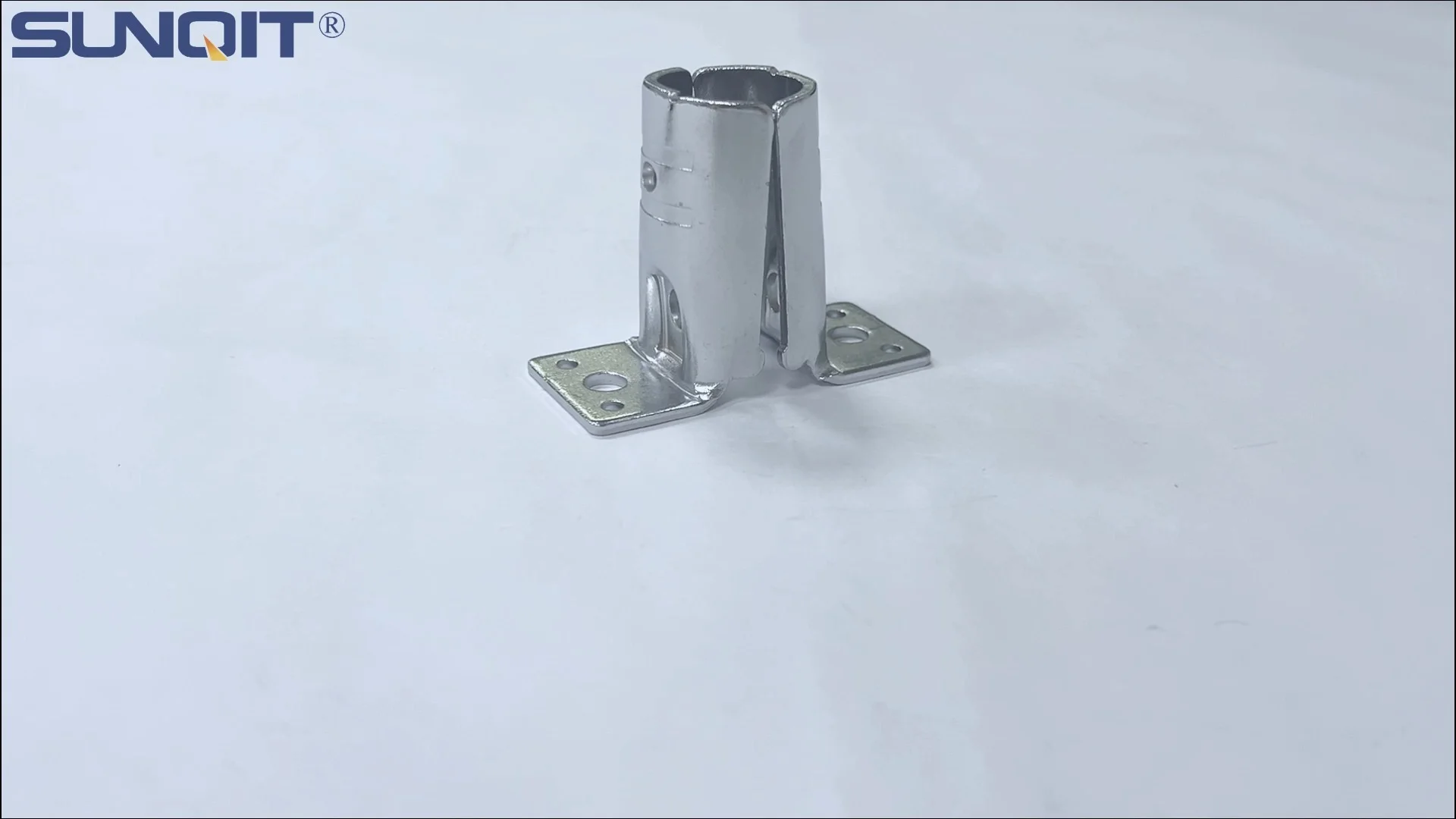
Vertical Lean Pipe Joint
Vertical lean pipe joint is used for 28mm lean pipe fixed on ground and keep it stable.
Every business starts with a vision—and as that vision grows, so do the demands on your workspace. Whether you're a small electronics manufacturer ramping up production or a warehouse expanding to meet seasonal spikes, the ability to adapt your work environment quickly and cost-effectively isn't just a luxury; it's a necessity. This is where modular workstations, built around the unsung hero of flexibility—the vertical lean pipe joint—step in. These simple yet powerful components are the backbone of scalable workspaces, turning rigid, fixed setups into dynamic environments that grow with your business. In this article, we'll dive into how vertical lean pipe joints enable scalability, share practical tips for designing modular workstations that adapt to change, and explore why choosing the right components (like aluminum profile and roller track) can make all the difference in your operational efficiency.
What Are Vertical Lean Pipe Joints, and Why Do They Matter?
Let's start with the basics: vertical lean pipe joints are connecting pieces designed to link lean pipes (hollow tubes made of steel, aluminum, or stainless steel) at vertical angles, forming the framework of workstations, flow racks, and material handling systems. Unlike traditional welded or bolted connections, these joints are engineered for quick assembly and disassembly—no special tools required. Imagine building with a set of high-strength, industrial-grade building blocks: each joint twists, locks, or clamps into place, holding pipes securely while still allowing for adjustments when your needs change.
The magic of vertical lean pipe joints lies in their versatility. They're not just for straight lines; many designs allow for 360-degree rotation, multi-axis connections, or compatibility with accessories like casters, roller tracks, and workbench surfaces. This flexibility is why they've become a staple in lean manufacturing environments, where minimizing waste and maximizing adaptability are core principles. A single vertical joint can support a shelf, a tool holder, or even a conveyor extension—turning a basic workbench into a fully customized production hub in hours, not weeks.
The Role of Modular Workstations in Scalability
Scalability isn't just about adding more space; it's about making the most of the space you have. Fixed workstations, built with permanent materials like wood or welded steel, trap you in a "one-size-fits-all" mindset. If your team grows by 50% next quarter, you're stuck either cramming people into tight corners or investing in entirely new furniture. Modular workstations, by contrast, are designed to evolve. With vertical lean pipe joints as their foundation, they can be expanded, reconfigured, or repurposed without tearing down walls or draining your budget.
Consider a typical scenario: A startup assembling small electronic components starts with two workbenches. Six months later, they land a major client and need to add three more assembly stations, plus a flow rack to organize parts. With modular workstations, they don't need to buy new benches from scratch. Instead, they purchase additional lean pipes, vertical joints, and a few roller track sections. By reconfiguring the existing framework and adding extensions, they expand their workspace in a day—saving time, money, and reducing waste from discarded old furniture.

5 Scalability Tips for Modular Workstations Using Vertical Lean Pipe Joints
1. Prioritize Interchangeable Components
The key to scalability is ensuring every part of your workstation can "play well" with others. When selecting vertical lean pipe joints, opt for standardized designs that work with multiple pipe sizes and accessory types. For example, a joint that fits both 28mm and 30mm lean pipes gives you flexibility if you later upgrade to thicker, heavier-duty pipes. Similarly, choose joints compatible with common accessories like caster wheels (for mobile workstations) or roller track (for material flow). This interchangeability means you won't be locked into a single brand or system—critical if you need to source parts quickly or expand with components from different suppliers.
A pro tip: Look for joints with universal clamping mechanisms. Many modern vertical lean pipe joints use a screw-tightened clamp that adjusts to different pipe diameters, eliminating the need for size-specific parts. This small feature can save hours of frustration when reconfiguring—no more hunting for that one "special" joint that only fits your old pipes.
2. Choose Materials That Balance Strength and Flexibility
Not all lean pipes and joints are created equal. The materials you select will impact both the longevity of your workstation and its ability to scale. While traditional steel lean pipes are strong and affordable, they're heavy—making reconfiguration a two-person job. For businesses prioritizing mobility and quick adjustments, aluminum profile is a game-changer. Aluminum lean pipes are lightweight (about 1/3 the weight of steel) but surprisingly strong, thanks to their extrusion design, which distributes weight evenly. When paired with aluminum vertical joints (often made with reinforced plastic or metal cores), they create a framework that's easy to move, adjust, and expand—even single-handedly.
Don't overlook environmental factors, either. If your workspace deals with moisture, chemicals, or static electricity (like in electronics manufacturing), stainless steel vertical joints or ESD-safe plastic components might be necessary. The goal is to choose materials that not only support today's needs but also tomorrow's challenges—whether that's a humid warehouse or a cleanroom with strict contamination standards.
3. Design with "Future Space" in Mind
Scalability starts at the drawing board. When designing your initial modular workstation, resist the urge to fill every inch of available space. Instead, leave "expansion zones"—gaps between workbenches, empty floor space near flow racks, or unused vertical joints that can later support extensions. For example, if you currently need a 4-foot workbench, build a 6-foot frame with vertical joints at the 4-foot mark and leave the remaining 2 feet with empty joints. When you need more space, simply add a pipe extension and a new work surface—no need to rebuild from scratch.
Vertical space is another underutilized resource. Vertical lean pipe joints aren't just for horizontal frames; they can stack upward, turning a single-level workbench into a multi-tiered storage system. By installing joints at 12-inch intervals up the vertical pipes, you can add shelves or tool hooks as your inventory grows. This "build up, not out" approach is especially valuable in small spaces, where floor area is limited but ceiling height is abundant.
4. Integrate Material Flow Systems Early
A workstation isn't just a place to work—it's a hub in your production or logistics ecosystem. To scale efficiently, your modular setup should seamlessly connect with material flow systems like flow racks and roller track. Vertical lean pipe joints make this integration simple: attach roller track sections to the side of a workbench using angle joints, or build a flow rack above the bench to feed parts directly into the assembly line. This reduces time wasted fetching materials and creates a continuous workflow that scales with production volume.
For example, a furniture manufacturer using modular workstations might start with basic benches for cutting fabric. As orders increase, they add roller track sections (connected via vertical joints) to move cut pieces to sewing stations, then another flow rack to deliver finished parts to packaging. Each step uses the same lean pipe framework, so expanding the flow system doesn't require redesigning the entire workspace—it's just a matter of adding more track and joints.
5. Plan for Maintenance and Reusability
Scalability isn't just about growth—it's about sustainability. A modular workstation that falls apart after one reconfiguration isn't truly scalable; it's just temporary. To ensure your setup lasts through multiple expansions, choose vertical lean pipe joints made from durable materials (like reinforced nylon or anodized aluminum) that resist wear and corrosion. Look for joints with replaceable parts, too—like rubber gaskets or locking screws that can be swapped out if they degrade, instead of replacing the entire joint.
Reusability is equally important. When you need to downsize or reconfigure, can you easily disassemble the workstation and repurpose the pipes and joints elsewhere? A well-designed vertical joint should release without damaging the pipe, allowing you to reuse both components in a new setup. This not only saves money but also aligns with lean principles by minimizing waste—a win-win for your budget and your sustainability goals.

Comparing Joint Types for Scalability: A Quick Reference Table
| Joint Type | Best For | Load Capacity | Reconfigurability | Compatibility |
|---|---|---|---|---|
| Vertical Lean Pipe Joint (Standard) | Basic workbenches, static shelves | Medium (up to 50kg per joint) | High (quick release, no tools needed) | Fits 28mm-30mm lean pipes, basic accessories |
| Aluminum Profile Joint | Heavy-duty workstations, flow racks | High (up to 150kg per joint) | Medium (requires hex key for adjustments) | Aluminum extrusion profiles, roller track, casters |
| Swivel Vertical Joint | Mobile workstations, rotating shelves | Low to medium (up to 30kg per joint) | Very high (360° rotation, lockable positions) | Lean pipes, caster wheels, roller track |
| Reinforced Steel Joint | Industrial machinery mounts, heavy storage | Very high (up to 200kg per joint) | Low (permanent once tightened) | Thick-walled steel pipes, fixed accessories |
Case Study: How a Small Electronics Firm Scaled with Vertical Lean Pipe Joints
GreenTech Electronics, a startup building solar charge controllers, began with a single workstation in a 500 sq. ft. garage. Using a basic lean pipe kit with vertical joints, they built a workbench, a small flow rack for components, and a testing station. Six months later, when their first large order arrived (5,000 units instead of the usual 500), they needed to triple their assembly capacity—fast.
Instead of moving to a larger space, they purchased additional lean pipes, vertical joints, and roller track sections. By reconfiguring the original workbench into three connected stations and adding a second flow rack (using the same vertical joints to stack upward), they expanded their workspace within the same garage. The roller track, attached to the side of the benches with angle joints, created a continuous flow of PCBs from assembly to testing, cutting down on material handling time by 40%. Best of all, when they later moved to a larger facility, they disassembled the entire setup, reused 90% of the pipes and joints, and built a custom production line tailored to their new space. "We saved over $10,000 by not buying new furniture," said GreenTech's operations manager. "The vertical joints made it possible to grow without starting from zero."

Conclusion: Building a Workspace That Grows with You
Scalability isn't about predicting the future—it's about preparing for it. Vertical lean pipe joints, paired with thoughtful design and the right materials (like aluminum profile and roller track), give you the flexibility to adapt to whatever comes next. By prioritizing interchangeable components, balancing strength and flexibility in materials, and planning for reusability, you can build modular workstations that don't just meet today's needs but evolve with tomorrow's challenges. Whether you're adding a single shelf or redesigning an entire production line, the humble vertical lean pipe joint is the foundation of a workspace that grows as your business does—proving that sometimes, the smallest components make the biggest impact.