- Company Articles
- Products and Technology
- Product knowledge
- Vertical Lean Pipe Joints in Food Processing: Sanitation & Corrosion Resistance

Vertical Lean Pipe Joints in Food Processing: Sanitation & Corrosion Resistance
Related Product
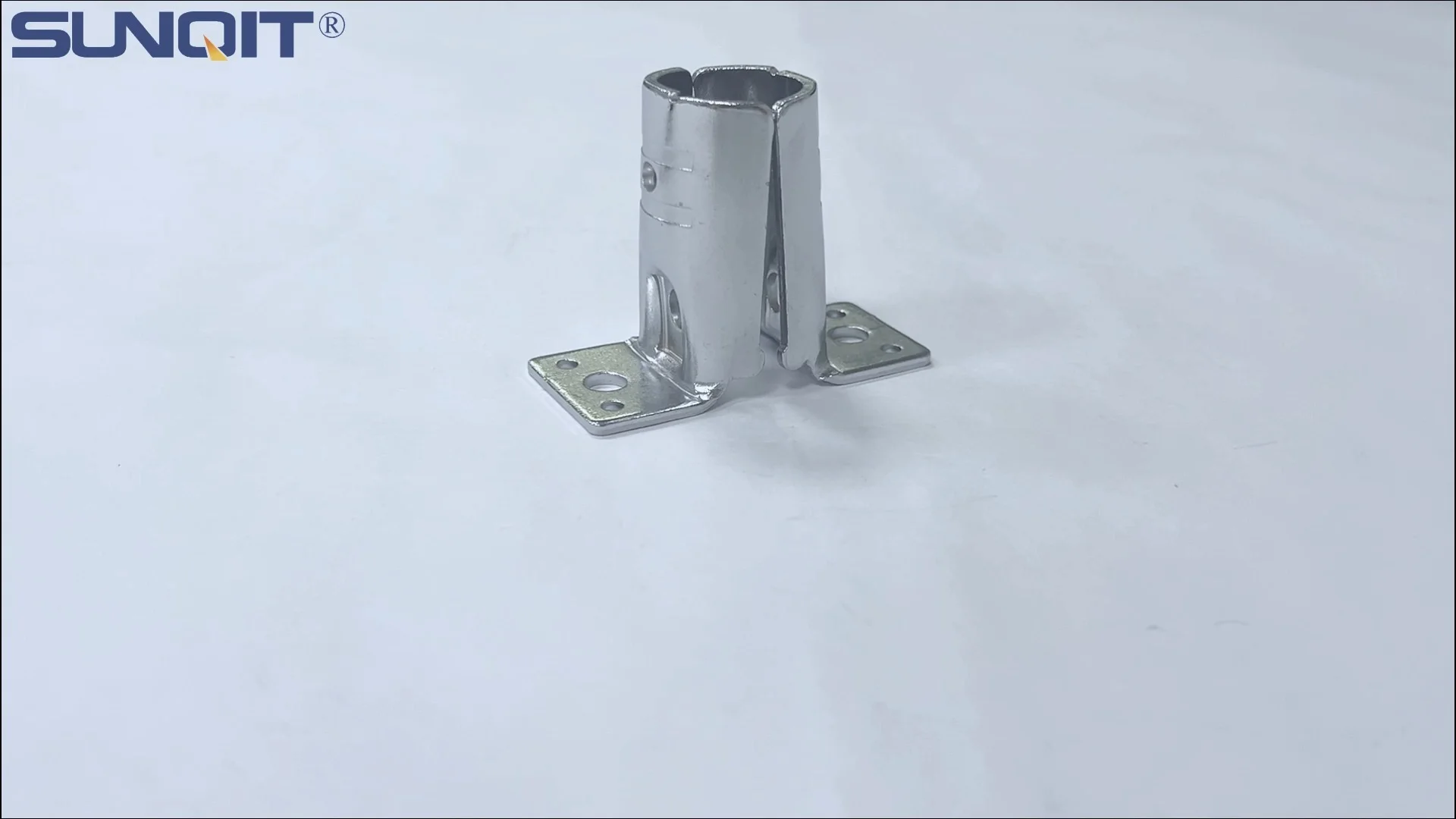
Vertical Lean Pipe Joint
Vertical lean pipe joint is used for 28mm lean pipe fixed on ground and keep it stable.
In the bustling environment of a food processing plant, where the air hums with the rhythm of conveyor belts and the scent of fresh ingredients mingles with the sharp tang of sanitizing agents, every piece of equipment plays a silent yet critical role. From the mixing bowls to the packaging lines, each component must meet uncompromising standards—especially when it comes to sanitation and durability. Among these unsung heroes are vertical lean pipe joints: small, unassuming connectors that hold together the modular structures powering daily operations. But why do these joints matter so much in food processing? And how do they stand up to the relentless demands of an industry where even the tiniest crevice can become a breeding ground for bacteria, or the smallest sign of corrosion can compromise product safety?
This article dives into the world of vertical lean pipe joints, exploring their vital role in maintaining sanitation, resisting corrosion, and supporting the efficiency of food processing facilities. We'll unpack the materials that make them reliable, the design features that simplify cleaning, and why choosing the right lean pipe supplier can mean the difference between smooth operations and costly disruptions. Whether you're a plant manager looking to upgrade your workspace or a curious professional eager to understand the backbone of food processing infrastructure, let's explore how these humble joints keep our food safe—and our operations running.
Understanding Vertical Lean Pipe Joints: The Backbone of Modular Systems
Before we dive into their role in food processing, let's clarify what vertical lean pipe joints are. In the realm of lean manufacturing, modular systems built with lean pipes (also called "lean tubes") have revolutionized how factories design workspaces. These systems—think workbenches, material racks, and conveyor supports—are constructed by connecting pipes and accessories using joints, allowing for quick customization and reconfiguration. Vertical lean pipe joints, as the name suggests, are the connectors that secure pipes in vertical orientations, providing stability to structures that must withstand the daily rigors of a production floor.
Unlike rigid, welded frameworks, lean pipe systems rely on these joints to create flexible, adaptable setups. A vertical joint might connect a workbench leg to its tabletop, or anchor a material rack to the floor, ensuring the structure stays upright even when loaded with heavy ingredients or equipment. In food processing, where layouts often shift to accommodate seasonal demands or new product lines, this flexibility is invaluable. But flexibility alone isn't enough—these joints must also meet the industry's strictest standards for cleanliness and longevity.
Sanitation First: Why Food Processing Leaves No Room for Compromise
Food processing is an industry where "good enough" simply doesn't cut it. The U.S. Food and Drug Administration (FDA) estimates that foodborne illnesses affect 48 million Americans annually, and contaminated equipment is a leading culprit. When it comes to workspace tools like workbenches and material racks, any crack, crevice, or rough surface on a vertical lean pipe joint can trap food particles, moisture, or bacteria—turning a seemingly harmless component into a hazard.
Consider a typical day in a dairy processing plant: after hours of churning butter or bottling milk, workers spend hours sanitizing every surface with high-pressure hoses and caustic cleaners. A vertical joint with a threaded design or overlapping edges might look sturdy, but those tiny gaps can harbor milk residue, which spoils and breeds bacteria overnight. By morning, that joint becomes a hidden source of contamination, risking not just product recalls but also consumer health. This is why sanitation isn't just a "nice-to-have" for vertical lean pipe joints—it's a non-negotiable requirement.
Design Features That Prioritize Cleanliness
So, what makes a vertical lean pipe joint "sanitation-ready"? Let's break down the key design elements:
- Smooth, Seamless Surfaces: The best vertical joints feature rounded edges and no sharp corners. Rough surfaces or overlapping parts create pockets where debris can accumulate. Instead, look for joints with a continuous, polished finish—imagine running a gloved hand over the joint and feeling no snags or gaps. This isn't just about comfort; it's about ensuring every inch can be wiped clean in seconds.
- Minimal Crevices: Threaded connections, while strong, are a sanitation nightmare. A better alternative? Snap-fit or clamp-style joints that lock pipes in place without tiny threads. For example, some vertical lean pipe joints use a cam-lock mechanism, where a simple twist secures the pipe, leaving no space for food particles to hide.
- Resistant to Cleaning Agents: Food processing plants use everything from hot water to acidic sanitizers (like vinegar-based solutions) to kill bacteria. A joint's coating or material must stand up to these chemicals without chipping, warping, or corroding. A cheap plastic joint might degrade after repeated exposure to bleach, but a well-made stainless steel joint? It'll keep shining, even after years of daily cleaning.

Corrosion Resistance: Battling Moisture, Chemicals, and Time
Sanitation and corrosion resistance go hand in hand in food processing. Where there's frequent cleaning, there's moisture—and where there's moisture, there's rust. Rust isn't just unsightly; it flakes off into food products, introduces iron into sensitive formulas (like baby food), and weakens the structural integrity of the joint itself. A corroded vertical joint might start to wobble, putting the entire workbench or rack at risk of collapse.
Consider a poultry processing plant, where equipment is regularly hosed down with saltwater to remove blood and debris. Saltwater is highly corrosive, and even a small scratch in a metal joint can lead to rapid rusting. In this environment, using a standard steel vertical lean pipe joint would be a disaster. Instead, the solution lies in choosing the right material—specifically, turning to the stainless steel pipe series .
Stainless Steel Pipe Series: The Gold Standard for Corrosion Resistance
Stainless steel has long been the material of choice in food processing, and for good reason. Unlike carbon steel, stainless steel contains chromium, which forms a thin, invisible layer of chromium oxide on its surface. This layer acts as a shield, preventing oxygen and moisture from reaching the underlying metal and causing rust. When paired with vertical lean pipe joints made from the same material, stainless steel pipes create a system that's virtually impervious to corrosion—even in the wettest, most chemically intensive environments.
But not all stainless steel is created equal. For food processing, 304-grade stainless steel is the minimum standard. It contains 18% chromium and 8% nickel, making it resistant to most acids and everyday sanitizers. For harsher environments (like plants using brine or high-salt cleaners), 316-grade stainless steel adds molybdenum, enhancing its resistance to chloride corrosion. A reputable lean pipe supplier will clearly specify the grade of stainless steel used in their vertical joints, ensuring you get the protection your facility needs.
Material Showdown: Which Pipes & Joints Stand Up to Food Processing?
| Material Type | Sanitation Level | Corrosion Resistance | Best For |
|---|---|---|---|
| Stainless Steel Pipe Series | Excellent (smooth, non-porous, easy to clean) | Excellent (resists rust, acids, and saltwater) | High-moisture areas (dairy, seafood, poultry), acidic environments |
| PE Coated Lean Pipe | Good (smooth coating, but prone to chipping) | Moderate (coating can wear, exposing steel underneath) | Dry or low-moisture areas (packaging, dry ingredient storage) |
| Aluminum Lean Pipe | Good (lightweight, smooth, but softer than stainless steel) | Moderate (resists rust but can pit in acidic environments) | Light-duty applications (small workbenches, temporary setups) |

Real-World Applications: How Vertical Lean Pipe Joints Support Food Processing
Now that we understand the "why" behind sanitation and corrosion resistance, let's look at how vertical lean pipe joints are used in actual food processing facilities. These joints aren't just abstract components—they're the building blocks of essential tools that workers interact with every day.
Workbenches: Where Precision Meets Cleanliness
A workbench in a bakery might be where pastries are decorated, or where ingredients are measured and mixed. The vertical lean pipe joints that support the bench's legs must keep the surface stable, even when a baker leans on it to knead dough. But they also need to be easy to clean—imagine flour dust settling into a joint's crevices, or sugar water dripping onto a rust-prone metal surface. A stainless steel vertical joint with a smooth finish ensures that at the end of the shift, a quick wipe with a damp cloth is all it takes to keep the bench sanitary.
In a chocolate factory, where temperatures fluctuate and chocolate can melt and drip, the stakes are even higher. A wobbly joint due to corrosion could lead to uneven surfaces, causing delicate truffles to topple. But with stainless steel vertical joints, the bench stays steady, and the chocolate stays where it belongs—on the confections, not in the equipment.
Material Racks: Storing Ingredients Safely
Material racks hold everything from bulk flour sacks to jars of spices, and they're often loaded and unloaded multiple times a day. Vertical lean pipe joints anchor these racks to the floor, preventing them from tipping over under heavy loads. In a cold storage facility, where condensation is constant, a rusted joint could weaken the rack, risking a collapse that spills thousands of dollars' worth of frozen produce. Stainless steel joints, however, laugh off the cold and moisture, keeping racks stable and ingredients secure.
Conveyor Supports: Keeping Production Flowing
Conveyors are the arteries of food processing, moving products from washing stations to packaging lines. The vertical joints that support conveyor frames must withstand vibrations, constant motion, and daily exposure to cleaning chemicals. A single corroded joint could cause the conveyor to misalign, jamming the line and halting production. By using stainless steel vertical lean pipe joints, plants minimize downtime, ensuring that everything from fresh vegetables to canned soups keeps moving—on time and contamination-free.

Choosing the Right Lean Pipe Supplier: It's About More Than Price
You could have the best design in mind, but if your vertical lean pipe joints come from a subpar supplier, your sanitation and corrosion resistance goals will fall flat. So, what should you look for when selecting a lean pipe supplier for your food processing facility?
Certifications Speak Volumes
Any supplier worth their salt will have certifications that prove their products meet food industry standards. Look for FDA compliance (ensuring materials are safe for food contact) or NSF International certification (which verifies that products can withstand rigorous sanitation protocols). A supplier that can't provide these certifications is a red flag—they may be cutting corners on materials or manufacturing, putting your facility at risk.
Industry Experience Matters
A supplier that specializes in automotive or electronics manufacturing might not understand the unique needs of food processing. Ask if they've worked with other food plants, and request references. A dairy plant manager's testimonial about how a supplier's stainless steel vertical joints reduced cleaning time is far more valuable than a generic sales pitch.
Customization and Support
Food processing facilities aren't one-size-fits-all. Maybe you need a vertical joint with a specific angle to fit around a walk-in cooler, or a longer pipe to accommodate tall ingredient bins. A good supplier will offer custom solutions, not just off-the-shelf products. They should also provide technical support, helping you design systems that balance flexibility, sanitation, and durability.
Maintenance: Keeping Your Vertical Lean Pipe Joints in Top Shape
Even the best vertical lean pipe joints need a little care to stay effective. The good news? Maintaining them is simple, especially if you've invested in stainless steel. Here are a few tips to extend their lifespan:
- Daily Wiping: A quick wipe with a damp cloth or mild detergent removes surface debris before it has a chance to build up. For sticky substances (like honey or syrup), warm water and a soft brush (no abrasive pads!) will do the trick.
- Avoid Harsh Tools: Steel wool or wire brushes can scratch stainless steel, creating tiny crevices for bacteria. Stick to non-abrasive sponges or microfiber cloths.
- Inspect Regularly: Once a month, check joints for signs of wear—chips in coatings, loose connections, or discoloration (a sign of early corrosion). Catching issues early prevents bigger problems down the line.
- Use Compatible Cleaners: Bleach is fine in moderation, but avoid leaving it on stainless steel for extended periods. If you're unsure, ask your supplier for a list of recommended cleaning agents.
Conclusion: Small Joints, Big Impact on Food Safety
Vertical lean pipe joints might be small, but their role in food processing is enormous. They're the unsung guardians of sanitation, standing up to moisture, chemicals, and daily wear to keep our food safe. They're the backbone of flexible, efficient workspaces, allowing plants to adapt to changing demands without sacrificing cleanliness.
When you choose stainless steel vertical lean pipe joints from a reputable lean pipe supplier, you're not just buying equipment—you're investing in peace of mind. You're ensuring that the workbench where your team crafts artisanal cheeses stays stable and clean. You're protecting the material rack that holds the spices for your signature sauce from corrosion. And ultimately, you're contributing to the trust that consumers place in your brand, one safe product at a time.
So, the next time you walk through your food processing facility, take a moment to look at the vertical joints holding up your workbenches and racks. They might not be flashy, but they're working hard—so you can too.