- Company Articles
- Products and Technology
- Application Cases
- Vertical Lean Pipe Joints in Healthcare Facilities: Mobile Cart Applications

Vertical Lean Pipe Joints in Healthcare Facilities: Mobile Cart Applications
Related Product
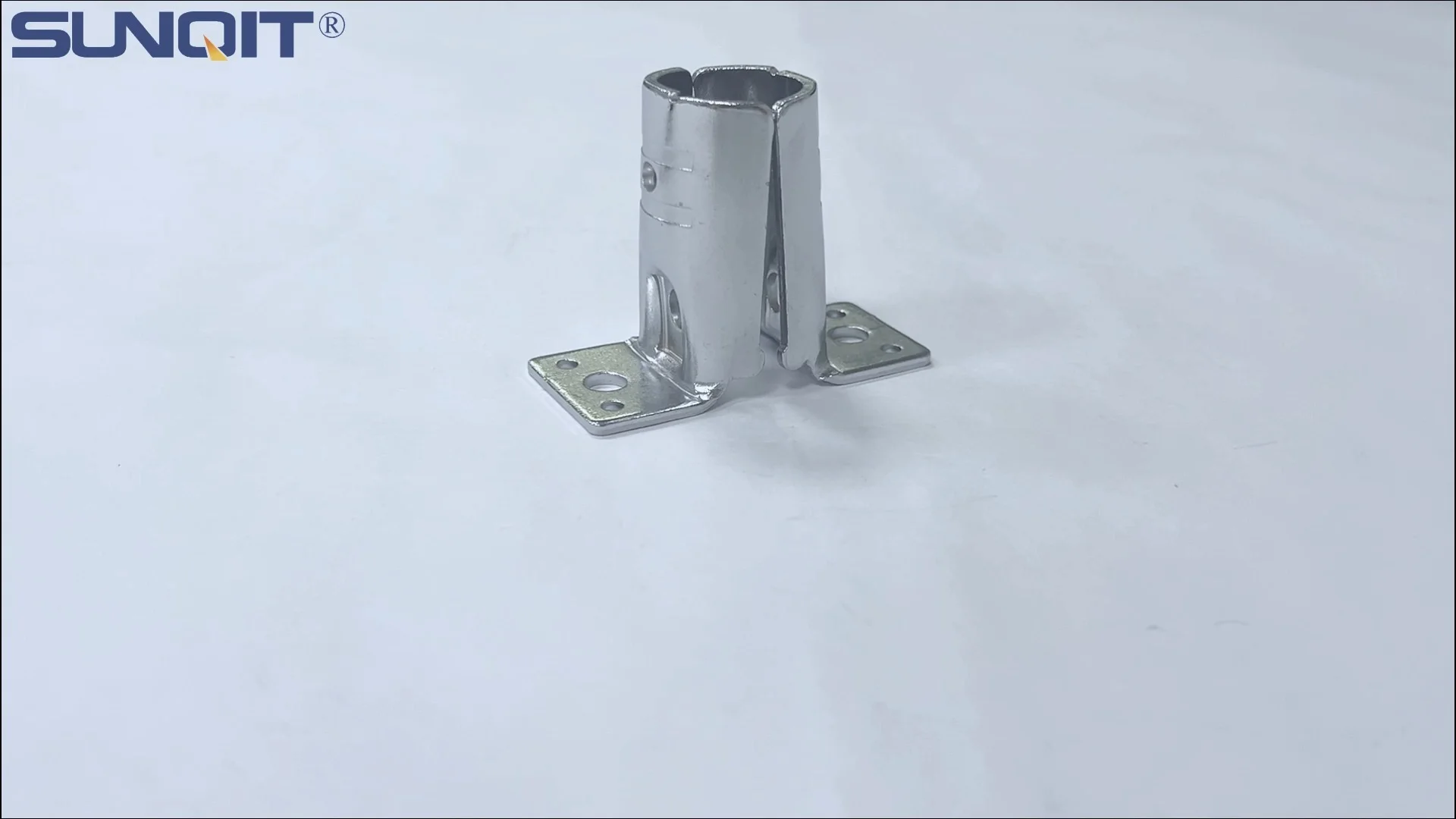
Vertical Lean Pipe Joint
Vertical lean pipe joint is used for 28mm lean pipe fixed on ground and keep it stable.
In the fast-paced world of healthcare, every second counts. Nurses rushing between patient rooms, lab technicians transporting samples, and emergency responders grabbing life-saving equipment—all rely on tools that keep up with their demands. Among these unsung heroes are mobile carts: versatile, sturdy, and adaptable workhorses that carry everything from medications to medical supplies. But what makes these carts so reliable, especially in environments where precision and durability are non-negotiable? The answer lies in a small but critical component: vertical lean pipe joints. These unassuming connectors are the backbone of modular cart design, offering the flexibility, strength, and customization healthcare facilities need to streamline operations and focus on patient care.
What Are Vertical Lean Pipe Joints?
At first glance, vertical lean pipe joints might seem like simple hardware, but their design is a testament to engineering efficiency. These joints are specifically crafted to connect lean pipes—hollow tubes made from materials like steel, aluminum, or stainless steel—in vertical configurations, forming the framework of carts, workbenches, and racks. Unlike rigid, one-size-fits-all connectors, vertical lean pipe joints are modular, allowing for quick assembly, disassembly, and reconfiguration. They come in various styles, including fixed-angle, swivel, and internal rotary designs, but the vertical variants are particularly vital for building stable, vertical structures like cart frames or shelving supports.
One common type is the vertical lean pipe joint chrome , which features a chrome-plated finish for enhanced corrosion resistance—a must in healthcare settings where frequent cleaning with disinfectants is routine. Another variant, the standard vertical lean pipe joint, offers similar functionality with a focus on cost-effectiveness, making it ideal for facilities working within tight budgets. Both types share core benefits: they lock pipes securely in place, withstand heavy loads, and simplify adjustments, ensuring carts can evolve with changing needs—whether that means adding a shelf for extra supplies or modifying height to accommodate different users.
Why Healthcare Facilities Need Modular Mobile Carts
Healthcare environments are dynamic. A hospital ward might need more medication carts during flu season, while a clinic could repurpose supply carts for vaccine distribution overnight. Traditional fixed furniture or welded carts can't keep up—they're heavy, hard to modify, and often end up collecting dust when needs change. Modular mobile carts, built with vertical lean pipe joints, solve this problem by offering adaptability without sacrificing performance.
Consider infection control, a top priority in healthcare. Carts must be easy to clean, with smooth surfaces and minimal crevices where bacteria can hide. Vertical lean pipe joints, especially those with chrome plating or stainless steel components, resist rust and chemical damage, ensuring carts remain hygienic even after repeated wipe-downs. Additionally, the modular design means damaged parts—like a bent pipe or a worn caster wheel —can be replaced individually, reducing downtime and replacement costs compared to buying a whole new cart.
Mobility is another key factor. Nurses and technicians can't afford to waste time fetching supplies from distant storage rooms. Mobile carts equipped with high-quality caster wheels (often mounted via vertical lean pipe joints) glide effortlessly across floors, even when fully loaded. This mobility reduces physical strain on staff, who might otherwise carry heavy trays or push clunky equipment, and ensures critical items are always within arm's reach when seconds matter most.

Real-World Applications: How Vertical Lean Pipe Joints Power Healthcare Carts
To understand the impact of vertical lean pipe joints, let's look at their role in four essential healthcare mobile carts. Each application highlights how these joints enhance functionality, safety, and efficiency.
1. Medication Carts: Precision and Security
Medication carts are the lifeline of patient care, holding everything from daily pills to emergency drugs. They must be secure (to prevent theft), organized (to avoid medication errors), and easy to maneuver (to reach patients quickly). Vertical lean pipe joints are instrumental here, forming the cart's frame and supporting adjustable shelves. For example, a cart might use vertical lean pipe joint chrome to connect aluminum profiles, creating a lightweight yet sturdy structure. The chrome finish resists scratches and disinfectant damage, while the modular joints allow pharmacists to customize shelf heights—taller sections for bulk medication bottles, shorter ones for small vials—ensuring nurses can grab the right drug at a glance.
Many medication carts also feature locking drawers or compartments, mounted directly to the frame via vertical joints. This flexibility means facilities can add or remove drawers as medication needs change, without replacing the entire cart. And when caster wheels wear out? The joints make swapping them a 10-minute task, keeping carts operational and minimizing disruptions to patient care.
2. Supply Carts: Adaptability for Changing Needs
From gloves and bandages to IV fluids and surgical tools, supply carts keep essential items stocked and accessible. These carts face unique challenges: they must handle varying loads (a cart full of IV bags weighs more than one with gauze), fit through narrow hospital corridors, and adapt to different departments (ER vs. pediatric units, for example). Vertical lean pipe joints shine here by enabling customizable configurations. A supply cart for the ER might need extra tall shelves to hold oxygen tanks, while one for a pediatric ward could have lower, rounded shelves to prevent injuries. With vertical joints, adjusting shelf height or adding side rails is as simple as loosening a bolt, repositioning the pipe, and tightening it back—no special tools required.
Material choice also plays a role. Many facilities opt for aluminum profile pipes paired with vertical lean pipe joints for supply carts. Aluminum is lightweight, reducing strain on staff pushing the cart, and naturally resistant to corrosion, making it ideal for areas like operating rooms where sterility is paramount. The joints, whether chrome-plated or standard, ensure the aluminum frame stays rigid even when loaded with heavy supplies, preventing sagging or wobbling that could damage items or slow down staff.
3. Emergency Response Carts: Speed and Reliability
In an emergency—cardiac arrest, stroke, or trauma—seconds can mean the difference between life and death. Emergency response carts, often called "crash carts," must carry defibrillators, intubation kits, and medications, all organized for instant access. Vertical lean pipe joints are critical here for two reasons: stability and speed of customization. Crash carts are rarely static; protocols change, new equipment is added, and old tools are phased out. A joint-based frame allows teams to reconfigure the cart overnight, adding a new shelf for a portable ultrasound machine or relocating a drawer for faster access to narcotics.
Moreover, the durability of vertical lean pipe joints ensures the cart itself doesn't fail during a crisis. Imagine a nurse grabbing the cart and sprinting down a hallway—the joints must keep the frame intact, even with sudden stops or turns. Chrome-plated joints, in particular, stand up to this abuse, resisting wear from constant movement and frequent cleaning. And when the cart is not in use, its modular design makes storage easy; it can be disassembled partially if space is tight, then reassembled in minutes when needed.
4. Lab Sample Carts: Sterility and Precision
Laboratories in healthcare facilities handle thousands of samples daily—blood, urine, tissue—each requiring careful handling to avoid contamination or loss. Lab sample carts must be sterile, easy to clean, and designed to prevent samples from spilling or shifting during transport. Here, vertical lean pipe joints paired with stainless steel pipes are a popular choice. Stainless steel is non-porous, resistant to bacteria growth, and compatible with harsh lab disinfectants, while the joints ensure the cart's shelves are level and secure. For example, a cart might use vertical joints to support a rack of test tube holders, with adjustable spacing to fit different tube sizes. The joints lock the rack in place, so even when the cart is moved over uneven floors, samples stay upright.
Some labs also add caster wheels with brakes to these carts, allowing technicians to lock the cart in place during loading/unloading, then release the brakes for smooth transport. The vertical joints make installing these casters a breeze, ensuring the wheels are aligned and the cart rolls straight—no wobbly movement that could jostle delicate samples.

Key Benefits of Vertical Lean Pipe Joints in Healthcare Carts
Vertical lean pipe joints aren't just components—they're enablers of efficiency. Here's how they transform mobile carts into indispensable tools for healthcare facilities:
Flexibility and Customization
Healthcare needs are rarely static. A hospital might expand its oncology unit, requiring more medication carts, or a clinic might start offering telehealth, needing carts with built-in tablet holders. Vertical lean pipe joints make adaptation easy. Unlike welded frames, which require cutting and rewelding to modify, joint-based carts can be adjusted with basic tools. Need to add a shelf? Loosen the joint, slide in a new pipe, tighten, and you're done. This flexibility reduces waste—instead of buying a new cart, facilities can repurpose existing ones—and ensures carts grow with the facility.
Durability in Harsh Environments
Healthcare facilities are tough on equipment. Carts are cleaned with bleach, alcohol, and other harsh chemicals; they're pushed over uneven floors; they're loaded beyond their rated capacity (accidentally, of course). Vertical lean pipe joints, especially chrome-plated or stainless steel variants, stand up to this abuse. Chrome plating resists corrosion from disinfectants, while the joint's design—often with reinforced plastic or metal components—prevents stripping or bending under heavy loads. This durability means carts last longer, reducing replacement costs over time.
Cost-Effectiveness
Budgets in healthcare are tight, and every dollar saved goes toward patient care. Vertical lean pipe joints help facilities stretch their budgets in two ways: lower upfront costs and reduced long-term expenses. Modular carts are often cheaper than custom-built alternatives, as joints and pipes are mass-produced. And when parts wear out—like a caster wheel or a damaged joint—they can be replaced individually, avoiding the cost of a whole new cart. For example, replacing a single vertical lean pipe joint costs a fraction of buying a new cart frame, making maintenance affordable even for underfunded facilities.
Ergonomics for Staff Well-Being
Nurses and technicians suffer from high rates of musculoskeletal injuries, often due to lifting heavy equipment or pushing awkwardly designed carts. Vertical lean pipe joints help mitigate this by enabling ergonomic cart designs. Carts can be adjusted to the right height for individual users, reducing strain on backs and shoulders. Shelves can be positioned at waist level to avoid bending, and handles can be added where needed. For example, a medication cart used by a 5'2" nurse and a 6' tall nurse can have its handle height adjusted via vertical joints, ensuring both can push it comfortably. This focus on ergonomics reduces injuries, boosts staff morale, and keeps teams healthy and productive.

Comparing Cart Applications: A Look at Joint Utilization
| Cart Type | Primary Use | Joint Type | Key Features | Material Focus |
|---|---|---|---|---|
| Medication Cart | Transporting drugs, patient charts, and medical tools | Vertical lean pipe joint chrome | Adjustable shelves, locking drawers, caster wheels with brakes | Aluminum profile (lightweight) + chrome joints (corrosion resistance) |
| Supply Cart | Carrying gloves, bandages, IV fluids, and general supplies | Standard vertical lean pipe joint | Removable shelves, side rails, heavy-duty casters | Steel pipe (cost-effective) + standard joints (budget-friendly) |
| Emergency Response Cart | Rapid transport of life-saving equipment (defibrillators, intubation kits) | Vertical lean pipe joint chrome | Quick-adjust shelves, high-grip casters, reinforced frame | Stainless steel pipe (sterility) + chrome joints (durability) |
| Lab Sample Cart | Transporting blood, tissue, and fluid samples | Vertical lean pipe joint (stainless steel) | Level shelves, spill-proof trays, brake-equipped casters | Stainless steel pipe (non-porous) + stainless joints (chemical resistance) |
Future Trends: Smart Carts and the Role of Vertical Lean Pipe Joints
As healthcare embraces technology, mobile carts are evolving into "smart" tools, equipped with sensors, barcode scanners, and even IoT connectivity to track inventory or alert staff to low supplies. But even with these advancements, vertical lean pipe joints remain relevant. In fact, their modularity makes them the perfect partner for smart upgrades. For example, a facility could start with a basic joint-based cart, then later add a tablet holder or sensor mount by simply attaching new pipes to existing vertical joints. This adaptability ensures carts don't become obsolete as technology changes.
Another trend is the shift toward aluminum profile pipes, which are lighter than steel and easier to clean, making them ideal for smart carts that might include electronic components (which add weight). Vertical lean pipe joints designed for aluminum profiles are becoming more common, offering the same strength as steel-focused joints but with a lighter overall cart weight. This reduces strain on staff and makes carts easier to maneuver, even with added tech.
Conclusion: Small Joints, Big Impact
Vertical lean pipe joints may be small, but their impact on healthcare facilities is enormous. They transform simple pipes into versatile, life-saving tools—mobile carts that keep staff efficient, supplies organized, and patients safe. From medication carts in busy wards to sample carts in sterile labs, these joints enable customization, durability, and cost-effectiveness, ensuring healthcare teams have the tools they need to focus on what matters most: caring for others.
As healthcare continues to evolve, one thing is clear: the demand for adaptable, reliable equipment will only grow. Vertical lean pipe joints, with their modular design and proven performance, are poised to remain a cornerstone of this evolution, quietly supporting the heroes on the front lines of patient care.