- Company Articles
- Products and Technology
- Product knowledge
- Vertical Lean Pipe Joints in Mechanical Manufacturing: Heavy-Duty Applications

Vertical Lean Pipe Joints in Mechanical Manufacturing: Heavy-Duty Applications
Related Product
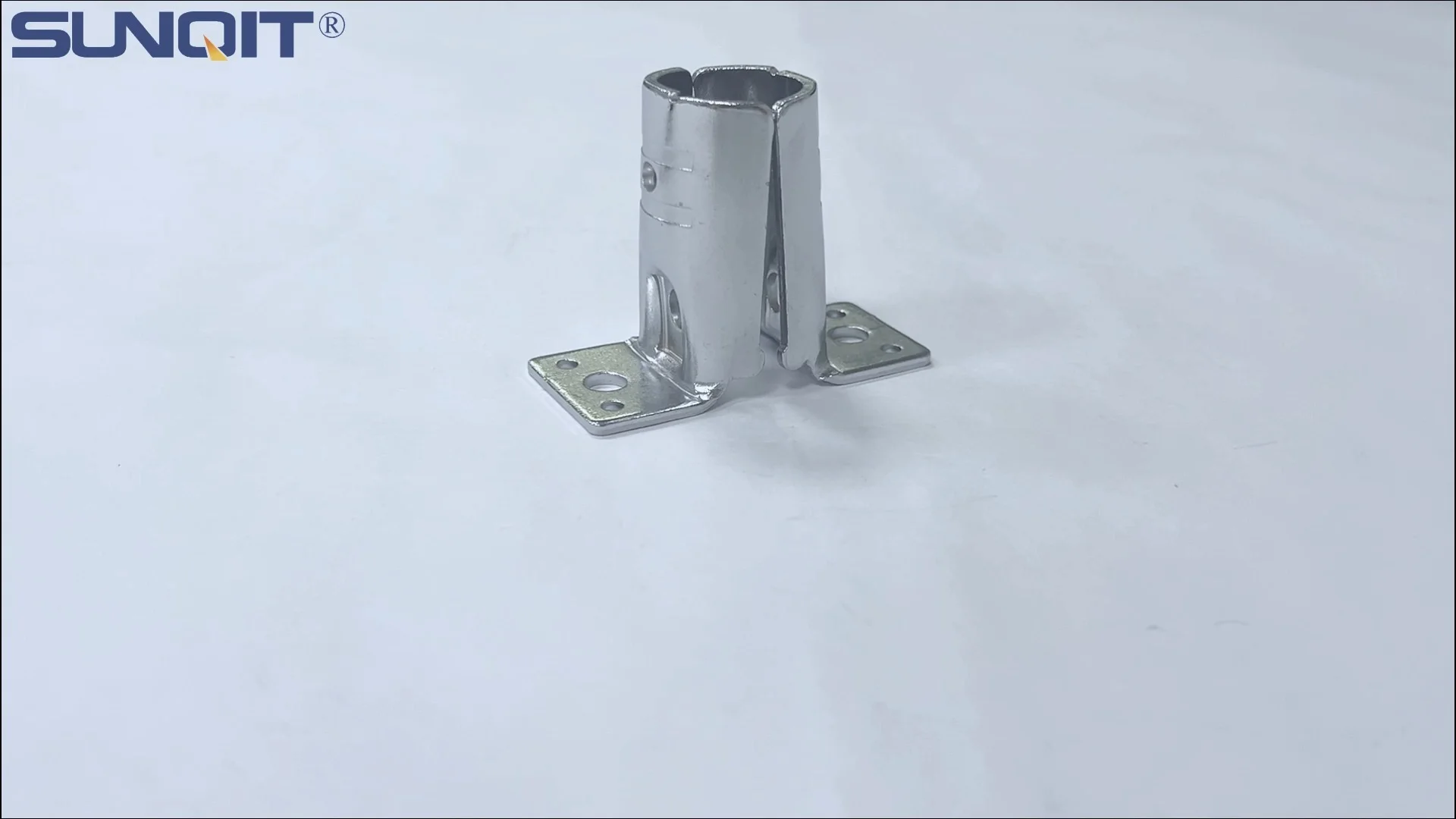
Vertical Lean Pipe Joint
Vertical lean pipe joint is used for 28mm lean pipe fixed on ground and keep it stable.
The Backbone of Modern Manufacturing: Lean Pipe Systems and Vertical Joints
Walk into any bustling mechanical manufacturing facility today, and you'll likely notice a common thread: efficiency isn't just a goal—it's the lifeblood of operations. From automotive assembly lines churning out vehicles to electronics plants piecing together intricate components, every second counts. This is where lean pipe systems step in, and at the heart of these systems lie the unsung heroes: lean pipe joints . Among the various types of joints, vertical lean pipe joints stand out as critical components, especially in heavy-duty applications where stability, load capacity, and adaptability are non-negotiable.
Lean pipe systems, often called "flexible pipe systems," are modular setups made from pipes and joints that can be assembled into workbenches, material racks, turnover trolleys, and more. What makes them revolutionary is their ability to adapt to changing production needs—no welding, no complex tools, just simple connections that can be reconfigured in hours, not days. And vertical joints? They're the linchpin that holds these systems together when the going gets tough. Whether supporting a workbench loaded with 500kg of machinery or keeping a turnover trolley steady as it transports heavy parts across the factory floor, vertical lean pipe joints are designed to bear weight, resist stress, and keep operations running smoothly.
What Are Vertical Lean Pipe Joints, and Why Do They Matter?
At their core, vertical lean pipe joints are mechanical connectors designed to join two or more lean pipes at (or near) a 90-degree vertical angle. Unlike their angled counterparts (45°, 135°), vertical joints are engineered to handle downward and upward forces—think of them as the "vertical anchors" of a lean pipe structure. They come in various designs: some lock pipes rigidly in place, others allow limited rotation for (fine adjustments), and many are compatible with different pipe materials, from traditional steel to lightweight aluminum.
The magic of vertical joints lies in their simplicity and strength. Most feature a clamping mechanism—often a combination of bolts, nuts, and friction pads—that grips the pipe tightly when tightened. This design ensures that even under heavy loads, the joint doesn't slip or loosen. For example, a standard vertical lean pipe joint made from die-cast aluminum can typically support loads of 300-800kg, depending on the pipe diameter and material. When paired with high-strength aluminum profile pipes, this capacity can jump even higher, making them ideal for heavy-duty tasks.
But why vertical joints specifically? In manufacturing, many structures need to stand tall: workbenches with overhead shelving, multi-tiered material racks, and tall turnover trolleys. Vertical joints provide the vertical stability needed to prevent these structures from wobbling or collapsing. Imagine a workbench where a mechanic is using a 50kg hydraulic press—without a sturdy vertical joint connecting the tabletop to the legs, that press could tip the bench over. Vertical joints distribute the weight evenly down the pipes, into the floor, and out of harm's way.

Design and Materials: Building for Heavy-Duty Performance
Not all vertical lean pipe joints are created equal. To thrive in heavy-duty environments, they must be built with precision and durability in mind. Let's break down the key design features and materials that set industrial-grade vertical joints apart.
Load Distribution: The best vertical joints are shaped to spread stress across the pipe's surface, not just at a single point. Look for joints with wide, curved clamping surfaces—these minimize pressure points, reducing the risk of pipe deformation over time. Some advanced models even include reinforced ribs or gussets (small metal plates) at the joint's base to add extra strength where the vertical and horizontal pipes meet.
Material Choices: The most common materials for vertical lean pipe joints are aluminum, steel, and composite plastics. Aluminum joints are lightweight (great for mobile structures like turnover trolley and rack systems) and resistant to corrosion, making them popular in cleanrooms or food-processing facilities. Steel joints, often coated in zinc or chrome, are heavier but offer unmatched load capacity—perfect for stationary workbenches or material racks holding tons of inventory. Plastic joints, while less common in heavy-duty settings, are cost-effective for light loads and resist chemicals well.
Adjustability: In dynamic manufacturing environments, "set it and forget it" rarely works. Many vertical joints feature adjustable clamping mechanisms, allowing operators to loosen, reposition, and retighten pipes without replacing the joint. For example, some joints have slotted bolt holes that let pipes shift by a few millimeters, which is crucial when aligning workbench surfaces or material rack shelves.
Compatibility: A vertical joint is only as useful as the pipes and accessories it works with. Leading manufacturers design joints to fit standard pipe diameters (28mm, 30mm, 40mm) and are compatible with common lean pipe and accessories like caster wheels, roller tracks, and shelf brackets. This compatibility ensures that users can mix and match components to create custom solutions without worrying about fit issues.

Heavy-Duty Applications: Where Vertical Joints Shine
Vertical lean pipe joints aren't just theoretical—they're workhorses in real-world manufacturing. Let's explore three key applications where they prove indispensable.
1. Heavy-Duty Workbenches
Workbenches are the command centers of manufacturing. Whether used for assembly, testing, or repair, they often bear the brunt of heavy tools, equipment, and materials. A typical heavy-duty workbench might support a 200kg milling machine, a 150kg tool chest, and a 50kg workpiece—all at once. Vertical joints are the foundation here, connecting the workbench legs to the tabletop frame and any overhead supports.
Take the "Workbench E (single deck-without caster)" from many lean pipe suppliers. This model uses four vertical joints to anchor its legs to the tabletop frame. Each joint is made from die-cast aluminum with a reinforced base, rated to support 600kg per leg. The result? A stable surface that doesn't flex, even when a mechanic is leaning into a task or using power tools. And because the joints are adjustable, the workbench can be leveled on uneven factory floors—a small detail that prevents tool slippage and reduces operator fatigue.
2. Turnover Trolleys and Material Racks
Turnover trolleys (also called "transfer carts") and material racks are the workhorses of material handling. They move raw materials from storage to production lines, transport finished goods to shipping, and organize tools on the factory floor. For these mobile structures, vertical joints must balance strength with mobility—too heavy, and the trolley is hard to push; too weak, and it collapses under the load.
Consider a "Material Rack B (3 row and 3 floor)" system. This rack stands over 1.8 meters tall and holds up to 1,200kg of parts across nine shelves. Vertical joints connect each shelf to the vertical support pipes, ensuring that the weight of the parts is distributed evenly down to the caster wheels. The joints here are often made from steel for rigidity, with rubberized clamping pads to prevent metal-on-metal wear. When the rack is moved, the vertical joints absorb the vibrations from the floor, keeping the shelves stable and the parts from shifting.
3. Overhead and Mezzanine Structures
In facilities where floor space is tight, overhead structures—like suspended shelving or mezzanine work platforms—are game-changers. These systems hang from ceilings or sit atop elevated frames, requiring vertical joints that can handle both downward (weight of the structure) and upward (tension from hanging) forces. For example, an overhead tool rack might hold 400kg of power tools; its vertical joints must anchor the rack to the ceiling rails without bending or pulling loose.
In such cases, manufacturers often use "double-locking" vertical joints—joints with two clamping bolts instead of one—to add redundancy. This extra bolt ensures that if one clamp loosens (due to vibration, for example), the other keeps the pipe secure. Paired with high-tensile steel pipes, these joints can support loads of over 1,000kg, making overhead storage a viable option for heavy items.

Comparing Vertical Joints to Other Lean Pipe Joints
To truly appreciate vertical lean pipe joints, it helps to see how they stack up against other common joint types. Below is a comparison table highlighting key differences in load capacity, materials, and applications.
| Joint Type | Typical Load Capacity (kg) | Common Materials | Primary Applications | Best For |
|---|---|---|---|---|
| Vertical Lean Pipe Joint | 300-1,200 | Aluminum, Steel, Zinc-Plated Steel | Workbenches, Material Racks, Overhead Structures | Vertical stability, heavy downward/upward loads |
| 90° Fixed Joint | 200-800 | Aluminum, Plastic (light-duty) | Shelving, Side Rails, Horizontal Supports | Right-angle horizontal connections |
| 45° Reinforce Joint | 150-500 | Steel, Aluminum | Bracing, Diagonal Supports, Tilted Shelves | Preventing lateral (sideways) movement |
| Swivel Joint (Multi-Angle) | 100-300 | Aluminum, Composite | Adjustable Workstations, Tilt Tables | Dynamic angle adjustments (not heavy loads) |
As the table shows, vertical joints outperform most others in load capacity, especially for vertical forces. While 90° joints are great for horizontal shelves, they lack the vertical strength to support tall structures. Swivel joints, though flexible, aren't built for heavy-duty tasks. This is why vertical joints are the go-to choice when stability and weight matter most.
Case Study: Vertical Joints in Automotive Assembly
To see vertical lean pipe joints in action, let's look at a real-world example: a leading automotive manufacturer in the Midwest. The plant produces SUV frames, and its assembly line requires workbenches that can support welding equipment, torque wrenches, and the frames themselves (which weigh up to 650kg each).
Before switching to lean pipe systems, the plant used fixed steel workbenches. These were sturdy but inflexible—reconfiguring them for a new SUV model took 2-3 days and required welding. In 2023, the plant adopted lean pipe workbenches with aluminum vertical joints. The results were striking:
- Faster Reconfiguration: Vertical joints allowed workers to disassemble and rebuild workbenches in 4-6 hours, cutting downtime by 75%.
- Higher Load Capacity: The aluminum vertical joints, paired with 30mm steel pipes, supported the 650kg frames without flexing, improving worker safety.
- Cost Savings: The modular design reduced the need for custom steel fabrication, saving the plant $120,000 annually in tooling costs.
"The vertical joints are the reason this worked," said the plant's operations manager. "They're strong enough to hold the frames but easy enough for a single worker to adjust. We haven't had a single joint failure in two years."
Maintaining Vertical Lean Pipe Joints: Tips for Longevity
Even the strongest vertical lean pipe joints need maintenance to perform at their best. Here are simple steps to keep them in top shape:
- Check Tightness Regularly: Vibrations from machinery or movement can loosen joint bolts. Inspect joints monthly and retighten with a torque wrench (follow the manufacturer's recommended torque settings—usually 25-40 Nm for aluminum joints).
- Clean and Lubricate: Dust, oil, and debris can wear down clamping pads. Wipe joints with a dry cloth weekly, and apply a light machine oil to bolt threads every 3 months to prevent rust.
- replace Worn Parts: If a joint's clamping pad is cracked or the bolt is stripped, replace it immediately. Most suppliers sell replacement parts (pads, bolts, nuts) individually, so you don't need to buy a whole new joint.
- Avoid Overloading: Never exceed the joint's rated load capacity. If you're unsure, check the manufacturer's datasheet or test with a smaller load first.
The Future of Vertical Lean Pipe Joints
As manufacturing evolves, so too will vertical lean pipe joints. Two trends are emerging:
Smart Joints: Some manufacturers are experimenting with "smart" vertical joints embedded with sensors that monitor load, temperature, and vibration. These sensors send data to a central dashboard, alerting maintenance teams when a joint is at risk of failure. Imagine a material rack that texts you: "Vertical joint #5 is loose—check immediately!"
Advanced Materials: Lightweight, high-strength materials like carbon fiber-reinforced plastics (CFRP) are being tested for joint construction. CFRP joints could offer the strength of steel at half the weight, making mobile structures like turnover trolleys even easier to maneuver.
Additionally, as aluminum profile technology improves, we'll see vertical joints designed specifically for ultra-thin-walled aluminum pipes. These pipes are lighter than traditional aluminum but just as strong, opening up new possibilities for portable, heavy-duty structures.
Conclusion: Vertical Joints—The Unsung Heroes of Lean Manufacturing
Vertical lean pipe joints may not grab headlines, but they're the backbone of efficient, adaptable manufacturing. From supporting heavy workbenches to enabling mobile material racks, they balance strength, simplicity, and flexibility in a way few other components can. As manufacturing continues to demand faster reconfigurations, higher loads, and lower costs, vertical joints will only grow in importance.
So the next time you walk through a factory, take a closer look at those lean pipe structures. Chances are, the vertical joints holding them up are working hard—quietly, reliably, and without fanfare—to keep the line moving. And in manufacturing, that's the highest compliment of all.