- Company Articles
- Products and Technology
- Product knowledge
- Vertical Lean Pipe Joints in Warehousing: Optimizing Storage Rack Structures

Vertical Lean Pipe Joints in Warehousing: Optimizing Storage Rack Structures
Related Product
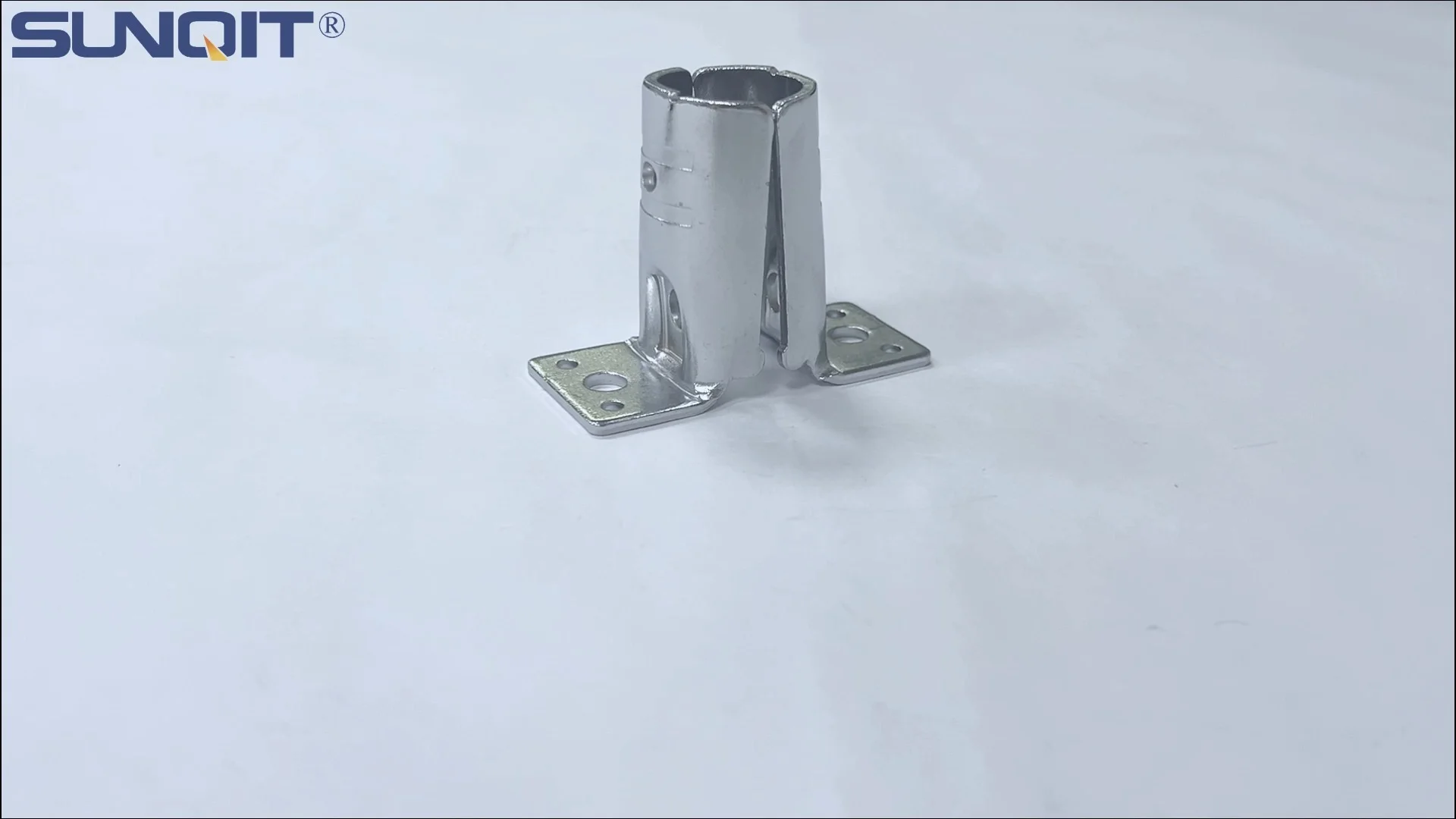
Vertical Lean Pipe Joint
Vertical lean pipe joint is used for 28mm lean pipe fixed on ground and keep it stable.
In the fast-paced world of modern logistics and manufacturing, warehouses are no longer just spaces to store goods—they are dynamic hubs where efficiency, flexibility, and space utilization can make or break a business's bottom line. As consumer demands shift, supply chains accelerate, and real estate costs rise, warehouse managers face a pressing challenge: how to maximize storage capacity while maintaining quick access to inventory and adapting to evolving operational needs. At the heart of this challenge lies the design of storage rack systems, which serve as the backbone of any warehouse. Traditional racking solutions, often rigid and welded in place, struggle to keep up with these demands. Enter lean systems—a philosophy centered on minimizing waste and maximizing value—and one of its most unsung heroes: the vertical lean pipe joint. This unassuming component is revolutionizing how storage racks are built, offering a level of flexibility and adaptability that traditional methods simply cannot match. In this article, we'll explore how vertical lean pipe joints are transforming warehouse storage, their key benefits, integration with other lean components like lean pipe workbenches and flow racks, and real-world examples of their impact.
Understanding Lean Systems in Modern Warehousing
Before diving into the specifics of vertical lean pipe joints, it's essential to grasp the broader context of lean systems in warehousing. Originating from Toyota's production system, lean principles focus on eliminating waste—whether it's wasted space, time, or resources—and creating value through continuous improvement. In a warehouse setting, this translates to designing workflows and infrastructure that are efficient, adaptable, and responsive to change. Unlike traditional warehousing setups, which often rely on fixed, one-size-fits-all equipment, lean systems prioritize modularity and flexibility. This is where components like lean pipes, joints, workbenches, and flow racks come into play.
Lean pipes, typically made of steel or aluminum with a plastic coating, are lightweight yet durable, designed to be easily cut and connected using joints. These pipes form the building blocks of everything from storage racks and workstations to material handling trolleys. What makes lean systems so powerful is their modularity: instead of investing in custom-built, fixed structures, warehouses can assemble and reconfigure components on-site using simple tools, allowing them to adapt to changing inventory sizes, product types, or operational workflows. At the core of this modularity are the joints that connect the pipes—and among these, vertical lean pipe joints stand out for their ability to enable vertical connectivity, a critical factor in optimizing storage space.
The Role of Vertical Lean Pipe Joints: More Than Just a Connector
At first glance, a vertical lean pipe joint might seem like a simple piece of hardware—a small, often metal component designed to connect two or more lean pipes at a vertical angle. But its impact on warehouse design is anything but minor. Vertical lean pipe joints are engineered to provide stable, secure connections between pipes while allowing for easy disassembly and reconfiguration. Unlike traditional welded joints, which are permanent and require professional tools to modify, vertical lean pipe joints can be tightened or loosened by hand or with basic wrenches, making on-the-fly adjustments possible.
Most vertical lean pipe joints are made from high-strength materials like zinc-plated steel or aluminum, ensuring they can withstand the weight of stored goods without bending or breaking. Many are designed with internal threads or clamping mechanisms that grip the pipes tightly, preventing slippage even under heavy loads. Some models also feature swivel or rotation capabilities, allowing pipes to be adjusted at slight angles for customized rack designs. For example, a vertical joint might allow a pipe to rotate 360 degrees horizontally, enabling the creation of L-shaped or U-shaped racks that fit into awkward corners of a warehouse.
But perhaps the most significant advantage of vertical lean pipe joints is their role in enabling vertical storage. In warehouses, vertical space is often underutilized, with racks rarely reaching the ceiling due to rigid design constraints. Vertical lean pipe joints allow for the construction of taller, more stable racks by securely connecting vertical pipes, which can then support horizontal shelves or flow rails. This not only increases storage capacity but also keeps items organized and accessible, reducing the time workers spend searching for inventory.

Key Benefits of Vertical Lean Pipe Joints in Storage Rack Design
The adoption of vertical lean pipe joints in storage rack systems offers a multitude of benefits that address the core challenges of modern warehousing. Let's break down the most impactful ones:
1. Unmatched Flexibility and Adaptability
In a warehouse where product sizes, volumes, and turnover rates can change overnight, flexibility is non-negotiable. Vertical lean pipe joints excel here. Unlike traditional welded racks, which are fixed in place, racks built with vertical lean pipe joints can be disassembled, extended, or reconfigured in hours—not days. Need to add a shelf to accommodate larger boxes? Simply loosen the joints, add a new horizontal pipe, and retighten. Want to lower a section of the rack to make room for a new conveyor system? Adjust the vertical pipes using the joints. This flexibility ensures that the storage system grows and evolves with the business, eliminating the need for costly replacements.
2. Cost-Effectiveness Over Time
While the upfront cost of lean pipe components and joints may be slightly higher than basic welded steel racks, the long-term savings are substantial. Traditional racks often require professional installation and modification, adding labor costs. When they become obsolete, they must be scrapped and replaced, leading to waste. Vertical lean pipe joints, by contrast, are reusable. Even if a rack is disassembled, the joints and pipes can be repurposed to build a new structure elsewhere in the warehouse. Additionally, the ability to reconfigure racks reduces the need for additional storage space, potentially lowering rent or construction costs for warehouse expansion.
3. Enhanced Durability and Load Capacity
Despite their lightweight design, vertical lean pipe joints are surprisingly durable. Made from high-strength materials, they can support significant weight—often up to 500 kg per joint, depending on the model and pipe thickness. This makes them suitable for storing everything from small electronic components to heavy machinery parts. Unlike plastic or low-quality metal joints, which can crack or strip over time, premium vertical lean pipe joints (like those from a reputable lean system supplier) are built to withstand the wear and tear of daily warehouse operations, including vibrations from forklifts and frequent adjustments.
4. Improved Safety for Workers
Warehouse safety is a top priority, and unstable or poorly constructed racks are a major hazard. Vertical lean pipe joints contribute to a safer work environment in two key ways: first, their secure clamping mechanisms prevent pipes from slipping or collapsing, reducing the risk of falling inventory. Second, their modular design allows racks to be built to precise heights, eliminating the need for workers to climb ladders or use unsafe lifting methods to reach items stored too high. Many vertical joints also feature rounded edges, reducing the risk of cuts or scrapes during installation or maintenance.
5. Seamless Integration with Other Lean Components
Vertical lean pipe joints don't work in isolation—they're part of a larger ecosystem of lean components that together create a cohesive, efficient warehouse system. For example, they pair seamlessly with lean pipe workbenches, which are often used in assembly or packing areas. A lean pipe workbench might be positioned adjacent to a storage rack built with vertical joints, allowing workers to easily access parts from the rack and place finished products back on it. Similarly, vertical joints can be used to construct flow racks, which use gravity to move items from the back to the front of the shelf, ensuring first-in, first-out (FIFO) inventory management. This integration reduces bottlenecks and streamlines workflows, making the entire warehouse more efficient.
Comparing Vertical Lean Pipe Joints to Traditional Welded Joints
| Feature | Vertical Lean Pipe Joints | Traditional Welded Joints | |
|---|---|---|---|
| Flexibility | Highly flexible; can be disassembled and reconfigured | Rigid; permanent design cannot be modified | |
| Installation Time | Fast (hours); no specialized tools needed | Slow (days); requires welding equipment and skilled labor | |
| Cost Over Time | Lower; reusable components reduce replacement costs | Higher; must be replaced entirely when obsolete | |
| Load Capacity | High (up to 500 kg per joint, depending on material) | High, but fixed and non-adjustable | |
| Safety | Safer; secure clamping reduces collapse risk | Risk of weld fatigue over time; hard to inspect for weaknesses |

Integration with Other Lean Components: Creating a Cohesive System
To fully appreciate the value of vertical lean pipe joints, it's important to see how they work alongside other lean components to create a unified, efficient warehouse system. Let's explore three key integrations:
Lean Pipe Workbenches: Bridging Storage and Production
Lean pipe workbenches are a staple in manufacturing and assembly facilities, providing workers with a sturdy, customizable surface for building products, packing orders, or inspecting goods. When paired with storage racks built using vertical lean pipe joints, these workbenches become even more powerful. Imagine a production line where each workbench is flanked by a vertical rack: tools and components are stored on the rack's shelves, within arm's reach of the worker, while finished products are placed on the lower shelves for transport. The vertical lean pipe joints ensure that the rack can be adjusted to match the height of the workbench, preventing workers from bending or stretching excessively. For example, if a workbench is raised to accommodate taller workers, the adjacent rack can be adjusted using vertical joints to maintain alignment, reducing strain and improving ergonomics.
Flow Racks: Optimizing Material Flow with Gravity
Flow racks are designed to move inventory from the back of the shelf to the front using gravity, ensuring that the oldest items (first in) are picked first (first out), which is critical for perishable goods or products with expiration dates. Vertical lean pipe joints play a key role in constructing these racks by providing stable support for the inclined roller tracks that enable gravity flow. The joints allow the angle of the tracks to be (fine-tuned), ensuring items move at the optimal speed—fast enough to keep the front of the shelf stocked, but slow enough to prevent damage. For instance, a flow rack storing small electronic parts might use vertical joints to set the roller tracks at a gentle 5-degree angle, while a rack holding heavier boxes could use a steeper 10-degree angle. This customization ensures that material flow is efficient and tailored to the specific needs of the inventory.
Aluminum Profiles: Lightweight Strength for Modern Warehouses
While steel lean pipes are durable, many warehouses are turning to aluminum profiles for their lightweight, corrosion-resistant properties—especially in humid or food-grade environments. Vertical lean pipe joints are compatible with aluminum profiles, making it easy to mix and match materials based on the application. For example, a storage rack near a loading dock, where exposure to rain is common, might use aluminum profiles connected by vertical joints to prevent rust. The joints' clamping mechanisms grip aluminum pipes just as securely as steel ones, ensuring the rack remains stable. Aluminum profiles also reduce the overall weight of the rack, making it easier to reconfigure and reducing the load on warehouse floors. This combination of aluminum profiles and vertical lean pipe joints is particularly popular in e-commerce warehouses, where rapid order fulfillment requires frequent rack adjustments and lightweight structures that can be moved quickly.

Real-World Applications: Case Studies of Success
The impact of vertical lean pipe joints isn't just theoretical—businesses across industries are already reaping the benefits. Let's look at two case studies that highlight their transformative potential:
Case Study 1: Automotive Parts Manufacturer Increases Storage Capacity by 30%
A mid-sized automotive parts manufacturer in Michigan was struggling with limited warehouse space. Their existing welded steel racks were overcrowded, and new orders for larger components meant they needed to expand storage without relocating. They turned to a lean system supplier for a solution, which recommended replacing their traditional racks with a modular system built using vertical lean pipe joints and aluminum profiles.
The supplier designed a custom rack system where vertical lean pipe joints connected aluminum profiles to create taller, more stable shelves. The joints allowed the racks to be adjusted to fit components of varying sizes—from small bolts to large engine parts. By utilizing vertical space more effectively (the new racks reached 12 feet, compared to the old 8-foot racks), the manufacturer added 30% more storage capacity without expanding their warehouse footprint. Additionally, the flexibility of the vertical joints made it easy to reconfigure sections of the rack when new part sizes were introduced, reducing downtime and improving workflow efficiency. Workers reported spending 20% less time searching for parts, and the company saved an estimated $150,000 in potential relocation costs.
Case Study 2: E-Commerce Fulfillment Center Cuts Picking Time by 25%
An e-commerce fulfillment center in California was facing challenges with order picking speed during peak seasons. Their traditional static racks required workers to walk long distances to retrieve items, leading to delays and fatigue. The center partnered with a lean system supplier to redesign their pick zones using flow racks constructed with vertical lean pipe joints.
The new flow racks used vertical lean pipe joints to support inclined roller tracks, allowing inventory to slide to the front of the shelf as items were picked. The joints enabled the racks to be built in modular sections, which could be rearranged based on order volume—during peak seasons, additional sections were added to handle more inventory, and during slower periods, sections were removed to free up floor space. The vertical joints also allowed the racks to be adjusted to waist height, reducing the need for workers to bend or reach, which cut down on picking errors and fatigue. Within three months of implementation, the fulfillment center saw a 25% reduction in picking time and a 15% decrease in errors, leading to higher customer satisfaction and lower labor costs.
Choosing the Right Vertical Lean Pipe Joints: Factors to Consider
Not all vertical lean pipe joints are created equal, and selecting the right ones for your warehouse requires careful consideration. Here are the key factors to keep in mind:
Load Capacity
The first question to ask is: How much weight will the joint need to support? Most manufacturers specify a maximum load capacity for their joints, typically ranging from 100 kg to 500 kg per joint. Be sure to account for the weight of the stored items plus the weight of the pipes and shelves themselves. For heavy-duty applications, opt for joints made from thick, zinc-plated steel; for lighter loads, aluminum joints may be sufficient.
Material Compatibility
Vertical lean pipe joints are designed to work with specific pipe diameters (common sizes include 28mm, 30mm, and 40mm). Ensure the joints you choose match the diameter of your lean pipes or aluminum profiles. Mixing incompatible sizes can lead to loose connections and safety hazards.
Environmental Conditions
Consider the warehouse environment. If the space is humid, corrosive (e.g., near chemicals), or subject to temperature extremes, choose joints with corrosion-resistant coatings like zinc plating or stainless steel. Aluminum joints are also a good option for humid environments, as they naturally resist rust.
Supplier Reliability
Working with a reputable lean system supplier is critical. A reliable supplier will offer high-quality joints that meet industry standards, provide technical support for rack design, and offer warranties on their products. Look for suppliers with a track record of serving warehouses or manufacturers similar to yours, and ask for references or case studies to verify their expertise.
Ease of Installation and Adjustment
Not all joints are equally easy to install. Some require specialized tools, while others can be tightened by hand. For warehouses with limited maintenance staff, opt for joints with user-friendly designs—like quick-clamp mechanisms or wing nuts—that allow for easy adjustments without extra tools.
Installation and Maintenance Tips for Vertical Lean Pipe Joints
To ensure your vertical lean pipe joint-based rack system performs optimally, follow these installation and maintenance best practices:
Installation Tips
- Plan the design first: Sketch out the rack layout, including dimensions, shelf heights, and load capacities, before starting installation. This will help you determine how many joints and pipes you need and ensure the design meets safety standards.
- Use a level: When assembling vertical pipes, use a spirit level to ensure they're perfectly vertical. This prevents the rack from leaning and ensures even weight distribution.
- Tighten joints evenly: When securing joints, tighten them in a crisscross pattern (like tightening lug nuts on a car) to ensure even pressure. Overtightening can strip the threads, while undertightening can lead to instability.
- Test load capacity: After installation, test each shelf with a weight slightly heavier than the maximum expected load to ensure the joints and pipes hold securely.
Maintenance Tips
- Inspect joints regularly: Check joints monthly for signs of wear, such as loose connections, bent threads, or corrosion. Tighten any loose joints immediately.
- Lubricate moving parts: If your joints have swivel or rotating components, apply a light machine oil every six months to prevent rust and ensure smooth movement.
- Clean joints and pipes: Wipe down joints and pipes with a damp cloth to remove dust and debris, which can cause corrosion over time. For aluminum profiles, use a mild detergent to avoid scratching the surface.
- replace worn parts: If a joint is stripped, cracked, or corroded, replace it immediately. Using damaged joints puts the entire rack system at risk.
The Future of Warehousing: Vertical Lean Pipe Joints and Beyond
As warehouses continue to evolve, the role of vertical lean pipe joints is only set to grow. Emerging trends like automation, IoT integration, and sustainable design are likely to further enhance their value. For example, smart warehouses may soon incorporate sensors into vertical lean pipe joints to monitor load capacity in real time, alerting managers when shelves are overloaded. 3D printing could enable the creation of custom joint designs tailored to unique storage needs, while advancements in materials science may lead to even lighter, stronger joints made from recycled or eco-friendly materials.
In a world where efficiency and adaptability are paramount, vertical lean pipe joints are more than just hardware—they're a catalyst for innovation in warehousing. By enabling flexible, durable, and cost-effective storage rack systems, they empower businesses to do more with less, stay competitive, and thrive in an ever-changing market.
Conclusion
Vertical lean pipe joints may be small in size, but their impact on warehouse storage rack design is enormous. By offering unmatched flexibility, durability, and adaptability, they address the core challenges of modern warehousing—space constraints, changing inventory needs, and the demand for efficiency. When integrated with other lean components like lean pipe workbenches, flow racks, and aluminum profiles, they create a cohesive system that transforms warehouses from static storage spaces into dynamic, responsive hubs of productivity. As the case studies show, businesses that adopt vertical lean pipe joints are seeing tangible results: increased storage capacity, faster workflows, and lower costs. For warehouse managers looking to future-proof their operations, investing in vertical lean pipe joints isn't just a smart choice—it's a necessary one. The future of warehousing is flexible, and vertical lean pipe joints are leading the way.