- Company Articles
- Products and Technology
- Product knowledge
- Vibration Dampening: How Aluminum Honeycomb Panels Protect Sensitive Medical Devices

Vibration Dampening: How Aluminum Honeycomb Panels Protect Sensitive Medical Devices
Related Product
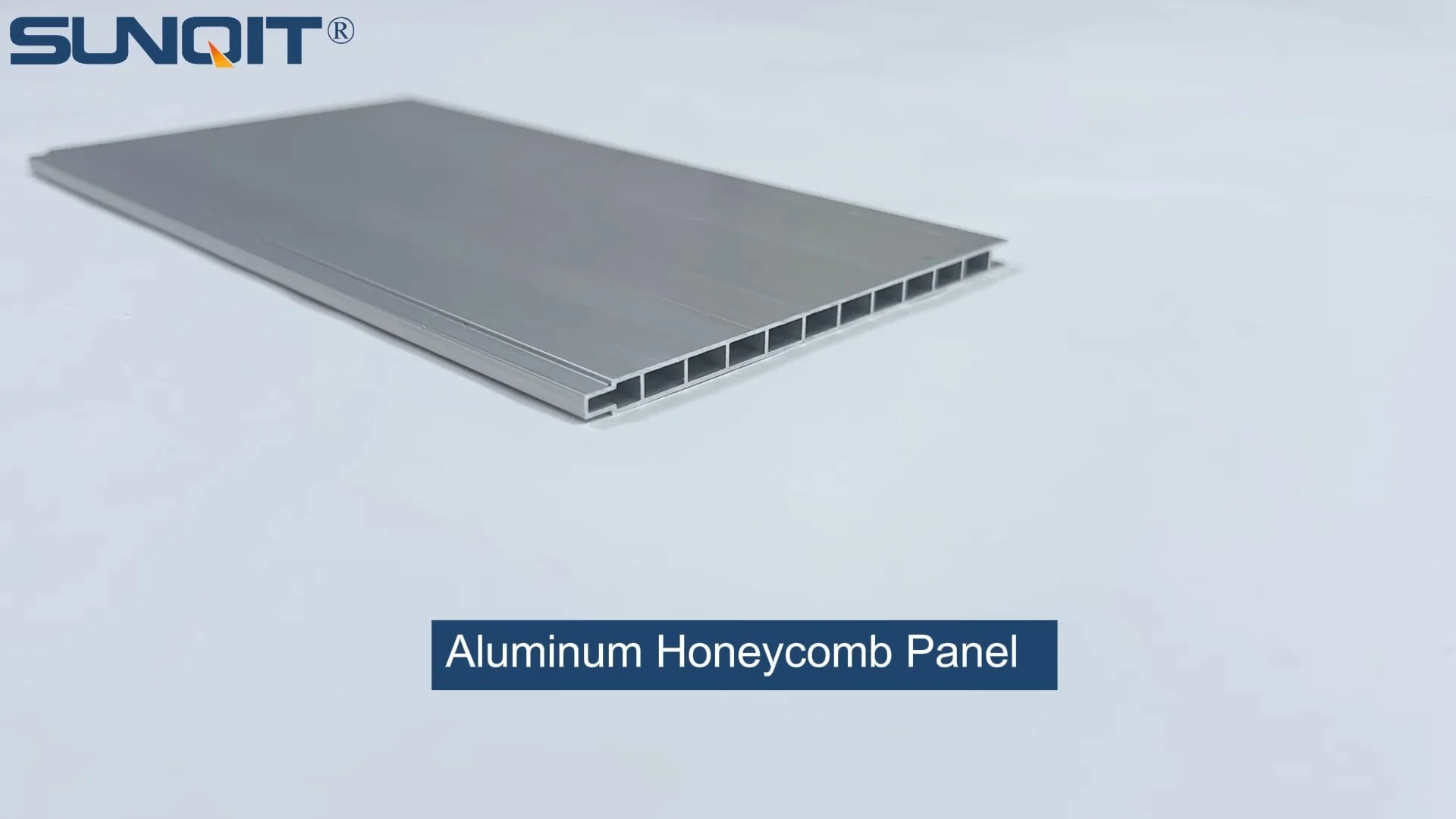
Aluminum Honeycomb Panel
Aluminum honeycomb panel used as table top, side wall, it is connected one pcs by one pcs from the side slot to make a full pieces.This panel width 105mm, 55mm, 35mm are optional for slection.
Introduction: The Hidden Threat of Vibration in Medical Settings
In the quiet halls of a hospital lab, a researcher adjusts a microscope to analyze a tissue sample. Down the corridor, a surgical robot prepares for a delicate procedure, its mechanical arm calibrated to move with sub-millimeter precision. In a manufacturing facility nearby, technicians assemble components for a portable ultrasound machine, where even the smallest misalignment could compromise patient diagnostics. What do all these scenarios have in common? They all rely on equipment that is exquisitely sensitive to one invisible enemy: vibration.
Vibration, whether from foot traffic, nearby machinery, HVAC systems, or even the hum of a distant elevator, is more than just a minor annoyance in medical environments. For devices like electron microscopes, PCR machines, or robotic surgical tools, even microscopic vibrations can distort measurements, blur images, or disrupt delicate mechanical movements. The consequences are far-reaching: delayed test results, inaccurate diagnoses, increased production errors, and in the worst cases, compromised patient safety.
Over the years, the medical industry has turned to various solutions to combat this issue—from rubber mats under workbenches to specialized anti-vibration mounts. But in recent years, a material has emerged as a game-changer in this field: the aluminum honeycomb panel. Lightweight yet remarkably strong, these panels are redefining how medical facilities and device manufacturers protect their most sensitive equipment. In this article, we'll explore how aluminum honeycomb panels work, why they're uniquely suited for vibration dampening, and how they integrate with systems like workbenches and lean manufacturing processes to create safer, more reliable medical environments.
What Are Aluminum Honeycomb Panels?
At first glance, an aluminum honeycomb panel might look like any other flat surface—smooth, rigid, and unassuming. But beneath that sleek exterior lies a structure inspired by one of nature's most efficient designs: the honeycomb. If you were to slice a panel open, you'd see a core of hexagonal cells, much like a beehive, sandwiched between two thin aluminum sheets (called "skins"). This simple yet brilliant architecture is what gives the panels their extraordinary properties.
The magic of the honeycomb structure lies in its ability to combine strength and lightness. The hexagonal cells distribute weight evenly across the panel, allowing it to withstand heavy loads without bending or warping. Meanwhile, the air pockets within the cells reduce the panel's overall weight—often making it lighter than solid aluminum or wood while being significantly stronger. But strength and weight are just part of the story. What truly sets aluminum honeycomb panels apart, especially for medical applications, is their exceptional ability to absorb and dampen vibrations.
To understand why, let's break down the components. The outer skins are typically made of thin, high-grade aluminum, chosen for its rigidity and resistance to corrosion—critical in sterile medical environments. The core, often made of aluminum as well (though sometimes other materials like paper or fiberglass are used for specialized applications), forms the hexagonal lattice. This lattice acts as a network of tiny shock absorbers: when vibration hits the panel, the cells compress and flex, converting kinetic energy into heat and dissipating it before it can reach the equipment above. It's a bit like how a car's crumple zone absorbs impact in a collision, but on a microscopic scale, tailored to stop vibrations in their tracks.
But aluminum honeycomb panels aren't just about the core and skins. Their performance is also enhanced by the materials used to bond these components together. Advanced adhesives ensure that the skins and core act as a single, unified structure, preventing the panel from delaminating under stress. This bond is especially important in medical settings, where panels may be subjected to frequent cleaning, temperature fluctuations, or heavy equipment placement over years of use.

The Science of Vibration Dampening: Why Honeycomb Beats Solid Materials
To appreciate why aluminum honeycomb panels are superior at dampening vibrations, it helps to first understand what vibration is and how it travels. Vibration is simply a periodic motion of particles in a material, caused by a force (like a footstep or a machine's motor). When this motion reaches a sensitive device, it can cause the device's components to vibrate in sympathy—a phenomenon known as resonance. Resonance amplifies vibrations, turning a small tremor into a significant disturbance.
Solid materials like steel or solid aluminum are poor at dampening vibration because they transmit these waves efficiently. Think of a tuning fork: strike it, and it vibrates for seconds, sending sound waves (a form of vibration) through the air. A solid metal workbench acts similarly, conducting vibrations from the floor up to the equipment placed on it. Rubber or foam, while better at absorbing vibration, often lack the structural strength needed to support heavy medical devices, and they can degrade over time, especially in harsh cleaning environments.
Aluminum honeycomb panels solve this dilemma through a combination of "structural damping" and "viscoelastic damping." Structural damping comes from the panel's geometry: the hexagonal cells create a complex network of surfaces that reflect and scatter vibration waves. As a wave travels through the core, it bounces off the cell walls, losing energy with each reflection. By the time the wave reaches the top skin (where the equipment sits), its amplitude is drastically reduced.
Viscoelastic damping, on the other hand, comes from the panel's adhesive layers and the slight flexibility of the aluminum core. When the panel vibrates, the adhesive between the skins and core stretches and relaxes, converting some of the vibration energy into heat—a process called hysteresis. This "energy loss" ensures that vibrations don't linger; they're absorbed and dissipated quickly.
To put this in perspective, consider a common scenario: a lab workbench placed near a busy corridor. Without proper damping, every footstep sends a small shockwave up through the floor, into the workbench legs, and finally to the microscope on top. With an aluminum honeycomb panel as the workbench's top surface, the honeycomb core scatters and absorbs those shockwaves. The result? The microscope remains stable, and the researcher gets a clear, undistorted image.
But don't just take our word for it. Studies have shown that aluminum honeycomb panels can reduce vibration transmission by up to 70% compared to solid aluminum panels of the same thickness. For medical devices that require nanometer-level precision, that difference is the line between usable data and useless noise.

Applications in Medical Device Protection: From Workbenches to Lean Systems
Aluminum honeycomb panels aren't just a theoretical solution—they're already transforming how medical equipment is protected, both in clinical settings and during manufacturing. Let's explore some of their most impactful applications.
Workbenches: The Foundation of Stability
Perhaps the most common use of aluminum honeycomb panels in medical settings is in workbenches. Whether in a hospital lab, a pharmaceutical research facility, or a medical device manufacturing plant, workbenches are where sensitive tasks happen. A typical medical workbench might hold a centrifuge, a mass spectrometer, or a precision assembly station for pacemaker components. Traditionally, these workbenches were made of solid wood, steel, or plastic, all of which are prone to transmitting vibrations.
Today, many manufacturers are replacing these traditional tops with aluminum honeycomb panels. For example, a workbench E (single deck, without casters) used in a surgical instrument assembly line might feature a honeycomb core sandwiched between aluminum skins. The result is a surface that's not only resistant to scratches, chemicals, and heat (important for sterilization) but also virtually immune to vibration. Technicians assembling tiny surgical tools can work with confidence, knowing that the bench beneath them isn't introducing unwanted movement.
Lean System Integration: Streamlining Production Without Sacrificing Precision
Beyond clinical settings, aluminum honeycomb panels are playing a key role in lean system implementations within medical device manufacturing. Lean manufacturing, which focuses on minimizing waste and maximizing efficiency, often involves optimizing workflows to reduce unnecessary movement of materials and equipment. But in a lean system, faster production can sometimes mean more movement—conveyors, robotic arms, and material handlers all introduce new sources of vibration.
Here's where aluminum honeycomb panels shine. For instance, in a lean production line assembling glucose monitors, aluminum honeycomb panels might be used as the surface of conveyor systems or material racks. A material rack B (3 row and 3 floor) storing delicate sensor components can be built with honeycomb panels to prevent vibrations from nearby conveyor belts from jostling the parts. Similarly, roller tracks used to transport partially assembled devices between workstations can be mounted on honeycomb-backed supports, ensuring that the devices glide smoothly without picking up vibrations from the track itself.
By integrating honeycomb panels into lean systems, manufacturers can maintain the speed and efficiency that lean demands while still protecting the precision of their products. It's a win-win: reduced production time and fewer defects, thanks to a material that keeps vibration in check.
Aluminum Profiles: Reinforcing Strength, Reducing Vibration
Aluminum honeycomb panels rarely work alone. They're often paired with aluminum profiles—extruded aluminum beams with T-slots that allow for easy assembly of structures like workbenches, racks, and frames. Aluminum profiles are lightweight, strong, and highly customizable, making them ideal for building the frames that support honeycomb panels. But they also contribute to vibration dampening in their own right.
Unlike steel profiles, which are stiff and prone to transmitting vibration, aluminum profiles have a lower modulus of elasticity (a measure of a material's stiffness). This means they flex slightly under load, absorbing some vibration energy before it reaches the honeycomb panel. When combined with honeycomb, the result is a system where the profile frame and the panel work together to create a multi-layered defense against vibration. For example, a workbench built with 4040 EU standard aluminum profiles and a honeycomb top can support heavy equipment while isolating it from floor vibrations better than a steel frame with a solid top.
Aluminum profile accessories, like corner brackets and gussets, further enhance this system by reducing "play" in the frame. Loose joints in a workbench frame can act like tiny levers, amplifying vibrations. Tight, precisely fitted aluminum profile accessories eliminate this play, ensuring that the entire structure—frame and panel—behaves as a single, vibration-resistant unit.
Benefits Over Traditional Materials: A Comparison
To truly understand the value of aluminum honeycomb panels, it's helpful to compare them to the materials they're replacing. Below is a breakdown of how they stack up against common alternatives in key areas relevant to medical applications:
| Material | Vibration Dampening Efficiency | Weight (per sq. ft.) | Strength (Load Capacity) | Chemical Resistance | Sterilization Compatibility |
|---|---|---|---|---|---|
| Solid Aluminum | Low (transmits 80-90% of vibrations) | 15-20 lbs | High (500+ lbs/sq. ft.) | High | Yes (heat, chemicals) |
| Wood (Maple) | Moderate (transmits 50-60% of vibrations) | 10-12 lbs | Medium (300-400 lbs/sq. ft.) | Low (prone to warping, staining) | No (absorbs moisture, harbors bacteria) |
| Rubber Matting | High (transmits 20-30% of vibrations) | 5-8 lbs | Low (100-200 lbs/sq. ft.) | Moderate (degrades with oils, solvents) | Yes (limited heat tolerance) |
| Aluminum Honeycomb Panel | Very High (transmits 10-15% of vibrations) | 6-8 lbs | High (450+ lbs/sq. ft.) | Very High (resistant to acids, alcohols) | Yes (high heat, steam, chemicals) |
As the table shows, aluminum honeycomb panels strike a unique balance: they dampen vibration better than solid aluminum or wood, weigh less than both, and match or exceed their strength. They're also more chemically resistant than wood and more durable than rubber, making them ideal for the harsh conditions of medical environments. For example, in a dental lab where workbenches are regularly cleaned with peroxide or alcohol, a honeycomb panel top won't degrade or discolor, unlike wood or some plastics.
Another key advantage is longevity. Aluminum honeycomb panels are resistant to warping, cracking, and corrosion, meaning they can last for decades with minimal maintenance. In contrast, rubber mats need to be replaced every few years, and wood tops can warp or delaminate over time, especially in humid medical settings. Over the long term, the initial investment in honeycomb panels often pays off in reduced replacement costs and fewer equipment failures due to vibration-related damage.
Real-World Impact: Case Studies in Medical Settings
To put these benefits into context, let's look at a few hypothetical but realistic case studies of aluminum honeycomb panels in action.
Case Study 1: Hospital Lab Reduces Test Errors with Honeycomb Workbenches
A large urban hospital was struggling with inconsistent results from its blood chemistry analyzer, a device that measures levels of glucose, electrolytes, and other substances in patient blood samples. Technicians noticed that results varied slightly depending on the time of day—errors that were traced to vibrations from the hospital's busy corridor, which runs adjacent to the lab. During peak hours, foot traffic increased, causing the analyzer (placed on a traditional steel workbench) to vibrate, leading to inaccurate readings.
The hospital replaced the steel workbench top with an aluminum honeycomb panel. Within a week, the variation in test results dropped by 85%. The lab director reported that not only were results more consistent, but technicians were also able to process samples faster, as they no longer had to repeat tests due to suspected vibration-related errors. The honeycomb panel's smooth, non-porous surface also made cleaning easier, reducing the risk of cross-contamination between samples.
Case Study 2: Medical Device Manufacturer Boosts Yield with Lean System and Honeycomb Panels
A manufacturer of portable ultrasound machines was implementing a lean system to increase production from 500 units per month to 700. The new workflow involved adding a roller track conveyor to move partially assembled machines between workstations. However, initial tests revealed that the conveyor's vibrations were causing misalignments in the ultrasound transducers, leading to a 15% increase in defective units.
The solution? The manufacturer installed aluminum honeycomb panels beneath the roller track to absorb vibrations. Additionally, the workstations along the conveyor line were upgraded to honeycomb-topped benches. The result was a 90% reduction in transducer misalignments, and the production line hit its 700-unit target within three months—all while maintaining the same high quality standards. The lean system's efficiency gains were preserved, and the manufacturer saved an estimated $200,000 annually in reduced waste and rework.
Case Study 3: Research Facility Protects Microscope with Honeycomb Table
A university research lab studying neurodegenerative diseases relied on a high-resolution electron microscope to image brain tissue samples at the nanoscale. The microscope, which cost over $2 million, was located on the ground floor of a building with a busy cafeteria nearby. The constant foot traffic and kitchen equipment vibrations were blurring the microscope's images, slowing down research progress.
The lab installed a custom aluminum honeycomb table under the microscope, isolating it from the floor vibrations. The table, built with 4040 EU standard aluminum profiles for the frame and a honeycomb panel top, reduced vibration transmission by 92%. Researchers reported that they could now capture clear images of individual neurons, accelerating their studies on Alzheimer's disease. The investment in the honeycomb table—around $5,000—was trivial compared to the value of the microscope and the research it enabled.
Conclusion: The Future of Vibration Protection in Medicine
As medical technology continues to advance, the demand for precision will only grow. Tomorrow's devices—from AI-powered diagnostic tools to nanoscale surgical robots—will be even more sensitive to vibration than today's. In this context, aluminum honeycomb panels are not just a temporary fix but a foundational technology that will enable these innovations to reach their full potential.
Looking ahead, we can expect to see even more integration of honeycomb panels into medical environments. For example, manufacturers may start embedding sensors directly into the panels to monitor vibration levels in real time, alerting facility managers to potential issues before they affect equipment. Advances in aluminum profile design could lead to lighter, stronger frames that work even better with honeycomb cores. And as sustainability becomes a greater priority, the recyclability of aluminum (honeycomb panels are 100% recyclable) will make them an even more attractive choice for eco-conscious healthcare facilities.
But perhaps the most exciting prospect is the role honeycomb panels will play in making medical care more accessible. By reducing vibration-related errors in manufacturing, these panels can help lower the cost of medical devices, making them available to more patients worldwide. In clinical settings, they can improve the accuracy of diagnostic tests, leading to earlier interventions and better patient outcomes.
In the end, aluminum honeycomb panels are more than just a material—they're a silent protector of precision. In a world where medical breakthroughs depend on the smallest measurements and the most delicate movements, they ensure that nothing—not even the hum of a distant machine—stands in the way of progress. For medical professionals, researchers, and patients alike, that's a future worth building on.