- Company Articles
- Products and Technology
- Application Cases
- Warehouse Logistics Applications: How Aluminum Honeycomb Panels Optimize Storage Rack Design

Warehouse Logistics Applications: How Aluminum Honeycomb Panels Optimize Storage Rack Design
Related Product
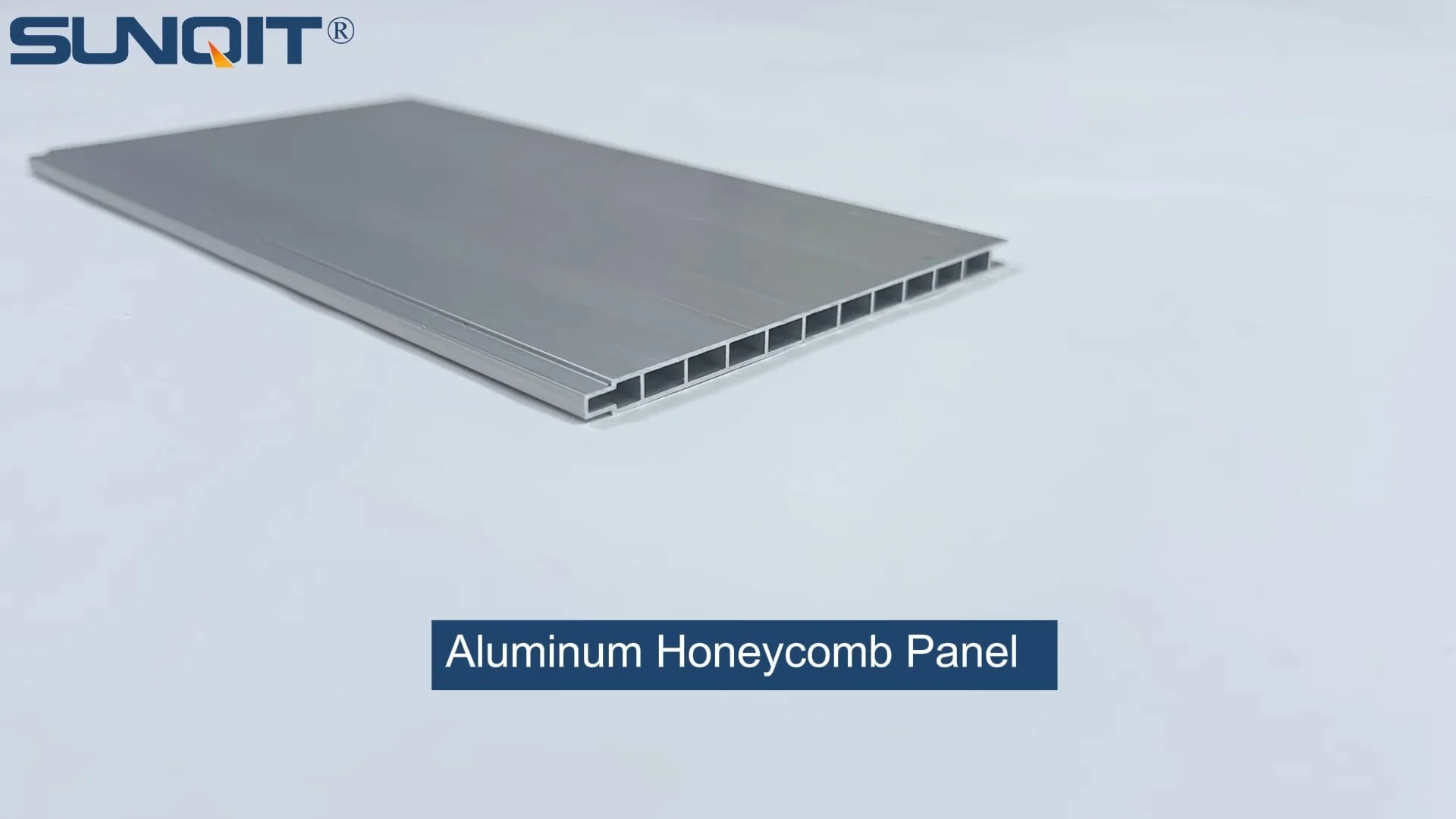
Aluminum Honeycomb Panel
Aluminum honeycomb panel used as table top, side wall, it is connected one pcs by one pcs from the side slot to make a full pieces.This panel width 105mm, 55mm, 35mm are optional for slection.
In the fast-paced world of modern logistics, warehouses are no longer just storage spaces—they're dynamic hubs where efficiency, space utilization, and adaptability can make or break a business. Every square foot counts, every minute saved adds up, and every piece of equipment must pull its weight (literally and figuratively). At the heart of this operation lie storage racks: the unsung heroes that organize inventory, streamline workflows, and keep operations running smoothly. But not all racks are created equal. The materials used to build them play a pivotal role in determining their performance, longevity, and ability to keep up with evolving demands. Enter aluminum honeycomb panels—a material that's quietly revolutionizing storage rack design and redefining what's possible in warehouse logistics.
The Changing Face of Warehouse Storage: Why Material Matters
Warehouses today face a unique set of challenges. E-commerce growth has spiked demand for faster order fulfillment, pushing facilities to optimize picking routes and storage density. Sustainability goals are pressuring businesses to reduce carbon footprints, from energy use to material waste. Meanwhile, labor shortages mean that equipment must be easy to install, reconfigure, and maintain—no more relying on teams of heavy-lifting specialists for every rack adjustment. In this context, traditional storage rack materials like solid steel, plywood, or even basic aluminum sheets are starting to show their limits.
Steel racks, for example, are undeniably strong, but their weight makes them cumbersome to install and nearly impossible to reconfigure without heavy machinery. Plywood shelves are cheap but prone to warping, moisture damage, and wear from repeated loading and unloading. Even standard aluminum sheets, while lighter than steel, often lack the rigidity needed for heavy loads, forcing warehouses to use thicker (and thus heavier) sheets that negate their weight advantage. What's needed is a material that balances strength, lightness, durability, and adaptability—qualities that aluminum honeycomb panels deliver in spades.
What Are Aluminum Honeycomb Panels, Anyway?
At first glance, aluminum honeycomb panels might look like any other metal sheet, but their magic lies in their structure. Imagine a sandwich: two thin, rigid aluminum sheets (the "bread") bonded to a lightweight honeycomb core (the "filling"). This core, typically made of aluminum or fiberglass, is shaped like a beehive—hexagonal cells that distribute weight evenly across the panel's surface. It's a design borrowed from nature, where bees' honeycombs maximize strength with minimal material, and it's been engineered to perfection for industrial use.
The manufacturing process amplifies these benefits. The honeycomb core is first expanded into its hexagonal shape, then bonded to the aluminum face sheets using high-strength adhesives. The result? A panel that's up to 70% lighter than solid steel of the same thickness, yet just as strong—if not stronger—when it comes to resisting bending or warping under load. This strength-to-weight ratio is a game-changer for storage racks, where every pound saved translates to easier installation, lower structural stress on rack frames, and even reduced energy use for warehouses with automated retrieval systems.
But it's not just about weight and strength. Aluminum honeycomb panels are also inherently rigid, meaning they don't flex or sag under heavy inventory—critical for preventing product damage or rack collapse. They're resistant to corrosion, a must in warehouses where humidity or occasional spills are common, and they're fire-retardant, adding an extra layer of safety. Plus, their smooth, clean surface is easy to clean and sanitize, making them ideal for industries like food and beverage or pharmaceuticals, where hygiene is non-negotiable.

Why Aluminum Honeycomb Panels Outshine Traditional Materials in Storage Racks
To truly appreciate the value of aluminum honeycomb panels, let's put them head-to-head with the materials they're replacing. The table below compares key performance metrics for common storage rack materials, highlighting where honeycomb panels excel:
| Material | Weight (kg/m², 10mm thickness) | Max Load Capacity (kg/sq.m) | Resistance to Corrosion | Installation Ease | Longevity (Avg. Lifespan) |
|---|---|---|---|---|---|
| Solid Steel | 78.5 | 1,200–2,000 | Low (prone to rust without coating) | Hard (requires heavy tools/team) | 15–20 years (with maintenance) |
| Plywood | 6–8 | 200–400 | Very Low (swells with moisture) | Easy (lightweight, but fragile) | 3–5 years (needs replacement often) |
| Standard Aluminum Sheet | 27 | 400–600 | High | Moderate (heavier than honeycomb) | 10–15 years (prone to bending) |
| Aluminum Honeycomb Panel | 8–12 | 800–1,500 | Very High (aluminum core + sheets) | Very Easy (lightweight, no special tools) | 25–30 years (minimal maintenance) |
The data speaks for itself. Aluminum honeycomb panels are lighter than standard aluminum, nearly as strong as steel, and far more durable than plywood. But the real-world benefits go beyond the numbers. For warehouse managers, lighter panels mean faster installation: a two-person team can carry and mount honeycomb shelves in half the time it takes to wrestle with steel sheets, reducing labor costs and downtime. Their corrosion resistance means less maintenance—no repainting or rust treatment, even in damp environments like cold storage facilities. And their rigidity ensures that shelves stay flat and stable, preventing products from tipping or sliding, which is especially critical for fragile items or high-stack storage.

Synergy with Aluminum Profiles: Building Modular, Lean Storage Systems
In today's warehouses, flexibility is king. Operations change, inventory shifts, and seasonal demands fluctuate—so storage systems need to adapt without a complete overhaul. This is where aluminum profiles come into play. Aluminum profiles—extruded metal beams with T-slots for easy attachment of accessories—are the backbone of lean manufacturing and modular warehouse design. They're lightweight, strong, and compatible with a wide range of connectors, brackets, and panels, making them ideal for building racks, workbenches, and material handling equipment that can be reconfigured on the fly.
Aluminum honeycomb panels and aluminum profiles are a match made in logistics heaven. The panels' thin, uniform thickness fits perfectly into the T-slots of aluminum profiles, secured with simple aluminum profile accessories like brackets or clamps. This modularity allows warehouses to design racks that grow with their needs: add a shelf here, extend a rack there, or repurpose a section for a new product line—all without cutting, welding, or drilling. It's a cornerstone of lean system principles, where waste is minimized, and resources are used efficiently. For example, a material rack B (3 row and 3 floor) built with aluminum profiles and honeycomb panels can be adjusted to hold more inventory by adding extra shelves, or reconfigured to accommodate taller items by spacing the profiles further apart. The panels' light weight also reduces stress on the profile frame, extending the system's overall lifespan.
This synergy isn't just about adaptability—it's about safety, too. Aluminum profiles are non-conductive and fire-resistant, and when paired with honeycomb panels (which are also fire-retardant), they create storage systems that meet strict safety codes. This is especially important in industries like electronics manufacturing, where ESD (electrostatic discharge) protection is critical, or in warehouses storing flammable materials. Even better, the smooth, non-porous surface of aluminum honeycomb panels resists dust and debris, making them easier to clean and maintain—a boon for compliance with health and safety regulations.
Real-World Applications: How Warehouses Are Using Aluminum Honeycomb Panels
Theory is one thing, but seeing aluminum honeycomb panels in action is where their value truly shines. Let's explore a few common warehouse setups where these panels are making a difference:
1. Heavy-Duty Material Racks
Material racks are the workhorses of warehouses, holding everything from bulk raw materials to finished goods. A typical material rack B (3 row and 3 floor) might need to support hundreds of kilograms per shelf, but with traditional steel shelves, the rack itself becomes so heavy that moving or reconfiguring it is nearly impossible. Enter aluminum honeycomb panels. By replacing steel shelves with honeycomb panels, the total weight of the rack drops significantly—often by 40% or more—while maintaining the same load capacity. This makes the rack easier to install initially and simpler to adjust later. For example, a food distribution center in Texas recently upgraded its material racks to honeycomb panels and reported that reconfiguring shelves for seasonal inventory (like extra holiday stock) now takes half a day instead of a full week, with no need for external contractors.
2. Workbenches for Assembly Lines
Workbenches are where the rubber meets the road in manufacturing and order fulfillment. A sturdy, stable work surface is essential for productivity, but traditional workbenches—often made of solid wood or steel—can be cumbersome. Take the workbench E (single deck-without caster), a common model in assembly lines. By using an aluminum honeycomb panel as the work surface, the bench becomes lighter (easier to move if needed) yet still rigid enough to support tools, parts, and even heavy equipment like soldering stations. The panel's smooth surface is also resistant to scratches and chemical spills, ensuring it stays looking new even after years of use. A automotive parts manufacturer in Michigan switched to honeycomb-topped workbenches and noted a 20% reduction in worker fatigue—no more straining to reach across heavy, immovable benches—and a 15% increase in assembly speed due to better ergonomics.
3. Turnover Trolleys and Mobile Racks
Mobility is key in warehouses, where materials need to move from storage to production lines or shipping docks quickly. Turnover trolleys and mobile racks are essential for this, but their weight can make them hard to maneuver, especially when fully loaded. Aluminum honeycomb panels solve this by cutting down on the trolley's dead weight. A trolley with honeycomb shelves can carry the same amount of inventory as a steel-shelved trolley but weighs 30% less, making it easier for workers to push or pull—even in tight aisles. A third-party logistics provider in California tested this with their fleet of turnover trolleys and found that workers could move loaded trolleys 50% faster, reducing picking times and improving overall warehouse throughput.
Case Study: A 3PL Warehouse Cuts Costs and Boosts Efficiency with Honeycomb Panels
Challenge: A large third-party logistics (3PL) provider in Chicago was struggling with aging steel storage racks. The racks were heavy, making it hard to reconfigure for changing client needs, and their weight was causing floor stress in some areas of the warehouse. Additionally, high labor costs for installation and maintenance were eating into profit margins.
Solution: The warehouse replaced 80% of its steel shelves with aluminum honeycomb panels mounted on aluminum profiles. They chose panels with a 10mm thickness (weighing 10kg/m²) for standard racks and 15mm panels (14kg/m²) for heavy-duty sections.
Results: - Installation time for new racks dropped by 60%, reducing labor costs by $45,000 in the first year. - Floor stress was reduced by 35%, eliminating the need for costly floor reinforcements. - The warehouse reconfigured 12 racks for a new client in just 2 days, compared to the previous 1-week timeline with steel shelves. - After 3 years, the panels showed no signs of corrosion or wear, despite daily use in a humid environment.
Key Considerations When Choosing Aluminum Honeycomb Panels
Not all aluminum honeycomb panels are created equal, so it's important to choose the right one for your warehouse's needs. Here are a few factors to keep in mind:
- Core Material: Aluminum cores are best for high load capacity and durability, while fiberglass cores are lighter and more cost-effective for lighter loads.
- Thickness: Panels range from 5mm to 50mm thick. Thicker panels handle heavier loads, but remember: even a 10mm panel is stronger than most solid aluminum sheets.
- Surface Treatment: Anodized or powder-coated panels offer extra corrosion resistance and a smoother finish, ideal for cleanrooms or food-grade facilities.
- Compatibility with Accessories: Ensure the panels work with your existing aluminum profile accessories (brackets, clamps, connectors) to avoid compatibility issues during installation.
- Supplier Reputation: Choose a reputable supplier with experience in warehouse applications—they can help you select the right panel thickness and core material for your specific load requirements.
The Future of Warehouse Storage: Why Aluminum Honeycomb Panels Are Here to Stay
As warehouses continue to evolve, the demand for smarter, more sustainable materials will only grow. Aluminum honeycomb panels align perfectly with this future. They're recyclable—aluminum is one of the most recycled metals on the planet, with nearly 75% of all aluminum ever produced still in use today—making them a green choice for eco-conscious businesses. Their lightweight design also reduces transportation emissions: fewer trucks are needed to ship panels, and lighter racks mean less fuel use for forklifts and other material handling equipment.
Looking ahead, we'll likely see even more innovation in honeycomb panel technology. Manufacturers are experimenting with composite cores (like carbon fiber) to boost strength further, and integrating smart features like RFID tags or sensors into panels to track inventory in real time. Imagine a shelf that alerts you when it's overloaded, or a panel that wirelessly updates your WMS (Warehouse Management System) when stock levels change—this isn't science fiction; it's the next frontier of warehouse automation, and aluminum honeycomb panels are the ideal platform for it.
Conclusion: Investing in the Future of Your Warehouse
Warehouse logistics is a game of inches—small improvements in efficiency, space, and durability add up to big wins for your bottom line. Aluminum honeycomb panels aren't just a material upgrade; they're an investment in your warehouse's ability to adapt, grow, and thrive in a rapidly changing industry. By combining lightweight strength, modular flexibility, and long-term durability, they solve the key challenges of modern storage rack design: weight, adaptability, and cost-effectiveness.
Whether you're building new racks, upgrading existing ones, or designing workbenches for a lean assembly line, aluminum honeycomb panels offer a solution that works as hard as your team does. They're not just shelves—they're a foundation for a more efficient, sustainable, and productive warehouse. And in today's competitive logistics landscape, that's not just an advantage; it's a necessity.