- Company Articles
- Products and Technology
- Solution
- Warehouse Logistics: Streamlining Material Flow with All Direction Roller Track

Warehouse Logistics: Streamlining Material Flow with All Direction Roller Track
Related Product
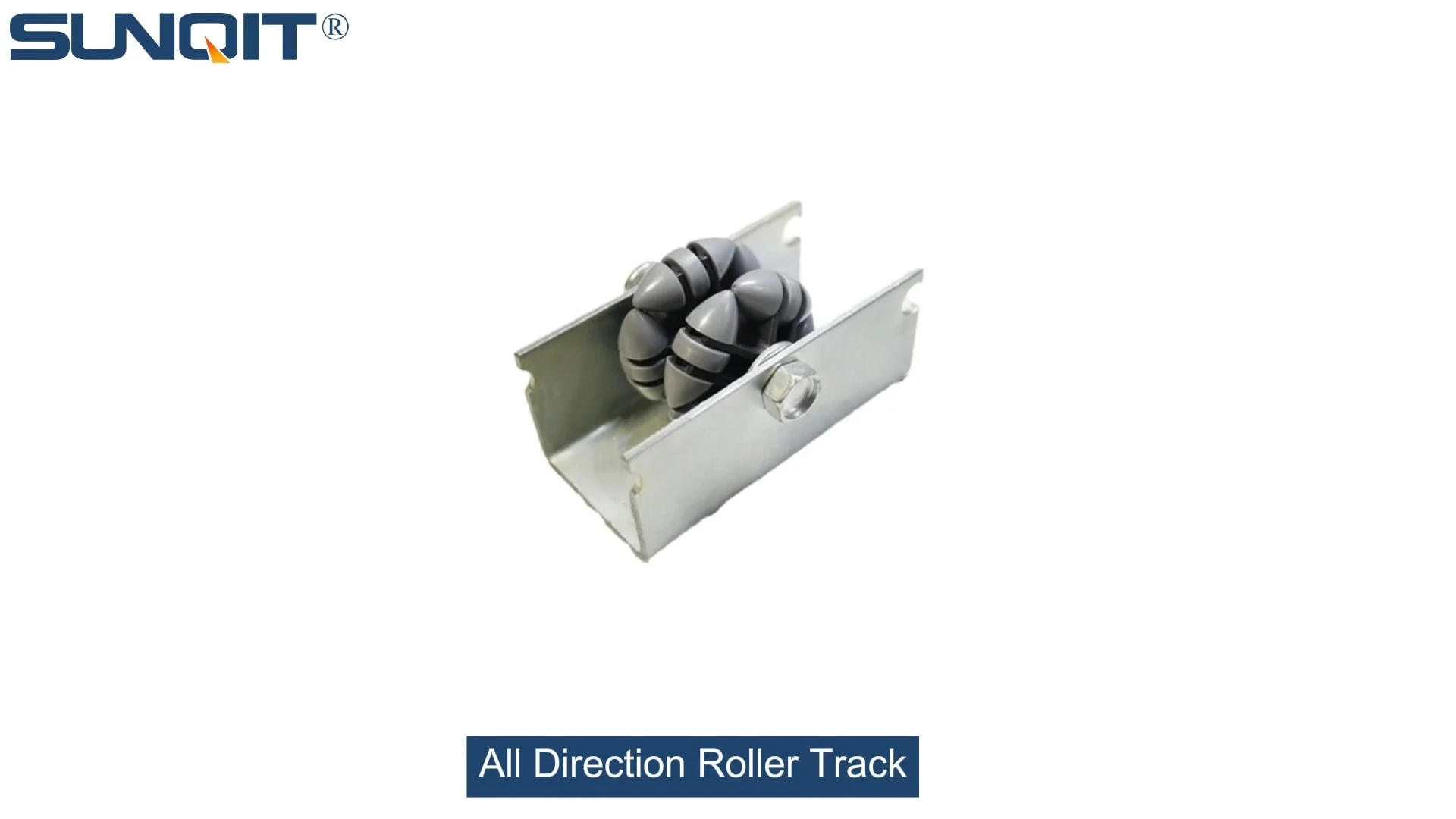
All Direction Roller Track
All direction roller track made of steel frame and multiple direction move wheel which will make boxes are always in contact with the rollers, reducing jams and enhancing flow reliability.
Imagine walking into a busy manufacturing warehouse. Pallets are stacked haphazardly, workers strain to push heavy carts across uneven floors, and components take forever to move from storage to the assembly line. Sound familiar? For decades, this has been the reality of warehouse logistics—where material flow bottlenecks quietly eat into productivity, increase labor costs, and even risk workplace injuries. But what if there was a way to make materials "flow like water" through your facility? Enter the all direction roller track —a simple yet revolutionary solution that's transforming how factories handle material movement. In this article, we'll explore how this unassuming tool, paired with other lean equipment like flow racks, conveyors, and lean pipe workbenches, can turn your warehouse from a chaotic bottleneck into a smooth, efficient hub of productivity.
The Hidden Cost of Clunky Material Flow
Before diving into solutions, let's talk about the problem. In traditional warehouses, material movement is often an afterthought. Components are stored on static shelves, moved by manual carts, and passed between workstations with more effort than necessary. According to lean manufacturing studies, up to 30% of labor in non-optimized facilities is spent on material handling alone—that's nearly a third of your team's time wasted on moving things instead of building, assembling, or innovating.
Worse, inefficient material flow creates a ripple effect. Delays in one area slow down the entire production line. Heavy lifting leads to worker fatigue and higher turnover. Inconsistent movement paths increase the risk of damaged goods. For industries like 3C assembly or medical device manufacturing—where precision and speed are critical—these issues don't just hurt the bottom line; they compromise product quality and customer trust.
Real Talk: A manager at a mid-sized electronics factory once told me, "We used to have two workers dedicated just to moving circuit boards from the warehouse to the assembly line. They'd spend 4 hours a day pushing metal carts, and half the time, components would get jostled out of place. Now? With all direction roller tracks and flow racks, one worker can do the job in an hour—and we haven't had a single damaged component in six months."
All Direction Roller Track: The "Magic" Behind Smooth Material Flow
So, what makes all direction roller track so special? At first glance, it looks like a series of small, rotating balls or rollers mounted on a track. But its true power lies in flexibility. Unlike fixed-direction conveyors, these tracks allow materials to move in any direction —forward, backward, left, right, or even diagonally. This 360° mobility turns rigid, linear workflows into dynamic, adaptive systems that respond to your facility's unique layout.
Let's break down its key advantages:
- Effortless Movement: The rollers reduce friction to almost zero. A single worker can push a loaded cart with minimal effort, cutting physical strain and fatigue. No more strained backs or sweaty brows—just smooth, easy gliding.
- Adaptable to Any Load: Whether you're moving lightweight plastic parts or heavy metal components, there's a roller track for that. Aluminum tracks work great for small, frequent loads (like 3C accessories), while steel tracks handle heavier items (think automotive parts). Even better, they're compatible with standard pallets, bins, and turnover trolleys—no need to replace your existing containers.
- Space-Saving Design: Traditional conveyors require fixed paths, limiting your layout flexibility. All direction roller tracks, however, can be installed in tight spaces, around corners, or even integrated into workbenches. This is a game-changer for facilities with limited square footage.
- Durability That Lasts: Made from high-quality materials like aluminum extrusion profiles or stainless steel, these tracks withstand daily wear and tear. The rollers are sealed to prevent dust buildup, and the frames resist corrosion—perfect for cleanrooms or humid environments like medical device warehouses.

Beyond Roller Tracks: Building a Complete Lean Flow System
While all direction roller tracks are stars in their own right, they shine brightest when paired with other lean tools. Think of them as the "muscles" of your material flow system—they need strong "bones" (flow racks), "nerves" (conveyors), and "command centers" (lean pipe workbenches) to work together seamlessly. Let's explore these partnerships:
1. All Direction Roller Track + Flow Rack: Fast, FIFO Material Access
A flow rack is like a "smart shelf" that uses gravity to move materials forward as items are picked. When you combine it with all direction roller tracks, magic happens. Imagine a flow rack in your 3C assembly area: components are loaded from the back, roll forward to the picking front, and then—instead of being carried to the workbench—they glide directly onto a connected roller track. Workers don't have to walk to the rack; the materials come to them.
This setup is a lifesaver for "pick-and-place" operations. For example, in a smartphone assembly line, small parts like screws, gaskets, and connectors can be stored in flow racks with roller track extensions. As soon as a worker takes a bin from the front, the next bin rolls forward automatically. No more searching, no more waiting—just continuous, uninterrupted workflow.
2. All Direction Roller Track + Conveyor: From Storage to Assembly, Seamlessly
Conveyors are great for long-distance movement, but they're rigid. All direction roller tracks act as the "bridge" between conveyors and workstations. Here's how it works: A conveyor moves a pallet from the warehouse to a central hub. At the hub, the pallet transfers onto an all direction roller track, where a worker can easily redirect it to the nearest assembly line—no need to unload and reload. It's like a traffic roundabout for materials, keeping the flow continuous and reducing idle time.
In one medical device factory we worked with, they used this combo to streamline sterilized instrument delivery. Sterilized tools are conveyed from the autoclave room to a roller track hub, then directed to 12 different workstations. Before, this process took 45 minutes; now it takes 15. "We used to have instruments sitting idle, cooling down while waiting for transport," the plant manager noted. "Now they get to the surgeons' hands while they're still warm—saving time and improving safety."
3. All Direction Roller Track + Lean Pipe Workbench: The Ultimate Workstation
A lean pipe workbench is already a staple of efficient assembly lines—ergonomic, customizable, and built for productivity. Add all direction roller track to the mix, and you've got a workstation that practically feeds materials to the worker. Imagine a technician assembling a laptop: the motherboard slides onto the workbench via a roller track, then components like RAM and hard drives follow, each on their own mini-track. The technician never has to reach, bend, or search—everything is right where they need it, exactly when they need it.
Even better, these workbenches are modular. Need to reconfigure your line for a new product? Just adjust the roller track layout—no tools, no downtime. This flexibility is why lean pipe workbenches with roller tracks are a favorite in industries like consumer electronics, where product lines change constantly.

See It in Action: Real-World Success Stories
Numbers tell the story best. Let's look at two case studies where all direction roller track, paired with other lean solutions, transformed warehouse logistics:
| Industry | Challenge | Solution | Results |
|---|---|---|---|
| 3C Assembly (Smartphone Factory) | Slow component delivery to assembly lines; high labor costs for material handling. | All direction roller track + flow rack + lean pipe workbench system. | Material delivery time reduced by 65%; labor costs cut by 40%; assembly line uptime increased by 20%. |
| Medical Device Warehouse | Strict sterility requirements; frequent errors in manual material sorting. | Stainless steel all direction roller track + conveyor + ESD workstation. | Error rate dropped to 0%; compliance with FDA sterility standards improved; order fulfillment speed up by 50%. |

More Than Just Equipment: The Power of a Custom Lean Solution
At this point, you might be thinking, "This sounds great, but my warehouse is unique—will a one-size-fits-all system work?" The answer is no—and that's where a lean solution comes in. A truly effective material flow system isn't just a collection of tools; it's a customized strategy designed around your specific products, processes, and goals.
For example, a car parts manufacturer might need heavy-duty steel roller tracks and conveyors to move engine blocks, while a medical supply company might prioritize ESD-safe aluminum tracks to protect sensitive electronics. A good lean solution provider will start by auditing your current workflow, identifying bottlenecks, and then designing a system that integrates all direction roller tracks, flow racks, conveyors, and workbenches into a cohesive whole.
And here's the best part: these systems are built for continuous improvement . As your business grows or your needs change, you can add more tracks, reconfigure workstations, or upgrade components—no need to start from scratch. It's sustainability in action: reducing waste, maximizing resource use, and ensuring your warehouse evolves with your success.
Ready to Transform Your Warehouse? Start with the Basics
You don't need to overhaul your entire facility overnight. Small changes with all direction roller track can yield big results. Start by identifying your biggest material flow pain point—maybe it's the path from storage to assembly, or the transfer between workstations. Install a short roller track there, pair it with a flow rack or a lean pipe workbench, and watch the difference. You'll be amazed at how quickly "small wins" add up to major improvements in productivity, worker satisfaction, and bottom-line results.
In the end, warehouse logistics isn't just about moving things—it's about creating a system where materials, workers, and processes work in harmony. With all direction roller track leading the way, supported by flow racks, conveyors, and lean pipe workbenches, you're not just streamlining material flow—you're building a factory that's ready to compete, innovate, and thrive in the fast-paced world of modern manufacturing.
So, what are you waiting for? It's time to let your materials flow—and watch your productivity soar.