- Company Articles
- Products and Technology
- Solution
- Warehouse Logistics: Two Way Lean Pipe Joint for Efficient Storage Solutions

Warehouse Logistics: Two Way Lean Pipe Joint for Efficient Storage Solutions
Related Product
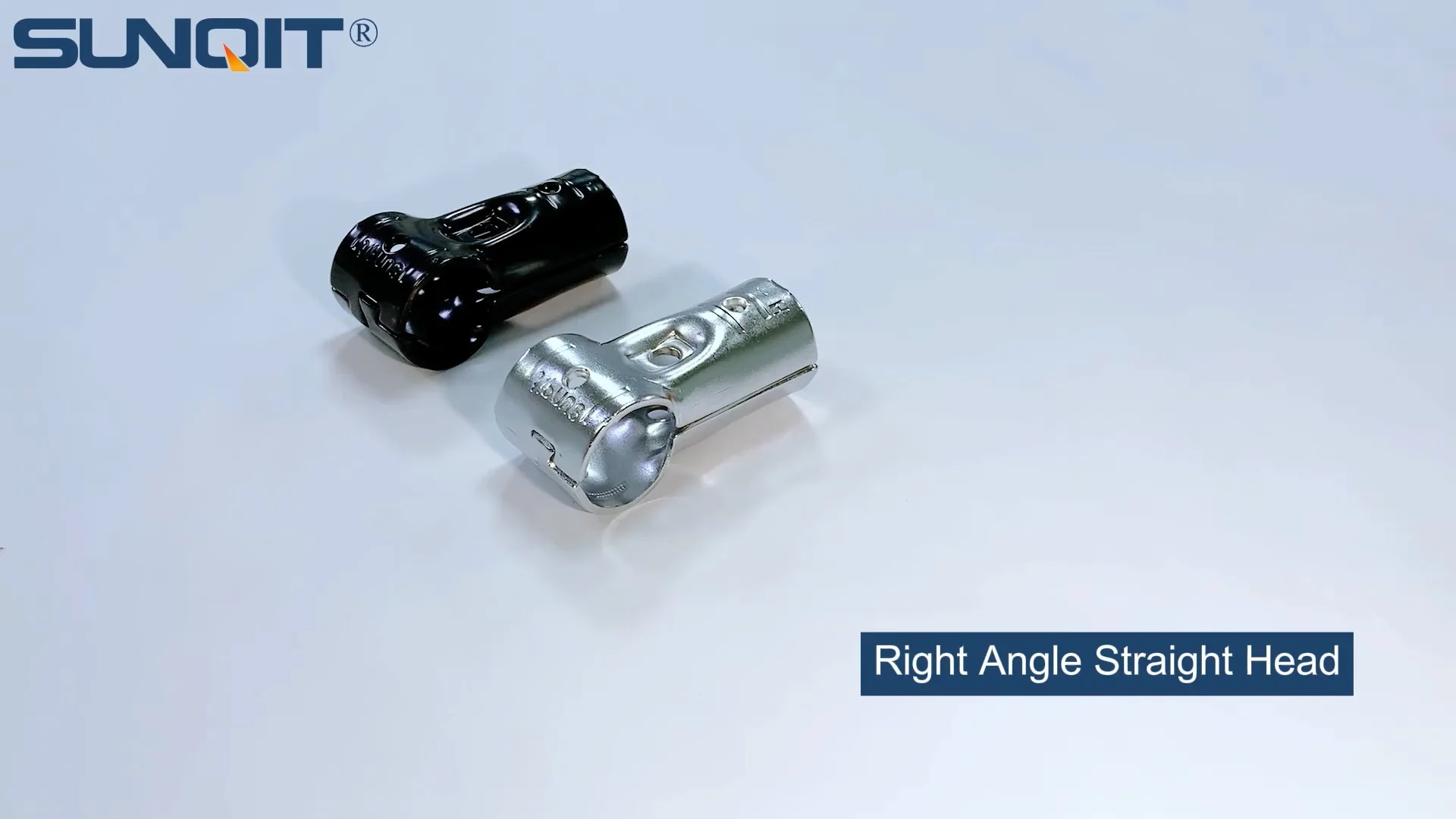
Two Way Lean Pipe Joint
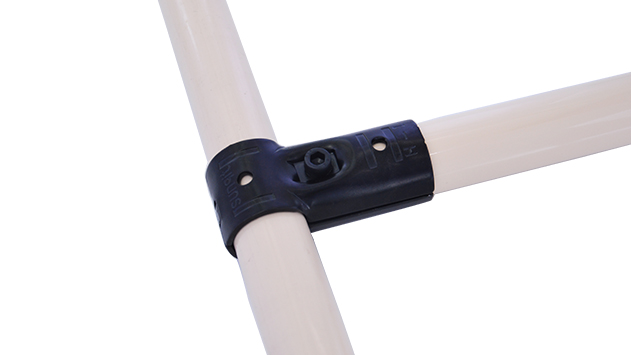
Two way lean pipe joint for 2 pcs 28MM lean pipe connection in straight angle, which used widely in workbench, flow rack, hand trolley frame connection.
Walk into any busy warehouse, and you'll quickly realize it's more than just a space filled with boxes and shelves. It's a symphony of movement—forklifts weaving through aisles, workers picking orders, and products flowing from receiving to shipping. But behind that chaos lies a critical challenge: how to keep this symphony in tune, ensuring every step is efficient, every inch of space is used wisely, and every team member can work without unnecessary hurdles. This is where the unsung heroes of warehouse logistics come into play: lean pipe systems, and at their heart, the two way lean pipe joint. In this article, we'll dive into how this small but mighty component is revolutionizing storage solutions, making warehouses smarter, more adaptable, and ultimately, more profitable.
The Evolution of Warehouse Storage: From Static to Dynamic
Not long ago, warehouses relied on fixed metal shelves and rigid workstations. These structures were sturdy, sure, but they came with a big downside: they couldn't keep up with change. A new product line with different dimensions? You'd need to buy new shelves. A seasonal spike in orders? Good luck rearranging those heavy metal racks to speed up picking. It was like trying to dance in concrete boots—clunky, restrictive, and exhausting.
Then came the era of lean manufacturing, a philosophy born from the need to eliminate waste and maximize value. Lean principles didn't just change how products were made; they transformed how warehouses operated. Suddenly, the focus shifted from "one-size-fits-all" storage to flexibility. Warehouses needed systems that could adapt to shifting demands, grow with the business, and reduce downtime. Enter lean pipe systems—modular, lightweight, and designed to evolve alongside your operations. And at the core of these systems? The humble yet versatile lean pipe joint.
Understanding Lean Pipe Systems: More Than Just Pipes and Joints
Before we zoom in on the two way lean pipe joint, let's take a step back and understand what lean pipe systems are all about. At their simplest, these systems are built from lightweight pipes (often made of steel, aluminum, or plastic-coated steel) and a variety of joints that connect them. Think of it as industrial-grade building blocks—you can snap pieces together to create almost any structure you need, then take them apart and rebuild when your needs change. No welding, no heavy tools, no permanent commitments.
The beauty of lean pipe systems lies in their modularity. Need a workbench for assembly? Connect pipes with joints to form a frame, add a wooden or metal top, and you're done. Want a flow rack to move products from one station to another? Attach roller tracks to the pipes, and gravity does the rest. Even conveyors—those essential tools for moving goods along a line—can be built using lean pipes and specialized components. It's like having a warehouse toolkit that lets you customize on the fly, without waiting for a construction crew or breaking the bank.
But what makes these systems truly "lean"? It's their ability to reduce waste in all forms. Waste of space: since structures are modular, you can design them to fit tight corners or odd-shaped areas. Waste of time: no more waiting for custom furniture—you can build or reconfigure a workstation in hours, not weeks. Waste of money: instead of replacing entire systems when needs change, you just swap out a few pipes and joints. For small businesses and large corporations alike, this translates to lower costs and higher efficiency.
The Star Player: Two Way Lean Pipe Joint Explained
If lean pipe systems are the building blocks, then the two way lean pipe joint is the glue that holds them together—literally. But it's not just any glue; it's a multi-tasker, a problem-solver, and a key driver of the system's flexibility. Let's break down what makes this joint so special.
First, the basics: a two way lean pipe joint is a small, often metal connector designed to link two pipes at a fixed angle—usually 90 degrees, though some models allow for adjustments. It's typically made of durable materials like zinc-plated steel or aluminum, ensuring it can handle the weight of products, tools, and daily wear and tear. The joint itself has two openings (hence "two way") where pipes slide in, and a locking mechanism—often a set screw or a clamp—that secures the pipes in place. Tighten the screw, and the joint holds firm; loosen it, and you can reposition the pipes in seconds.
But why is this simplicity so powerful? Let's think about a common warehouse scenario: building a workbench. A basic workbench needs a frame—four vertical pipes for legs, horizontal pipes for the top frame, and maybe a lower shelf for storage. With two way lean pipe joints, you can connect the vertical and horizontal pipes at the corners, creating a stable rectangle. Need to adjust the height? Loosen the joints, slide the vertical pipes up or down, and retighten. Want to add a shelf halfway up? Attach more joints to the vertical pipes and add horizontal supports. It's like playing with Tinkertoys, but for grown-ups solving real business problems.
What sets the two way joint apart from other connectors (like three-way or four-way joints) is its focus on simplicity. While multi-way joints have their place in complex structures, the two way joint is the workhorse for everyday builds. It's affordable, easy to install, and less likely to fail because it has fewer moving parts. For most warehouses, 80% of their lean pipe structures—workbenches, simple flow racks, or mobile trolleys—can be built using primarily two way joints. This simplicity also makes training new staff a breeze: even someone with no prior experience can learn to assemble a basic structure in minutes, reducing the need for specialized labor.
Durability Meets Flexibility: Materials Matter
Not all two way lean pipe joints are created equal, and the material they're made of plays a big role in their performance. Zinc-plated steel joints are the standard for most applications—they're strong, corrosion-resistant, and budget-friendly. For warehouses in humid environments or those handling food, pharmaceuticals, or electronics (where cleanliness is critical), stainless steel joints are a better choice. They resist rust and are easy to sanitize, ensuring compliance with industry regulations.
Aluminum joints, on the other hand, are lighter and ideal for structures that need to be moved frequently—like mobile workstations or temporary storage racks. Imagine a warehouse during peak season: you might need extra packing stations near the shipping area. With aluminum two way joints and lightweight aluminum pipes, you can build a workstation on wheels that two people can move around the floor without heavy equipment. When the season ends, disassemble it and store the pipes and joints for next year. No wasted space, no wasted money.

Building Blocks: From Workbenches to Flow Racks with Two Way Joints
Now that we understand the "what" and "why" of two way lean pipe joints, let's explore how they're used in real-world warehouse setups. From workbenches to flow racks, these joints turn simple pipes into powerful tools that solve specific logistics challenges.
1. Workbenches: The Heart of Warehouse Operations
Every warehouse has workbenches—whether for assembling products, packing orders, or inspecting goods. A poorly designed workbench can slow down workers, cause ergonomic issues (like back pain from bending), and waste valuable time searching for tools. With two way lean pipe joints, you can build a workbench that's tailored to your team's needs.
Take, for example, a small electronics manufacturer. Their assembly line workers need a flat surface to place circuit boards, shelves for tools (screwdrivers, soldering irons), and a bin for small parts. Using two way joints, they can build a workbench with:
- A top frame made of horizontal pipes, covered with a plywood or metal sheet (the work surface).
- Vertical pipes at the back with attached tool hooks (using additional two way joints to mount the hooks).
- Lower shelves (connected with two way joints) for storage bins.
- Adjustable height legs to ensure workers of different heights can stand comfortably.
If the manufacturer starts producing larger circuit boards, they can easily extend the workbench by adding more pipes and joints to the sides. If a worker complains about the tool hooks being too high, loosen the joints, lower the vertical pipes, and retighten. It's customization without the custom price tag.
2. Flow Racks: Let Gravity Do the Work
In warehouses, moving products from the back of the shelf to the front (so workers can pick them easily) is a constant battle. Traditional shelves require workers to reach deep into the rack, wasting time and increasing the risk of injury. Flow racks solve this problem by using gravity: products are loaded from the back, and they roll forward as items are picked from the front. And guess what? Two way lean pipe joints are perfect for building these racks.
A basic flow rack has a frame (built with vertical and horizontal pipes connected by two way joints) and inclined roller tracks (or "flow rails") that run from the back to the front of the rack. The two way joints secure the vertical legs to the horizontal supports, creating a stable base. Then, additional joints are used to mount the roller tracks at a slight angle—just enough for products to glide forward but not so steep that they slide too quickly.
For a grocery distribution center, this could mean a flow rack for canned goods. The rack has multiple levels (each built with two way joints), and each level has roller tracks. Workers load cases of canned beans from the back of the top level; as the front case is picked, the next one rolls forward. No more climbing ladders or stretching—products come to the worker. And if the center starts stocking larger cans that need wider tracks? Swap out the roller tracks, adjust the joints, and the rack is good to go.
3. Mobile Trolleys: Flexibility on Wheels
Sometimes, the best storage solution isn't a fixed structure—it's something that moves. Mobile trolleys are essential for transporting goods between workstations, from the warehouse floor to the shipping dock, or for temporary storage during peak periods. Building a mobile trolley with two way lean pipe joints is not only easy but also cost-effective.
Start with a rectangular frame (using two way joints to connect the pipes), add vertical pipes for handles, and mount casters (wheels) to the bottom corners. The result? A lightweight trolley that can carry boxes, tools, or even (semi-finished products) across the warehouse. If you need to carry heavier loads, reinforce the frame with extra pipes and joints. If the trolley gets damaged (say, a wheel breaks), simply replace the caster—no need to buy a whole new trolley.

Real-World Impact: How Two Way Lean Pipe Joints Solve Common Warehouse Pain Points
Talk is cheap—let's look at how two way lean pipe joints have made a difference for real businesses. Take "TechFast," a mid-sized electronics distributor that was struggling with two big issues: disorganized picking stations and slow order fulfillment during the holiday season.
Before implementing lean pipe systems, TechFast's picking stations were a mix of old wooden tables and metal shelves. Workers had to walk back and forth between shelves to grab products, and the tables were cluttered with tools and paperwork. During the holidays, when orders doubled, the team fell behind, leading to delayed shipments and unhappy customers.
TechFast decided to invest in lean pipe systems, focusing first on building custom workbenches with two way lean pipe joints. They designed each workstation to have:
- A sloped top surface (using two way joints to angle the pipes) for order sheets, so workers didn't have to bend their necks to read.
- Vertical pipes with bins for the most popular products, mounted at eye level to reduce reaching.
- Lower shelves (connected with two way joints) for packing materials (boxes, tape, labels).
The results were immediate. Workers spent 30% less time walking and searching for products, and order picking speed increased by 25%. During the next holiday season, TechFast handled 40% more orders without adding extra staff—all because their workstations were finally designed around their needs, not the other way around.
Another example: "FreshGrocer," a regional grocery chain with a small warehouse. FreshGrocer struggled with storing produce—fruits and vegetables need to be kept cool, but their fixed metal racks took up too much space in the refrigerated area. They needed a storage system that was compact, easy to clean, and could be rearranged when new produce (like seasonal berries) arrived.
Using two way lean pipe joints and stainless steel pipes (to resist rust in the cold, humid environment), FreshGrocer built narrow flow racks that fit between the refrigeration units. The racks had inclined roller tracks (connected with two way joints) so produce could roll forward, and they were low enough that workers could see and access all items without a ladder. When berry season hit, they added more levels to the racks by attaching extra two way joints and pipes—no need to expand the refrigerated space. Produce waste dropped by 15% because items were rotated more efficiently, and workers could quickly spot when stock was low.
Why Choose Two Way Lean Pipe Joints Over Traditional Solutions?
By now, you might be thinking, "This sounds great, but why not just buy pre-made shelves or workbenches?" It's a fair question—traditional furniture has its place. But when it comes to warehouse logistics, two way lean pipe joints offer advantages that pre-made solutions can't match. Let's break it down in a comparison:
| Feature | Traditional Fixed Furniture | Lean Pipe Systems with Two Way Joints |
|---|---|---|
| Flexibility | Fixed dimensions; can't be adjusted. | Modular; pipes and joints can be rearranged in minutes. |
| Cost | Expensive upfront; need to replace entire units when needs change. | Lower initial cost; reusable components mean long-term savings. |
| Installation Time | Requires professionals; takes days to weeks. | DIY-friendly; basic structures built in hours. |
| Durability | Sturdy but prone to damage if moved; hard to repair. | Durable materials; damaged parts (joints/pipes) can be replaced individually. |
| Space Efficiency | One-size-fits-all; may waste space in odd-shaped areas. | Custom-built to fit tight spaces or unique layouts. |
The bottom line? Traditional furniture works if your warehouse needs never change—but in today's fast-paced business world, change is constant. Two way lean pipe joints give you the agility to adapt, grow, and thrive, no matter what the market throws your way.
The Future of Warehouse Logistics: Lean Pipe Joints and Beyond
As warehouses continue to evolve—with automation, AI-driven inventory management, and the rise of e-commerce—one thing remains clear: flexibility will only become more critical. Customers expect faster shipping, businesses need to handle more SKUs (stock-keeping units), and warehouses are under pressure to do more with less space. In this environment, lean pipe systems, and the two way lean pipe joint, will play an even bigger role.
We're already seeing innovations in lean pipe technology: lighter materials (like carbon fiber pipes for ultra-portable structures), smart joints with built-in sensors (to track when a structure is overloaded), and eco-friendly options (recycled aluminum pipes and joints). These advancements will make lean systems even more efficient and sustainable, aligning with the growing focus on green logistics.
But perhaps the biggest trend is the democratization of warehouse design. With lean pipe systems, you don't need an engineering degree to build a functional workstation or a flow rack. Small businesses, startups, and even individual entrepreneurs can create professional-grade storage solutions with basic tools and a little creativity. This means more businesses can compete, more jobs can be created, and more communities can thrive—all thanks to a simple joint that connects pipes.
Conclusion: The Small Joint That Makes a Big Difference
In the grand scheme of warehouse logistics, the two way lean pipe joint might seem insignificant. It's small, unassuming, and easy to overlook. But as we've explored, its impact is anything but small. It's the reason a workbench can grow with your team, a flow rack can adapt to new products, and a warehouse can turn chaos into efficiency. It's the embodiment of lean principles—eliminating waste, maximizing value, and putting the power of adaptability back into the hands of businesses.
So the next time you walk through a warehouse, take a closer look at the structures around you. Chances are, you'll spot lean pipe systems holding up workbenches, supporting flow racks, or forming mobile trolleys. And at the corners of those structures, you'll see the two way lean pipe joint—quietly doing its job, connecting pipes, and connecting businesses to a more efficient, flexible future. In the world of warehouse logistics, sometimes the smallest components make the biggest difference.