- Company Articles
- Products and Technology
- Product knowledge
- Warehouse Logistics: Using 1.0mm Stainless Steel Pipe for Material Flow Systems

Warehouse Logistics: Using 1.0mm Stainless Steel Pipe for Material Flow Systems
Related Product
1.0mm Stainless Steel Pipe
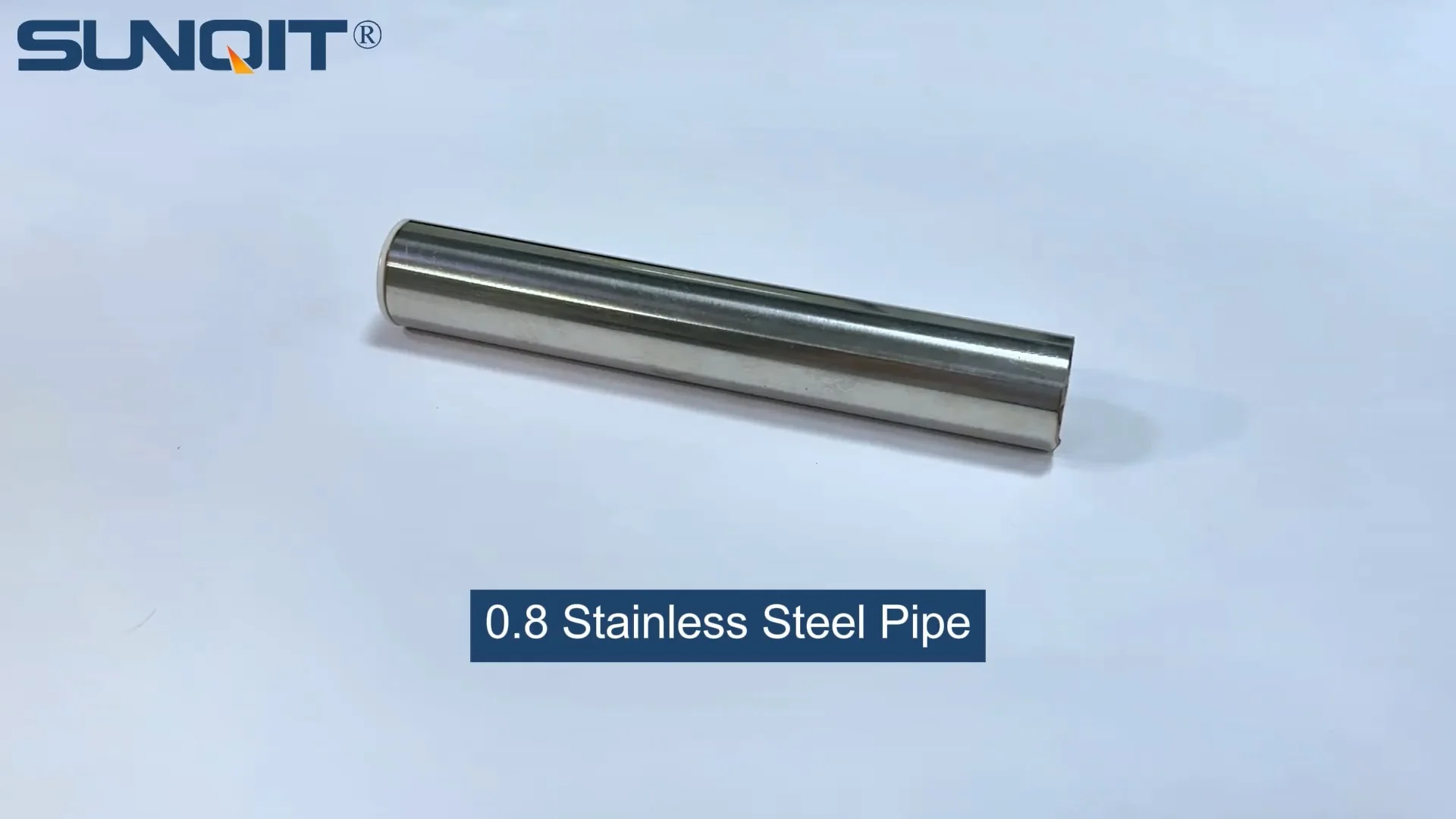
Stainless steel pipe, lean pipe, diameter is 28mm, material is SS201 or SS304, SS201 is normally used in the market. It knows a KARAKURI, KAIZEN material for industrial plant to improve efficiency, save labor cost, standard management.
Walk into any high-performing warehouse today, and you'll notice a quiet hero working behind the scenes: material flow systems that keep products moving, workers efficient, and operations humming. From the moment raw materials arrive to the second finished goods ship out, the right infrastructure can mean the difference between bottlenecks and smooth sailing. Yet for many operations, the choice of materials in these systems is often an afterthought—until a rack bends under heavy loads, a pipe corrodes in humid conditions, or a workbench wobbles mid-assembly. That's where 1.0mm stainless steel pipe enters the conversation: a durable, versatile, and cost-effective solution that's redefining how warehouses build and maintain their material flow systems.
In this article, we'll dive into why 1.0mm stainless steel pipe has become a go-to for logistics managers and operations directors. We'll explore its unique properties, how it integrates with lean system principles, and its real-world applications—from flow racks and roller track setups to sturdy workbenches . Whether you're upgrading an existing facility or designing a new one, understanding the value of this material could be the key to unlocking greater efficiency, reducing downtime, and future-proofing your operations.
The Problem with Compromises: Why Material Matters in Warehouse Flow
Warehouse logistics isn't just about moving products—it's about moving them consistently , safely , and cost-effectively . For years, operations teams have relied on a patchwork of materials: aluminum pipes that dent easily, plastic-coated tubes that peel in high-traffic areas, or heavy steel pipes that make reconfiguration a nightmare. Each comes with trade-offs:
- Aluminum lean pipe is lightweight and corrosion-resistant but often lacks the rigidity needed for heavy loads, leading to sagging shelves or unstable workbenches.
- PE-coated lean pipe (like 1.2mm or 1.5mm variants) is affordable but prone to scratches and wear, especially in environments with frequent material handling or exposure to chemicals.
- Thicker stainless steel pipes (2.0mm or more) offer strength but add unnecessary weight, making it hard to adjust layouts or move mobile systems like turnover trolleys.
These compromises add up. A corroded flow rack might require replacing entire sections after a few years. A wobbly workbench could slow down assembly line workers, leading to lost productivity. And a heavy, rigid system might force teams to stick with outdated layouts, even as production needs change. The result? Higher maintenance costs, longer lead times, and missed opportunities to optimize workflows.
Enter 1.0mm stainless steel pipe. At first glance, its thickness might seem modest—after all, 1.2mm or 2.0mm options are available. But when engineered correctly, 1.0mm stainless steel strikes a rare balance: it's thin enough to keep systems lightweight and adaptable, yet strong enough to handle the daily demands of warehouse life. Let's break down why this matters.
The Science of Strength: What Makes 1.0mm Stainless Steel Pipe Stand Out
Stainless steel has long been prized for its durability, but not all stainless steel pipes are created equal. The 1.0mm variant, often made from 304-grade stainless steel, offers a unique set of properties that make it ideal for material flow systems:
Corrosion resistance that outlasts the elements : Unlike carbon steel, stainless steel contains chromium, which forms a protective oxide layer on its surface. This layer self-heals if scratched, making 1.0mm stainless steel pipe resistant to rust, moisture, and even mild chemicals—critical for warehouses in humid climates or those handling food, pharmaceuticals, or electronics (where cleanliness is non-negotiable).
Strength without the bulk : Don't let the 1.0mm thickness fool you. Stainless steel has a higher tensile strength than aluminum, meaning a 1.0mm stainless pipe can support more weight per meter than a 1.5mm aluminum pipe. For example, a 1.0mm stainless steel pipe (diameter 28mm) can typically handle static loads of up to 200kg per linear meter—more than enough for most flow rack or workbench applications—without adding the heft of thicker steel.
Modularity for lean adaptability : One of the core tenets of a lean system is "flexibility to change," and 1.0mm stainless steel pipe delivers. Its lightweight nature (around 0.8kg per meter for 28mm diameter) makes it easy to assemble, disassemble, and reconfigure using standard lean pipe joint and accessories. Need to add a shelf to a flow rack? Swap out a straight joint for a three-way connector. Want to move a workbench to a new line? Attach caster wheel and roll it into place—no heavy lifting required.
Low maintenance, high ROI : Unlike PE-coated pipes that need recoating or aluminum that dents, 1.0mm stainless steel pipe requires minimal upkeep. A quick wipe with a damp cloth is usually enough to keep it clean, and its resistance to wear means it retains its structural integrity for years. Over time, this translates to lower replacement costs and less downtime—two factors that directly impact a warehouse's bottom line.

From Theory to Practice: 1.0mm Stainless Steel Pipe in Action
So, how does 1.0mm stainless steel pipe actually work in a warehouse? Let's look at three critical applications where it shines: flow racks, roller track systems, and workbenches. In each case, we'll see how it solves common pain points and aligns with lean principles like "continuous flow" and "standardized work."
1. Flow Racks: Keeping Products Moving with Minimal Effort
Flow racks are the backbone of many warehouse picking and assembly operations, using gravity or roller systems to move products from the back (replenishment) to the front (picking). The challenge? These racks need to support heavy cartons or parts while ensuring smooth, consistent flow. 1.0mm stainless steel pipe excels here for two reasons:
Sturdy frames that handle dynamic loads : When a pallet of goods is loaded onto a flow rack, the frame absorbs both the static weight and the impact of placement. 1.0mm stainless steel pipe's tensile strength ensures the rack doesn't bow or twist, even with daily use. Compare this to aluminum frames, which may start to sag after months of supporting 50kg+ boxes, leading to jams in the roller track.
Compatibility with roller track accessories : The magic of flow racks lies in their roller track and associated parts—swivel roller balls, guide rails, and connectors. 1.0mm stainless steel pipe serves as the perfect "backbone" for these components. For example, swivel roller balls 1 inch or 0.5 inch can be mounted directly onto stainless steel frames using roller track placon mount brackets, creating a smooth surface for goods to glide. Unlike plastic or aluminum, stainless steel doesn't warp under the friction of rolling objects, ensuring the track remains level and jams stay rare.
Take the example of a automotive parts warehouse we worked with last year. They'd been using aluminum flow racks that frequently jammed because the frames bent under the weight of engine components. Switching to 1.0mm stainless steel pipe frames, paired with 1 inch swivel roller balls and plastic roller track guide rails (yellow for visibility), reduced jams by 78% and cut replenishment time by 22%. "We used to have two people just unjamming racks every shift," said their operations manager. "Now, they're free to focus on more valuable tasks."
2. Roller Track Systems: Precision Flow for Assembly Lines
In manufacturing, roller track systems are everywhere—moving subassemblies along production lines, feeding parts to workstations, or connecting different warehouse zones. These systems demand precision: even a slight misalignment can cause parts to get stuck, slowing down the entire line. 1.0mm stainless steel pipe ensures that precision, thanks to:
Consistent dimensional stability : Stainless steel has a low coefficient of thermal expansion, meaning it doesn't expand or contract significantly with temperature changes. In a warehouse with varying heat (from machinery or seasonal shifts), this stability ensures the roller track remains aligned, preventing gaps between sections that could trap parts.
Durable connections with roller track connectors : A roller track is only as strong as its weakest link—the connectors that hold the track to the frame. 1.0mm stainless steel pipe pairs seamlessly with roller track connector and brackets, like the "roller track placon mount for aluminum profile flat" or "center support bracket." These accessories lock into the pipe's structure, creating a rigid connection that withstands the vibrations of constant use. Unlike plastic connectors that can crack or aluminum that strips, stainless steel connectors maintain their grip, even after hundreds of assembly/disassembly cycles.
Consider a electronics manufacturer using a roller track system to move circuit boards between soldering and testing stations. Their old setup used aluminum pipe and plastic connectors, which would loosen over time, causing the track to wobble and boards to slip. After switching to 1.0mm stainless steel pipe frames and stainless steel roller track connectors, they reported a 90% reduction in board damage and a 15% increase in line speed—all because the system stayed stable, shift after shift.
3. Workbenches: Stability for Precision Work
A workbench is more than just a table—it's where workers spend hours assembling products, packing orders, or inspecting goods. A wobbly or unstable workbench isn't just frustrating; it can lead to errors, injuries, or wasted time. 1.0mm stainless steel pipe transforms workbenches into reliable, long-lasting stations by offering:
Rigidity for precision tasks : Whether assembling small electronics or heavy machinery parts, workers need a surface that doesn't shake. 1.0mm stainless steel pipe frames (paired with a solid top like aluminum honeycomb panel) provide the stiffness needed for tasks like screwdriving or soldering, where even a millimeter of movement can ruin a product.
Customization for evolving needs : Lean systems thrive on adaptability, and workbenches are no exception. With 1.0mm stainless steel pipe and a range of lean pipe joint (like 90° fixed joints, three-way connectors, or internal rotary aluminum joints), teams can add shelves, tool holders, or bins as needs change. For example, a "workbench e (single deck-without caster)" can be upgraded with casters later if mobility is needed, or modified with side guards using aluminum profile accessories.
Resistance to spills and wear : In warehouses handling oils, solvents, or food products, workbench surfaces take a beating. 1.0mm stainless steel pipe frames resist corrosion from spills, while their smooth surface makes cleanup easy—no more staining or warping from accidental leaks. Compare this to wooden workbenches that rot or particleboard tops that swell; stainless steel maintains its integrity, even in messy environments.

How Does It Compare? A Material Showdown
To put 1.0mm stainless steel pipe's value into perspective, let's compare it to two common alternatives: aluminum lean pipe (1.5mm) and 1.2mm PE-coated lean pipe. The table below breaks down key factors like durability, cost, and applications—so you can see why 1.0mm stainless steel often comes out on top.
| Material | Thickness | Corrosion Resistance | Weight (per meter, 28mm diameter) | Max Load Capacity (per linear meter) | Best For | Maintenance Needs | Cost Range (per meter) |
|---|---|---|---|---|---|---|---|
| 1.0mm Stainless Steel Pipe | 1.0mm | Excellent (resists rust, chemicals) | ~0.8kg | 200-250kg | Flow racks, roller track, heavy-duty workbenches, humid/dirty environments | Low (wipe clean; no coating to replace) | $12-$18 |
| Aluminum Lean Pipe | 1.5mm | Good (resists rust, but dents easily) | ~0.6kg | 120-150kg | Light-duty workbenches, mobile trolleys, dry environments | Medium (repair dents; avoid heavy impacts) | $15-$22 |
| 1.2mm PE-Coated Lean Pipe | 1.2mm (steel core + PE coating) | Fair (coating peels; steel core rusts if exposed) | ~0.7kg | 150-180kg | Temporary setups, low-traffic areas, budget projects | High (replace coating every 1-2 years; repair scratches) | $8-$12 |
The takeaway? While PE-coated pipe is cheaper upfront, its high maintenance costs and short lifespan make it a poor long-term investment. Aluminum offers lightweight flexibility but lacks the strength for heavy loads. 1.0mm stainless steel pipe, by contrast, delivers a rare combination of durability, adaptability, and value—especially for operations that plan to keep their systems for 5+ years.
Choosing the Right Supplier: What to Look For
Not all 1.0mm stainless steel pipe is created equal. To ensure you're getting a product that lives up to its promises, partner with a lean pipe supplier who prioritizes quality and support. Here are key factors to consider:
Material certification : Look for suppliers who provide 304-grade stainless steel (or higher, like 316 for extreme environments) with clear certification of thickness (1.0mm) and tensile strength. Avoid "generic" stainless steel, which may contain impurities that weaken the pipe.
Accessory compatibility : A great pipe is only as useful as the accessories that go with it. Choose a supplier that offers a full range of lean pipe and accessories , including joints, connectors, roller track parts, and caster wheels. This ensures seamless integration and reduces the hassle of sourcing from multiple vendors.
Customization support : Every warehouse is unique, and off-the-shelf solutions don't always fit. A good supplier will help you design custom setups—like a flow rack with specific shelf heights or a workbench with integrated tool storage—using 1.0mm stainless steel pipe as the base.
Lead times and reliability : Downtime waiting for materials is costly. Ask about production lead times and stock availability, especially for high-demand items like roller track or caster accessories. A supplier with local warehouses or fast shipping can keep your projects on track.
The Bottom Line: Investing in Long-Term Efficiency
Warehouse logistics is a game of inches: a smoother flow here, a sturdier workbench there, a few minutes saved per shift. Over time, these inches add up to significant gains in productivity, safety, and profitability. 1.0mm stainless steel pipe isn't just a material—it's an investment in those gains. Its strength, corrosion resistance, and modularity make it a cornerstone of modern lean system , supporting everything from high-capacity flow racks to precision roller track and stable workbenches .
For operations teams tired of replacing bent pipes, fixing corroded racks, or wrestling with rigid systems, the message is clear: stop compromising on materials. 1.0mm stainless steel pipe offers the best of all worlds—durability without the weight, flexibility without the fragility, and value without the hidden costs. It's not just about building a better material flow system; it's about building one that grows with your warehouse, adapts to new challenges, and keeps your operations running smoothly for years to come.
So, the next time you walk through your warehouse, take a closer look at the pipes, racks, and workbenches that keep your business moving. If they're holding you back, maybe it's time to make the switch. After all, in logistics, the right foundation makes all the difference—and 1.0mm stainless steel pipe just might be the foundation you've been looking for.