- Company Articles
- Products and Technology
- Solution
- Warehouse Space Saving with T Slot Aluminum Pipe Racks

Warehouse Space Saving with T Slot Aluminum Pipe Racks
Related Product
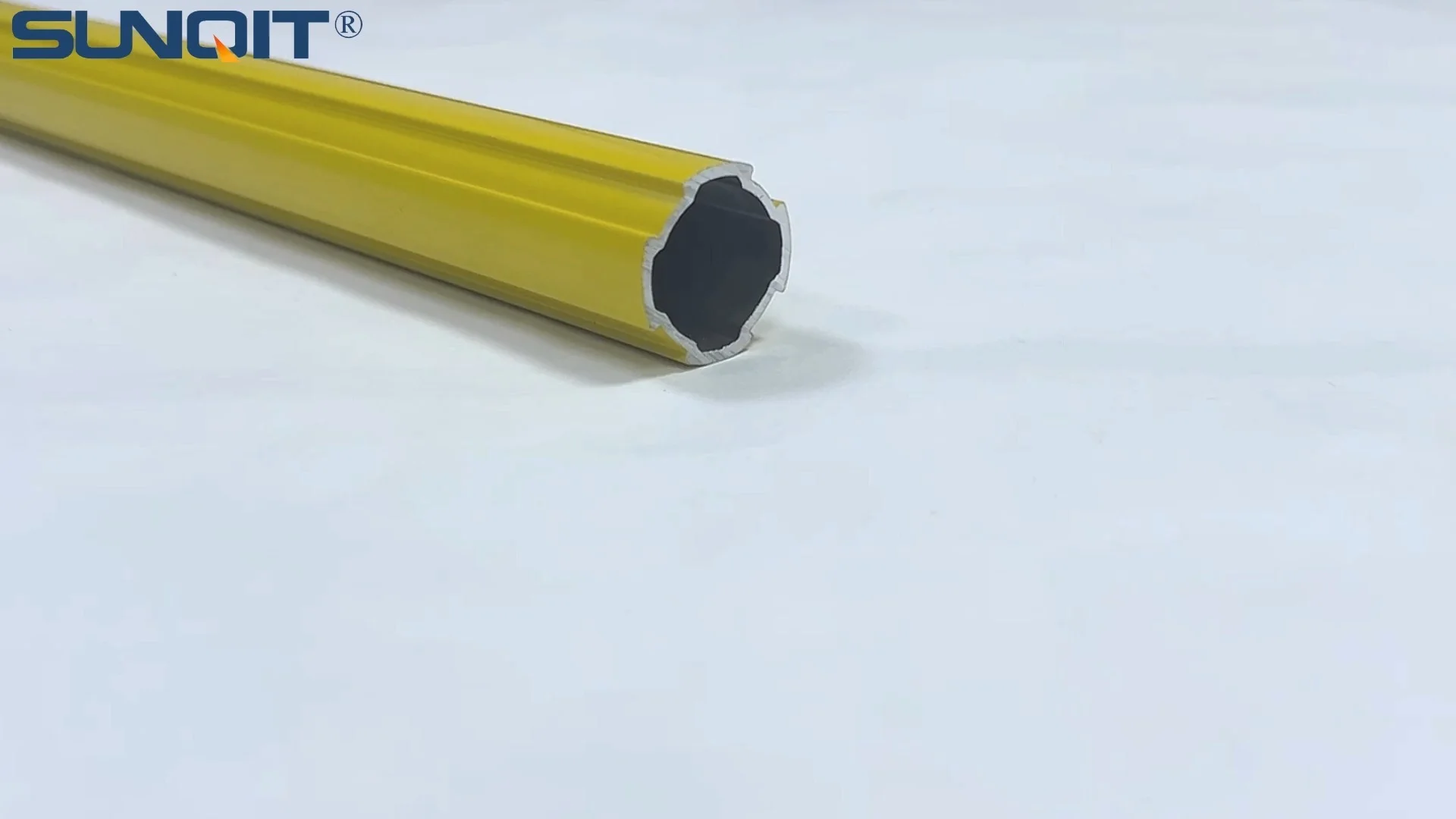
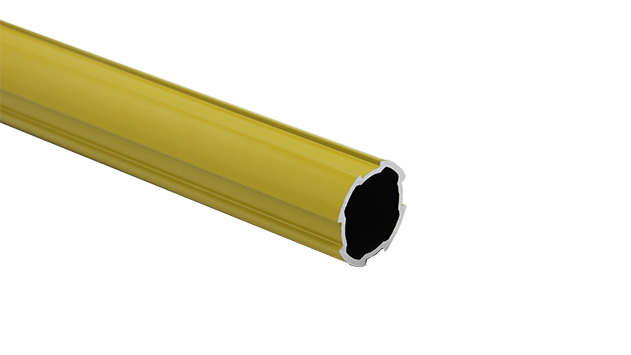
T Slot Aluminum Pipe
Aluminum pipe, it is used for workbench, flow rack,hand trolley assemble work with advantage of flexible and durable, yellow color makes it more attactive as a caution remind.
Walk into any busy warehouse, and you'll likely notice the same silent problem: wasted space. It's in the gaps between fixed shelving, the empty vertical inches above inventory, and the cluttered corners where unused equipment gathers dust. What many managers don't realize is that this "invisible" space isn't just empty—it's costing them. Wasted space means longer travel times for pickers, limited storage for growing inventory, and even missed opportunities to scale operations. But what if there was a way to turn those empty inches into productive, revenue-generating space? Enter T slot aluminum pipe racks—a modular, adaptable solution that's quietly revolutionizing how warehouses use every square foot.
The Problem with Traditional Warehouse Storage: Why "One-Size-Fits-All" Fails
For decades, warehouses have relied on traditional steel racks, wooden shelves, and fixed pallet systems. These solutions were designed for a simpler time—when inventory sizes stayed consistent, and workflows rarely changed. But today's warehouses face constant shifts: seasonal demand spikes, new product lines with varying dimensions, and the need to adapt to e-commerce's "smaller, faster" order model. Traditional racks, however, can't keep up.
Take fixed steel racks, for example. They're built to hold specific weight capacities at set heights, leaving huge gaps between shelves if your inventory is shorter than expected. A case of small electronics might only need 12 inches of vertical space, but a rack built for 24-inch-tall pallets will waste that extra foot—over hundreds of shelves, that adds up to thousands of lost storage spots. And if you need to adjust? You'll likely need to call in contractors, cut metal, or even replace the entire system. Not exactly flexible.
Then there's the issue of integration. Traditional storage and work areas are often siloed: racks over here, workbenches over there, and tools scattered across the floor. This separation forces workers to travel back and forth, wasting time and creating clutter. A picker might grab a part from a rack, walk 50 feet to a workbench, then return to grab another tool—all while the space between those areas sits unused. It's a workflow designed around the storage, not the people using it.
What Are T Slot Aluminum Pipe Racks? A Closer Look at the Modular Revolution
If traditional racks are the warehouse equivalent of a rigid, one-piece suit, T slot aluminum pipe racks are the tailored, mix-and-match wardrobe. At their core, these systems are built from lightweight aluminum extrusion profiles—hollow, rectangular tubes with a continuous T-shaped groove (the "T slot") running along their length. This T slot isn't just a design quirk; it's the secret to their flexibility. It lets you attach accessories—shelves, brackets, hooks, even workbench tops—anywhere along the profile, without drilling or welding. Need a shelf at 15 inches? Slide a bracket into the T slot and tighten a screw. Want to add a tool holder 3 feet up? Clip it in and you're done.
The main structural component, the t slot aluminum pipe, is surprisingly strong for its weight. Unlike heavy steel, aluminum extrusion profiles are corrosion-resistant, making them ideal for warehouses with temperature or humidity fluctuations (think food storage or pharmaceutical facilities). And because they're lightweight, you can install taller systems without overloading your warehouse floor—meaning you can build up, not out, and take advantage of that unused vertical space near the ceiling.
But what really sets these systems apart is their modularity. A basic setup might start with a few aluminum profiles and shelves, but as your needs change, you can add more components: roller tracks for sliding inventory, bins for small parts, or even wheels to turn a static rack into a mobile cart. It's a system that grows with you, not against you.
5 Ways T Slot Aluminum Pipe Racks Transform Space Efficiency
So, how exactly do these systems turn wasted space into usable storage? Let's break down the key benefits with real-world examples.
1. Modular Design: Build Up, Not Out (Vertical Space = Hidden Goldmine)
The average warehouse has 20–30 feet of vertical space, but traditional racks often only use 10–15 feet. Why? Because heavy steel racks become unstable at height, and fixed shelving can't be adjusted to fit shorter items in the upper levels. T slot aluminum pipe racks solve this with lightweight, strong aluminum profiles that can safely reach higher ceilings. For example, a 4040 aluminum profile (40mm x 40mm) can support up to 500 lbs per shelf at heights of 20+ feet—meaning you can add 3–4 extra shelves where a steel rack might only fit 2.
Consider a cosmetics distributor we worked with last year. They had 25-foot ceilings but used traditional racks that topped out at 12 feet, wasting 13 feet of vertical space. By switching to T slot aluminum racks, they installed 18-foot-tall systems with adjustable shelves. The result? They added 30% more storage capacity without expanding their warehouse footprint. Their pickers now use a small, motorized lift to reach the top shelves, and the T slot's easy adjustability means they can tweak shelf heights seasonally (taller for bulk holiday stock, shorter for regular inventory).
2. Customizable Layouts: No More "One Size Fits None"
Inventory comes in all shapes and sizes—from tiny electronic components to bulky machinery parts. Traditional racks force you to fit your inventory into predefined spaces, but T slot aluminum pipe racks let you design the space around your inventory. Need a shelf for 6-inch-tall boxes? Set it at 7 inches to avoid wasted air. Storing long pipes or rolls of material? Add a horizontal aluminum profile across two vertical posts to create a custom-length holder. The T slot's versatility means you can even mix shelf types: half the rack for bins, half for pallets, and a section for hanging tools—all in one unit.
A local auto parts store illustrates this perfectly. They stock everything from small screws (1-inch tall) to car batteries (18 inches tall). With traditional racks, they had to use separate systems for each size, wasting floor space. Now, they have a single T slot aluminum rack with shelves adjusted to fit each part type: 2-inch spacing for screws, 20-inch spacing for batteries, and a T slot aluminum pipe crossbar at the top for hanging hoses. They've consolidated 3 separate racks into 1, freeing up 200 square feet for a new checkout area.
3. Integrated Workstations: Combine Storage + Work to Free Floor Space
Here's a common warehouse inefficiency: racks on one side, workbenches on the other, and workers trekking back and forth all day. T slot aluminum pipe racks eliminate this by merging storage and work areas into a single, compact setup. Imagine a workbench where the frame is built from aluminum profiles, with T slot aluminum pipe racks mounted above (for tools) and below (for parts bins). Now, the worker can grab a part from the shelf below, assemble it on the bench, and store the finished product on the shelf above—all without taking a step. No more wasted space between racks and workbenches, and no more time lost to travel.
A small electronics manufacturer we consulted did exactly this. They used to have 10 standalone workbenches and 8 separate storage racks, taking up 800 square feet. By switching to T slot aluminum workbenches with integrated racks, they reduced their footprint to 500 square feet—saving 300 square feet for a new assembly line. Their workers now report 25% faster assembly times, simply because everything they need is within arm's reach.
4. Lightweight Yet Durable: More Storage, Less Structural Strain
Steel racks are strong, but their weight limits how many you can install in a given area. A warehouse floor might support 10 steel racks per 100 square feet, but those racks are so heavy, there's no room for anything else. T slot aluminum pipe racks, by contrast, weigh 30–50% less than steel, so you can fit more racks in the same space without overloading the floor. This is a game-changer for older warehouses with weight restrictions or small facilities where every square foot counts.
A beverage distributor in a historic building (with strict floor weight limits) faced this exact issue. They could only install 4 steel racks per 200 square feet, limiting their storage. Switching to aluminum extrusion profiles let them add 6 racks in the same space—each holding the same weight as steel—without exceeding the building's limits. They now store 50% more inventory in the same footprint.
5. Quick Reconfiguration: Adapt to Change in Hours, Not Weeks
Seasonal inventory, new product launches, or sudden demand spikes—warehouses deal with change constantly. Traditional racks require major overhauls to adapt (think: cutting steel, welding, or replacing entire units), which can take weeks and cost thousands. T slot aluminum pipe racks? You can reconfigure them in hours. Need to add a shelf for holiday stock? Loosen the brackets, slide them up, and tighten. Want to turn a static rack into a mobile cart? Swap out fixed feet for casters (another T slot accessory). It's flexibility that keeps your space efficient, no matter what the market throws at you.

Real-World Impact: How a Small Warehouse Doubled Storage Capacity (Without Expanding)
Let's put these benefits into perspective with a real example. A family-owned toy distributor in our city was struggling. Their 5,000-square-foot warehouse was packed to the brim, and they were considering a costly move to a larger space. Their inventory included small toys (action figures, dolls) and large items (bikes, playhouses), stored on a mix of traditional steel racks and wooden shelves. They had 12 racks taking up 1,200 square feet, storing 10,000 units. Workers were spending 20 minutes per order just traveling between racks, and lost inventory due to disorganization was costing them $5,000 monthly.
We recommended a T slot aluminum pipe rack system with integrated workbenches. Here's what happened:
- Vertical Space Utilization: They installed 16-foot-tall aluminum profile racks (up from 10-foot steel racks), adding 3 extra shelf levels per rack.
- Custom Shelving: Shelf heights were adjusted to fit each toy type—6 inches for action figures, 36 inches for bikes.
- Integrated Workbenches: 4 workbenches with built-in T slot aluminum pipe racks replaced 8 standalone benches and racks, saving 300 square feet.
- Mobile Carts: 5 mobile T slot carts were added for picking, reducing travel time.
The results? They now store 18,000 units in 1,000 square feet (down from 1,200), a 80% increase in storage density. Picker travel time dropped to 5 minutes per order, and lost inventory fell to $500 monthly. Best of all? They canceled their plans to move, saving $20,000 in relocation costs.

Traditional Racks vs. T Slot Aluminum Racks: A Side-by-Side Comparison
| Feature | Traditional Steel/Wood Racks | T Slot Aluminum Pipe Racks |
|---|---|---|
| Space Efficiency | Low. Fixed heights waste vertical space; separate systems for different inventory types. | High. Adjustable shelves, vertical design, and integrated workbenches maximize every inch. |
| Flexibility | Low. Hard to modify; requires tools/welders to adjust. | High. Reconfigure shelves, add accessories, or repurpose in hours—no special tools needed. |
| Integration | None. Separate from workbenches/tools, creating travel time and clutter. | High. Combines with workbenches, carts, and tools into a single workspace. |
| Cost Over Time | High. Need to replace/modify systems as needs change; higher labor for reconfigurations. | Low. One-time purchase; reconfigure instead of replace; lower labor costs. |
| Weight Capacity per Square Foot | Medium. Heavy steel limits how many racks you can fit per floor area. | High. Lightweight aluminum allows more racks per square foot without floor overload. |
Choosing the Right T Slot Aluminum System for Your Warehouse
Ready to upgrade? Here's how to start: First, audit your space. Measure ceiling height, note inventory sizes and weights, and map out workflow patterns (where do workers travel most? Where is space unused?). Then, choose aluminum profiles based on your needs: smaller profiles (2020, 3030) for light items like electronics; larger profiles (4040, 4080) for heavier loads like machinery. Don't forget accessories—shelves, bins, hooks, and casters will maximize your system's utility.
Pro tip: Start small. Install a single T slot aluminum pipe rack in your most problematic area (e.g., the cluttered workbench zone) and test it for a month. You'll quickly see how much space you can reclaim—and once you do, expanding to other areas will be a no-brainer.
Conclusion: Your Warehouse Space Is a Resource—Start Using It Wisely
Wasted space isn't just empty—it's a missed opportunity. Every unused inch could be storing inventory, housing a workbench, or speeding up workflows. T slot aluminum pipe racks turn that wasted space into a competitive advantage. They're flexible enough to adapt to your changing needs, strong enough to handle heavy loads, and integrated enough to streamline your entire operation. And best of all? They let you grow without moving, expanding, or breaking the bank.
So, take a walk through your warehouse today. Look at those gaps between shelves, the empty corners, and the distance between racks and workbenches. Now imagine them filled with storage, or cleared for new opportunities. That's the power of T slot aluminum pipe racks. It's not just about saving space—it's about investing in your warehouse's future.