- Company Articles
- Products and Technology
- Solution
- Warehouse Storage Optimization: Single Side Aluminum Pipe High-Density Racks

Warehouse Storage Optimization: Single Side Aluminum Pipe High-Density Racks
Related Product
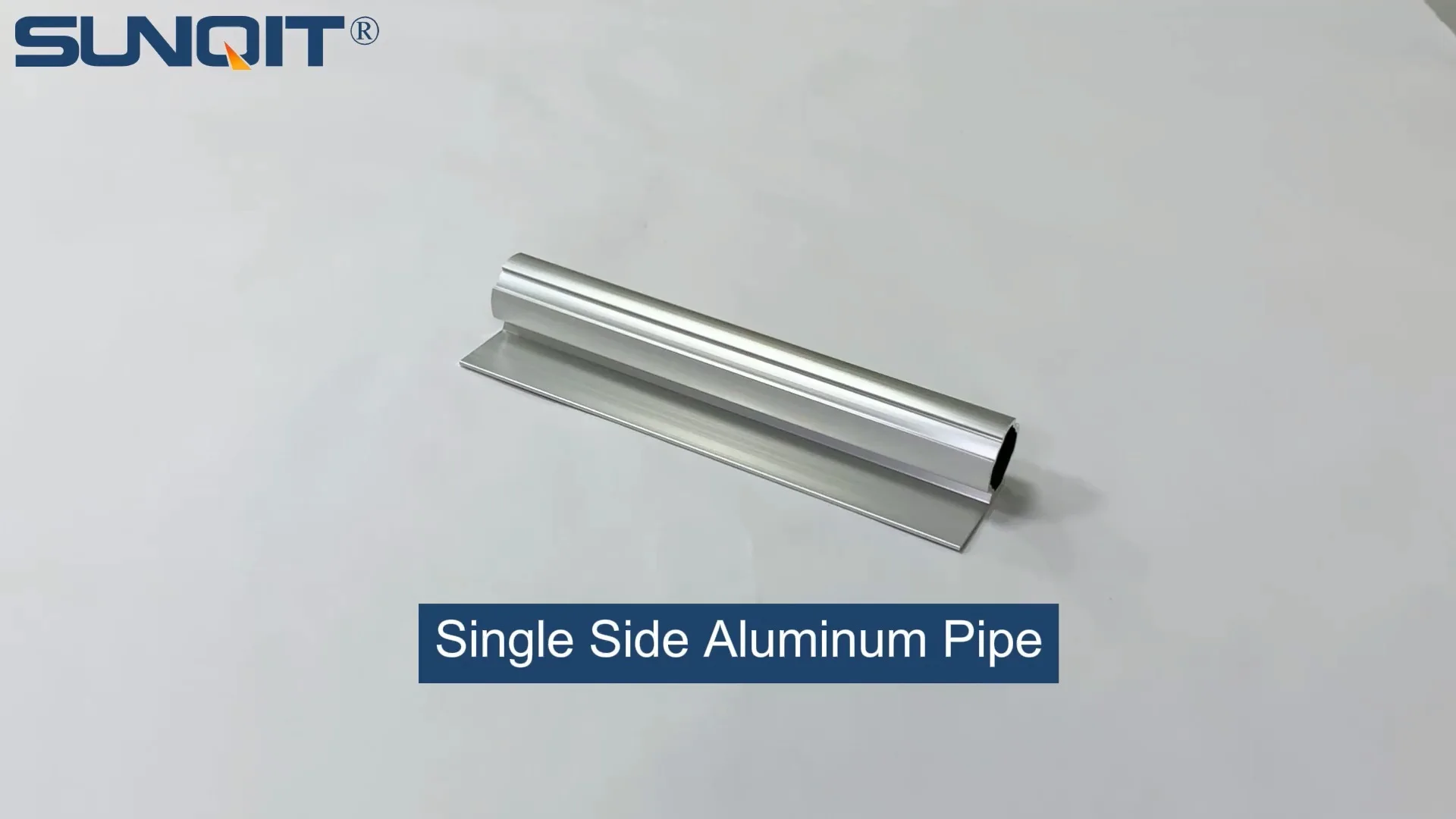
Single Side Aluminum Pipe
The single-sided plane can be installed with a back-mounted material box, and can also be used as a sidewall or partition.
Redefining Space, Efficiency, and Flexibility in Modern Warehousing
The Warehouse Storage Dilemma: When "More" Meets "Not Enough"
Walk into any busy warehouse today, and you'll likely spot the same silent struggle: shelves bursting with inventory, pickers weaving through narrow aisles with frustrated sighs, and managers staring at floor plans, wondering how to squeeze just a few more pallets into an already cramped space. In an era where e-commerce sales grow by double digits annually and customer expectations for fast shipping hit new highs, warehouses are under unprecedented pressure to store more, move faster, and do it all with the same (or smaller) footprint. It's a dilemma that feels like trying to fit a square peg into a round hole—until now.
For years, traditional steel racks have been the go-to solution, but they come with a heavy price: rigidity. Once installed, they're hard to reconfigure. They're bulky, leaving gaps between shelves that waste precious square footage. And worst of all, they often force warehouses into a "one-size-fits-all" layout that can't adapt as inventory needs change. But what if there was a storage system that didn't just hold goods, but worked with your team—flexible enough to grow, smart enough to save space, and durable enough to keep up with the chaos? Enter single side aluminum pipe high-density racks: a game-changer that's quietly revolutionizing how warehouses think about storage.
What Are Single Side Aluminum Pipe High-Density Racks, Anyway?
Let's start with the basics. Single side aluminum pipe racks are exactly what they sound like: storage structures built using lightweight aluminum pipes and aluminum profile accessories, designed to maximize vertical and horizontal space by utilizing one side for storage. Unlike traditional double-sided racks, which require access from both sides and leave dead space behind, these racks are engineered to hug walls, fit into tight corners, and even line narrow aisles—turning "wasted space" into usable storage. But what really sets them apart is their DNA: aluminum. Not steel, not wood, but aluminum—a material that balances strength, lightness, and adaptability in a way no other can.
Think of them as the "Swiss Army knife" of warehouse storage. They're modular, meaning you can mix and match components—aluminum pipes, joints, shelves, and even add-ons like flow rack attachments or workbench tops—to create a system that fits your exact needs. Need to store small parts one month and bulky equipment the next? Swap out the shelves. Expanding your inventory? Add another tier. It's storage that grows with you, not against you.

The Secret Sauce: Why Aluminum Profile Steals the Show
At the heart of these racks lies aluminum profile—a material that's been a staple in industries from automotive to construction for decades, but only recently found its calling in warehousing. What makes aluminum profile so special? Let's break it down:
- Lightweight, but tough as nails: Aluminum is about 1/3 the weight of steel, which means installing these racks doesn't require heavy machinery or a team of. A two-person crew can assemble a basic unit in hours, not days. But don't let the lightness fool you—aluminum profile, especially when reinforced with internal structures, can handle heavy loads. We're talking hundreds of pounds per shelf, enough to hold everything from electronics to automotive parts.
- Corrosion-resistant, low-maintenance: Unlike steel, aluminum doesn't rust. That's a big deal in warehouses where humidity, spills, or temperature fluctuations are common. No more painting, no more rusted joints—just wipe it down and it's good to go. Over time, that translates to lower maintenance costs and a longer lifespan.
- Flexibility in every joint: The real magic is in the aluminum profile accessories. These aren't your grandma's nuts and bolts. Think of connectors that snap into the T-slots of the aluminum pipes, allowing you to adjust shelf heights in seconds. Or internal rotatary aluminum joints that let you angle shelves for better access. It's like building with giant, industrial-grade Legos—no welding, no drilling, just simple, tool-free adjustments.
Take, for example, a small electronics warehouse in Ohio that switched to single side aluminum pipe racks last year. Their old steel racks had fixed shelves spaced 18 inches apart, but most of their inventory—small circuit boards and components—only needed 6 inches of vertical space. The result? 2/3 of the vertical space was wasted. With aluminum profile racks, they adjusted shelf heights to fit each product, doubling their storage capacity in the same footprint. "It was like adding a whole new floor without the construction," said their warehouse manager, Maria.

Density That Delivers: How Single Side Design Maximizes Space
Let's talk numbers—because in warehousing, space is money. Traditional double-sided racks require aisles on both sides for access, which can eat up 30-40% of a warehouse's total square footage. Single side aluminum pipe racks, by contrast, mount to walls or stand independently with access from only one side, cutting aisle needs in half. That might not sound like much, but in a 10,000 sq ft warehouse, that's 1,500-2,000 sq ft of reclaimed space—enough to store hundreds more pallets or add a new packing station.
| Feature | Traditional Steel Racks | Single Side Aluminum Pipe Racks |
|---|---|---|
| Space Efficiency | Requires 2 aisles per rack unit; ~30% of floor space lost to aisles | 1 aisle per unit; ~15% of floor space lost to aisles |
| Vertical Utilization | Fixed shelf heights; gaps between shelves waste vertical space | Adjustable shelves; fits inventory of all sizes, no vertical gaps |
| Installation Time | 2-3 days for a 50-unit system (requires welding/heavy tools) | 8-10 hours for a 50-unit system (tool-free assembly) |
| Long-Term Cost | High maintenance (rust, repainting); hard to expand | Low maintenance; easy to expand/modify (no replacement costs) |
But density isn't just about fitting more stuff—it's about making that stuff accessible . Single side racks are often paired with flow rack technology, where gravity-fed roller tracks (think mini conveyor belts) let inventory slide forward as items are picked. This "first-in, first-out" (FIFO) system reduces picking time by up to 40%, because workers don't have to reach to the back of shelves or shuffle products around. For a warehouse handling 1,000 picks a day, that's 400 fewer minutes of labor—time that can be redirected to packing, shipping, or other critical tasks.

Beyond Storage: How They Fuel Lean System Success
If you've spent any time in warehousing, you've probably heard of "lean systems"—the philosophy of streamlining processes, eliminating waste, and focusing on continuous improvement. Single side aluminum pipe racks aren't just a storage solution; they're a lean enabler . Here's how:
Waste Reduction: Lean systems hate waste, and traditional racks are full of it—wasted space, wasted time, wasted effort. Single side racks cut waste by maximizing space (no more empty shelf gaps), reducing travel time (aisles are narrower, so pickers walk less), and minimizing errors (flow racks keep inventory organized, so no more mispicks). A warehouse in Texas that adopted these racks reported a 25% drop in "walk time" for pickers within the first month—meaning their team spent less time moving and more time actually picking orders.
Flexibility for Change: Lean thrives on adaptability. Seasonal spikes, new product lines, or shifts in demand can throw a wrench into rigid storage systems. But with aluminum profile racks, reconfiguring is as easy as loosening a joint and moving a shelf. When a clothing retailer in California needed to switch from summer to winter inventory (bulkier coats, boots), they adjusted their rack heights in a weekend—no contractors, no downtime. "We used to have to rent extra warehouse space for seasonal items," said their operations director, Jake. "Now, we just rearrange the racks. It's saved us $50,000 a year in storage costs alone."
Ergonomics and Safety: Lean isn't just about efficiency—it's about people. Heavy steel racks can be dangerous if overloaded, and their fixed heights force workers to stretch, bend, or climb to reach items. Aluminum racks, being lighter, are easier to secure, and adjustable shelves mean inventory can be placed at waist height, reducing strain. A study by the Occupational Safety and Health Administration (OSHA) found that warehouses using adjustable-height racks reported 30% fewer ergonomic injuries compared to those with fixed racks. For workers like Lisa, a picker with 10 years of experience, that difference is personal: "I used to go home with a sore back every night. Now, everything's at eye level. It's not just better for the warehouse—it's better for me ."
More Than Racks: Integrating Workbenches and Flow Racks for a Seamless Workflow
The best warehouse systems don't exist in isolation—they connect. Single side aluminum pipe racks shine because they play well with others, especially workbenches and flow racks. Imagine a picking station where the rack is right next to the workbench, so pickers grab items and place them directly into boxes without taking a single step. Or a flow rack integrated into the rack system, where products slide down to the front as soon as the first item is picked, so there's never an empty spot. That's the power of integration.
Workbenches, often overlooked in storage discussions, are the unsung heroes of warehouse efficiency. When paired with single side racks, they create "all-in-one" stations where storage and packing happen in the same spot. Many aluminum rack suppliers offer workbench attachments—flat surfaces that bolt directly to the racks, with built-in tool hooks, bin holders, or even ESD (electrostatic discharge) features for sensitive electronics. For a warehouse handling small parts, this means a picker can grab a component from the rack, test it on the workbench, and pack it—all without moving more than an arm's length. "It's like having a mini factory on every aisle," said Mike, a supervisor at a small electronics distributor. "Our pick-pack time dropped by 15 minutes per order."
Flow racks, too, are a natural fit. Made with roller tracks (often plastic or aluminum) that let items glide forward, they turn static storage into a dynamic system. When integrated with single side racks, they're perfect for high-turnover inventory—think perishables, fast-moving consumer goods, or e-commerce bestsellers. A grocery distributor in Florida added flow rack sections to their aluminum racks for fresh produce, cutting down on "out-of-stock" incidents by 40%. "Before, pickers would miss items at the back of the shelf," explained their inventory manager, Ana. "Now, the next item rolls right up. It's like the rack does half the work for them."
Finding the Right Partner: What to Look for in a Single Side Aluminum Pipe Supplier
So, you're sold on the idea—now, how do you choose a supplier? Not all aluminum pipe racks are created equal, and picking the wrong one can lead to wobbly shelves, missing accessories, or hidden costs. Here's what to prioritize:
- Range of Accessories: A good supplier should offer more than just pipes and joints. Look for one-stop shops with roller tracks, casters, workbench tops, and ESD options. This ensures compatibility and saves you from juggling multiple vendors.
- Customization Support: Every warehouse is unique. Avoid suppliers that only offer "standard" kits. Instead, find one willing to work with you to design a system tailored to your space, inventory, and workflow. Ask for CAD drawings or 3D models to visualize the final setup.
- Durability Data: Don't just take their word for it—ask for load capacity charts, material thickness specs, and test reports. Aluminum profile should be at least 1.5mm thick for heavy-duty use, and joints should have a tensile strength rating (aim for 500+ kg per joint).
- Customer Service: Installation questions? Need replacement parts? A responsive supplier can make or break your experience. Read reviews, ask for references, and test their support before buying—send an email or call with a question and see how quickly they respond.
Remember, this isn't just a purchase—it's an investment. A quality system will pay for itself in saved space, time, and headaches. Don't skimp on a supplier that cuts corners; you'll regret it when a shelf collapses or you can't find replacement parts six months down the line.
The Future of Warehousing: Where Aluminum Racks Meet Innovation
As warehouses evolve, so too will the tools that power them. Single side aluminum pipe racks are just the beginning. Here's a glimpse of what's next:
Smart Racks with IoT Integration: Imagine racks equipped with sensors that track inventory levels in real time, alerting you when stock is low or when a shelf is overloaded. Some suppliers are already testing RFID tags on aluminum profiles, turning racks into "smart" storage that syncs with your WMS (Warehouse Management System). It's not science fiction—early adopters report a 30% reduction in stockouts and a 15% drop in overstock.
Sustainability at the Core: Aluminum is 100% recyclable, making these racks a green choice for eco-conscious warehouses. As more companies prioritize sustainability, we'll see even more innovations—like solar-powered LED lights built into rack frames or recycled aluminum accessories. It's storage that's good for the planet and your bottom line.
Automation Ready: Collaborative robots ("cobots") are becoming common in warehouses, and aluminum racks are the perfect. Their lightweight design and modularity make them easy to integrate with robotic pickers, who can navigate narrow aisles and adjust to shelf heights on the fly. A warehouse in Singapore recently paired aluminum racks with cobots, increasing picking speed by 60% during peak hours.
Transforming Your Warehouse, One Rack at a Time
At the end of the day, a warehouse isn't just a building—it's the backbone of your business. It's where orders are born, where inventory is protected, and where your team spends most of their days. Investing in storage that works for you—flexible, efficient, and human-centered—isn't a luxury; it's a necessity.
Single side aluminum pipe high-density racks aren't just about storing more stuff. They're about creating space to grow, time to innovate, and a workplace that makes your team feel valued. They're about turning the "warehouse storage dilemma" into a "warehouse storage advantage." So, take a look at your current setup. Are your racks holding you back? Or could they be the key to unlocking your warehouse's full potential?
The answer, we think, is clear. It's time to say goodbye to rigid steel and hello to a future where storage bends to your needs—not the other way around. Your warehouse (and your team) will thank you.