- Company Articles
- Products and Technology
- Solution
- Warehouse Storage Optimization Using 2040 EU Standard Aluminum Profile Racks

Warehouse Storage Optimization Using 2040 EU Standard Aluminum Profile Racks
Related Product
2040 EU Standard Aluminum Profile
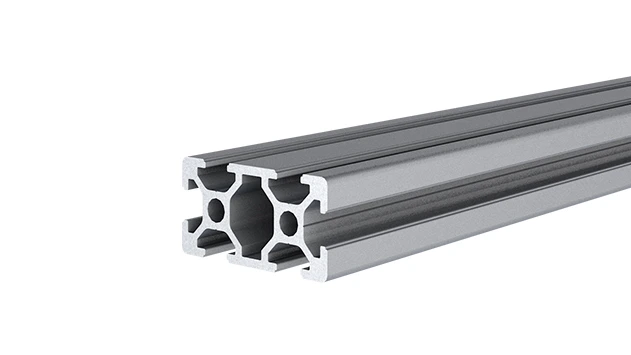
2040 is a 2.00 x 4.00CM fractional 20 series square extrusion T-slot profile with four open T-slots, two side with 2.00cm face, the other side with 4.00cm face. The profile has align-a-grooves to assist in aligning connecting profiles.
Walk into any busy warehouse, and you'll quickly realize it's more than just a big room with shelves. It's a carefully orchestrated space where every square foot, every aisle, and every storage unit plays a role in keeping products moving—from arrival to shipping, and everything in between. But here's the thing: far too many warehouses are stuck in a cycle of inefficiency. Aisles cluttered with mismatched shelves, items buried behind heavier boxes, and rigid storage setups that can't keep up with shifting inventory needs. Sound familiar? If so, you're not alone. The good news? There's a solution that's been quietly transforming warehouses across industries: 2040 EU standard aluminum profile racks. These aren't your average storage systems—they're modular, adaptable, and built to grow with your business. Let's dive into how they work, why they matter, and how they can turn your warehouse from a bottleneck into a competitive advantage.
The Problem with Traditional Storage Systems: Why "Good Enough" Isn't Enough Anymore
For decades, warehouses relied on three main types of storage: wooden shelves, steel racks, and plastic bins. Each has its perks, but none are without flaws. Let's start with wood. It's cheap upfront, sure, but wooden shelves are heavy, prone to warping in humid environments, and can't handle heavy loads without sagging over time. Then there's steel—strong, but expensive to install and even costlier to modify. If your inventory changes (and let's be real, when doesn't it?), you're stuck with a rack that's either too big, too small, or in the wrong place. And plastic? Lightweight, but not built for long-term durability. Scratches, cracks, and a lack of structural support make it a non-starter for serious warehousing.
The biggest issue, though, is rigidity. Traditional systems are designed to be "set and forget." You install them once, and if you need to add a shelf, move a unit, or reconfigure an aisle, you're looking at hours (or days) of work, not to mention extra costs for tools, labor, or new parts. In a world where customer demands shift overnight and supply chains need to pivot quickly, that lack of flexibility can cost you—literally. Missed shipments, delayed picking times, and frustrated workers are just the tip of the iceberg.
Why 2040 EU Standard Aluminum Profile Stands Out: The "Swiss Army Knife" of Warehouse Design
Enter the 2040 EU standard aluminum profile. If traditional racks are like a fixed bookshelf, aluminum profiles are more like a set of building blocks—you can rearrange them, add to them, or take them apart whenever you need. But what exactly is a 2040 profile? Let's break it down. The "2040" refers to its dimensions: 20mm in width and 40mm in height. It's part of the EU standard series, which means consistent sizing, high-quality materials, and compatibility with a wide range of accessories. The real magic, though, is in the T-slot design. Running along the length of the profile are grooves (or "slots") that let you attach brackets, shelves, wheels, and more—no welding, no drilling, just simple bolts and screws. It's like having a storage system that speaks your language, adapting to your needs instead of the other way around.
Aluminum itself is a game-changer here. It's lightweight—about a third the weight of steel—so installing and reconfiguring racks is a one-person job, not a team effort. But don't let the weight fool you: aluminum is surprisingly strong. It can handle heavy loads (we're talking hundreds of pounds per shelf) without bending or warping. And unlike steel, it's naturally resistant to rust and corrosion, which means it holds up in damp warehouses, cold storage units, or even outdoor loading areas. Plus, it's recyclable, making it a win for sustainability-focused businesses.

Key Components: Aluminum Profile Accessories and How They Make Customization a Breeze
You could have the best aluminum profile in the world, but without the right accessories, it's just a fancy metal stick. That's where aluminum profile accessories come in—they're the unsung heroes that turn a basic profile into a fully functional storage system. Let's start with connectors. Need to join two profiles at a 90° angle? Grab a 90° corner bracket. Want to build a shelf that juts out from a vertical rack? A T-connector has you covered. These accessories are designed to snap into the T-slots, so you can tighten them with a hex key and trust they'll stay put. No measuring, no guesswork—just click, tighten, and done.
Then there are end caps. They might seem small, but they're crucial for safety. Sharp edges on aluminum profiles can snag gloves, clothing, or even skin. End caps slide onto the ends of the profiles, creating a smooth, safe finish. And let's not forget brackets—L-brackets, angle brackets, shelf brackets—each designed to support different weights and configurations. For example, a heavy-duty shelf bracket can hold toolboxes or bulk inventory, while a lightweight bracket might support a label holder or a small bin for parts. The best part? All these accessories are interchangeable. You can mix and match to create exactly what you need, whether it's a tall storage rack, a low workbench, or a mobile trolley.
Practical Applications: From Flow Racks to Workbenches, One Profile Does It All
So, what can you actually build with 2040 aluminum profiles? The short answer: almost anything. Let's start with flow racks—one of the most popular uses in warehouses. Flow racks use gravity to move products from the back to the front, so pickers always have access to the next item without reaching or bending. With 2040 profiles, you can build a flow rack that's exactly the right height, width, and depth for your boxes or bins. Add roller tracks (another accessory!) to the shelves, and suddenly, your inventory is "flowing" smoothly, cutting down on picking time by 20-30% in some cases.
Then there's the workbench. Think about it: most warehouses have separate storage and workspace. You store parts on a rack, then carry them to a workbench to assemble or pack. With 2040 profiles, you can integrate storage directly into the workbench. Build a bench with shelves underneath for tools, a pegboard on the back for hanging supplies, and even a small flow rack on the side for incoming parts. It's a one-stop shop that keeps everything within arm's reach, reducing wasted steps and keeping workers focused. And because the profiles are modular, you can add a shelf, extend the bench, or even lower the height if someone needs a standing desk—no need to buy a whole new setup.
| Feature | Traditional Steel Racks | 2040 Aluminum Profile Racks |
|---|---|---|
| Installation Time | 2-3 days (requires welding/heavy tools) | 4-6 hours (hand tools only) |
| Customization | Limited (requires cutting/welding) | Unlimited (T-slot accessories, no tools needed for adjustments) |
| Weight Capacity | High (but fixed per shelf) | High (adjustable per shelf with brackets) |
| Maintenance Cost | High (rust treatment, repainting) | Low (no rust, easy to clean) |
| Scalability | Low (hard to add/remove sections) | High (add profiles/accessories as needed) |
Mobility with Caster Wheels: Taking Flexibility to the Next Level
Here's a question: what good is a great storage system if it can't move when you need it to? That's where caster wheels come in. By adding caster wheels to the bottom of your 2040 aluminum profile racks or workbenches, you turn a stationary unit into a mobile workstation. Need to rearrange aisles for a big shipment? Wheel the racks to the side. Have a team working on a special project? Roll a workbench right to the action. It's like giving your storage system legs—suddenly, your warehouse layout isn't set in stone.
Not all caster wheels are created equal, though. Look for heavy-duty, lockable casters with rubber wheels. Rubber won't scratch your warehouse floors, and the lock ensures the rack stays put when you're loading or unloading. Most caster wheels attach directly to the aluminum profile using a simple bracket (another accessory!), so installation takes minutes, not hours. And because the profiles are lightweight, even a fully loaded rack is easy to move—no more straining or using forklifts for small adjustments.
Installation and Customization Tips: Building Your System Without the Headache
You might be thinking, "This sounds great, but I'm not a DIY expert. Can I really install this myself?" The answer is a resounding yes. 2040 aluminum profile systems are designed for beginners. Here's how to get started: First, map out your space. Measure the area where you want to install the rack, and sketch a rough layout. Think about what you'll store (boxes, bins, tools?) and how much weight each shelf needs to hold. This will help you choose the right brackets and accessories.
Next, gather your tools. You'll need a hex key set (most accessories use hex bolts), a level to keep things straight, and a measuring tape. That's it—no power tools required. Start with the vertical posts: attach base plates to the floor (or caster wheels, if you want mobility), then slide the 2040 profiles into the plates. Tighten the bolts, check with the level, and move on to the horizontal shelves. Attach brackets to the vertical posts, slide the horizontal profiles into the brackets, and secure them. Add shelves, roller tracks, or bins as needed. The whole process is like building with Legos—intuitive and forgiving. If you make a mistake, just loosen the bolts and adjust. No harm, no foul.
Pro tip: Start small. Build one rack or workbench first to get the hang of it, then expand. Most suppliers sell starter kits with profiles, brackets, and end caps, so you don't have to guess which parts you need. And don't be afraid to experiment—add a shelf halfway up, or angle a section for easier access. The beauty of aluminum profiles is that there's no "right" way to build—only what works for you.
Long-Term Benefits: Why 2040 Aluminum Profiles Save You Money (and Sanity) in the Long Run
Let's talk numbers. Yes, 2040 aluminum profiles might cost a bit more upfront than wooden shelves, but they pay for themselves in the long run. Here's how: First, durability. Aluminum doesn't rust, warp, or rot, so your racks will last 10-15 years (or more) with minimal maintenance. Compare that to wooden shelves, which might need replacing every 3-5 years, or steel racks that require repainting and rust treatment. Over time, the savings add up.
Then there's scalability. As your business grows, you won't need to buy new racks—just add more profiles and accessories. A small e-commerce startup might start with a few flow racks, then expand to workbenches and mobile trolleys as orders pick up. Traditional systems would require buying new units, which is both expensive and wasteful. With aluminum profiles, you're investing in a system that grows with you, not against you.
Finally, labor savings. Time is money, and traditional racks take hours (or days) to install. With 2040 profiles, a single worker can set up a basic rack in an afternoon. Reconfiguring? Even faster. That means less downtime, fewer labor costs, and more time focusing on what matters—getting products out the door.
Real-World Success Stories: How Businesses Are Using 2040 Profiles to Transform Their Warehouses
Don't just take our word for it—let's look at a real example. A mid-sized electronics manufacturer in Germany was struggling with a cluttered warehouse. Their old steel racks were too tall for small parts and too short for larger components, leading to wasted space and slow picking times. They switched to 2040 aluminum profile racks, building custom flow racks for circuit boards, workbenches with integrated tool storage, and mobile trolleys with caster wheels for moving parts between assembly lines. The result? Picking time dropped by 35%, and they freed up 20% of their warehouse space by eliminating unused racking. "We used to spend hours moving shelves with a forklift," said the warehouse manager. "Now, I can reconfigure a rack myself in 20 minutes. It's night and day."
Another example: a food distribution company in France needed a storage system that could handle temperature fluctuations (their warehouse has both refrigerated and dry areas). Wooden shelves warped in the cold, and steel racks rusted near the freezers. They installed 2040 aluminum profile racks with stainless steel accessories, and haven't had a single issue in three years. "Aluminum holds up in the cold, and it's easy to clean," said their operations director. "We even added caster wheels to some racks, so we can roll them between the fridge and the packing area. It's made our workflow so much smoother."
Conclusion: Your Warehouse Deserves a System That Works as Hard as You Do
Warehouses are no longer just storage spaces—they're strategic assets. The right storage system can speed up order fulfillment, reduce errors, and keep workers happy and productive. Traditional racks might get the job done, but they'll never keep up with the pace of modern business. 2040 EU standard aluminum profile racks, on the other hand, are built for change. They're lightweight but strong, easy to install but infinitely customizable, and designed to grow with your business. Whether you're storing small parts, bulky equipment, or anything in between, they adapt to your needs—not the other way around.
So, what are you waiting for? It's time to stop settling for "good enough" and start building a warehouse that works for you. With aluminum profile accessories, workbenches, flow racks, and caster wheels, the possibilities are endless. Your future self (and your bottom line) will thank you.