- Company Articles
- Products and Technology
- Solution
- Warehouse Storage Solutions: 4080B EU Standard Aluminum Profile Shelving Units

Warehouse Storage Solutions: 4080B EU Standard Aluminum Profile Shelving Units
Related Product
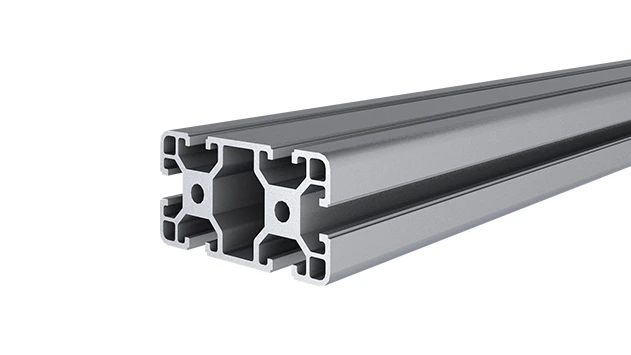
4080B EU Standard Aluminum Profile
4080B is a 4.00x8.00 CM fractional 40 series square extrusion T-slot profile with two side open T-slots, each side with 4.00cm face, two side with 8.00cm face. The profile has align-a-grooves to assist in aligning connecting profiles.
Walk into any busy warehouse, and you'll quickly realize that storage isn't just about "putting things away"—it's the backbone of efficiency. A disorganized storage system leads to wasted time, frustrated workers, and even safety risks. On the flip side, a well-designed setup turns chaos into order: inventory is easy to track, workflows speed up, and every square foot of space pulls its weight. If you're looking to upgrade your warehouse's storage game, there's one solution that's been gaining traction among operations managers and small business owners alike: the 4080B EU Standard Aluminum Profile Shelving Unit. Let's dive into why this unassuming piece of hardware is becoming a game-changer for modern warehouses.
What Is the 4080B EU Standard Aluminum Profile, Anyway?
First things first: let's break down the basics. The 4080B is an aluminum extrusion profile—a term that sounds technical but is actually pretty straightforward. Imagine squeezing Play-Doh through a (mold) to get a specific shape; aluminum extrusion works similarly. Heated aluminum is pushed through a die, creating a long, uniform shape with a consistent cross-section. In the case of the 4080B, that cross-section measures 40mm in width and 80mm in height, hence the "4080" in its name. The "EU Standard" tag means it meets strict European quality and safety guidelines, so you can trust it's built to last.
But why aluminum? Steel is strong, wood is cheap, and plastic is lightweight—so what makes aluminum extrusion profiles stand out? For starters, aluminum hits that sweet spot between strength and weight. It's about a third the weight of steel, making it easier to handle during assembly (no need for heavy machinery or extra workers). Yet it's surprisingly tough: 4080B profiles can support hundreds of kilograms per shelf, depending on the setup. Plus, aluminum naturally resists corrosion, which is a big win in warehouses where humidity, spills, or temperature swings are common. Unlike steel, it won't rust, and unlike wood, it won't warp or rot. That durability translates to a longer lifespan, so you won't be replacing shelves every few years.
The Benefits: Why 4080B Stands Above Traditional Shelving
So, we know it's strong and lightweight—but what else makes the 4080B EU Standard Aluminum Profile a better choice than, say, a basic steel shelf or a wooden pallet rack? Let's break down the key advantages:
1. Modularity: Adapt to Changing Needs Warehouses aren't static. One month you're storing small electronic components; the next, you're handling bulkier items. Traditional shelving often locks you into fixed sizes, forcing you to buy new units or waste space. The 4080B, though, is modular by design. Thanks to its T-slot design (those grooves running along the length of the profile), you can attach brackets, shelves, and accessories anywhere along the extrusion. Need to raise a shelf by 10cm? Loosen a few bolts, slide the bracket, and tighten—done. No drilling, no cutting, no hassle. This flexibility means your storage system grows and changes with your business, not against it.
2. Cost-Effective in the Long Run It's true: aluminum profiles can have a higher upfront cost than wood or basic steel. But think of it as an investment. Wood shelves might cost less initially, but they need replacing every 2-3 years. Steel is durable but heavy, which adds to shipping and installation costs. Aluminum? A well-maintained 4080B system can last a decade or more. Plus, when you need to reconfigure or expand, you won't have to buy entirely new units—just add a few extra profiles and accessories. Over time, those savings add up.
3. Safety First Warehouse safety isn't optional. Loose shelves, splintered wood, or rusted steel can lead to accidents. Aluminum profiles eliminate many of these risks. Their smooth, rounded edges (thanks to EU safety standards) reduce the chance of cuts or scrapes. The T-slot connections are secure and stable, so shelves don't wobble or shift under heavy loads. And since aluminum is non-sparking, it's even safe for environments with flammable materials—a detail that matters in industries like automotive or chemical storage.

Aluminum Profile Accessories: The Little Parts That Make a Big Difference
A profile is just a frame without the right accessories—and the 4080B system shines here, too. Aluminum profile accessories turn a basic shelf into a customized storage solution tailored to your needs. Let's look at some must-have add-ons:
End Caps: Finishing Touches for Safety and Style Those open ends of the aluminum profile? They're sharp. Enter 4080 aluminum profile end caps—simple plastic or rubber covers that snap onto the ends of the extrusion. They protect workers from cuts and give the shelving a clean, professional look. Plus, they keep dust and debris from collecting inside the T-slots, which makes maintenance easier.
Connectors: Building Blocks of Stability To build a shelf, you need to join profiles at corners, T-junctions, or straight lines. That's where connectors come in. 90° angle connectors, T-connectors, and straight connectors lock profiles together tightly, no welding required. Many are even adjustable, so you can tweak angles slightly if needed. For heavier loads, there are reinforced brackets that distribute weight evenly across the frame—critical for preventing sagging over time.
Shelf Supports and Panels: Customizing Storage Space Once the frame is up, you need something to hold your inventory. Shelf supports slide into the T-slots and lock in place, creating a ledge for shelves. For versatility, you can use plywood, metal sheets, or even aluminum honeycomb panels (lightweight but strong) as shelving surfaces. Some setups even use wire mesh panels, which allow air circulation and make it easy to see what's on each shelf at a glance.
Applications in Action: From Workbenches to Material Racks
The 4080B isn't just for "shelving"—it's a blank canvas for building all kinds of warehouse tools. Let's look at two common applications where it truly shines: workbenches and material racks.
Workbenches: Where Storage Meets Productivity A workbench isn't just a table—it's a command center. Whether you're assembling products, packing orders, or inspecting goods, you need a surface that's sturdy, adjustable, and within arm's reach of your tools. The 4080B profile is perfect for this. Build a frame with 4080B uprights and crossbars, add a solid worktop (like a wooden or aluminum panel), and suddenly you have a workbench that can handle clamps, tools, and even heavy equipment. Add a shelf below for storing supplies, and you've got a compact, efficient workspace. Since it's modular, you can add accessories like tool hooks, monitor mounts, or even a small conveyor belt attachment—all by sliding components into the T-slots.
Material Rack B (3 Row and 3 Floor): Maximizing Vertical Space When floor space is limited, you go up—and that's where the Material Rack B (3 row and 3 floor) comes in. This is a classic example of how 4080B profiles transform into high-density storage. As the name suggests, it features 3 rows (horizontal sections) and 3 floors (vertical levels), creating 9 separate storage compartments. It's ideal for small parts, boxes, or even tools that need to be organized by category. The beauty is that each shelf height is adjustable, so you can fit tall boxes on one floor and small bins on another. Plus, since it's made with aluminum profiles, it's lightweight enough to move (with casters, if you add them) but strong enough to hold hundreds of kilograms of inventory. For warehouses that deal with frequent inventory turnover, this kind of flexibility is a lifesaver.
Real-World Example: How One Warehouse Cut Picking Time by 20%
Take "TechWorks Logistics," a mid-sized electronics distributor. Before switching to 4080B shelving, they used a hodgepodge of wooden shelves and metal racks. The wooden units warped in their humid warehouse, leading to uneven shelves that made stacking boxes risky. The metal racks were sturdy but fixed—if a customer ordered a new product line with taller packaging, they had to either leave gaps (wasting space) or buy new racks. worst of all, picking orders took forever: workers had to walk back and forth between disorganized shelves, and labels often fell off the warped wood.
Then they invested in 4080B aluminum profile shelving, including several Material Rack B (3 row and 3 floor) units. Here's what changed: First, the aluminum frames resisted humidity, so shelves stayed level. Second, they adjusted shelf heights in minutes to fit new packaging sizes. Third, the Material Rack B units organized small components by product line, with clear labels on the aluminum uprights (no more peeling!). Within three months, TechWorks reported a 20% drop in picking time and a 15% increase in storage density. "We used to have shelves sitting half-empty because we couldn't adjust them," said their operations manager. "Now, every inch is used—and our team doesn't dread inventory days anymore."
Comparing 4080B with Other Aluminum Profiles
Not all aluminum profiles are created equal. The 4080B is part of a family of EU standard profiles, each designed for different jobs. Let's see how it stacks up against two common alternatives: the 3030 and 4040 profiles.
| Profile Type | Dimensions (W x H, mm) | Load Capacity (kg per shelf) | Common Applications | Best For |
|---|---|---|---|---|
| 4080B EU Standard | 40 x 80 | 300–500 | Heavy-duty shelving, workbenches, Material Rack B units, industrial storage | Warehouses with bulky/heavy items, high-volume storage, or workbenches needing extra stability |
| 3030 EU Standard | 30 x 30 | 150–250 | Lightweight shelving, small parts storage, display racks | Retail backrooms, offices, or labs with lighter inventory |
| 4040 EU Standard | 40 x 40 | 200–350 | Medium-duty shelving, assembly lines, cart frames | Moderate loads, mobile carts, or setups needing a balance of strength and compactness |
The 4080B's larger size (40x80mm) gives it a clear edge in load capacity, making it the go-to for heavy items like machinery parts, large boxes, or tools. The 3030 is great for lighter use—think storing small electronics or office supplies—but it would buckle under the weight of a fully loaded Material Rack B. The 4040 is a solid middle ground, but if you need to max out vertical space or support heavier workbenches, the 4080B is worth the slight upgrade in cost.
Maintenance Tips: Keeping Your 4080B Shelving in Top Shape
Aluminum profiles are low-maintenance, but a little care goes a long way in extending their lifespan. Here are a few simple tips:
1. Keep It Clean Dust and debris can build up in T-slots, making it harder to slide in accessories. Wipe down profiles with a damp cloth every few months, and use a soft brush to clean out slots. Avoid harsh chemicals—mild soap and water work best.
2. Check Connections Regularly Over time, connectors can loosen from vibrations (like forklifts passing by). Every quarter, give bolts and connectors a quick tighten with a hex key. This prevents wobbling and ensures shelves stay level.
3. replace Worn Accessories End caps or shelf supports might crack or wear out after heavy use. Keep spares on hand, and replace them as soon as you notice damage—this prevents small issues (like a sharp edge from a missing end cap) from becoming safety hazards.
4. Avoid Overloading Even strong profiles have limits. Check the load capacity for your specific setup (most suppliers provide guidelines) and stick to it. Overloading can bend profiles or damage connectors, shortening their life.
Conclusion: Investing in a Storage System That Grows With You
At the end of the day, a warehouse's storage system is more than metal and bolts—it's an investment in efficiency, safety, and growth. The 4080B EU Standard Aluminum Profile Shelving Unit checks all these boxes: it's strong enough to handle heavy loads, flexible enough to adapt to changing needs, and durable enough to last for years. Whether you're building workbenches, organizing small parts with a Material Rack B, or creating a custom storage solution, the 4080B and its aluminum profile accessories give you the tools to turn chaos into order.
So, if you're tired of wrestling with outdated, rigid shelving—if you're ready to stop wasting space and start maximizing efficiency—it might be time to give aluminum extrusion profiles a closer look. The 4080B isn't just a shelf; it's a foundation for a smarter, more productive warehouse. And in today's fast-paced world, that's not just an advantage—it's a necessity.