- Company Articles
- Products and Technology
- Solution
- Warehousing Logistics: 1.2mm Stainless Steel Pipe for Durable Storage Solutions

Warehousing Logistics: 1.2mm Stainless Steel Pipe for Durable Storage Solutions
Related Product
1.2mm Stainless Steel Pipe
Stainless steel pipe, lean pipe, diameter is 28mm, material is SS201 or SS304, SS201 is normally used in the market. It knows a KARAKURI, KAIZEN material for industrial plant to improve efficiency, save labor cost, standard management.
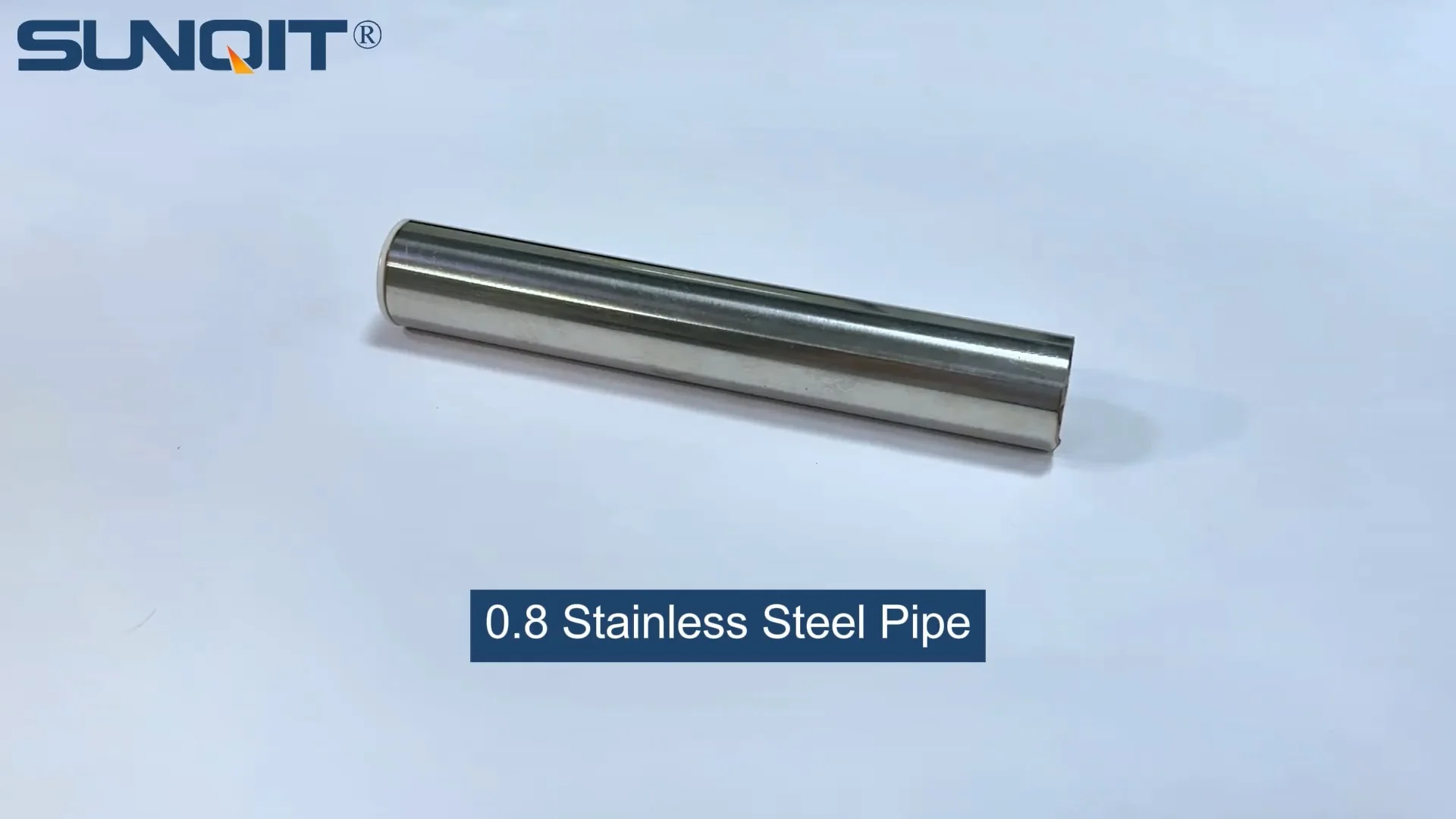
The Heartbeat of Warehousing: Why Durability Can't Be Compromised
Walk into any busy warehouse, and you'll feel it immediately—the hum of activity, the rhythm of goods moving from receiving to shipping, the quiet urgency of meeting deadlines. Every rack, every workbench, every inch of roller track plays a role in this symphony of efficiency. But what happens when one piece falters? A bent pipe here, a corroded joint there, and suddenly the whole operation stutters. Downtime creeps in, workers grow frustrated, and deadlines slip. In warehousing, durability isn't just a nice-to-have—it's the foundation of reliability.
For years, warehouses have patched together solutions: plastic-coated pipes that scratch, aluminum frames that bend under heavy loads, or flimsy roller tracks that jam when you need them most. But what if there was a material that could stand up to the daily grind—resisting rust, supporting heavy weights, and adapting as your needs change? Enter the unsung hero of modern warehousing: the 1.2mm stainless steel pipe. Part of the broader stainless steel pipe series, this unassuming component is quietly transforming how warehouses operate, turning chaos into order and inefficiency into productivity.
The 1.2mm Advantage: Why This Thickness Hits the Sweet Spot
Not all stainless steel pipes are created equal. At first glance, 1.2mm might seem arbitrary—why not 1mm or 1.5mm? But this thickness is a masterclass in balance. Too thin, and the pipe bends under the weight of stacked pallets or constant use. Too thick, and it becomes (cumbersome), driving up costs and limiting flexibility. 1.2mm strikes that perfect middle ground: strong enough to support heavy loads, yet lightweight enough to assemble and reconfigure without specialized tools.
But thickness is just the start. The real magic lies in the material itself. Stainless steel, especially grades like 304, is naturally resistant to corrosion. In warehouses where humidity spikes (think cold storage or coastal locations) or where spills are common (food processing, automotive), this resistance is a game-changer. Unlike carbon steel, which rusts at the first sign of moisture, or plastic-coated pipes that chip and expose the metal underneath, stainless steel holds its ground. It doesn't flake, it doesn't stain, and it doesn't require constant repainting or treatments. Over time, that translates to less maintenance, fewer replacements, and a storage system that looks as good as it performs—year after year.

Beyond the Pipe: Fitting Into Lean Systems
Modern warehousing isn't just about storing goods—it's about lean systems . Lean principles—eliminating waste, streamlining workflows, and continuous improvement—demand tools that adapt as quickly as your processes do. Here's where 1.2mm stainless steel pipes shine: they're modular by design.
Imagine building a flow rack for incoming inventory. With stainless steel pipes and compatible joints, you can design a gravity-fed system in hours, not days. Need to adjust the height to accommodate taller boxes? Swap out a few pipes. Want to add a side rail to prevent spills? Screw in a new connector. This flexibility means your storage system grows with you, not against you. No more tearing down entire racks or buying new equipment because your old setup can't keep up. Lean systems thrive on adaptability, and stainless steel pipes are the adaptable backbone that makes it all possible.
And let's not forget about efficiency. A lean system is only as good as its ability to reduce friction—both physical and operational. Stainless steel's smooth surface, paired with roller tracks, ensures goods glide from point A to point B with minimal effort. No more wrestling with stuck cartons or jamming rollers. Workers spend less time pushing and more time doing what matters: getting orders out the door.

From Flow Racks to Workbenches: Real-World Applications That Deliver
Let's get concrete. How does 1.2mm stainless steel pipe transform everyday warehouse tasks? Let's break down three key applications:
1. Flow Racks: The Backbone of Material Flow
A flow rack is the circulatory system of a warehouse, ensuring materials move smoothly from receiving to production or shipping. Traditional flow racks often use plastic or aluminum tracks, which can warp under heavy loads or degrade in humid environments. replace those with stainless steel pipes and roller tracks, and suddenly you've got a system that handles 50kg+ boxes without sagging, resists rust in damp conditions, and requires zero lubrication. The result? Faster picking times, fewer product damages, and a rack that outlives its plastic counterparts by years.
2. Workbenches: Stability Where It Counts
Assembly lines and packing stations rely on sturdy workbenches. A wobbly workbench isn't just annoying—it's a safety hazard. Stainless steel pipe workbenches, built with 1.2mm thick pipes, provide a rock-solid surface that supports power tools, heavy parts, and constant use. Unlike wooden benches that splinter or particleboard that swells with moisture, stainless steel stays flat, clean, and stable. Add a stainless steel top, and you've got a surface that resists stains, wipes clean easily, and won't harbor bacteria—critical for industries like pharmaceuticals or food processing.
3. Roller Tracks: Smooth Moves, All Day Long
Whether you're moving pallets, cartons, or components, roller tracks are the unsung heroes of material handling. Stainless steel roller tracks, paired with 1.2mm pipes, offer unmatched reliability. The steel wheels glide over the tracks with minimal friction, even when loaded with heavy goods. And because stainless steel resists corrosion, you won't find rust buildup gumming up the works—no more stopping production to clean or replace seized rollers. It's the kind of consistency that turns a chaotic shift into a smooth one.
Why Stainless Steel Beats the Alternatives: A Side-by-Side Comparison
Still on the fence? Let's stack 1.2mm stainless steel pipe against two common alternatives: aluminum lean pipe and 1.5mm PE-coated lean pipe. The results might surprise you.
| Feature | 1.2mm Stainless Steel Pipe | Aluminum Lean Pipe | 1.5mm PE-Coated Lean Pipe |
|---|---|---|---|
| Corrosion Resistance | Excellent (resists rust, moisture, chemicals) | Good (but prone to pitting in salty/humid environments) | Poor (coating chips; metal underneath rusts) |
| Load Capacity | High (supports 80-100kg per linear meter) | Medium (50-70kg per linear meter; bends under heavy loads) | Medium-Low (coating weakens structural integrity over time) |
| Maintenance Needs | Low (no painting, minimal cleaning) | Medium (may require anodizing to prevent corrosion) | High (recoat every 1-2 years; replace chipped sections) |
| Lifespan | 10-15 years (with proper care) | 5-8 years (prone to wear in high-traffic areas) | 3-5 years (coating degradation limits longevity) |
| Best For | Heavy-duty use, humid/coastal warehouses, food/pharma industries | Light to medium loads, dry environments, temporary setups | Budget-sensitive, low-traffic areas, short-term projects |
While aluminum and PE-coated pipes may cost less upfront, stainless steel's longevity and low maintenance make it the most cost-effective choice over time. It's an investment that pays dividends in fewer replacements, less downtime, and consistent performance.
Accessories That Make the System Sing
A pipe is only as good as the accessories that hold it together. The stainless steel pipe series isn't just about pipes—it's a ecosystem of parts designed to work in harmony. Let's highlight a few must-haves:
- Stainless Steel Joints: These heavy-duty connectors lock pipes into place with zero wobble. Whether you need a 90° angle for a workbench leg or a 180° swivel for a flow rack, stainless steel joints won't strip, crack, or corrode.
- Roller Track Connectors: Connect roller tracks to pipes or profiles with ease. Stainless steel connectors ensure a tight fit, so tracks stay aligned even under constant use.
- Caster Wheels with Stainless Steel Frames: Add mobility to workbenches or trolleys without sacrificing durability. These casters resist rust and roll smoothly, even on rough warehouse floors.
- End Supports with Stops: Prevent goods from sliding off roller tracks with these sturdy stops. Made from stainless steel, they stand up to impacts and won't bend under pressure.
Together, these accessories turn a collection of pipes into a cohesive, high-performance system. It's the difference between a DIY project and a professional-grade solution that's built to last.
A Day in the Life: How Stainless Steel Transforms Workflows
From Chaos to Calm: Maria's Warehouse Story
Maria manages a mid-sized e-commerce warehouse in Miami, where humidity and heavy daily shipments are constants. "We used PE-coated pipes for everything—flow racks, workbenches, even our roller tracks," she recalls. "At first, they were cheap and easy to set up. But within a year, the coating started chipping. Rust spots popped up everywhere, especially near the loading docks where rain would splash in. Our roller tracks jammed weekly, and the workbenches wobbled so much, packers were complaining about back pain from leaning over uneven surfaces."
Last year, Maria switched to 1.2mm stainless steel pipes and a full stainless steel pipe series setup. "It was an investment, but worth every penny," she says. "Our flow racks haven't sagged, even with 70kg boxes. The roller tracks glide like butter—no more jams. And the workbenches? Rock solid. The maintenance crew used to spend 10 hours a week fixing rusted parts; now they're doing preventive checks instead of repairs. Our on-time shipping rate went up 15%, and the team's morale? Through the roof."
Choosing the Right Partner: Beyond the Pipe
Investing in stainless steel pipe solutions isn't just about buying pipes—it's about choosing a supplier that understands your needs. Look for a provider that offers the full stainless steel pipe series, from pipes and joints to roller tracks and casters. Why? Consistency. When all your parts come from one source, you know they'll fit together perfectly. No more mismatched joints or wobbly connections because a third-party accessory wasn't designed for your pipes.
A good supplier also offers technical support. Maybe you're not sure how to design a custom flow rack for odd-shaped items, or you need help calculating load capacities for a new workbench. The right partner will walk you through the process, ensuring your system is safe, efficient, and tailored to your space.
And don't overlook quality. Not all stainless steel is created equal. Ask about the grade (304 is ideal for most warehouses), the thickness tolerance (1.2mm should be consistent, not 1.1mm in some sections), and testing standards. A reputable supplier will happily share certifications and test results—transparency is key.
Future-Proofing Your Warehouse: Durability That Grows With You
Warehouses aren't static. Your business grows, products change, and customer demands evolve. A storage system built with 1.2mm stainless steel pipe isn't just durable—it's future-proof. Need to expand your flow racking to handle 50% more inventory? Add new sections with ease. Want to repurpose a workbench into a packing station for oversized items? Reconfigure the pipes in a morning. Stainless steel's longevity means you won't have to replace the entire system in 3-5 years—you'll just adapt it.
And let's talk sustainability. Stainless steel is 100% recyclable, making it an eco-friendly choice. Unlike plastic-coated pipes, which end up in landfills when they wear out, stainless steel can be melted down and reused without losing quality. It's a small step toward a greener warehouse, but one that adds up over time.
Investing in Durability: The Bottom Line
At the end of the day, warehousing is about trust—trust that your systems will hold up, your workers will stay efficient, and your customers will get their orders on time. 1.2mm stainless steel pipe isn't just a material; it's a promise of reliability. It's the difference between constant repairs and steady productivity, between frustration and focus, between cutting corners and building a warehouse that's ready for whatever comes next.
So, the next time you walk through your warehouse, take a look at your racks, your workbenches, your roller tracks. Are they holding you back, or propelling you forward? If it's the former, maybe it's time to make the switch. Durability isn't an expense—it's an investment. And with stainless steel, it's an investment that pays off, day in and day out.