- Company Articles
- Products and Technology
- Product knowledge
- Warehousing Logistics: Using Suction Cup Anti-Slip Foot Adjusters on Racks

Warehousing Logistics: Using Suction Cup Anti-Slip Foot Adjusters on Racks
Related Product
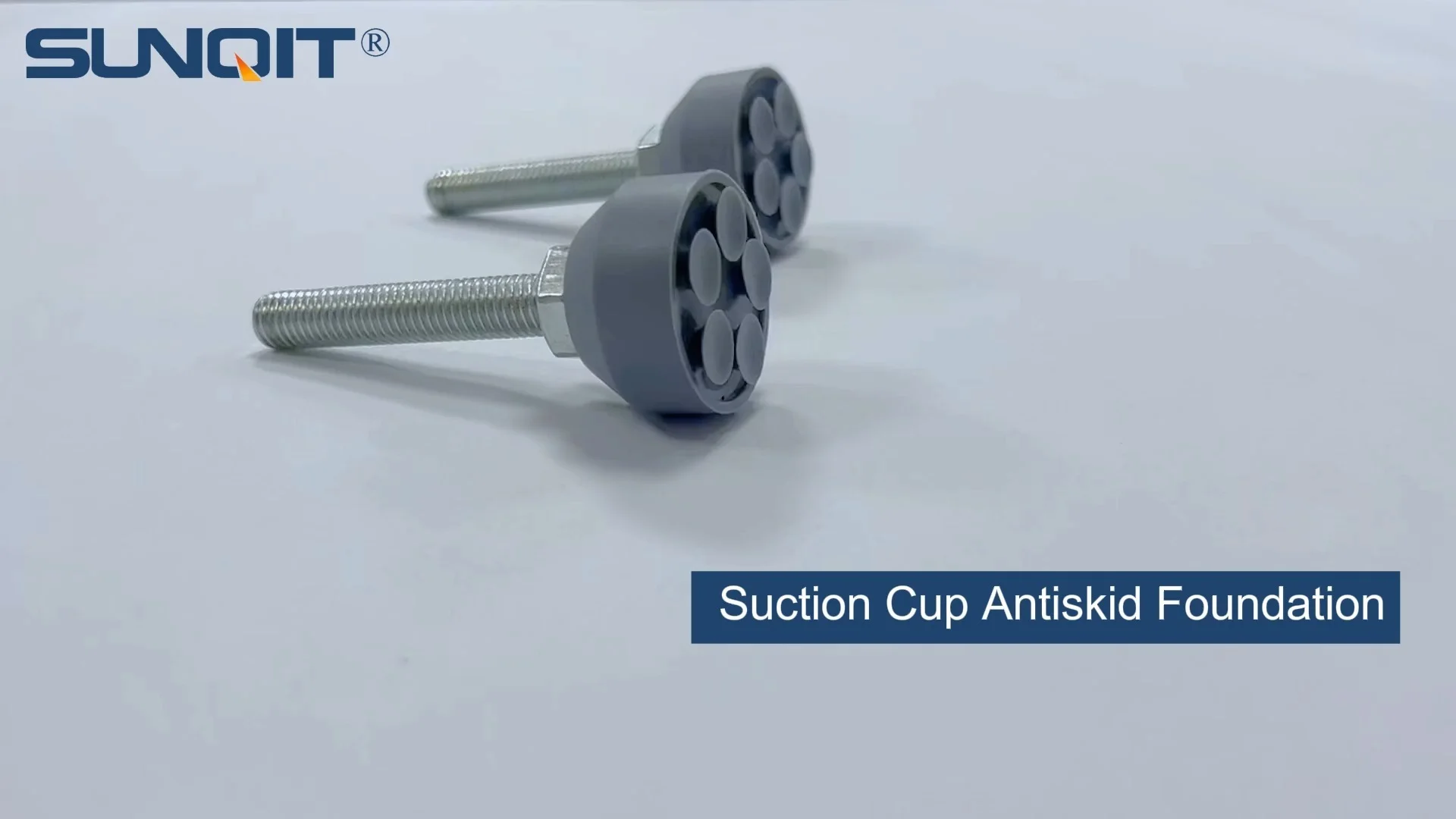
Suction Cup Anti-slip Foot Adjuster
D=35mm suction cup anti-slip foot adjusterï¼screw M10*55ï¼with a blot, used for workbench, flowrack pipe contact with groud.
Walk into any bustling warehouse, and you'll quickly realize that the backbone of efficient operations isn't just the latest software or high-speed conveyors—it's the quiet reliability of the physical infrastructure. Every rack stacked with inventory, every workbench where assemblers piece together products, every roller track guiding materials from point A to B—all of these depend on one often-overlooked factor: stability. A single wobbly rack or a workbench that slides under pressure can disrupt workflows, damage goods, and even put workers at risk. In the world of lean systems, where waste reduction and efficiency are king, instability isn't just an annoyance; it's a silent productivity killer. That's where the humble yet powerful suction cup anti-slip foot adjuster comes into play. Far more than a simple "foot," this small component is a game-changer for warehouses aiming to build safer, smoother, and more reliable operations. Let's dive into why these adjusters matter, how they work, and the difference they can make in real-world logistics.
The Hidden Cost of Unstable Racks in Warehousing
To understand the value of suction cup anti-slip foot adjusters, we first need to recognize the problem they solve: instability in warehouse racks and workstations. Think about a typical material rack B (3 row and 3 floor), loaded with heavy boxes or raw materials. If the rack's feet aren't properly secured, even a slight nudge from a passing forklift or the vibration of nearby machinery can cause it to shift. Over time, that shift worsens—shelves tilt, items slide off, and suddenly, workers are spending precious minutes restacking goods instead of moving them out for orders. In the worst cases, an unstable rack might even collapse, leading to damaged inventory, halted operations, or injury.
Or consider a workbench E (single deck-without caster) in an assembly line. Without stable feet, the surface might wobble as operators use power tools or place heavy components. Tools slide off, parts get scratched, and workers compensate by slowing down—unconsciously adjusting their movements to avoid accidents. This isn't just about speed; it's about consistency. In lean systems, where every second counts and quality control is non-negotiable, these small disruptions add up to big losses: wasted time, increased scrap, and frustrated teams.
Uneven floors compound the issue. Many warehouses have slightly uneven concrete or epoxy surfaces, the result of years of heavy traffic, temperature fluctuations, or poor initial installation. Traditional foot adjusters—often simple threaded bolts with rubber tips—might level a rack temporarily, but they lack the grip to withstand constant movement. They slide, they loosen, and they require frequent readjustment. For warehouse managers already stretched thin, this is just another task added to an endless to-do list.
What Are Suction Cup Anti-Slip Foot Adjusters?
At first glance, a suction cup anti-slip foot adjuster looks unassuming: a metal stem with a threaded end (to screw into racks or workbenches) and a rubber suction cup base. But its design is deceptively clever. Unlike basic rubber feet, which rely on friction alone, these adjusters use a dual mechanism: mechanical adjustment for height and vacuum suction for grip. Here's how it works:
When you screw the adjuster into the base of a rack or workbench, you first use the threaded stem to level the equipment—twisting it up or down to compensate for uneven floors. Once level, you press down on the rack slightly, forcing the rubber suction cup against the floor. This action pushes air out from under the cup, creating a partial vacuum. The atmospheric pressure above the cup then "locks" it in place, creating a secure bond with the floor. The result? A foot that doesn't just sit on the floor, but sticks to it—resisting sliding, shifting, and tilting, even under heavy loads or vibration.
The materials matter, too. High-quality adjusters use durable, oil-resistant rubber for the suction cup, ensuring it maintains flexibility (and grip) even in harsh warehouse environments—think spills, dust, or extreme temperatures. The metal stem is often made from corrosion-resistant steel or aluminum, so it won't rust or degrade when exposed to moisture (a common issue in facilities with refrigerated zones or frequent floor cleaning).
These adjusters aren't one-size-fits-all, either. They come in various sizes and load capacities, from small models for lightweight workbenches to heavy-duty versions rated for thousands of pounds—perfect for large material racks or industrial workstations. Some even feature swivel bases, allowing the suction cup to align with uneven floors automatically, ensuring maximum contact and grip.

Why Suction Cup Adjusters Are a Must for Lean Systems
Lean systems thrive on predictability. By eliminating waste—whether it's excess inventory, unnecessary movement, or downtime—lean operations create smooth, repeatable workflows that deliver consistent results. But instability introduces unpredictability : a rack that shifts, a workbench that slides, or a roller track that jams because it's out of level. These issues force workers to stop, adjust, or rework, all of which are forms of "non-value-added" time—the very waste lean aims to eliminate.
Suction cup anti-slip foot adjusters directly support lean goals in three key ways:
- Reducing Rework and Damage: A stable material rack B (3 row and 3 floor) keeps inventory secure, preventing items from falling or getting crushed. This means fewer damaged goods, less time spent restacking, and lower scrap costs—all critical for lean's "quality first" mindset.
- Minimizing Downtime: When a roller track (like the 40 steel roller track) is level and secure, materials glide smoothly from one station to the next. No more jams caused by a tilted section or a track that's shifted off its supports. Workers don't have to stop to unjam products, keeping the flow steady and on schedule.
- Improving Worker Safety and Morale: A stable workbench E (single deck-without caster) isn't just about productivity—it's about safety. When tools stay put and surfaces don't wobble, the risk of slips, trips, or tool-related accidents drops. Safer workers are more confident, focused, and engaged—all of which boost overall efficiency.
In short, suction cup adjusters turn unstable infrastructure into a reliable foundation for lean systems. They don't just "fix" wobbles—they create the stability needed to sustain the continuous improvement that lean demands.

Real-World Applications: From Workbenches to Roller Tracks
To see how these adjusters make a difference, let's look at three common warehouse setups and how suction cup anti-slip foot adjusters transform them:
1. Workbench E (Single Deck-Without Caster)
Assembly lines rely on workbench E for precision tasks—think electronics assembly or small-part sorting. Without casters, this workbench is meant to stay put, but uneven floors or operator movement can still cause it to slide. Adding suction cup adjusters to its base changes everything. The suction cups lock the bench to the floor, so even when an operator leans into a task or uses a power drill, the surface stays steady. Tools don't roll off, parts don't get knocked over, and workers can focus on the task at hand instead of stabilizing the bench. For facilities using lean principles, this translates to faster cycle times and fewer errors.
2. Material Rack B (3 Row and 3 Floor)
A 3-row, 3-floor material rack is a workhorse, often holding heavy items like automotive parts or bulk raw materials. Traditional feet might level the rack initially, but over time, the weight of the load and daily warehouse activity can cause it to settle or shift. Suction cup adjusters counteract this by gripping the floor with vacuum force. Even if a forklift bumps the rack (a common occurrence in busy facilities), the adjusters prevent it from sliding or tipping. This stability protects inventory, reduces the need for frequent realignment, and ensures the rack remains accessible—no more struggling to reach items on a tilted shelf.
3. 40 Steel Roller Track
Roller tracks are the arteries of warehouse logistics, moving materials between stations with minimal effort. But for a 40 steel roller track to work well, it needs to be perfectly level. If one section dips or rises, products can jam, requiring workers to stop and manually push items through. By installing suction cup anti-slip foot adjusters on the track's support brackets, the entire system stays aligned. The adjusters compensate for uneven floors, keeping the rollers parallel and the track consistent. The result? Smoother flow, fewer jams, and a roller track that operates at peak efficiency—exactly what lean systems need to keep materials moving without waste.

Traditional vs. Suction Cup Foot Adjusters: A Head-to-Head Comparison
You might be thinking, "Don't traditional foot adjusters work just fine?" It's true—basic rubber-tipped bolts have been around for decades. But when it comes to stability, grip, and long-term reliability, suction cup anti-slip adjusters outperform them in key areas. Let's break down the differences:
| Feature | Traditional Rubber-Tipped Adjusters | Suction Cup Anti-Slip Foot Adjusters |
|---|---|---|
| Grip Mechanism | Relies on friction between rubber and floor; weakens on smooth or wet surfaces. | Uses vacuum suction + friction; creates a secure bond even on smooth epoxy or concrete floors. |
| Stability on Uneven Floors | Levels height but slides easily if the floor shifts or vibrates. | Adjusts height and grips the floor, resisting movement even on slightly uneven surfaces. |
| Load Capacity | Limited by friction; may slip under heavy loads. | Vacuum seal enhances grip, supporting higher loads without sliding. |
| Maintenance Needs | Frequent readjustment required as bolts loosen or rubber wears down. | Minimal maintenance; only occasional cleaning of the suction cup to remove dust/debris. |
| Durability | Rubber tips degrade over time (cracking, hardening) with exposure to oils or chemicals. | Oil-resistant rubber cups and corrosion-resistant stems last longer in harsh warehouse environments. |
The takeaway? Traditional adjusters are a budget option, but they're a compromise on stability. For warehouses serious about lean systems, safety, and long-term efficiency, suction cup anti-slip foot adjusters are an investment that pays off in fewer disruptions, lower costs, and smoother operations.
Installing and Maintaining Suction Cup Anti-Slip Foot Adjusters: A Practical Guide
Adding suction cup anti-slip foot adjusters to your racks, workbenches, or roller tracks is straightforward—no special tools or expertise required. Here's how to do it right:
Installation Steps
- Prepare the Surface: Start by cleaning the floor where the adjusters will sit. Dust, oil, or debris on the floor will weaken the suction cup's grip. A quick wipe with a damp cloth or degreaser (for oil spots) ensures maximum contact.
- Thread the Adjusters into Place: Most racks, workbenches, and roller track supports have pre-drilled holes for foot adjusters. Screw the suction cup adjusters into these holes by hand, leaving them slightly loose for now—you'll adjust the height next.
- Level the Equipment: Use a spirit level to check the rack, workbench, or track. Twist the adjusters' stems to raise or lower each corner until the surface is perfectly level. For larger items like material rack B, check level both front-to-back and side-to-side.
- Engage the Suction: Once level, press down firmly on the equipment to force air out of the suction cups. You'll hear a faint "snap" as the vacuum seal forms. For extra security, gently rock the equipment back and forth—this ensures the cups make full contact with the floor.
- Tighten the Lock Nuts (If Included): Some adjusters have lock nuts to prevent the stem from loosening over time. Once level and sealed, tighten these nuts against the equipment's base to lock the adjuster in place.
Maintenance Tips
To keep your suction cup adjusters working like new, follow these simple steps:
- Clean the Cups Regularly: Dust, dirt, or small debris can break the vacuum seal. Every 2–4 weeks (or more often in dusty environments), wipe the suction cups with a damp cloth to remove buildup.
- Check for Wear: Inspect the rubber cups for cracks, tears, or hardening. If the rubber feels brittle or loses its flexibility, replace the adjuster—worn cups won't seal properly.
- Re-Seal as Needed: If you move the equipment (e.g., to rearrange the warehouse), re-level it and press down to re-engage the suction. The seal can weaken if the adjuster is unscrewed or the equipment is shifted.
- Lubricate Threads (Optional): For adjusters with metal stems, a drop of machine oil on the threads every 6 months prevents rust and makes future height adjustments easier.
The Bottom Line: Stability Drives Success in Lean Warehousing
In the fast-paced world of warehousing logistics, it's easy to focus on big-ticket solutions—faster conveyors, smarter inventory software, or automated robots. But sometimes, the smallest components make the biggest difference. Suction cup anti-slip foot adjusters are a perfect example. They're affordable, easy to install, and require minimal maintenance—yet they deliver outsized benefits: safer workspaces, more reliable operations, and a foundation for lean systems to thrive.
Whether you're running a small workshop with a single workbench E or a large distribution center with miles of roller track and material racks, stability matters. It's the quiet confidence that lets your team work faster, safer, and more efficiently. And in lean systems, where every detail counts, that confidence is priceless.
So the next time you walk through your warehouse, take a closer look at those racks, workbenches, and roller tracks. Are they stable? Or are they quietly costing you time, money, and peace of mind? With suction cup anti-slip foot adjusters, the answer can be a resounding "stable"—and that's the first step toward a warehouse that doesn't just work, but works better .