- Company Articles
- Products and Technology
- Product knowledge
- Water Resistance: Why Aluminum Honeycomb Panels Are Suitable for Food Manufacturing Facilities

Water Resistance: Why Aluminum Honeycomb Panels Are Suitable for Food Manufacturing Facilities
Related Product
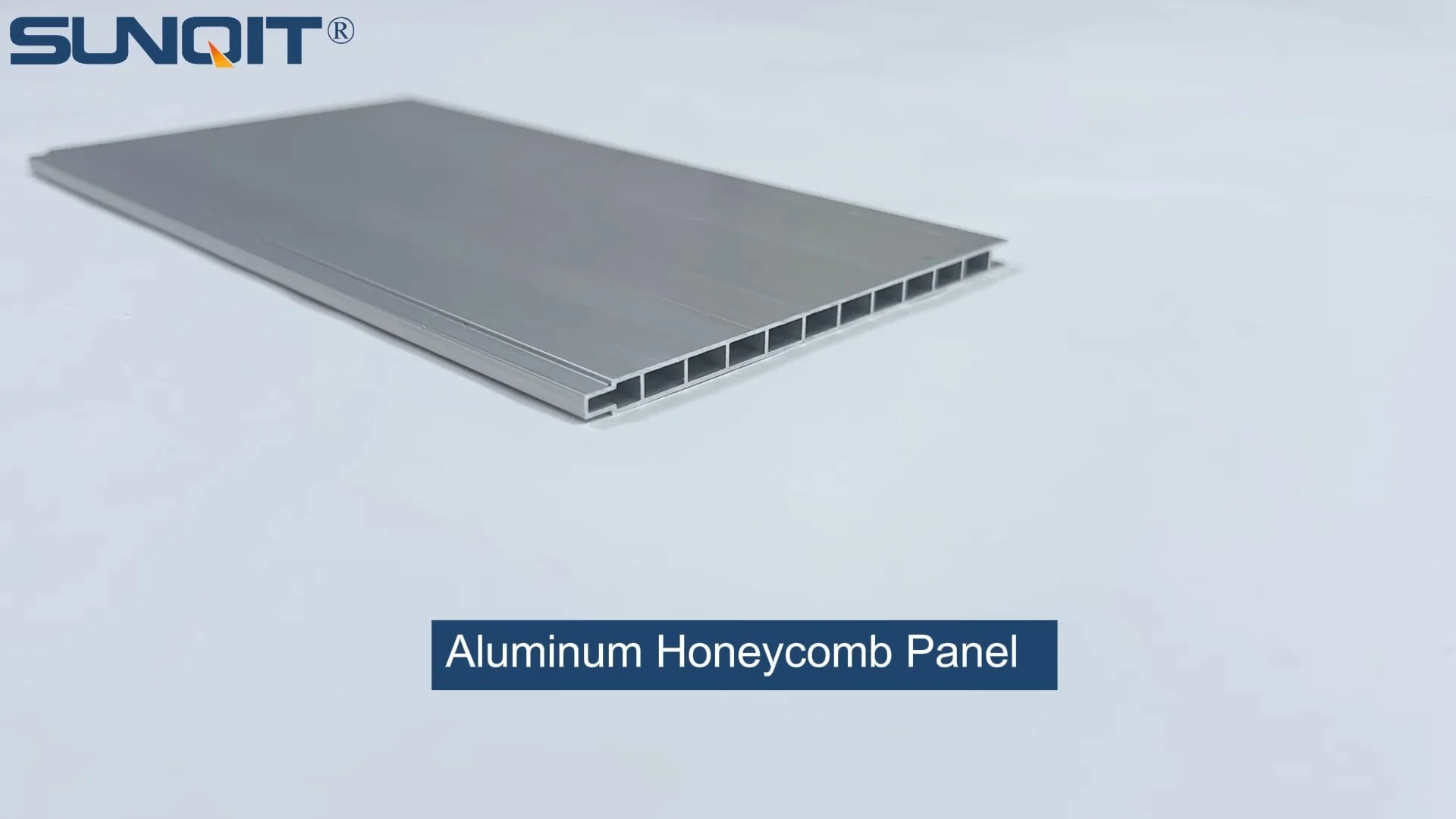
Aluminum Honeycomb Panel
Aluminum honeycomb panel used as table top, side wall, it is connected one pcs by one pcs from the side slot to make a full pieces.This panel width 105mm, 55mm, 35mm are optional for slection.
Walk into any food manufacturing facility, and you'll quickly realize the invisible battle happening behind the scenes: the fight against moisture. From daily hosing down of workbenches to steam sanitization of processing lines, water is everywhere—and it's not just a tool for cleanliness. Uncontrolled moisture breeds mold, encourages bacterial growth, and degrades equipment, turning once-reliable surfaces into ticking time bombs for food safety violations. For plant managers, this means constant vigilance: replacing warped wooden shelves, scrubbing mold from plastic walls, or shelling out for heavy stainless steel fixtures that eat into budgets. But what if there was a material that could stand up to water, keep surfaces hygienic, and stay strong for years—without the drawbacks of traditional options? Enter aluminum honeycomb panels, a solution that's quietly revolutionizing how food facilities approach durability and hygiene.
In this article, we'll dive into why aluminum honeycomb panels are becoming the go-to choice for food manufacturers prioritizing water resistance, hygiene, and long-term value. We'll break down their unique structure, explore how they outperform materials like stainless steel and plastic, and show how they fit seamlessly into critical areas of food production—from workbenches to wall panels. By the end, you'll understand why this lightweight yet mighty material is more than just a trend; it's a cornerstone of smarter, safer food manufacturing.
What Are Aluminum Honeycomb Panels, Anyway?
Before we jump into their water-resistant superpowers, let's start with the basics: what *are* aluminum honeycomb panels? Picture a sandwich, but instead of bread and filling, you have two thin, strong outer layers (called "skins") made from aluminum extrusion profile, bonded to a central core that looks like a honeycomb—rows of hexagonal cells, just like a beehive. This core is usually made from aluminum, too, though some versions use paper or fiberglass (but in food settings, aluminum is the gold standard for safety and durability).
The magic is in this structure. The honeycomb core acts like a network of tiny pillars, distributing weight and stress evenly across the panel. This means the panel can be surprisingly strong—strong enough to support heavy equipment on a workbench—while staying lightweight. Think about it: a solid aluminum sheet would be heavy and expensive, but the honeycomb design cuts down on material without sacrificing strength. It's engineering at its most efficient, and it's exactly why these panels are turning heads in industries where both performance and practicality matter.
But why aluminum for the skins and core? Aluminum is naturally resistant to corrosion, thanks to a thin oxide layer that forms on its surface when exposed to air. This layer acts like a shield, preventing water and chemicals from eating away at the metal. When you combine that with the honeycomb structure—sealed tight to keep moisture out of the core—you get a material that laughs in the face of spills, steam, and daily washdowns. That's a big deal in food manufacturing, where "washdown" isn't just a task; it's a way of life.
Water Resistance: The Star of the Show
Let's cut to the chase: in food manufacturing, water resistance isn't a "nice-to-have"—it's non-negotiable. A single spill that seeps into a porous surface can lead to mold growth, which then contaminates food products, triggers health code violations, and damages your brand's reputation. So how do aluminum honeycomb panels stack up here? Let's break it down.
1. Non-Porous, Sealed Surfaces
Aluminum itself is non-porous, meaning it has no tiny holes or gaps for water to sneak into. Unlike wood, which acts like a sponge, or even some plastics that can develop micro-cracks over time, aluminum skins don't absorb moisture. But the honeycomb core is where things get even smarter. During manufacturing, the core is sealed tight with adhesives that are resistant to water and chemicals—think industrial-strength glues that can handle everything from hot water to harsh sanitizers like chlorine or hydrogen peroxide. This seal ensures that even if water splashes on the panel, it can't seep into the honeycomb cells and cause rot or corrosion from the inside out.
To put this to the test, imagine a workbench in a dairy processing plant. Every day, it's hosed down with 140°F water to sanitize after handling milk containers. With a wooden workbench, that water would soak in, leading to warping and mold within months. A plastic workbench might hold up initially, but over time, the constant heat and moisture could cause the plastic to degrade, creating cracks where bacteria hide. An aluminum honeycomb panel workbench? The water beads up and rolls off, leaving no trace behind. No absorption, no mold, no hidden nasties—just a clean surface, day in and day out.
2. Corrosion Resistance: More Than Just "Waterproof"
Water resistance isn't just about keeping water out—it's about standing up to the *chemicals* in that water. Food facilities don't just use plain water to clean; they use sanitizers, detergents, and sometimes even acidic or alkaline solutions to kill bacteria. These chemicals can eat away at lesser materials, but aluminum honeycomb panels? They're built to resist.
Aluminum's natural oxide layer isn't just for show. It's resistant to most acids and alkalis, including the sanitizers commonly used in food plants. Even better, many manufacturers take this a step further by adding a protective coating to the aluminum skins—like anodization, which thickens the oxide layer, or powder coating, which adds a durable, colorfast finish. Both options boost corrosion resistance even more, ensuring the panel can handle daily exposure to harsh cleaning agents without pitting, discoloration, or degradation.
Compare this to stainless steel, a material often praised for corrosion resistance. While stainless steel is tough, it's also heavy—so heavy that installing large panels or workbenches requires extra structural support, driving up costs. Aluminum honeycomb panels offer similar (if not better) corrosion resistance at a fraction of the weight, making them easier to install and more versatile in tight spaces.

Hygiene: A Non-Negotiable for Food Safety
In food manufacturing, "clean" isn't just about looking spotless—it's about preventing the spread of pathogens like *E. coli*, salmonella, or Listeria. These bacteria thrive in moist, hard-to-reach places, and they can turn a minor oversight into a major recall. Aluminum honeycomb panels excel here, too, thanks to two key features: smooth surfaces and chemical compatibility.
First, the surfaces. Aluminum skins are typically finished with a smooth, even texture—no ridges, grooves, or seams where bacteria can hide. This makes cleaning a breeze: a quick wipe with a sanitizing cloth or a pass with a pressure washer is all it takes to remove food residue and bacteria. Compare this to a stainless steel workbench with welded seams; even with careful cleaning, those seams can trap food particles, creating a breeding ground for germs. Aluminum honeycomb panels have no such weak points—just a continuous, smooth surface that leaves bacteria nowhere to hide.
Second, chemical compatibility. As we mentioned earlier, these panels can handle the harsh sanitizers used in food plants. But they also meet strict food contact standards, like the FDA's 21 CFR 177.1520, which regulates materials that come into contact with food. This means you don't have to worry about the panel leaching harmful chemicals into food products, even when exposed to heat or acidic ingredients like citrus or vinegar. For facilities that need to comply with HACCP (Hazard Analysis and Critical Control Points) or ISO 22000 standards, this peace of mind is priceless.
Let's take a real-world example: a bakery that switched from wooden to aluminum honeycomb panel workbenches. Before the switch, their quality control team was constantly finding mold spores on swabs taken from the workbench edges, leading to frequent re-cleaning and production delays. After installing the new panels, swab tests came back clean 99% of the time. Why? The smooth aluminum surface left no room for mold to grow, and the daily sanitizing routine was faster and more effective. Productivity went up, and the risk of contamination plummeted.

Durability: Built to Last in Tough Environments
Food manufacturing isn't just wet—it's rough. Forklifts bump into walls, heavy equipment gets dragged across workbenches, and employees are constantly moving tools and ingredients. A material that can't stand up to this daily wear and tear will need frequent replacement, costing time and money. Aluminum honeycomb panels are built for this chaos.
Let's talk about impact resistance. The honeycomb core acts like a shock absorber. If a metal container slips and hits the panel, the hexagonal cells compress slightly, absorbing the energy instead of transferring it to the skins. This means fewer dents and scratches compared to solid aluminum or plastic. Even better, the aluminum skins are scratch-resistant—they won't show marks from knives, scrapers, or heavy pots, which is crucial for maintaining a clean, professional look over time.
Then there's temperature resistance. Food facilities can swing from freezing cold (in refrigerated storage) to hot and humid (in cooking areas). Aluminum honeycomb panels handle these extremes without warping, cracking, or losing structural integrity. Unlike plastic, which can become brittle in the cold or soft in the heat, aluminum maintains its strength across a wide temperature range—from -40°F to 250°F, in most cases. This makes them ideal for everything from freezer room walls to near-oven workbenches.
The result? A material that lasts. While a wooden workbench might need replacing every 2–3 years, and a plastic one every 4–5, an aluminum honeycomb panel can easily last 10+ years with minimal maintenance. Over time, this durability translates to lower costs—no more frequent replacements, no unexpected downtime for repairs, and no emergency purchases when a surface fails.
How Do They Compare to Other Materials? Let's Take a Look
To really understand why aluminum honeycomb panels stand out, let's put them head-to-head with the materials food manufacturers have traditionally relied on. The table below breaks down key factors like water resistance, hygiene, durability, cost, and weight—so you can see exactly where aluminum honeycomb panels shine.
| Material | Water Resistance | Hygiene | Durability | Cost (Initial/Long-Term) | Weight |
|---|---|---|---|---|---|
| Aluminum Honeycomb Panels | High: Non-porous skins, sealed core resists moisture ingress | Excellent: Smooth, seam-free surface; compatible with food-grade sanitizers | High: Resists dents, scratches, and temperature extremes; lasts 10+ years | Moderate initial cost; low long-term cost (minimal replacement) | Lightweight (30-50% lighter than solid aluminum) |
| Stainless Steel | High: Non-porous, but welded seams can trap moisture | Good: Smooth surface, but seams require extra cleaning | High: Scratch and dent resistant; lasts 15+ years | High initial cost; high installation costs (due to weight) | Heavy (2-3x heavier than aluminum honeycomb panels) |
| Plastic (PVC/HDPE) | Moderate: Resists moisture initially, but prone to cracking over time | Moderate: Smooth surface, but scratches can harbor bacteria; may degrade with harsh sanitizers | Low: Prone to dents, warping, and UV degradation; lasts 4-5 years | Low initial cost; high long-term cost (frequent replacement) | Lightweight, but less rigid than aluminum |
| Wood (Treated) | Low: Absorbs moisture; prone to warping and mold | Poor: Porous surface; requires constant sealing to prevent bacterial growth | Low: Warps, rots, and scratches easily; lasts 2-3 years | Low initial cost; very high long-term cost (frequent replacement) | Heavy and prone to uneven weight distribution |
The takeaway? Aluminum honeycomb panels offer the best of all worlds: the water resistance and hygiene of stainless steel, the lightweight practicality of plastic, and durability that outlasts both—all at a cost that makes sense over time. For food manufacturers looking to balance safety, performance, and budget, it's a clear winner.
Real-World Applications: Where Aluminum Honeycomb Panels Shine
Now that we've covered the "why," let's talk about the "where." Aluminum honeycomb panels aren't just a theoretical solution—they're being put to work in food facilities across the globe, solving real problems. Here are a few key applications where they're making the biggest impact:
1. Workbenches: The Heart of Production
Workbenches are the unsung heroes of food manufacturing—they're where ingredients are prepped, products are assembled, and tools are stored. An ideal workbench needs to be durable, easy to clean, and resistant to water and chemicals. Aluminum honeycomb panels check all these boxes. Many manufacturers now offer workbenches with tops made from these panels, paired with sturdy frames (often built from aluminum profile for extra stability). These workbenches can handle heavy loads (up to 500 lbs per square foot, in some cases), resist stains from food dyes or oils, and stand up to daily sanitizing. Plus, their lightweight design makes them easy to move if production lines need reconfiguring—no need for heavy machinery or a team of workers.
2. Wall and Ceiling Panels: Moisture Barriers
Humidity is a constant battle in food facilities, especially in areas like dishwashing, meat processing, or produce washing. Excess moisture can lead to mold on walls and ceilings, which not only looks unsightly but also poses a health risk. Aluminum honeycomb panels make excellent wall and ceiling cladding: their water resistance prevents mold growth, and their smooth surface is easy to wipe clean. They're also lightweight, which means they can be installed without reinforcing the building's structure—a big plus for older facilities. Some plants even use them in refrigerated rooms, where their temperature resistance prevents condensation from building up on surfaces.
3. Shelving and Storage Racks
Storing ingredients, packaging, or finished products requires shelving that can handle weight without warping—even when exposed to moisture. Aluminum honeycomb panel shelving is lightweight but strong, making it ideal for this job. Unlike wooden shelves that sag under heavy boxes or plastic shelves that bend, these panels maintain their shape, even when loaded with cans, bottles, or bulk ingredients. They're also easy to clean, which is crucial for shelves that hold food products—no more pulling everything off the shelf to scrub away dust and spills; a quick wipe with a sanitizing cloth does the trick.
Sustainability: A Bonus for the Modern Facility
In today's world, sustainability isn't just a buzzword—it's a business imperative. Consumers and regulators alike are pushing for greener manufacturing practices, and food companies are taking notice. Aluminum honeycomb panels align with this trend in a big way, thanks to aluminum's recyclability and the panels' energy-efficient design.
Aluminum is one of the most recyclable materials on the planet—nearly 75% of all aluminum ever produced is still in use today. When an aluminum honeycomb panel reaches the end of its life (which, as we've seen, is a long time), it can be melted down and recycled into new products with minimal energy loss. This reduces reliance on virgin materials and cuts down on landfill waste. Plus, the lightweight nature of the panels reduces transportation emissions—shipping them from manufacturer to facility uses less fuel than hauling heavy stainless steel or concrete panels.
Many manufacturers also use eco-friendly adhesives and coatings in production, avoiding harmful volatile organic compounds (VOCs) that can off-gas into the environment. For facilities aiming for LEED certification or other green building standards, aluminum honeycomb panels can contribute points toward those goals—another win for both the planet and your brand's reputation.
Choosing the Right Aluminum Honeycomb Panel for Your Facility
Not all aluminum honeycomb panels are created equal, so it's important to choose the right one for your needs. Here are a few key factors to consider:
- Skin thickness: Thicker skins (0.02–0.1 inches) offer more durability for high-traffic areas like workbenches, while thinner skins (0.01–0.02 inches) are fine for walls or ceilings.
- Core density: The honeycomb core's cell size and material affect strength. For heavy loads, look for a core with smaller cells (3/16–1/4 inch) made from aluminum. For lighter applications, larger cells are okay.
- Coating: Anodized coatings add corrosion resistance and a matte finish, while powder coatings offer color options and extra protection against scratches.
- Food contact certification: Always choose panels that meet FDA or EU food contact standards if they'll be in direct contact with food.
Working with a reputable supplier who specializes in food-grade materials can help you navigate these options and find the perfect panel for your facility. Don't be afraid to ask for samples or test reports—any trustworthy supplier will be happy to provide them.
Conclusion: A Smart Investment in Safety and Efficiency
Water resistance, hygiene, durability, and sustainability—these are the pillars of a successful food manufacturing facility. Aluminum honeycomb panels deliver on all fronts, offering a solution that's not just effective, but practical. They're lightweight enough to make installation and reconfiguration easy, strong enough to handle the daily chaos of production, and safe enough to meet the strictest food safety standards. And while they may have a higher initial cost than wood or plastic, their long lifespan and low maintenance needs make them a cost-effective choice in the long run.
For plant managers tired of replacing warped workbenches, scrubbing mold from walls, or overspending on heavy stainless steel, aluminum honeycomb panels are more than just a material—they're a way to build a smarter, safer, more efficient facility. So the next time you're planning a renovation or upgrading your equipment, consider this: the right surface can make all the difference. And when it comes to water resistance and hygiene, aluminum honeycomb panels are hard to beat.