- Company Articles
- Products and Technology
- Product knowledge
- Waterproof Aluminum Profile Rubber Strips: Ideal for Humid Industrial Environments

Waterproof Aluminum Profile Rubber Strips: Ideal for Humid Industrial Environments
Related Product
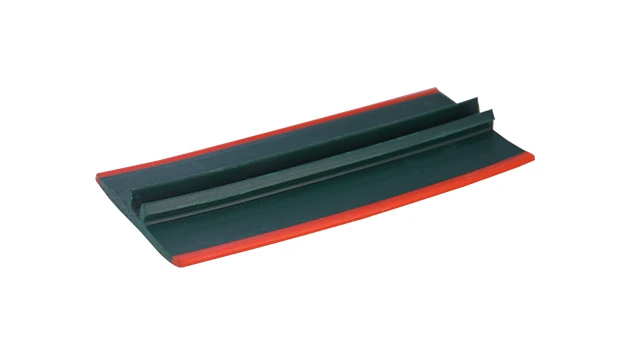
Aluminum Profile Rubber Strip
The tread strip fits into a T-slot channel and provides an anti-slip ribbed surface. It has a key pad that presses into a T-slot and is commonly used for adding traction on steps or as padding for doors. Tread strip can be ordered by rolls. The high quali
It's a typical morning in a seafood processing plant along the coast. The air is thick with the smell of saltwater and the hum of machinery. Near the packaging line, Maria, the plant manager, pauses to inspect a row of aluminum workbenches where workers sort and box fresh shrimp. She notices something that makes her frown: tiny patches of rust along the edges of the workbench frames, and a faint musty odor coming from the lower shelves of a material rack. "Not again," she mutters. Last month, a similar issue forced them to replace a conveyor belt's aluminum guide rail after corrosion weakened its structure—costing time, money, and disrupting production.
Humidity is the silent enemy of industrial facilities, especially those in coastal areas, food processing plants, or pharmaceutical labs where moisture levels run high. It creeps into gaps in equipment, eats away at metal surfaces, and turns once-reliable tools into ticking time bombs of inefficiency. But what if there was a simple, cost-effective way to fight back? Enter waterproof aluminum profile rubber strips—small but mighty components that act as the first line of defense against moisture, corrosion, and the chaos they bring.
The Hidden Cost of Humidity in Industrial Settings
To understand why waterproof rubber strips matter, let's start with the problem they solve: humidity isn't just uncomfortable for workers—it's a threat to your bottom line. In facilities that rely on aluminum extrusion profiles, workbenches, and lean systems, moisture causes three critical issues:
- Corrosion: Aluminum is prized for its durability, but when exposed to constant moisture, even its protective oxide layer can break down. Rust (or oxidation) weakens frames, jams conveyor tracks, and ruins the precision of aluminum profile accessories like roller track connectors or caster wheels.
- Mold and Mildew: In food or pharmaceutical plants, mold isn't just unsightly—it's a safety hazard. Moisture trapped in gaps between aluminum profiles and workbench surfaces creates breeding grounds for bacteria, risking product contamination and regulatory fines.
- Equipment Failure: Condensation on electrical components (common in ESD workstations) can short circuits, while rusted joints on turnover trolleys or material racks make them unstable, increasing the risk of workplace accidents.
Take lean systems, for example. A lean operation thrives on efficiency—minimizing waste, streamlining workflows, and keeping downtime to zero. But when a humidity-related breakdown hits (say, a corroded roller track jamming mid-shift), the entire line grinds to a halt. Workers stand idle, deadlines slip, and the "lean" in your lean system suddenly feels like a distant goal.
Waterproof Aluminum Profile Rubber Strips: More Than Just a "Seal"
So, what exactly are these rubber strips, and how do they turn the tide against humidity? At their core, they're flexible, durable strips designed to fit snugly into the T-slots of aluminum profiles—think of them as weatherstripping for your industrial equipment. But don't let their simplicity fool you: modern rubber strips are engineered with precision, using materials that stand up to harsh conditions.
Most are made from one of three materials, each tailored to specific environments:
| Rubber Strip Material | Temperature Resistance | Waterproof Performance | Best For |
|---|---|---|---|
| EPDM Rubber | -40°C to 150°C (-40°F to 302°F) | Excellent—resists water, steam, and UV rays | Outdoor facilities, coastal plants, or areas with frequent washing (e.g., car washes, food processing) |
| Silicone Rubber | -60°C to 230°C (-76°F to 446°F) | Superior—repels water and resists chemical degradation | High-temperature environments (e.g., pharmaceutical labs with autoclaves, industrial ovens) |
| PVC Rubber | -10°C to 60°C (14°F to 140°F) | Good—cost-effective and easy to install | Indoor facilities with moderate humidity (e.g., electronics assembly lines, warehouse storage racks) |
These strips aren't just "stuck on" either. They're designed to integrate seamlessly with aluminum extrusion profiles, which are the backbone of most industrial equipment—from workbenches and flow racks to conveyor systems and material racks. The T-slot design of aluminum profiles (like the popular 2020, 3030, or 4040 series) allows the rubber strips to snap into place, creating a tight seal that blocks moisture from seeping into joints, corners, or crevices.
Some strips even come with added perks: yellow or grey color options (like the plastic roller track guide rails you might see on conveyors) for visibility, or anti-slip textures to keep tools and components from sliding on workbench surfaces. For ESD workstations, specialized rubber strips can even dissipate static electricity—killing two birds with one stone: moisture protection and electrostatic discharge safety.

5 Ways Waterproof Rubber Strips Protect Your Lean System and Bottom Line
Now, let's get practical. How do these strips actually make a difference in day-to-day operations? Here are five tangible benefits that managers like Maria (from our seafood plant example) would notice:
1. They Extend Equipment Lifespan—Saving You from Costly Replacements
Aluminum profile accessories like roller tracks, caster wheels, and workbench frames aren't cheap. A single aluminum workbench can cost hundreds of dollars, and a full lean system setup—complete with conveyors, flow racks, and turnover trolleys—easily runs into the tens of thousands. Waterproof rubber strips act like a shield, preventing moisture from corroding these investments. Instead of replacing a rusted material rack every 2-3 years, you might get 5-7 years of use—paying for the strips many times over in saved replacement costs.
2. They Keep Lean Systems Running Smoothly
Lean systems rely on predictability. When a conveyor's roller track jams because rust has built up in the joints, or a workbench becomes unstable due to corroded legs, your carefully planned workflows fall apart. Rubber strips seal gaps where moisture collects, reducing the risk of unexpected breakdowns. Imagine a busy assembly line where every minute of downtime costs $500—with rubber strips, those minutes stay in your pocket, not lost to repairs.
3. They Boost Safety and Compliance
In food processing or pharmaceutical facilities, regulatory bodies like the FDA or EPA have strict rules about cleanliness and equipment maintenance. Mold growth on a material rack or rust flakes falling into products isn't just a productivity issue—it's a compliance nightmare. Waterproof rubber strips prevent moisture buildup, making it easier to keep surfaces clean and pass inspections. Plus, they reduce slip hazards: condensation on workbench surfaces is dangerous, but rubber strips create a non-slip barrier that keeps tools and workers steady.
4. They Reduce Maintenance Headaches
Think about the last time your maintenance team had to sand, repaint, or replace a corroded aluminum part. It's time-consuming, messy, and takes skilled workers away from more critical tasks. Rubber strips cut down on this work by keeping moisture out in the first place. A quick wipe-down of the strips during routine cleaning is all it takes to keep them performing—no sandpaper, no paint, no hassle.
5. They're Adaptable to Any Aluminum Profile
Whether you're using basic aluminum tubes, heavy-duty aluminum extrusion profiles, or specialized T-slot aluminum pipes, there's a rubber strip designed to fit. Suppliers (like reputable aluminum profile suppliers) offer strips in various widths, thicknesses, and materials to match your equipment. Need a strip for a 4080 aluminum profile in a high-temperature oven? Silicone's got you. A 2020 profile in a cold storage unit? EPDM can handle the freeze-thaw cycles. It's customization without the custom price tag.

Real-World Impact: How One Plant Turned the Tide with Rubber Strips
Let's circle back to Maria and her seafood processing plant. After the conveyor rail incident, she started researching solutions and came across waterproof aluminum profile rubber strips. Skeptical at first ("How can a tiny strip fix a big problem?"), she ordered a batch of EPDM strips from a trusted aluminum profile supplier and installed them on the workbenches and material racks in the most humid areas of the plant.
Three months later, the results spoke for themselves: the rust spots on the workbench frames had stopped spreading, and the musty odor from the material racks was gone. The maintenance team reported spending 60% less time sanding and repainting aluminum parts, and workers noted that the workbench surfaces felt less slippery during morning shifts when condensation was worst. "We haven't had a single humidity-related breakdown since installing the strips," Maria says. "It's one of those small changes that makes a huge difference—like putting a raincoat on your equipment."
Maria's experience isn't unique. In electronics factories, ESD workstation operators have seen fewer static-related component failures after adding rubber strips (which help maintain consistent ESD protection by blocking moisture). In pharmaceutical labs, silicone strips on aluminum honeycomb panel workbenches have made cleaning routines faster and more effective, cutting down on inspection prep time.
Choosing the Right Rubber Strip: What to Look For
Not all rubber strips are created equal. To get the most out of your investment, keep these tips in mind when shopping:
- Match the Material to Your Environment: If your facility has high temperatures (e.g., near ovens), silicone is a must. For coastal areas with saltwater spray, EPDM's UV and water resistance is key. PVC works well for dry, indoor settings on a budget.
- Check Compatibility with Your Aluminum Profiles: T-slot profiles come in different sizes (2020, 3030, 4040, etc.), so make sure the strip's width and thickness fit snugly into the slot. A good aluminum profile supplier will provide specs or samples to test.
- Look for Durability Features: Opt for strips with reinforced edges or adhesive backing for extra hold. Some brands even add antimicrobial properties to fight mold in extra-humid environments.
- Don't Skimp on Supplier Support: Reputable suppliers don't just sell products—they help you problem-solve. Ask about customization options, installation guidance, or warranty coverage. After all, a strip that's installed wrong is as good as no strip at all.
Final Thoughts: Small Strips, Big Results
Humidity might be a silent enemy, but it's not an unbeatable one. Waterproof aluminum profile rubber strips are proof that sometimes the most effective solutions are the simplest. They don't require overhauls of your entire lean system or massive capital investments—just a little foresight and the right product.
For managers like Maria, these strips are more than just accessories; they're peace of mind. They mean fewer early mornings troubleshooting rusted equipment, fewer budget meetings about unexpected replacement costs, and more time focusing on what really matters: growing your business. So the next time you walk through your facility, take a closer look at those aluminum workbenches, conveyor rails, and material racks. Are they protected? If not, it might be time to give them the gift of a rubber strip—and keep humidity where it belongs: outside.