- Company Articles
- Products and Technology
- Product knowledge
- Waterproof Plastic Pipe Covers: Ideal for Humid Manufacturing Environments

Waterproof Plastic Pipe Covers: Ideal for Humid Manufacturing Environments
Related Product
Plastic Pipe Cover
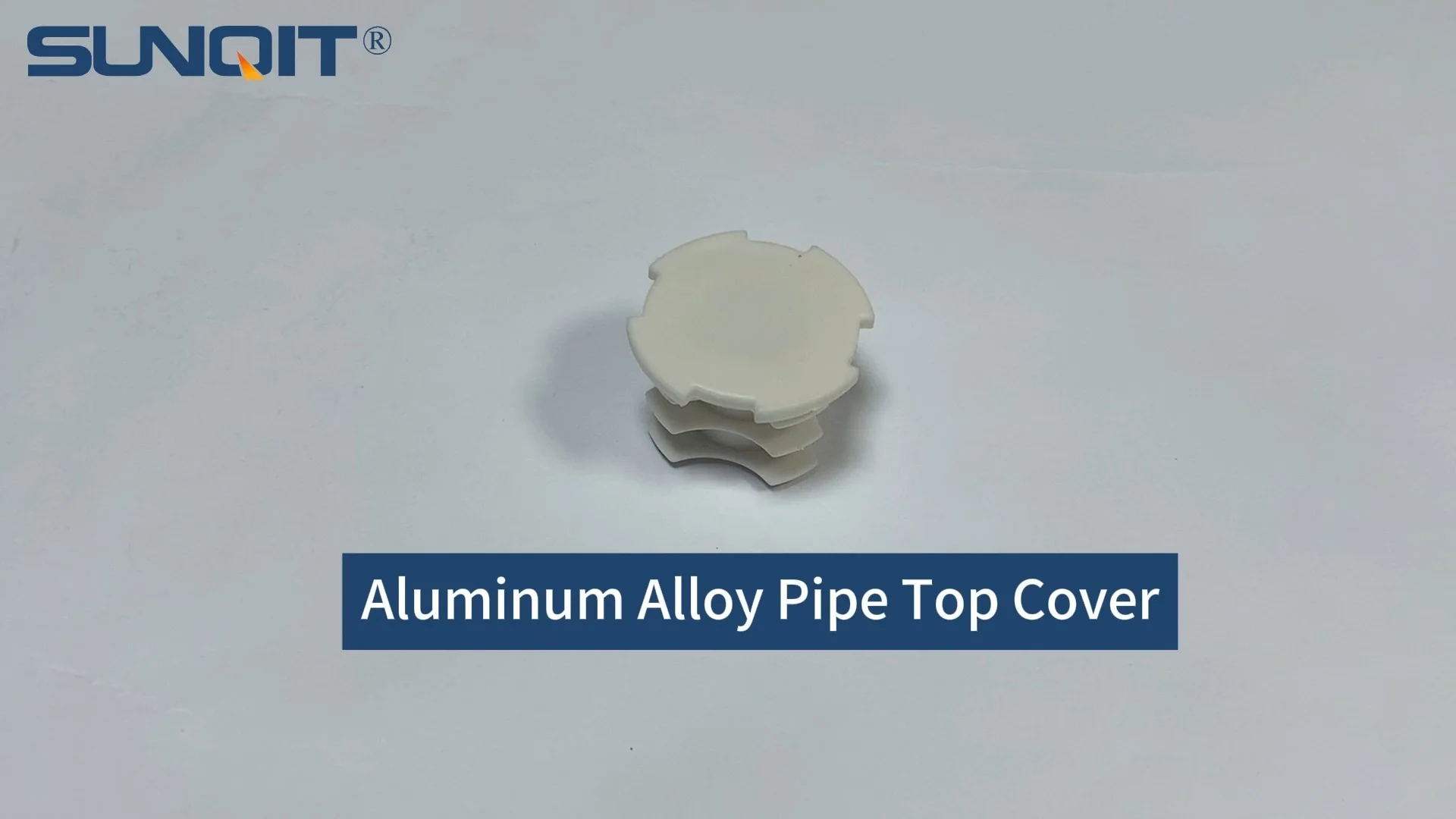
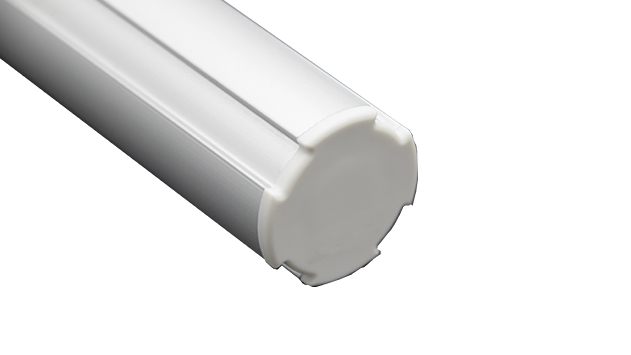
Plastic pipe cover to cover dia 28MM aluminum pipe end at workbench, flow rack, to prevent metal surface scratch material or worker.
Walk into any manufacturing facility—whether it's a food processing plant, an electronics assembly line, or a pharmaceutical lab—and you'll notice a common challenge humming beneath the hum of machinery: humidity. It clings to metal surfaces, seeps into crevices, and quietly undermines the very equipment that keeps production running. In these environments, where pipes, tracks, and workbenches form the backbone of daily operations, even a small amount of moisture can lead to big problems: rusted joints, corroded roller tracks, and unexpected downtime that eats into profits and frustrates teams. But what if there was a simple, cost-effective solution to shield these critical components? Enter waterproof plastic pipe covers—a unsung hero in the world of lean manufacturing, designed to stand up to moisture while keeping operations smooth and efficient.
In this article, we'll dive into why waterproof plastic pipe covers are a game-changer for humid workspaces, explore their real-world applications, and highlight how they fit seamlessly into lean systems as essential lean pipe accessories. We'll also take a closer look at two popular options—plastic roller track guide rail yellow and plastic roller track guide rail grey—and why choosing the right one matters for your facility. Whether you're a plant manager tired of constant repairs or a procurement specialist seeking durable solutions, this guide will show you how these small but mighty components can make a big difference in your day-to-day operations.
The Hidden Cost of Humidity in Manufacturing
Humidity isn't just an inconvenience—it's a silent saboteur. In manufacturing settings, where precision and reliability are non-negotiable, even moderate moisture levels can wreak havoc. Let's break down the risks:
Corrosion: The Slow Erosion of Equipment
Metal pipes, roller tracks, and joints are particularly vulnerable. When moisture combines with oxygen, it triggers oxidation—the chemical reaction that causes rust. Over time, rust weakens structural integrity: a roller track with corroded bearings may jam, a pipe joint with rust buildup could leak, and a workbench frame might become unstable. For example, in a beverage bottling plant where steam is constant, unprotected steel roller tracks have been known to degrade within 6–12 months, requiring costly replacements and unplanned maintenance stops.
Slip Hazards: Compromising Workplace Safety
Leaking pipes or condensation on surfaces create slippery floors—one of the leading causes of workplace accidents. A single spill from a corroded pipe could result in a worker injury, leading to workers' compensation claims, lost productivity, and damaged morale. In electronics manufacturing, where ESD workstations require strict cleanliness, even a small puddle risks short-circuiting sensitive components, adding product defects to the list of concerns.
Inefficiency: When Moisture Slows Production
Humidity doesn't just damage equipment—it slows it down. A roller track with sticky, moisture-laden bearings requires more force to move materials, increasing operator fatigue and slowing throughput. In lean manufacturing, where every second counts, these delays add up. A study by the Manufacturing Performance Institute found that facilities with unaddressed humidity issues report 15–20% lower overall equipment effectiveness (OEE) compared to those with moisture control measures.
Waterproof Plastic Pipe Covers: A Lean Solution to Moisture Woes
In the quest for leaner, more resilient operations, waterproof plastic pipe covers emerge as a simple yet powerful tool. Made from durable, moisture-resistant materials like PVC or high-density polyethylene (HDPE), these covers act as a barrier between sensitive components and the humid environment. But they're more than just protective sleeves—they're a strategic investment in longevity, safety, and efficiency.
What Makes Plastic Pipe Covers Ideal?
Plastic's inherent resistance to water makes it a natural choice. Unlike metal, it doesn't rust or corrode when exposed to moisture. Modern formulations even add UV stabilizers and chemical resistance, ensuring the covers hold up in harsh settings—from the acidic fumes of a battery production line to the high temperatures of a food drying facility. Additionally, plastic is lightweight and flexible, making installation quick and easy. Most covers can be cut to size with standard tools, and many feature snap-on or adhesive designs that require no specialized training to apply.
Beyond Protection: A Key Component of Lean Pipe Accessories
In lean manufacturing, every component should serve a purpose—eliminating waste, reducing costs, or improving flow. Waterproof plastic pipe covers fit this philosophy perfectly. As lean pipe accessories, they extend the lifespan of existing equipment, reducing the need for frequent replacements (a form of "waste" in lean terms). By preventing corrosion and jams, they keep material flow steady, supporting the "continuous improvement" pillar of lean systems. For example, a automotive parts plant in Michigan reported cutting maintenance costs by 32% after outfitting their roller tracks with plastic covers—savings that directly boosted their bottom line.
Plastic Roller Track Guide Rails: Yellow vs. Grey—Choosing the Right Fit
When it comes to waterproof plastic pipe covers, two options stand out for roller track systems: plastic roller track guide rail yellow and plastic roller track guide rail grey. While both share the same moisture-resistant core, their unique characteristics make them better suited for specific environments. Let's compare them side by side.
| Feature | Plastic Roller Track Guide Rail Yellow | Plastic Roller Track Guide Rail Grey |
|---|---|---|
| Visibility | High-visibility yellow stands out in busy environments, ideal for marking pathways or critical zones. | Neutral grey blends with industrial decor, suited for areas where aesthetics or minimal distraction is preferred. |
| Chemical Resistance | Resistant to oils, greases, and mild acids—excellent for automotive or machinery shops. | Enhanced resistance to solvents and cleaning agents, perfect for pharmaceutical or food processing (where frequent sanitization occurs). |
| Temperature Tolerance | Withstands -10°C to 60°C (14°F to 140°F), suitable for standard manufacturing environments. | Performs in -20°C to 80°C (-4°F to 176°F), better for cold storage or high-heat areas like bakeries. |
| Common Applications | Assembly lines, warehouse picking zones, material handling carts. | Clean rooms, ESD workstations, cold storage facilities, medical device manufacturing. |
| Durability | Medium-impact resistance; holds up to regular wear but may scratch under heavy loads. | High-impact resistance; reinforced with fiberglass mesh for extra strength in high-traffic areas. |
Real-World Examples: When to Choose Yellow or Grey
Yellow Guide Rails in Action: A furniture assembly plant in North Carolina was struggling with frequent collisions between material carts and roller tracks. By installing yellow guide rails along high-traffic pathways, they increased visibility—collisions dropped by 75%, and operators reported feeling safer navigating the floor. The bright color also helped new employees quickly identify designated material flow routes, reducing onboarding time.
Grey Guide Rails in Action: A medical device manufacturer in California needed roller tracks for their clean room, where strict aesthetic and sanitization standards apply. Grey guide rails blended seamlessly with the white walls and stainless steel equipment, avoiding visual clutter. Their enhanced chemical resistance also stood up to daily wipe-downs with isopropyl alcohol, ensuring no degradation over time. After 24 months, the rails showed no signs of wear, even with constant use.

Installation and Maintenance: Getting the Most Out of Your Plastic Pipe Covers
To maximize the lifespan and effectiveness of your waterproof plastic pipe covers, proper installation and maintenance are key. Here's a step-by-step guide to ensure success:
Installation: A Quick, DIY-Friendly Process
1. Measure Twice, Cut Once: Use a tape measure to determine the length of your pipe or roller track. Add 1–2 cm to account for any gaps, then mark the plastic cover with a pencil. A fine-toothed saw or utility knife works best for cutting—ensure the cut is straight to avoid uneven edges.
2. Clean the Surface: Wipe down the pipe or track with a dry cloth to remove dust, grease, or debris. For extra adhesion (if using adhesive-backed covers), use rubbing alcohol to degrease the area—this ensures the cover bonds securely.
3. Apply the Cover: For snap-on designs, simply align the cover with the pipe and press firmly until it clicks into place. For adhesive covers, peel the backing slowly and press from one end to the other, smoothing out air bubbles with a roller or your hand. For roller tracks, ensure the guide rail sits flush with the rollers to prevent material jams.
4. Secure Joints: At connection points (e.g., where two pipes meet), use plastic pipe end caps or tape to seal gaps. This prevents moisture from seeping in at vulnerable spots.
Maintenance: Simple Habits for Longevity
1. Regular Inspections: Check covers monthly for cracks, tears, or loose fit. In high-humidity areas, inspect biweekly—pay extra attention to joints and corners where moisture might accumulate.
2. Clean Gently: Wipe covers with a damp cloth and mild soap to remove dirt or spills. Avoid abrasive cleaners or steel wool, which can scratch the surface and compromise water resistance.
3. replace Promptly: If a cover is damaged, replace it immediately. A small tear can quickly expand, exposing the underlying metal to moisture. Most suppliers offer bulk packs of covers, making replacements cost-effective and easy to stock.
Case Study: How a Poultry Processing Plant Cut Downtime by 40% with Plastic Pipe Covers
Smithfield Poultry, a mid-sized processing facility in Arkansas, was struggling with constant roller track failures. The plant's high humidity—combined with occasional water splashes from cleaning—was corroding steel tracks, leading to 2–3 breakdowns per month. Each breakdown halted production for 2–4 hours, costing an estimated $1,500 per hour in lost revenue.
In 2023, the plant's maintenance manager decided to test plastic roller track guide rail yellow on a critical production line. The bright color was chosen to enhance visibility in the busy facility, and the covers were installed over existing steel tracks in a single weekend (minimizing downtime). Within three months, the results were striking: zero breakdowns on the treated line, and a 65% reduction in maintenance requests.
Encouraged, Smithfield rolled out the covers to all roller tracks and pipes. By the end of the year, total downtime due to corrosion dropped by 40%, and maintenance costs fell from $72,000 to $28,000 annually. "It's one of the best investments we've made," said the plant manager. "The covers paid for themselves in less than six months, and our team no longer dreads unexpected stoppages."

Why Invest in Quality? The Long-Term Value of Premium Plastic Pipe Covers
It's tempting to opt for the cheapest plastic pipe covers on the market, but skimping on quality can backfire. Low-grade covers may use thin plastic that cracks easily, or adhesives that fail in high humidity. In contrast, premium covers—like those designed as lean pipe accessories—offer:
Thicker Walls for Durability
High-quality covers have walls 1.5–2x thicker than budget options, resisting dents and tears from heavy use. For example, a 2mm thick HDPE cover can withstand impacts from metal tools or falling parts, whereas a 0.5mm cover might puncture on the first hit.
UV and Chemical Resistance
Premium formulations include additives that protect against sunlight (preventing brittleness) and harsh chemicals (like the sanitizers used in food processing). This ensures the covers last 5–7 years, compared to 1–2 years for low-quality alternatives.
Consistent Sizing
Reputable suppliers (like lean pipe suppliers specializing in aluminum and plastic components) ensure covers are precisely sized to fit standard pipe diameters. This avoids gaps that could let moisture in, whereas ill-fitting cheap covers may slide off or leave spaces exposed.
Remember: The cost of replacing a failed cover—plus the downtime and repairs it causes—far outweighs the savings of buying cheap. Investing in quality today means fewer headaches tomorrow.
Conclusion: Waterproof Plastic Pipe Covers—Small Components, Big Impact
In the fast-paced world of manufacturing, it's easy to overlook small components like pipe covers. But as we've explored, these unassuming tools play a critical role in protecting equipment, ensuring safety, and supporting lean operations. Whether you choose plastic roller track guide rail yellow for high visibility or plastic roller track guide rail grey for clean room aesthetics, the key is to prioritize waterproof, durable options that align with your facility's unique needs.
Humidity will always be a challenge in manufacturing—but it doesn't have to be a barrier to success. By integrating waterproof plastic pipe covers into your maintenance strategy, you're not just protecting pipes and tracks; you're investing in the reliability of your entire operation, the safety of your team, and the profitability of your business. After all, in lean manufacturing, every detail counts—and sometimes, the smallest changes make the biggest difference.