
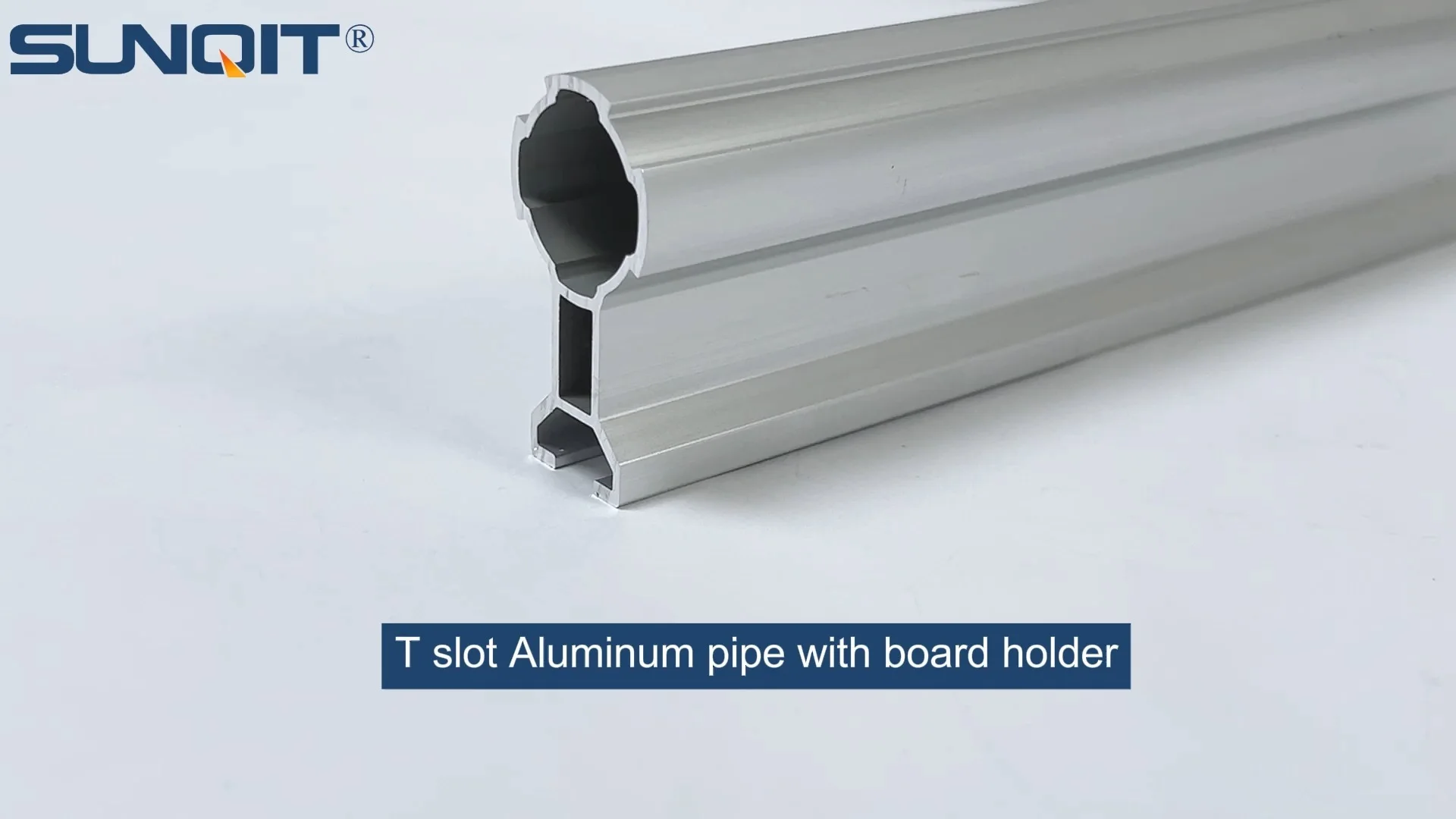
Walk into any workshop, manufacturing plant, or even a well-organized garage, and you'll likely spot T slot aluminum pipe systems hard at work. From sturdy workbenches to material racks and conveyor setups, these versatile structures are the backbone of efficient, adaptable workspaces. But here's the thing: even the most well-designed systems can fail if pushed beyond their limits. Overloading a T slot aluminum pipe with a board holder isn't just about a wobbly shelf or a sagging workbench—it's about safety, productivity, and protecting the tools and materials that keep your operation running.
Think about the last time you built something—whether it was a simple shelf for your garage or a custom workbench for a production line. Chances are, one of your first questions was, "Will this hold what I need it to?" That question isn't just about convenience; it's about avoiding costly mistakes. A workbench that collapses under the weight of tools and components can damage equipment, disrupt workflows, and even put workers at risk. And when you're relying on T slot aluminum pipe and its accessories—like board holders, aluminum profile accessories, and aluminum pipe clamps—understanding their weight limits becomes critical.
In this article, we're diving deep into the world of T slot aluminum pipe with board holders. We'll break down what makes these systems tick, the factors that determine their weight capacities, and how to ensure you never overload them. Whether you're a small business owner setting up a new workspace or a seasoned plant manager looking to optimize existing setups, this guide will help you build stronger, safer, and more reliable structures.

