- Company Articles
- Products and Technology
- Product knowledge
- What Are Adjustable Leveling Feet? A Key Component for Stable Lean Pipe Workbenches

What Are Adjustable Leveling Feet? A Key Component for Stable Lean Pipe Workbenches
Related Product
Adjustable Leveling Feet
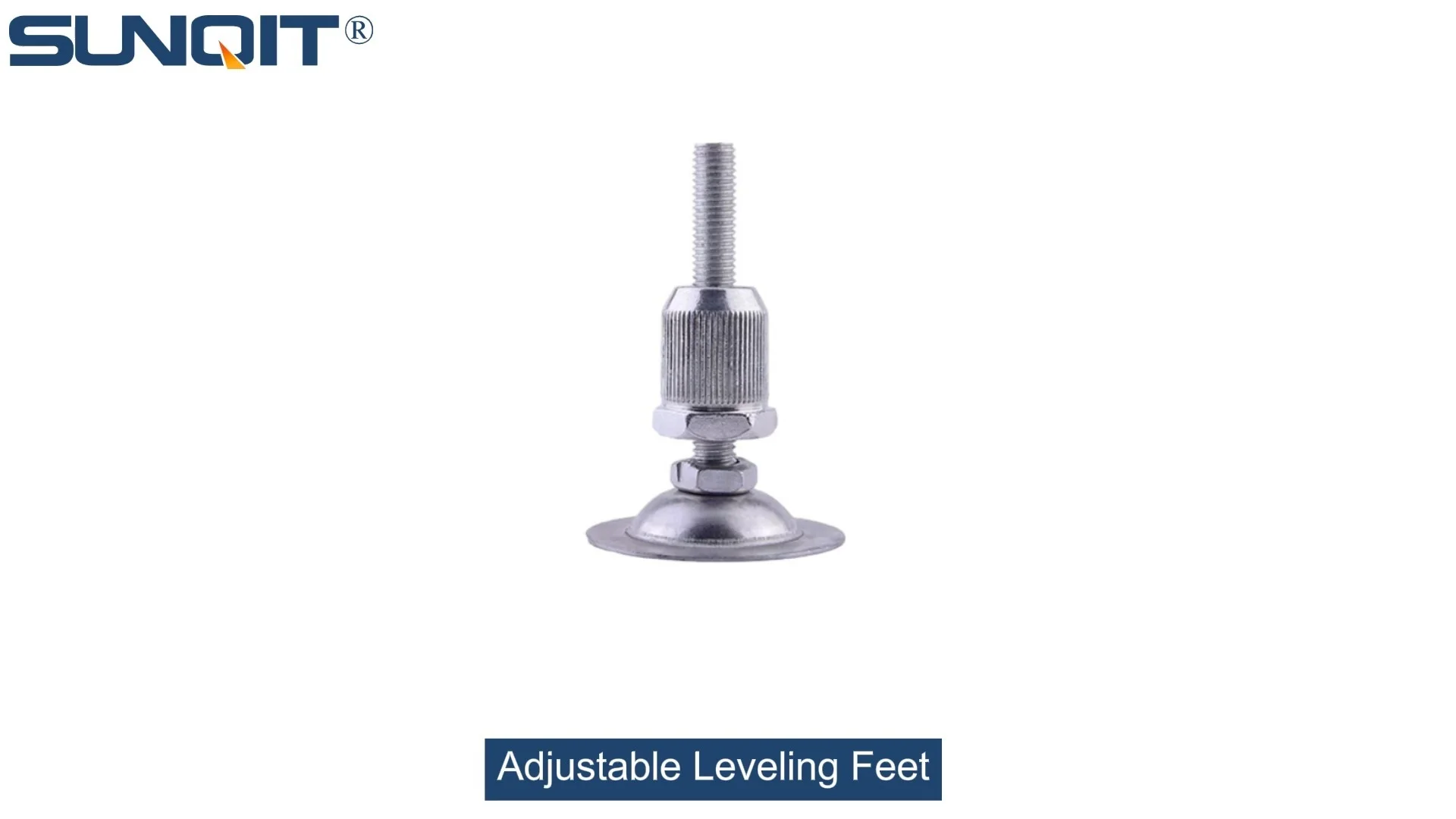
Adjustable leveling feet are designed to keep machines level when placed on uneven or sloped ground. Otherwise known as adjustable equipment feet, they are available to order in a wide variety of size and load capacity combinations.
Walk into any well-run manufacturing facility, warehouse, or assembly line, and you'll notice something subtle but critical: every workbench, rack, and trolley sits solidly on the floor. No wobbling, no tilting, no creaking as workers lean into their tasks. That stability isn't an accident—it's often thanks to a small but mighty component called adjustable leveling feet. While they might not get the same attention as flashy machinery or high-tech tools, these unassuming parts are the unsung heroes of lean pipe workbenches, ensuring everything from delicate electronics assembly to heavy-duty part sorting happens on a steady, reliable surface.
The Hidden Cost of an Unstable Workbench
Imagine spending hours assembling a precision circuit board, only to have the workbench shift slightly as you solder a tiny component. A fraction of an inch off, and suddenly the connection is flawed. Or picture a material handler loading parts onto a flow rack that rocks with every push—parts slide off, time is wasted, and frustration builds. These scenarios aren't just annoying; they're costly. Unstable workbenches slow down production, increase errors, and even create safety hazards. In lean manufacturing, where efficiency and waste reduction are king, instability is the enemy of progress.
This is where lean pipe workbenches shine—they're modular, flexible, and designed to adapt to changing production needs. But even the sturdiest lean pipe frame (built with durable materials like aluminum profile or coated steel) is only as good as its foundation. Uneven floors, which are surprisingly common in older facilities or spaces with heavy equipment traffic, can turn a well-designed workbench into a liability. That's where adjustable leveling feet step in: they bridge the gap between imperfect floors and the need for absolute stability.
What Exactly Are Adjustable Leveling Feet?
At their core, adjustable leveling feet are simple devices: a threaded stem attached to a base, designed to screw into the bottom of a workbench leg, trolley, or rack. By rotating the base (or the stem, depending on the design), you can raise or lower that corner of the structure, compensating for uneven ground. Think of them as tiny, precision jacks for your workbench—minus the heavy machinery. But don't let their simplicity fool you: modern adjustable leveling feet are engineered with features that make them indispensable in lean environments.
Most models include a non-slip base (often made of rubber or polyurethane) to grip the floor and prevent sliding, even under heavy loads. Some have locking mechanisms to keep the foot from rotating once adjusted, ensuring stability over time. Others, like the suction cup anti-slip foot adjuster, use vacuum-like pressure to adhere to smooth floors, adding an extra layer of security. And for workbenches that need to handle extreme weight—think automotive parts or industrial tools—heavy-duty split foot seats distribute the load across a wider area, protecting both the floor and the workbench legs.

How Adjustable Leveling Feet Support Lean Principles
Lean manufacturing isn't just about cutting costs—it's about creating a system where every component serves a purpose. Adjustable leveling feet align perfectly with this philosophy in three key ways:
1. Minimizing Waste (Muda)
Waste comes in many forms: time wasted retrieving fallen parts, materials wasted due to assembly errors, and labor wasted reworking flawed products. An unstable workbench contributes to all three. By ensuring the work surface stays level, adjustable leveling feet eliminate these avoidable wastes, letting workers focus on value-adding tasks instead of fighting with the environment.
2. Supporting Flexibility (Heijunka)
Lean systems thrive on adaptability. A single lean pipe workbench might be used for kitting in the morning and quality inspection in the afternoon. Adjustable leveling feet make it easy to move the workbench to a new location (even if the floor there is slightly uneven) and quickly stabilize it. No need for shims, wooden blocks, or makeshift fixes—just a quick twist of the leveling foot, and the workbench is ready to go.
3. Enhancing Safety (Jishuken)
Worker safety is non-negotiable in lean environments. A wobbly workbench isn't just inefficient—it's a trip hazard, and in extreme cases, it could tip over. Adjustable leveling feet keep the workbench grounded, reducing the risk of slips, falls, or equipment damage. This peace of mind lets employees work with confidence, knowing their workspace is secure.

A Closer Look: Types of Adjustable Leveling Feet for Lean Systems
Not all adjustable leveling feet are created equal. The right choice depends on the application: the weight of the workbench, the type of floor (concrete, tile, epoxy), and whether mobility is a factor (though leveling feet are typically fixed, unlike caster wheels). Let's break down some common types, using examples from leading lean pipe suppliers:
| Type of Leveling Foot | Key Features | Best For | Material Highlights |
|---|---|---|---|
| M10*56 Rubber Leveling Feet | Threaded M10 stem, 56mm height adjustment, non-slip rubber base | Standard lean pipe workbenches, light to medium loads | Zinc-plated steel stem, oil-resistant rubber base |
| Heavy Duty Split Foot Seat | Wider base (up to 100mm diameter), reinforced stem, load capacity over 1,000kg | Industrial workbenches, material racks with heavy parts | Cast iron base, stainless steel stem for corrosion resistance |
| Suction Cup Anti-Slip Foot Adjuster | Vacuum suction base, ideal for smooth floors (epoxy, tile) | Cleanrooms, electronics assembly, where sliding is a major risk | Polyurethane suction cup, aluminum stem for lightweight strength |
| Aluminum Pipe Adjustable Leveling Feet | Designed to pair with aluminum profile workbenches, sleek, corrosion-resistant | Modern lean systems, food processing, or clean environments | Anodized aluminum stem and base, compatible with T-slot aluminum pipe |
Each type addresses specific needs, but they all share the same goal: to create a stable, level surface. For example, the M10*56 rubber leveling foot is a workhorse in most factories—it's affordable, easy to install, and handles the day-to-day demands of assembly lines. The heavy-duty split foot seat, on the other hand, is a must for material rack B (3 row and 3 floor) setups, where stacks of parts can weigh hundreds of kilograms. And in environments where cleanliness is critical, like pharmaceutical or electronics manufacturing, aluminum pipe adjustable leveling feet resist rust and are easy to sanitize, pairing perfectly with aluminum profile workbenches.

Materials Matter: Why Aluminum Profile and Coated Steel Work Best
Adjustable leveling feet don't work in isolation—they're part of a system. The legs of the workbench (often made of lean pipe, aluminum profile, or stainless steel) need to be strong enough to support the load, and the leveling feet need to integrate seamlessly with them. Aluminum profile, in particular, has become a favorite in modern lean systems for good reason: it's lightweight, strong, and compatible with a wide range of accessories, including leveling feet.
Aluminum profile workbenches (like the aluminum workbench E, a single-deck model without casters) often use T-slot designs, which allow leveling feet to be easily attached and adjusted. The smooth, anodized surface of aluminum resists scratches and corrosion, making it ideal for environments where moisture or chemicals are present. When paired with aluminum pipe adjustable leveling feet, the result is a workbench that's both sturdy and sleek—no more rusty steel legs or flaking paint.
But coated steel lean pipe (like 1.5mm PE coated lean pipe) is still a popular choice for budget-conscious facilities or applications where extreme durability is needed. Coated steel resists impacts and heavy loads, and when fitted with zinc-plated leveling feet, it provides a cost-effective stability solution. The key is matching the leveling foot material to the workbench frame—aluminum with aluminum, steel with steel—to avoid galvanic corrosion (a chemical reaction that occurs when dissimilar metals touch in the presence of moisture).
Installing Adjustable Leveling Feet: It's All in the Details
Even the best leveling feet won't perform well if installed incorrectly. Here's a step-by-step guide to getting it right, whether you're setting up a new lean pipe workbench or retrofitting an old one:
1. Start with a Level Baseline
Before installing the feet, place the workbench frame (without feet) on the floor and use a spirit level to check for wobble. Identify which corners are higher or lower—this will tell you where adjustment is needed most.
2. Choose the Right Thread Size
Lean pipe workbench legs come in standard thread sizes (like M10 or M12). Using a leveling foot with a mismatched thread will result in a loose fit, defeating the purpose. Check the manufacturer's specs or measure the leg's threaded hole to ensure a snug, secure connection.
3. Hand-Tighten First, Then Adjust
Screw the leveling feet into the legs by hand until they're snug—over-tightening with tools can strip the threads. Once all feet are installed, place the spirit level on the workbench surface and adjust each foot individually. Rotate the base clockwise to lower, counterclockwise to raise, until the bubble is centered.
4. Lock It In
Many leveling feet have a lock nut or locking ring. Once adjusted, tighten this ring against the leg to prevent the foot from rotating over time (vibration from machinery can cause even well-fitted feet to loosen). For extra security, apply a small amount of thread locker (like Loctite) to the stem before installation—just be sure to use a removable formula in case you need to readjust later.
5. Test Under Load
Finally, add the typical load to the workbench (tools, materials, etc.) and recheck the level. Sometimes the weight of the load can compress the leveling foot base slightly, changing the balance. A quick readjustment ensures stability even when the workbench is in use.
Maintaining Your Leveling Feet: Longevity Through Simple Care
Adjustable leveling feet are built to last, but they're not maintenance-free. A little care goes a long way in keeping them performing at their best:
- Clean the bases regularly: Dust, debris, and oil can reduce the grip of non-slip bases. Wipe them down with a damp cloth monthly, or more often in dirty environments.
- Lubricate the threads: A drop of machine oil on the threaded stem every 6 months prevents rust and makes adjustment smoother, especially in humid or wet areas.
- Inspect for wear: Check the rubber or suction cup bases for cracks or flattening—if they're worn, replace the foot immediately. A degraded base can't provide proper traction.
- Recheck level quarterly: Even stable floors can shift over time (due to temperature changes, foundation settling, or heavy equipment). A quick level check every few months ensures your workbench stays steady.
Beyond Workbenches: Where Else Do Adjustable Leveling Feet Shine?
While lean pipe workbenches are their most common application, adjustable leveling feet are versatile tools with uses across the facility:
Material Racks and Flow Racks
A material rack B (with 3 rows and 3 floors) loaded with boxes needs to stay level to prevent contents from sliding. Leveling feet ensure each shelf is aligned, making picking and restocking safer and faster.
Turnover Trolleys
Even trolleys with caster wheels can benefit from leveling feet with a "lock and level" design. When parked, the feet can be lowered to stabilize the trolley, preventing it from rolling while loading or unloading.
Assembly Line Stations
Conveyor systems and roller tracks (like the 40 steel roller track with yellow wheels) rely on level supports to keep products moving smoothly. A dip or bump in the track can cause jams—leveling feet under the support frames eliminate this risk.
Why Skimping on Leveling Feet Is a False Economy
It's tempting to cut costs by buying cheap, generic leveling feet. After all, they all look similar, right? Wrong. Low-quality feet often have poorly machined threads (leading to looseness), brittle plastic bases (prone to cracking), or weak stems (which bend under load). In the long run, replacing failed feet, fixing damaged workbenches, and dealing with the fallout of instability costs far more than investing in quality from the start.
Reputable lean pipe suppliers understand this. They offer leveling feet designed specifically for lean systems, tested to handle the loads and conditions of manufacturing environments. Look for features like reinforced stems, UV-resistant bases (for outdoor or bright light exposure), and load ratings that exceed your expected needs (it's better to have extra capacity than to push the limit).
The Bottom Line: Stability = Success
In the world of lean manufacturing, every component plays a role in creating a system that's efficient, safe, and adaptable. Adjustable leveling feet may not be the most glamorous part of that system, but they're foundational. They turn uneven floors into non-issues, transform wobbly workbenches into reliable workspaces, and ensure that every task—from the smallest assembly to the heaviest material handling—is done on a surface you can trust.
So the next time you walk through a facility and notice how smoothly everything runs, take a moment to look down. Chances are, under those lean pipe workbenches, aluminum profile racks, and steady flow systems, there's a set of adjustable leveling feet quietly doing their job—proving that sometimes, the smallest components make the biggest difference.