- Company Articles
- Products and Technology
- Product knowledge
- What Are Aluminum Honeycomb Panels? A Comprehensive Guide for Manufacturers

What Are Aluminum Honeycomb Panels? A Comprehensive Guide for Manufacturers
Related Product
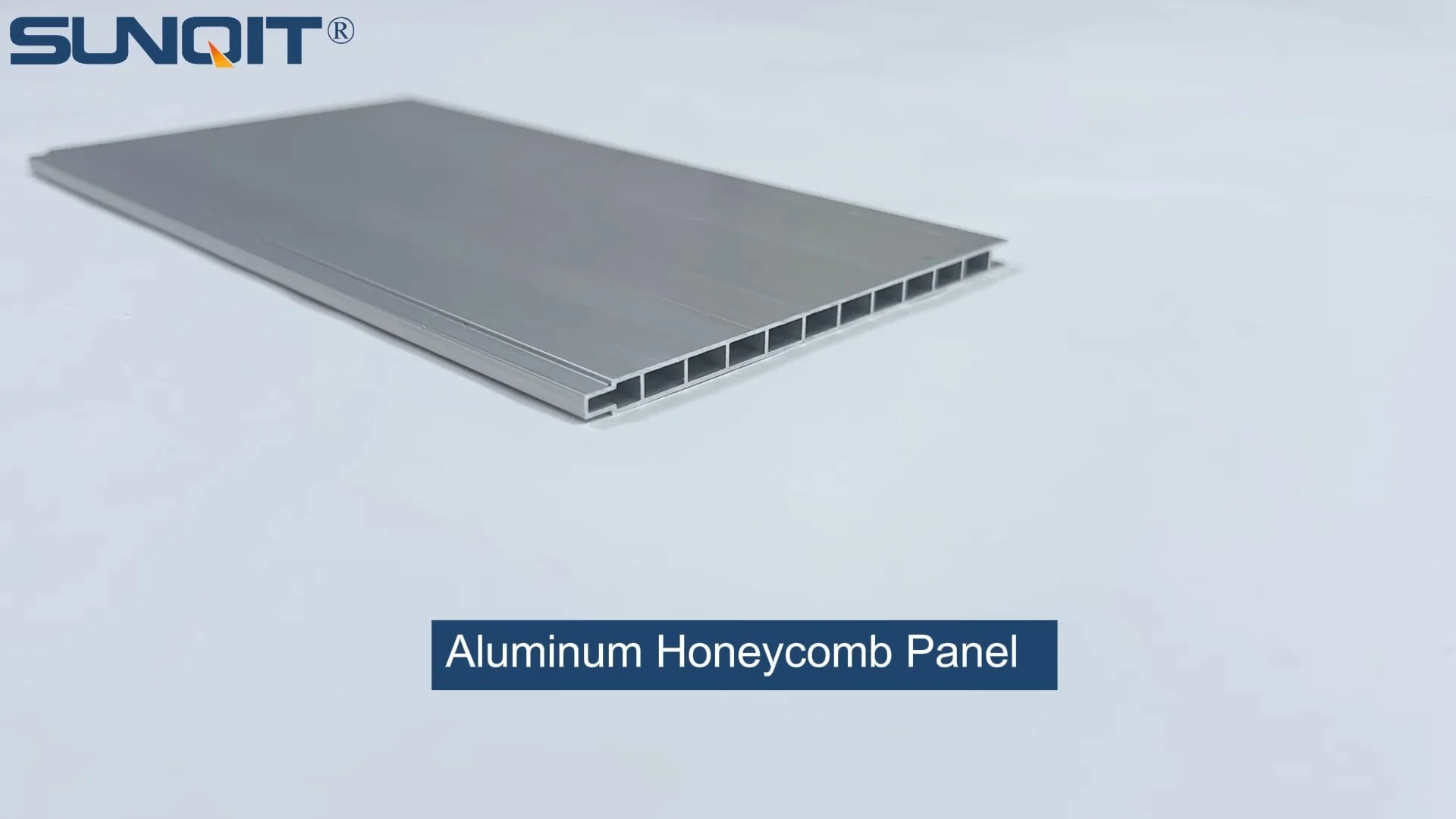
Aluminum Honeycomb Panel
Aluminum honeycomb panel used as table top, side wall, it is connected one pcs by one pcs from the side slot to make a full pieces.This panel width 105mm, 55mm, 35mm are optional for slection.
In the world of manufacturing, every decision—from material selection to production workflows—shapes the quality, cost, and competitiveness of the final product. For decades, manufacturers across industries have grappled with a common challenge: finding materials that offer the perfect balance of strength, lightness, and affordability. Enter aluminum honeycomb panels—a game-changing solution that's quietly revolutionizing how products are designed, built, and delivered. Whether you're crafting aerospace components, building furniture, or assembling industrial workbenches, understanding these panels could be the key to unlocking new levels of efficiency and innovation. Let's dive into what makes aluminum honeycomb panels so special, and why they've become a go-to choice for forward-thinking manufacturers.
What Are Aluminum Honeycomb Panels? Breaking Down the Basics
At first glance, an aluminum honeycomb panel might look like any other flat sheet of material. But peel back the layers (metaphorically, of course), and you'll discover a marvel of engineering inspired by nature's own efficiency—the honeycomb structure. These panels are composite materials designed to maximize strength while minimizing weight, consisting of three core components working in harmony.
The Anatomy of an Aluminum Honeycomb Panel
The Honeycomb Core: The star of the show, the core is precisely engineered into a hexagonal grid pattern—just like a beehive. This isn't just for aesthetics; the hexagonal shape is mathematically optimized to distribute weight and stress evenly across the panel. Typically made from thin aluminum foil, the core is lightweight but incredibly rigid, acting as a internal skeleton that resists bending and compression.
Face Sheets: Sandwiched on either side of the honeycomb core are two thin, durable face sheets. These are usually made from aluminum alloys (like 3003 or 5052 series), chosen for their strength, corrosion resistance, and ability to bond securely with adhesives. Depending on the application, face sheets can vary in thickness—thinner for lightweight needs, thicker for heavy-duty use.
Adhesive Layer: The unsung hero holding everything together is a high-performance adhesive. This layer bonds the face sheets to the honeycomb core, ensuring the entire structure acts as a single, unified panel. Modern adhesives are formulated to withstand temperature extremes, moisture, and mechanical stress, making the panel durable even in harsh environments.
Together, these components create a material that defies the "heavier = stronger" myth. Think of it this way: if a solid aluminum sheet were a brick wall, an aluminum honeycomb panel would be a skyscraper—tall, strong, and surprisingly light because it's built with smart, space-efficient internal structure.
From Raw Materials to Finished Product: The Manufacturing Process
Creating an aluminum honeycomb panel isn't just about stacking layers—it's a (precision) process that requires careful planning, specialized equipment, and attention to detail. Let's walk through how these panels go from raw materials to ready-to-use components in your manufacturing line.
Step 1: Crafting the Honeycomb Core
The process starts with thin aluminum foil, usually 0.03 to 0.1 mm thick. This foil is first coated with a heat-activated adhesive in a specific pattern—only on the areas that will bond to adjacent layers. The coated foil is then stacked into blocks, with each layer rotated 90 degrees to create the hexagonal pattern when expanded. Once stacked, the blocks are heated in an oven, activating the adhesive and bonding the layers together. Finally, the block is slowly expanded, stretching the layers into the iconic honeycomb grid. The result? A lightweight, rigid core ready to be cut into custom sizes.
Step 2: Preparing the Face Sheets
While the core is taking shape, the face sheets are being prepped. Manufacturers start with aluminum coils or sheets, often using aluminum extrusion profiles for consistency and strength. These sheets are cleaned to remove any oils, oxides, or contaminants—critical for ensuring a strong bond with the adhesive. Depending on the application, face sheets might also be treated with coatings (like anodizing or powder coating) for extra corrosion resistance or a specific finish.
Step 3: Bonding the Layers
Now comes the moment when everything comes together. The honeycomb core is placed between the two face sheets, with adhesive applied to both the core's top and bottom surfaces. The entire assembly is then placed in a press—either a vacuum press or a hot press—where heat and pressure are applied to cure the adhesive. This step is delicate; too much pressure could crush the core, while too little might result in weak bonding. Skilled technicians monitor temperature and pressure closely to ensure the panel cures evenly.
Step 4: Finishing Touches
Once cured, the panel is trimmed to its final dimensions using precision cutting tools. Edges may be sealed with a protective material to prevent moisture from seeping into the core, and additional treatments (like painting or laminating) can be applied based on customer specs. The end result is a flat, lightweight panel that's ready to be integrated into everything from aircraft interiors to industrial workbenches.

Why Manufacturers Swear By Them: Key Properties That Matter
What makes aluminum honeycomb panels stand out in a crowded market of materials? It's all in their unique set of properties, tailored to solve real-world manufacturing challenges. Let's break down the most important ones.
Strength-to-Weight Ratio: The Ultimate Manufacturing Advantage
Imagine lifting a solid aluminum sheet that's 10mm thick versus an aluminum honeycomb panel of the same size and thickness. Chances are, the honeycomb panel will feel significantly lighter—yet it will be just as strong, if not stronger. That's because the honeycomb core distributes stress across its hexagonal cells, meaning the panel can withstand bending, compression, and impact without adding unnecessary weight. For manufacturers, this translates to easier handling on the production line, lower shipping costs, and end products that are lighter (think: more fuel-efficient vehicles or easier-to-install furniture).
Thermal and Acoustic Insulation: Beyond Just Strength
Aluminum honeycomb panels aren't just tough—they're also surprisingly good at keeping heat and noise in (or out). The air pockets within the honeycomb core act as natural insulators, slowing the transfer of heat. This makes them ideal for applications where temperature control is key, like refrigeration units or building facades. Similarly, the core's structure absorbs sound waves, reducing noise transmission—a boon for manufacturing facilities looking to create quieter work environments or for products like acoustic enclosures.
Corrosion Resistance and Durability
Aluminum naturally forms a protective oxide layer, making it resistant to rust and corrosion. When paired with coatings like anodizing or powder coating, aluminum honeycomb panels become even more resilient, standing up to moisture, chemicals, and harsh weather conditions. This durability means products made with these panels last longer, reducing the need for replacements and keeping maintenance costs low for both manufacturers and end-users.
Fire Resistance: Safety First
In industries like construction or transportation, fire safety is non-negotiable. Aluminum honeycomb panels excel here too. Aluminum has a high melting point (around 660°C), and the honeycomb structure doesn't contribute to flame spread. Many panels are also tested to meet strict fire ratings, making them a safe choice for applications where compliance with building codes or safety standards is critical.
| Property | Aluminum Honeycomb Panel | Solid Aluminum Sheet | Plywood | Steel Sheet |
|---|---|---|---|---|
| Weight (kg/m², 10mm thick) | 4-8 | 27 | 6-10 | 78.5 |
| Strength (Bending Rigidity) | High | High | Medium | Very High |
| Thermal Insulation | Good | Poor | Good | Poor |
| Corrosion Resistance | Excellent | Good | Poor (untreated) | Poor (without coating) |

Where Aluminum Honeycomb Panels Shine: Real-World Applications
Aluminum honeycomb panels aren't a one-trick pony—their versatility has made them a staple in industries ranging from aerospace to furniture. Let's explore how manufacturers are putting these panels to work, and why they're becoming indispensable in each sector.
Aerospace and Automotive: Lightweighting for Performance
In aerospace, every gram counts. That's why aluminum honeycomb panels are used in aircraft interiors—from cabin walls to overhead bins—reducing overall weight and improving fuel efficiency. Similarly, automakers are turning to these panels for floorboards, door panels, and trunk lids, helping meet strict emissions standards by cutting vehicle weight without sacrificing safety.
Construction: Building Smarter, Greener Structures
Architects and builders love aluminum honeycomb panels for their combination of strength, lightness, and design flexibility. They're used in facades, ceilings, and partitions, allowing for larger spans and unique shapes that would be impossible with heavier materials. Plus, their thermal insulation properties help buildings stay cooler in summer and warmer in winter, reducing energy costs—a win for both the environment and building owners.
Furniture and Industrial Workbenches: Durability Meets Design
Walk into a modern workshop or office, and you might be sitting at or working on an aluminum honeycomb panel without even realizing it. Furniture manufacturers use these panels for table tops, cabinet doors, and shelving, creating pieces that are lightweight (easy to move) yet sturdy enough to handle daily use. In industrial settings, they're a favorite for workbenches—resistant to scratches, heat, and chemicals, and compatible with aluminum profile accessories for adding tool holders, shelves, or lighting.
Electronics and Material Handling: Precision and Efficiency
In electronics manufacturing, clean rooms and assembly lines demand materials that are non-contaminating and easy to clean. Aluminum honeycomb panels fit the bill, often used in workstations and material racks where precision and hygiene are critical. Their rigidity also makes them ideal for roller tracks and conveyor systems, ensuring smooth, consistent movement of components during production.
The Manufacturer's Edge: Benefits Beyond the Material
For manufacturers, choosing a material is about more than just its physical properties—it's about how that material impacts every stage of the production process, from design to delivery. Aluminum honeycomb panels offer a host of advantages that go beyond strength and weight, making them a strategic choice for businesses looking to stay competitive.
Design Flexibility: Custom Solutions for Unique Needs
No two manufacturing projects are the same, and aluminum honeycomb panels adapt accordingly. They can be cut into any shape—circles, curves, even complex geometries—using standard tools like CNC routers or laser cutters. Thickness can be adjusted by changing the core size or face sheet thickness, and finishes range from matte to high-gloss, anodized to painted. This flexibility means manufacturers can create custom solutions without compromising on performance.
Cost Savings: Long-Term Efficiency
It's true: aluminum honeycomb panels may have a higher upfront cost than materials like plywood or MDF. But look at the bigger picture, and the savings add up fast. Lighter weight reduces shipping and handling costs. Durability means fewer replacements. Thermal insulation lowers energy bills for end-users. And because they're easy to work with, production times are shorter, freeing up labor for other tasks. For manufacturers, this translates to better profit margins and happier customers.
Sustainability: A Greener Choice for the Planet
Sustainability isn't just a buzzword—it's a priority for manufacturers and consumers alike. Aluminum honeycomb panels check this box too. Aluminum is 100% recyclable, with no loss in quality, and the honeycomb structure uses minimal material, reducing waste. Many suppliers also use eco-friendly adhesives and coatings, making the panels a responsible choice for companies looking to reduce their environmental footprint.
Choosing the Right Partner: How to select an Aluminum Extrusion Profile Supplier
Not all aluminum honeycomb panels are created equal, and the right supplier can make all the difference in the quality and success of your project. Here's what to look for when choosing a partner:
Quality Certifications: Proof of Excellence
A reputable supplier should have certifications like ISO 9001 (quality management) and ISO 14001 (environmental management), as well as industry-specific certifications (e.g., aerospace standards like AS9100). These certifications ensure the supplier follows strict processes for material sourcing, production, and testing.
Production Capacity and Customization
Whether you need small batches or large-scale production, your supplier should have the capacity to meet your deadlines. Ask about lead times, minimum order quantities, and customization options—can they adjust core size, face sheet thickness, or finishes to match your specs? A good aluminum extrusion profile supplier will work with you to tailor panels to your exact needs.
Material Sourcing: The Foundation of Quality
The best panels start with high-quality raw materials. Ask your supplier where they source their aluminum—reputable suppliers use premium alloys from trusted mills. Also, inquire about their adhesive selection; high-performance adhesives are critical for long-term bonding and durability.
Customer Support: From Inquiry to After-Sales
Manufacturing can be complex, and you need a supplier who's there to help. Look for a team that offers technical support, helps with design questions, and provides clear communication throughout the process. After-sales support is equally important—will they assist with installation tips or address any issues that arise?
Installing Aluminum Honeycomb Panels: Tips for Success
Even the best materials can underperform if installed incorrectly. Here are some practical tips to ensure your aluminum honeycomb panels perform at their best:
Handling and Storage: Protect Your Investment
Aluminum honeycomb panels are lightweight, but they're still delicate. Always lift them with support across their entire surface to avoid bending. Store them flat on a clean, dry surface, and avoid stacking heavy objects on top. If storing outdoors, cover them to protect from rain or direct sunlight.
Cutting and Fabrication: Tools and Techniques
Cutting honeycomb panels is similar to cutting solid aluminum, but with a few tweaks. Use a circular saw with a fine-tooth blade or a CNC router for clean edges. For intricate shapes, laser cutting is ideal. Always wear safety gear—gloves, goggles, and a dust mask—to protect against aluminum dust.
Joining and Assembly: Using Aluminum Profile Accessories
When attaching panels to frames or other components, use aluminum profile accessories like brackets, screws, or adhesives designed for composite materials. Avoid over-tightening screws, as this can crush the core. For structural joints, consider using mechanical fasteners combined with adhesive for extra strength.
Conclusion: Transforming Manufacturing with Aluminum Honeycomb Panels
Aluminum honeycomb panels are more than just a material—they're a tool for innovation. By combining strength, lightness, and versatility, they empower manufacturers to create better products, streamline production, and stay ahead in a competitive market. Whether you're building aircraft, furniture, or industrial workbenches, these panels offer a path to greater efficiency, sustainability, and creativity. So, the next time you're looking to upgrade your manufacturing process, consider the humble honeycomb—nature's design, reimagined for the modern factory.