- Company Articles
- Products and Technology
- Product knowledge
- What Are Stainless Steel Swivel Roller Balls 1 Inch? Key Features & Applications

What Are Stainless Steel Swivel Roller Balls 1 Inch? Key Features & Applications
Related Product
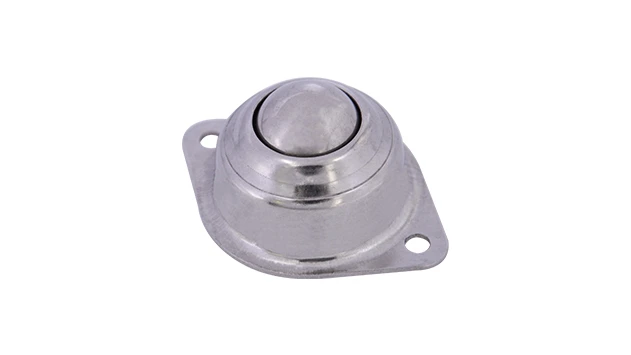
Stainless Steel Swivel Roller Balls 1 Inch
Swivel roller ball casters are convenient and flexible to roll,high-speed and stable operation, used for rotating and changing the direction of the conveyor.Ball transfer unit is made of high quality carbon steel, anti-corrosion and wear resistance.
In the bustling world of manufacturing, where every second counts and efficiency is the backbone of productivity, small components often play the most critical roles. Imagine a factory floor where heavy (materials) glide effortlessly across workbenches, delicate parts move smoothly along conveyor lines, and workers spend less time pushing and more time creating—this seamless flow is often powered by a humble yet mighty tool: the stainless steel swivel roller ball. Today, we're diving deep into one of the most versatile options in this category: the 1 inch stainless steel swivel roller ball. From its core design to real-world applications, let's explore how this tiny component becomes a game-changer for industries ranging from 3C assembly to (warehousing and logistics).
Understanding Stainless Steel Swivel Roller Balls 1 Inch
At first glance, a stainless steel swivel roller ball might seem simple, but its design is a testament to engineering precision. As the name suggests, these are small, spherical components made from high-grade stainless steel, with a diameter of 1 inch (25.4mm). What sets them apart is their "swivel" capability—each ball is mounted in a housing that allows 360-degree rotation, enabling (materials) to slide, glide, or rotate in any direction with minimal friction.
Unlike fixed casters or rigid rails, these roller balls distribute weight evenly across multiple contact points, reducing the force needed to move items. They're typically installed in arrays on surfaces like conveyor beds, workbench tops, or material racks, creating a "floating" effect that makes even bulky items feel lightweight. For manufacturers, this translates to faster workflows, reduced physical strain on workers, and fewer bottlenecks in production lines.
Key Features of 1 Inch Stainless Steel Swivel Roller Balls
What makes the 1 inch stainless steel swivel roller ball stand out in the crowded market of industrial components? Let's break down its core features and why they matter for your operations:
| Feature | Specification | Benefit to Your Operation |
|---|---|---|
| Premium Stainless Steel Construction | 304-grade stainless steel | Resists rust, corrosion, and chemical damage—ideal for humid environments (e.g., medical device assembly) or areas with frequent cleaning. |
| 1 Inch Diameter | 25.4mm standard size | Balances load capacity and surface contact: large enough to handle 10-50kg per ball, small enough to fit tight spaces in workbenches or flow racks. |
| 360° Swivel Design | Full rotational freedom | Materials can move in any direction (forward, backward, side-to-side), perfect for multi-directional workflows like kitting stations or assembly cells. |
| Precision Bearing System | Sealed ball bearings | Ensures smooth, quiet rotation with minimal friction—no jamming or sticking, even after months of heavy use. |
| Polished Surface Finish | Mirror-like, burr-free surface | Prevents scratches on delicate parts (e.g., 3C electronics, medical components) and makes cleaning easy—simply wipe away dust or debris. |
| Versatile Installation | Screw-on/bolt-on mounting options | Compatible with various surfaces: aluminum profiles, wooden workbenches, steel racks, or custom lean pipe systems. |
*Load capacity may vary based on installation density (e.g., 10 balls per square foot can support up to 500kg total).

Practical Applications: Where These Roller Balls Shine
Stainless steel swivel roller balls aren't just a "nice-to-have"—they're a "need-to-have" in industries where efficiency and reliability are non-negotiable. Let's explore how they integrate with common manufacturing setups and solve real-world challenges:
1. Flow Racks & Material Handling
In warehouses and distribution centers, flow racks are the backbone of first-in-first-out (FIFO) inventory management. When paired with 1 inch stainless steel swivel roller balls, these racks become even more powerful. The balls line the inclined rails of the rack, allowing boxes or totes to slide forward as items are picked from the front. Unlike traditional gravity rollers, the 360° swivel design prevents jamming if a tote is slightly misaligned, ensuring a steady flow of materials to picking stations. This is especially valuable for high-turnover items like electronics components or automotive parts, where delays can halt entire production lines.
2. ESD Workbenches & Assembly Stations
For ESD workbenches in 3C assembly (think smartphones, laptops, or circuit boards), static control is critical. These roller balls are often integrated into ESD-safe table tops, where they provide a conductive path to ground—preventing electrostatic discharge that could damage sensitive microchips. Workers can glide PCBs or small components across the bench without worrying about static buildup, while the stainless steel construction ensures compatibility with ESD mats and grounding systems. It's a small detail that makes a big difference in reducing defective products.
3. Conveyor Systems & Production Lines
On conveyor lines, especially those handling irregularly shaped items (e.g., plastic molds, metal brackets), swivel roller balls offer unmatched flexibility. Unlike belt conveyors that restrict movement to a single direction, conveyor beds fitted with these balls allow operators to rotate, reposition, or side-shift items mid-flow. For example, in automotive part assembly, a worker can easily spin a car door panel 180° on a ball-equipped conveyor section to access both sides—eliminating the need to lift and flip heavy parts manually. This not only speeds up assembly but also reduces the risk of workplace injuries.
4. Medical Device Manufacturing
Medical facilities demand strict hygiene standards, and stainless steel roller balls rise to the challenge. In cleanrooms or medical device assembly areas, these balls are resistant to harsh disinfectants (like alcohol or bleach) and can withstand frequent wipe-downs. They're often used in custom lean solutions for transporting sterile kits or surgical instruments, where smooth, contamination-free movement is non-negotiable. The corrosion-resistant properties also ensure longevity, even in high-moisture environments like pharmaceutical packaging lines.
5. Custom Lean Solutions
Every manufacturing floor is unique, which is why these roller balls excel in custom lean solutions . Whether you're building a modular workbench, a mobile turnover trolley, or a specialized testing station, the balls can be spaced and arranged to fit your exact needs. For example, a medical equipment manufacturer might design a U-shaped assembly line with ball-equipped work surfaces, allowing workers to pass tools and parts between stations with minimal effort. The "reusable, (sustainably improvable)" lean (philosophy) comes to life here—if your workflow changes next year, you can easily reconfigure the ball layout instead of replacing the entire setup.

Why Choose 1 Inch Stainless Steel Swivel Roller Balls Over Alternatives?
With so many material handling components available—plastic rollers, nylon casters, rigid rails—what makes these stainless steel swivel balls the right choice? Here's how they stack up:
- Durability vs. Plastic Rollers: Plastic rollers may be cheaper upfront, but they crack under heavy loads or degrade in high temperatures. Stainless steel balls last 5-10 times longer, making them a smarter long-term investment for high-volume operations.
- Flexibility vs. Fixed Casters: Casters lock into a single direction, limiting movement. Swivel balls allow 360° rotation, which is essential for dynamic workspaces where (materials) need to be repositioned quickly.
- Cleanliness vs. Rubber Components: Rubber rollers can trap dust and debris, making them unsuitable for cleanrooms. Stainless steel's smooth surface is easy to sanitize, making it ideal for medical or food packaging environments.
For manufacturers committed to lean system principles—eliminating waste, improving flow, and empowering workers—these roller balls are a small but powerful tool. They turn static workspaces into dynamic, adaptable environments where every movement adds value, not friction.
Common Questions About Stainless Steel Swivel Roller Balls
Q: Can these roller balls handle heavy loads?
A: Absolutely. Each 1 inch stainless steel roller ball can support 10-50kg, depending on the installation density. For example, a 1m x 1m workbench with 25 balls (spaced 20cm apart) can handle up to 1,250kg—more than enough for most industrial applications.
Q: Are they compatible with aluminum lean pipes?
A: Yes! These roller balls are designed to work seamlessly with aluminum lean pipe systems. They can be mounted on aluminum profile accessories like flat brackets or placon mounts, making them easy to integrate into modular workbenches or material racks.
Q: How do I maintain them?
A: Minimal maintenance is required. Wipe the balls with a damp cloth to remove dust, and occasionally apply a light machine oil to the bearings if rotation feels stiff. The sealed bearing design prevents dirt from entering, so they'll stay smooth for years.
Q: Can they be used outdoors?
A: While 304 stainless steel resists rust, prolonged exposure to saltwater or extreme weather may affect performance. For outdoor use, consider 316-grade stainless steel options (available by request) for enhanced corrosion resistance.
Final Thoughts: Small Component, Big Impact
In the grand scheme of manufacturing, stainless steel swivel roller balls might seem—but their impact is anything but. They're the silent partners that keep production lines moving, reduce worker fatigue, and turn chaotic workspaces into models of efficiency. Whether you're assembling smartphones, packaging medical devices, or managing a warehouse, these 1 inch wonders prove that sometimes the smallest components make the biggest difference.
At the end of the day, manufacturing is about more than just machines and materials—it's about creating systems that work with people, not against them. Stainless steel swivel roller balls embody this idea: simple, reliable, and designed to make every task a little easier. So the next time you see a smooth-moving tote on a flow rack or a worker effortlessly sliding a part across a bench, remember the tiny but mighty roller balls making it all possible.