- Company Articles
- Products and Technology
- Product knowledge
- What Are the Main Components of a Saddle Pipe Clamp? Explained

What Are the Main Components of a Saddle Pipe Clamp? Explained
Related Product
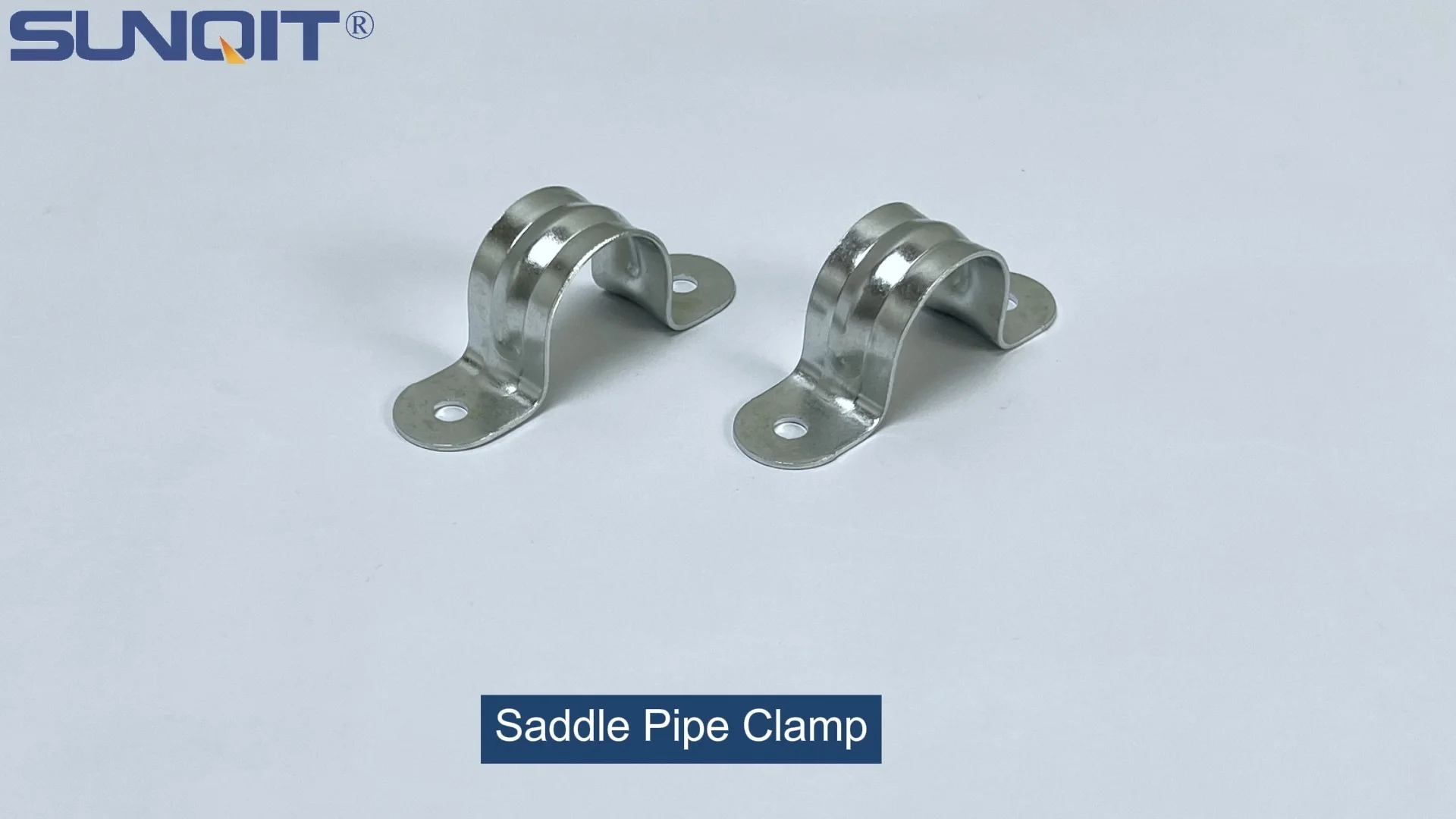
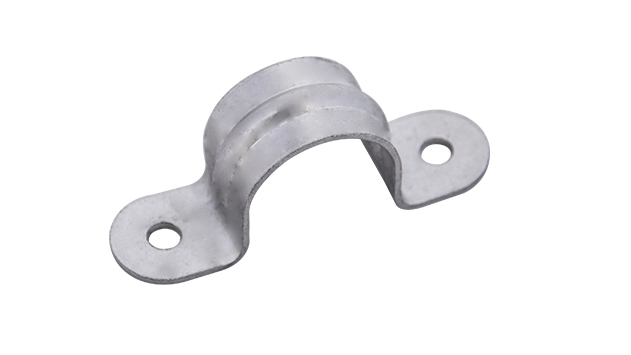
Saddle Pipe Clamp
Saddle pipe clamp, used for board connect with pipe, usually for table top installation.
In the world of manufacturing and industrial setups, it's often the smallest, most unassuming parts that keep everything running smoothly. Take the saddle pipe clamp, for example. You might not notice it at first glance, but this humble component is the unsung hero behind sturdy workbenches, efficient flow racks, and reliable conveyor systems in factories and warehouses worldwide. Designed to secure pipes—especially lean pipe , the backbone of modular industrial structures—saddle pipe clamps ensure stability, flexibility, and safety in dynamic work environments. But what exactly makes up a saddle pipe clamp? Let's dive into its main components, how they work together, and why each part matters in keeping your operations on track.
Understanding the Role of Saddle Pipe Clamps in Lean Systems
Before we break down the components, let's quickly recap why saddle pipe clamps are so essential. In lean manufacturing, where adaptability and efficiency are key, lean pipe systems (often made of aluminum or steel) are used to build everything from workstations to material handling racks. These systems rely on modularity—meaning they can be easily reconfigured, expanded, or repurposed as needs change. Saddle pipe clamps are the "glue" that holds these systems together. They fasten lean pipes to frames, workbenches, or other structures, ensuring the setup stays rigid under load but can still be disassembled when it's time for a redesign.
Think of it this way: A lean pipe workbench without a secure clamp is like a bookshelf with loose screws—sooner or later, it'll wobble, sag, or even collapse. Saddle pipe clamps prevent that by distributing weight evenly and locking pipes in place, even during the hustle and bustle of a busy production floor. Now, let's look at the parts that make this possible.
The Core Components of a Saddle Pipe Clamp
1. The Saddle Body: The Curved "Hug" That Grips the Pipe
At the heart of every saddle pipe clamp is the saddle body —the curved, U-shaped part that wraps around the lean pipe. This is where the clamp gets its name: "saddle" because it sits on top of the pipe like a horse's saddle. The shape isn't random; it's carefully designed to match the outer diameter of standard lean pipes (typically 28mm, 30mm, or 40mm, depending on the application). A well-fitted saddle body ensures maximum contact with the pipe, reducing slippage and distributing pressure evenly to avoid damaging the pipe's surface.
Materials matter here. Saddle bodies are often made from aluminum (for lightweight setups), steel (for heavy-duty use), or plastic-coated steel (for corrosion resistance). Aluminum pipe clamps, for instance, are popular in cleanrooms or food processing facilities because they're rust-proof and easy to sanitize. Steel saddle bodies, on the other hand, are a go-to for automotive or construction environments where the clamp might need to support hundreds of pounds of equipment.
Fun fact: Some saddle bodies have a textured or rubberized inner surface. This isn't just for grip—it also acts as a buffer, preventing metal-on-metal friction that could scratch the lean pipe or cause squeaking during adjustments. In noisy factories, that small detail makes a big difference in workplace comfort!
2. The Clamping Mechanism: Tightening Up for a Secure Hold
What good is a saddle body if it can't lock the pipe in place? That's where the clamping mechanism comes in. This component is responsible for tightening the saddle body around the pipe, creating a firm, non-slip connection. Most clamps use a bolt-and-nut system, but the design can vary based on how easy it needs to be to adjust.
Here's how it works: The saddle body has two "arms" that extend from the curved part. These arms have holes for a bolt, which is threaded through and secured with a nut. When you tighten the nut, the arms squeeze together, pulling the saddle body tighter around the pipe. It's simple, but effective—like using a belt to cinch a pair of pants, but for industrial pipes.
Some clamps take this a step further with lean pipe joint -style adjustments. For example, thumb screws (instead of standard bolts) allow workers to tighten or loosen the clamp by hand, no tools required. This is a game-changer in lean setups, where teams might need to reconfigure a workstation in minutes to accommodate a new product line. Imagine having to hunt for a wrench every time you need to move a pipe—thumb screws turn a 10-minute task into a 30-second one.
3. The Mounting Base: Anchoring the Clamp to a Surface
A saddle pipe clamp doesn't just hold a pipe—it also needs to attach to something solid, like a workbench frame, a wall, or the leg of a material rack. That's the job of the mounting base : a flat, plate-like extension of the saddle body that bolts or screws into the supporting structure.
Mounting bases come in different shapes. Some are small and compact, designed for tight spaces (like under a workbench), while others are larger with multiple holes for extra stability. For example, a clamp used on a heavy-duty conveyor might have a base with four screw holes, ensuring it doesn't pull away from the frame when loaded with boxes. On the flip side, a lightweight aluminum workbench might use a simpler, two-hole base to save weight.
Compatibility is key here. The mounting base needs to align with the holes or slots in the supporting structure. If you're using aluminum extrusion profiles (another common component in lean systems), the base might have tabs that fit into the profile's T-slots, making installation a breeze. No drilling required—just slide the base into the slot and tighten a screw. It's these small design choices that make lean systems so user-friendly.
4. Anti-Slip Features: Preventing Movement
Even with a tight clamp, pipes can sometimes slip—especially if they're smooth or if the load shifts suddenly. That's why many saddle pipe clamps include anti-slip features to add extra grip. The most common is a rubber or plastic insert lining the inside of the saddle body. This insert conforms to the pipe's surface, creating friction that resists twisting or sliding.
Another anti-slip trick is serrated edges on the saddle body. These tiny, tooth-like ridges dig into the pipe (gently, so they don't damage it) when the clamp is tightened, acting like mini anchors. This is especially useful for vertical pipes, which are more prone to slipping than horizontal ones. Imagine a flow rack where boxes slide down roller tracks—if the lean pipe supporting the track slips, the whole rack could tilt, sending products crashing to the floor. Anti-slip features prevent that nightmare scenario.
5. Finish and Coating: Protecting Against Wear and Tear
Last but not least, the finish or coating of a saddle pipe clamp might not seem like a "component," but it's critical for durability. Industrial environments are tough—pipes get bumped, chemicals might spill, and moisture can lead to rust. A good coating protects the clamp from these hazards, extending its lifespan.
For steel clamps, zinc plating is a popular choice. It creates a barrier against rust, making the clamp suitable for damp areas like warehouses or outdoor loading docks. Aluminum clamps, which are naturally corrosion-resistant, might have an anodized finish—a process that thickens the metal's oxide layer, making it even more durable and scratch-resistant. Some clamps even come with a plastic coating, which adds grip (hello, anti-slip benefits!) and protects the lean pipe from scratches during installation.
How the Components Work Together: A Real-World Example
To see these components in action, let's walk through a common scenario: building a flow rack for an electronics assembly line. The goal is to create a sloped rack where circuit board components slide down to workers at their stations, reducing the need for manual lifting.
First, the frame is built using aluminum pipe (lightweight and easy to work with). To attach the roller tracks (which the components slide on) to the frame, workers use saddle pipe clamps. Here's how each part plays a role:
- The saddle body wraps around the horizontal aluminum pipe of the frame, its curved shape matching the pipe's 30mm diameter.
- The clamping mechanism (a thumb screw, in this case) is tightened by hand, squeezing the saddle body until it grips the pipe firmly—no tools needed, so the team can adjust the angle of the roller track on the fly.
- The mounting base, which is attached to the roller track, is bolted to the saddle body. The base has serrated edges that bite into the track, preventing it from shifting under the weight of sliding components.
- A rubber insert in the saddle body ensures the aluminum pipe doesn't scratch or slip, even as components zip down the track all day.
- The zinc-plated finish on the clamp protects it from the occasional spills of cleaning solution used to keep the electronics area sterile.
Without any one of these components, the setup would fail. A loose clamping mechanism? The roller track would sag. No mounting base? The clamp would have nothing to anchor to. A cheap finish? The clamp would rust, weakening its grip over time. It's the synergy of these parts that makes the flow rack reliable, safe, and easy to modify.

Comparing Saddle Pipe Clamp Types: A Quick Reference Table
Not all saddle pipe clamps are created equal. Depending on your needs—whether you're building a lightweight workbench or a heavy-duty conveyor—you'll want to choose the right type. Here's a handy table comparing common options:
| Clamp Type | Primary Material | Pipe Diameter Compatibility | Best For | Key Advantage |
|---|---|---|---|---|
| Standard Aluminum Saddle Clamp | Aluminum | 28mm–40mm lean pipe | Cleanrooms, lightweight workbenches | Corrosion-resistant, lightweight, easy to sanitize |
| Heavy-Duty Steel Saddle Clamp | Zinc-plated steel | 30mm–50mm steel lean pipe | Conveyors, industrial racks (500+ lbs load) | High strength, withstands heavy impacts |
| Plastic-Coated Steel Clamp | Steel with PVC coating | 28mm–35mm aluminum/steel pipe | Assembly lines with sensitive parts (e.g., glass, electronics) | Non-marring (no scratches), extra grip |
| Tool-Free Thumb Screw Clamp | Aluminum or steel | 28mm–40mm lean pipe | Quick-change setups (e.g., seasonal product lines) | No wrench needed—adjust by hand in seconds |

Why Quality Components Matter: Avoiding Common Pitfalls
Now that you know what goes into a saddle pipe clamp, let's talk about why cutting corners on quality is a bad idea. A cheap clamp with flimsy components can lead to:
Slippage and Instability
A poorly designed saddle body (e.g., one with a generic curve that doesn't match your pipe's diameter) won't grip properly. Over time, the pipe will rotate or slide, causing the entire setup to wobble. This isn't just annoying—it's dangerous. A worker leaning on a wobbly workbench could lose balance, or a falling material rack could damage products (or worse, injure someone).
Premature Wear
Low-quality materials or finishes don't hold up. A steel clamp without proper zinc plating will rust in humid conditions, weakening the metal until the bolt snaps. A plastic coating that chips off will leave the pipe vulnerable to scratches, which can harbor bacteria in food processing environments.
Wasted Time and Money
Imagine spending hours building a lean pipe system, only to have clamps fail a week later. You'll have to take everything apart, buy new clamps, and rebuild—costing time and money that could have been avoided with a quality product. In lean manufacturing, where downtime is the enemy, this is a critical consideration.
Final Thoughts: The Unsung Hero of Lean Systems
Saddle pipe clamps might not get the same attention as flashy new robots or high-tech conveyor systems, but they're the backbone of efficient, adaptable manufacturing setups. From the curved saddle body that hugs the pipe to the thumb screw that lets you adjust on the fly, every component plays a role in keeping your operations running smoothly.
So the next time you walk past a lean pipe workbench or a flow rack, take a second to appreciate the saddle pipe clamps holding it all together. They're small, but they're mighty—and they're proof that in manufacturing, the details truly matter.
Whether you're building a simple workstation or a complex conveyor system, choosing the right saddle pipe clamp (with quality components) is an investment in safety, efficiency, and peace of mind. After all, a lean system is only as strong as its weakest link—and with a good saddle pipe clamp, that link will never be the one that breaks.