- Company Articles
- Products and Technology
- Product knowledge
- What Causes 4080 Aluminum Profile End Caps to Crack? Prevention Tips

What Causes 4080 Aluminum Profile End Caps to Crack? Prevention Tips
Related Product
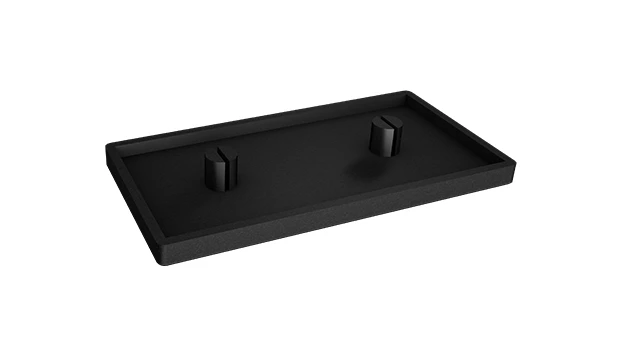
4080 Aluminum Profile End Cap
The aluminum profile end cap adds a finishing touch to your project and closes off profile ends to limit dust and debris buildup, also it can avaid some scratch for material and labor during the assemble work.
Picture this: It's a typical Tuesday morning on the assembly line. Maria, a seasoned production supervisor, notices something off about the aluminum workbench frames—tiny cracks snaking across the end caps of the 4080 aluminum profiles. At first, she brushes it off as a minor flaw, but by afternoon, two more end caps have split, causing parts to get stuck in the frame. Suddenly, that "minor flaw" is threatening to slow down the entire production schedule. If you've ever worked with aluminum extrusion profiles, you know how critical even the smallest components like end caps can be. These unassuming pieces seal the ends of aluminum profiles, protect workers from sharp edges, and keep debris from clogging T-slots. But when they crack, the consequences ripple through efficiency, safety, and costs. Let's dive into why 4080 aluminum profile end caps crack and how to stop it from happening.
Understanding 4080 Aluminum Profile End Caps
Before we unpack the causes of cracking, let's get clear on what 4080 aluminum profile end caps are and why they matter. First, the 4080 aluminum extrusion profile itself is a workhorse in manufacturing. Named for its dimensions (40mm width x 80mm height), it's prized for its strength-to-weight ratio, making it ideal for building workbenches, material racks, conveyors, and machine frames. Its T-slot design allows for easy assembly with aluminum profile accessories, but those open ends? That's where end caps come in.
End caps are small, often plastic or aluminum covers that snap, screw, or press-fit into the open ends of the profile. Their job sounds simple—seal the end—but their impact is big:
-
Safety:
They smooth sharp edges, preventing cuts during assembly or maintenance.
-
Debris Protection:
Dust, coolant, and small parts can't sneak into the profile, which could jam T-slots or corrode internal surfaces.
-
Structural Support:
In some cases, they reinforce the profile's end, especially under load.
-
Aesthetics:
A clean, capped end gives finished products a professional look, important for customer-facing equipment.
Most end caps are made of plastic (like nylon or ABS) for cost and flexibility, but metal options exist for heavy-duty use. Now, let's explore why these components sometimes fail.
Common Causes of 4080 Aluminum Profile End Cap Cracking
Cracking rarely happens for a single reason. It's often a mix of material, installation, and environmental factors. Let's break down the most frequent culprits.
1. Material Quality: Cutting Corners on Raw Materials
Not all end caps are created equal. Many manufacturers, especially budget-focused ones, use low-grade plastics or recycled materials to cut costs. These materials lack the tensile strength and flexibility needed to withstand daily stress. For example, recycled plastic might have impurities that create weak points, or a poor polymer blend could make the end cap brittle, especially in cold temperatures. Even metal end caps can fail if they're cast with air bubbles or contain too many impurities—common in off-brand products from suppliers with lax quality control.
Aluminum end caps, while stronger, aren't immune. If the aluminum extrusion profile used for the end cap has inconsistent thickness or contains alloys that reduce ductility, it may crack under even moderate pressure. The key here? The source. Working with a reputable aluminum profile supplier is half the battle—they're more likely to use certified materials and test for durability.
2. Installation Errors: Too Tight, Too Loose, or Just Wrong
Even the best end caps will fail if installed poorly. Let's start with over-tightening. Many workers assume "tighter is better," buting a screw-in end cap too hard creates stress concentration at the base of the threads or around the mounting points. Over time, this stress weakens the material, leading to hairline cracks that grow with vibration or temperature changes.
Under-tightening is just as bad. A loose end cap shifts slightly with every bump or vibration, causing friction between the end cap and the aluminum profile. This friction wears down the contact points, creating notches that act as starting points for cracks. Misalignment is another issue: if the end cap isn't perfectly centered when installed, one side bears more weight, leading to uneven stress and eventual splitting.
Using the wrong tools exacerbates these problems. A Phillips head screwdriver that's too small can strip the screw head, forcing workers to apply more force to tighten—you guessed it, leading to over-stressing the end cap.
3. Environmental Extremes: Heat, Cold, and Chemicals
Aluminum profiles and their end caps live in tough environments—think factories with high humidity, warehouses with scorching summers, or workshops with frequent temperature swings. Plastic end caps are particularly sensitive to thermal expansion and contraction. In hot weather, they soften and may warp; in cold weather, they become rigid and brittle. Do this enough times, and the material fatigues, leading to cracks.
UV radiation is another silent enemy. If end caps are exposed to direct sunlight (common in outdoor storage or poorly covered work areas), the plastic's molecular structure breaks down over time, a process called photodegradation. This makes the end cap chalky and prone to cracking with minimal force.
Chemicals are equally problematic. Oils, solvents, or cleaning agents used on the production floor can seep into the end cap's pores, weakening the polymer bonds. A quick wipe with a degreaser might seem harmless, but repeated exposure can turn a flexible end cap into a brittle one.
4. Mechanical Stress: More Than They Bargained For
End caps aren't just passive covers—they often bear weight or absorb impact. If the aluminum extrusion profile is part of a workbench, for example, the end cap might support a shelf or tool mount. Exceeding the end cap's load rating is a recipe for failure. Static loads (like a heavy tool left on a shelf) can slowly bend the end cap, while dynamic loads (like dropping a part onto the workbench) deliver sudden impact that cracks brittle materials.
Vibration is another hidden stressor. Machinery on the factory floor vibrates constantly, and that energy transfers to the aluminum profile and its end caps. Over time, this cyclic stress causes metal fatigue (for aluminum end caps) or polymer degradation (for plastic ones), leading to cracks that start small and spread.
5. Manufacturing Defects: Flaws Before They Even Leave the Factory
Sometimes, the problem starts at the source. Poorly designed molds for plastic end caps can create thin spots, uneven walls, or sharp edges—all of which are weak points. For example, a mold with a tiny nick might leave a thin ridge on the end cap; this ridge acts as a stress riser, where cracks begin. Even minor air bubbles in the plastic (from improper injection molding) create voids that weaken the structure.
Metal end caps can have similar issues. Casting defects like porosity (tiny holes) or incomplete filling of the mold leave weak areas. Without strict quality control at the manufacturer, these flawed end caps make their way to customers, who then wonder why they're cracking prematurely.
| Cause Category | Common Symptoms | Why It Happens |
|---|---|---|
| Material Quality | Brittleness, cracks in cold weather | Low-grade plastic, recycled materials, impure aluminum |
| Installation Errors | Cracks around screw holes, uneven wear | Over-tightening, under-tightening, misalignment |
| Environmental Extremes | Warping, chalky texture, cracks after temperature swings | Thermal cycling, UV exposure, chemical contact |
| Mechanical Stress | Cracks spreading from impact points, fatigue lines | Excess load, vibration, repeated impact |
| Manufacturing Defects | Thin spots, air bubbles, sharp edges | Poor mold design, incomplete casting, lax QC |

Prevention Tips: Keeping End Caps Crack-Free
Now that we know what causes cracks, let's talk solutions. Most prevention strategies are simple, cost-effective, and focus on quality, training, and proactive maintenance.
1. Start with Quality: Choose the Right Supplier and Materials
This can't be overstated: work with a trusted aluminum profile supplier. Reputable suppliers test their materials for tensile strength, impact resistance, and thermal stability. Ask for certifications—look for ISO 9001 for quality management or RoHS compliance if you're in electronics (to avoid harmful substances). For plastic end caps, check the material grade: ABS or nylon 6/6 are more durable than generic plastics. If you're unsure, ask for a sample and test it—bend it, freeze it, heat it, and see how it holds up.
Don't skimp on metal end caps if you need them. Aluminum end caps should be made from the same high-quality aluminum extrusion profile as the main frame, ensuring compatibility and strength. A good supplier will also provide data sheets with load ratings and temperature limits—use this information to match the end cap to your environment.
2. Train Your Team on Proper Installation
Installation is a skill, not a guess. Start by creating clear guidelines: specify torque limits for screw-in end caps (most plastic end caps require 2-3 Nm of torque—invest in a torque screwdriver to enforce this). Train workers to check alignment before tightening: the end cap should sit flush with the profile, with no gaps or tilting. For press-fit end caps, use a rubber mallet to tap them in gently—never a steel hammer, which can crack the plastic.
Label tools to avoid mix-ups: a #2 Phillips driver for larger screws, a #1 for smaller ones. And encourage workers to report loose or damaged end caps immediately—catching a loose end cap early prevents friction-related wear and cracks.
3. Protect End Caps from the Environment
Shield end caps from extreme conditions whenever possible. In factories with temperature swings, insulate the aluminum profiles or use end caps with thermal stabilizers (additives that reduce expansion/contraction). For outdoor use or areas with direct sunlight, choose UV-resistant end caps—look for labels like "UV-stabilized" or "weatherproof."
Avoid chemical exposure by storing cleaning agents away from workbenches and frames. If chemicals do spill, wipe them off immediately with a mild detergent and water. For high-humidity areas, consider aluminum end caps, which resist corrosion better than plastic. Even simple steps like covering equipment with tarps during off-hours can extend end cap life.
4. Design for Stress: Reduce Load and Vibration
Sometimes, the solution is in the design. If end caps are cracking under heavy loads, add reinforcement: install a cross-brace near the end of the aluminum profile to share the weight, or use a thicker end cap. For vibrating machinery, add rubber gaskets between the end cap and the profile—this absorbs shock and reduces friction.
Check load ratings! If your workbench holds 500kg, don't use an end cap rated for 300kg. Overloading is a common mistake, especially in busy shops where tools and parts pile up. Mark weight limits clearly on equipment, and train workers to distribute weight evenly—avoid placing all heavy items at the end of a shelf, whichs stress on the end cap.
5. Inspect and replace Proactively
Regular inspections catch cracks before they spread. Add end caps to your maintenance checklist: every week, walk through the facility and check for signs of wear—chips, cracks, looseness, or discoloration. Focus on high-stress areas: workbench corners, conveyor ends, or racks near machinery. replace any end cap with even a small crack—once a crack starts, it will grow, and replacing a $5 end cap is cheaper than repairing a bent aluminum profile or stopping production due to jams.
Keep spare end caps on hand—nothing leads to quick fixes (like over-tightening a cracked end cap) faster than not having replacements available. Store spares in a dry, cool place to prevent degradation before use.

Case Study: How One Factory Solved End Cap Cracking
Let's put this all together with a real example. A mid-sized electronics manufacturer was struggling with end cap cracks on their assembly line workbenches, which used 4080 aluminum extrusion profiles. The cracks were causing small screws and debris to fall into the profiles, jamming the T-slots and slowing down production. The maintenance team initially blamed "cheap plastic," but the problem persisted even after switching to a more expensive brand.
After an audit, they identified three issues:
1.
Supplier Quality:
The new "expensive" end caps were from a no-name supplier—testing showed they were made of recycled plastic with high levels of impurities.
2.
Installation:
Workers were using impact drivers (set to max power) to tighten end caps, far exceeding torque limits.
3.
Vibration:
The workbenches were next to a stamping machine, causing constant vibration that fatigued the plastic.
The solution? They switched to a reputable aluminum profile supplier who provided certified ABS end caps with UV and impact resistance. They trained the team on torque limits (using torque screwdrivers set to 2.5 Nm) and added rubber gaskets between the end caps and profiles to absorb vibration. Within three months, end cap cracks dropped by 90%, and production downtime from jams decreased by 40 hours per month. The total cost? A few hundred dollars for tools and training, and a slightly higher per-unit cost for end caps—easily offset by the savings in maintenance and downtime.
Conclusion: Small Component, Big Impact
4080 aluminum profile end caps might seem like afterthoughts, but their role in keeping production lines running smoothly can't be overstated. Cracks here lead to jams, safety hazards, and costly downtime—but they're almost always preventable. By choosing quality materials from a trusted aluminum profile supplier, training teams on proper installation, protecting against environmental stress, and designing for durability, you can keep those end caps intact and your operations efficient.
Remember: every cracked end cap is a sign of a larger issue—whether it's poor material, bad habits, or a harsh environment. Address it early, and you'll save time, money, and frustration down the line. After all, in manufacturing, the smallest parts often make the biggest difference.