- Company Articles
- Products and Technology
- Product knowledge
- What Causes Chrome Peeling on Four Way Straight Lean Pipe Joints? Prevention Tips

What Causes Chrome Peeling on Four Way Straight Lean Pipe Joints? Prevention Tips
Related Product
Four Way Straight Lean Pipe Joint
Four way lean pipe joint for 4 pcs 28MM lean pipe connection in straight angle, which used widely in workbench, flow rack, hand trolley frame connection.
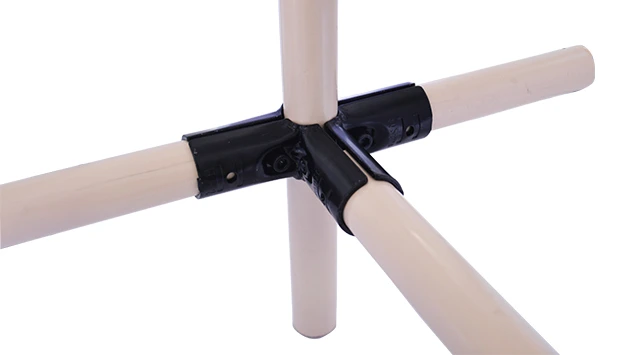
Walk into any busy factory, warehouse, or assembly line, and you'll likely spot a familiar sight: sturdy, interconnected structures made of metal pipes and joints, quietly holding up workbenches, guiding materials along flow racks, or supporting conveyor systems. These are the backbone of lean manufacturing—practical, adaptable, and built to keep operations running smoothly. At the heart of many of these setups are lean pipe joints , the unsung heroes that hold everything together. And among the most versatile of these joints is the four way straight lean pipe joint —a small but critical component that connects four lean pipes at right angles, creating stable frameworks for everything from simple material racks to complex production cells.
But here's a common headache for plant managers and maintenance teams: that shiny chrome finish on these joints starting to peel. One day, it's a tiny chip at the edge; the next, a flaky patch exposing dull gray metal underneath. Not only does it look unprofessional, but it also raises bigger concerns: Is the joint still strong? Will rust set in? Could this lead to equipment failure down the line? If you've ever stared at a peeling four way straight lean pipe joint and wondered, "Why is this happening?"—you're not alone. Chrome peeling is a widespread issue, but it's rarely random. Let's break down the root causes, why they matter, and most importantly, how to stop it from happening in the first place.
First Things First: What Makes Four Way Straight Lean Pipe Joints So Important?
Before diving into the problem, let's clarify why these joints deserve attention. A four way straight lean pipe joint is designed to do exactly what its name suggests: connect four lean pipes (typically aluminum, steel, or plastic-coated metal) in a straight, 90-degree configuration. Think of it as a multi-directional connector—like a plus sign (+) in metal form—that lets you build square or rectangular frames, shelves, or work surfaces with minimal effort. Unlike rigid welding, these joints let you disassemble and reconfigure structures as production needs change, which is why they're a staple in lean systems focused on flexibility and efficiency.
The chrome plating on these joints isn't just for show. Chrome adds a hard, smooth layer that resists scratches, repels moisture, and prevents the underlying metal (often steel or iron) from rusting. It also reduces friction when adjusting or repositioning pipes, making assembly easier. In short, chrome helps these joints last longer, even in the gritty, high-use environments of manufacturing plants. So when that chrome starts to peel, it's not just a cosmetic issue—it's a warning sign that the joint's protective barrier is failing.
The Top 5 Causes of Chrome Peeling on Four Way Straight Lean Pipe Joints
1. Shoddy Plating Quality: When the Finish Was Doomed from the Start
Sometimes, the problem begins long before the joint ever reaches your facility. Chrome peeling can trace back to how the joint was plated at the factory. For chrome to bond properly to metal, the base surface must be meticulously prepared. Imagine trying to paint a dirty wall—no matter how good the paint is, it'll chip off because it can't stick to the grime. The same goes for chrome plating.
Many low-quality joints skip critical prep steps: maybe the metal wasn't cleaned thoroughly, leaving oil, rust, or debris on the surface. Or the plating bath used cheap chemicals, resulting in a thin, weak chrome layer. Even rushing the process—like not letting the metal dry completely before plating—can create tiny bubbles or gaps between the chrome and the base metal. Over time, these weak spots expand, and suddenly, you're staring at peeling chrome.
Real-World Example: A electronics manufacturer in Texas once ordered a batch of four way straight lean pipe joints from a new supplier to cut costs. Within three months, nearly 30% of the joints showed peeling chrome. An inspection revealed the supplier had skipped the "acid etching" step—where the metal is treated to create tiny pores for the chrome to grip. Without that texture, the chrome was basically sitting on top of the metal, waiting to flake off at the first sign of stress.
2. Mechanical Stress: When the Joint Is Pushed Beyond Its Limits
Four way straight lean pipe joints are strong, but they're not indestructible. Every joint has a load capacity—the maximum weight it can safely support without bending or failing. When that limit is ignored, the metal underneath the chrome stretches or bends, and the rigid chrome layer can't keep up. It's like stretching a rubber band with a sticker on it: eventually, the sticker cracks because it can't flex with the band.
Overloading happens more often than you might think. Maybe someone stacks heavy boxes on a shelf supported by the joint, exceeding the recommended weight. Or during assembly, a worker tightens the joint's bolts too much, warping the metal and creating internal stress. Even misalignment—like connecting pipes that aren't perfectly straight—can put uneven pressure on the joint, causing one side to bear more weight than it should. All these scenarios create tiny cracks in the chrome, which grow into peeling patches over time.
3. Environmental Enemies: Moisture, Chemicals, and Temperature Swings
Your facility's environment can be a silent killer of chrome finishes. Let's start with moisture: high humidity or occasional water exposure (like a leaky roof or spilled cleaning solution) seeps into tiny cracks in the chrome. Once it reaches the base metal, it causes rust. As rust expands, it pushes the chrome layer upward, leading to peeling. This is especially common in food processing plants, car washes, or warehouses in humid climates.
Chemicals are another culprit. Oils, solvents, or acidic cleaning agents (think industrial degreasers) can eat away at chrome over time. Even something as simple as using a harsh detergent to wipe down the joint can strip away the protective layer, making it vulnerable to peeling. Temperature swings don't help either: metal expands when hot and contracts when cold. If the chrome and base metal expand at different rates, it creates stress that weakens the bond.
4. Wear and Tear: When Friction and Movement Take Their Toll
Lean systems are built for movement—materials sliding down flow racks, workers adjusting workbenches, trolleys rolling past. All that activity can wear down the chrome on four way straight lean pipe joints. Maybe a forklift bumps into the joint accidentally, scratching the chrome. Or a worker drags a heavy tool across the joint's surface, creating abrasions. Even constant vibration from nearby machinery can loosen the chrome over time, turning small scratches into big peeling patches.
Mobile structures are especially prone to this. If the joint is part of a turnover trolley with caster wheels, every bump in the floor sends a jolt through the joint. Over months of use, that vibration can chip away at the chrome's adhesion. Add in regular contact with other metal parts—like when pipes rub against the joint during reconfiguration—and you've got a recipe for peeling.
5. Incompatible Accessories or Rough Handling
Lean pipe systems rely on lean pipe and accessories working together seamlessly. But using the wrong accessories can spell trouble for your four way straight lean pipe joint. For example, if you pair a joint with pipes that are too thick or too thin, the fit will be loose, causing the joint to wiggle and stress the chrome. Or using low-quality bolts that corrode quickly, which can spread rust to the joint itself.
Rough handling during installation or maintenance is another issue. Tightening bolts with a wrench that's too big can scratch the chrome. Prying pipes apart with a screwdriver instead of using the proper tool can chip the edges. Even dropping a joint on the concrete floor during unboxing can create micro-cracks in the chrome, which grow over time.

How to Spot Early Warning Signs (Before the Peeling Gets Bad)
Catching chrome peeling early can save you from costly repairs or replacements. Here's what to watch for during routine inspections:
- Dull Spots: Chrome should be shiny. If you notice a patch that's suddenly matte or discolored, it could mean the protective layer is thinning.
- Tiny Bubbles: Small, raised bumps on the surface are a red flag—they're air or moisture trapped between the chrome and base metal, waiting to burst.
- Edge Chips: Peeling often starts at the edges of the joint, where the chrome is thinnest. A small chip here can quickly spread inward.
- Rough Texture: Run your finger over the joint. If it feels rough instead of smooth, the chrome might be starting to flake.
Pro Tip: Make inspections part of your weekly maintenance checklist. A quick 5-minute walkthrough of high-use areas (like assembly lines or packing stations) can spot issues before they escalate.

7 Practical Prevention Tips to Keep Chrome Looking (and Lasting) Like New
Preventing chrome peeling isn't about overcomplicating things—it's about being intentional with how you choose, install, and care for your four way straight lean pipe joints. Here's what works:
1. Invest in Quality: Choose Reputable Suppliers
You get what you pay for when it comes to lean pipe joints. Opt for suppliers who are transparent about their plating process—ask if they use acid etching, how thick the chrome layer is (aim for at least 0.0005 inches), and if they test joints for adhesion. A good supplier will happily share certifications or test reports. Avoid "mystery" joints from unknown brands, even if they're cheaper. Remember that Texas manufacturer we mentioned earlier? They switched to a trusted lean pipe supplier and saw peeling drop by 90%.
2. Stick to Load Limits (Yes, They're There for a Reason)
Every four way straight lean pipe joint comes with a load rating—check the manufacturer's specs and never exceed it. If you're unsure, err on the side of caution. For example, if a joint is rated for 200 lbs, don't stack 300 lbs of materials on the shelf it supports. If you need more strength, use multiple joints or upgrade to a heavier-duty model. And when assembling, avoid over-tightening bolts—snug is good, "cranked until the wrench bends" is not. Most joints come with torque guidelines; follow them.
| Joint Size | Typical Load Capacity (Per Joint) | Best For |
|---|---|---|
| 1-inch diameter | 150–200 lbs | Light shelves, small workbenches |
| 1.5-inch diameter | 250–350 lbs | Medium-duty racks, assembly tables |
| 2-inch diameter | 400–500 lbs | Heavy-duty conveyor supports, large material racks |
3. Protect Against the Elements
If your facility is humid or prone to moisture (like a food processing plant), take extra steps to shield joints: use a clear, water-resistant sealant (like automotive wax) on the chrome every 3 months. For areas with chemicals, switch to mild, pH-neutral cleaners instead of harsh solvents. And if you're near a leaky roof or sprinkler system, move the jointed structures or add a protective cover. Even something as simple as wiping down joints with a dry cloth after cleaning can prevent moisture buildup.
4. Handle with Care (Yes, Even During Installation)
Train your team to treat joints gently. Use rubber mallets instead of steel hammers when tapping pipes into place. Avoid prying or twisting joints—if a pipe is stuck, use a joint release tool (available from most lean pipe suppliers ) instead of brute force. And when moving assembled structures, lift from the pipes, not the joints, to avoid stressing the chrome.
5. Use Compatible Accessories
Stick to lean pipe and accessories from the same manufacturer, or at least ensure they're designed to work together. For example, if you're using aluminum lean pipes, choose joints specifically made for aluminum—they'll fit better and reduce friction. Avoid mixing metal types (like steel pipes with aluminum joints) unless the manufacturer confirms compatibility; dissimilar metals can cause corrosion, which weakens chrome.
6. Regular Cleaning: Gentle is Better
Dirt and grime act like sandpaper, wearing down chrome over time. Clean joints weekly with a soft cloth and mild soap (dish soap works well). Avoid steel wool, scouring pads, or abrasive sponges—they'll scratch the surface. For tough grease, use a soft-bristled brush (like an old toothbrush) to gently scrub, then wipe dry immediately.
7. replace Worn Joints Proactively
Even with the best care, joints wear out. If you spot a joint with significant peeling (more than 10% of the surface), replace it. Waiting will only lead to rust, which can spread to adjacent pipes and joints. Keep a few spare joints in stock so you can swap them out quickly—downtime from a failed joint costs more than a replacement part.
Final Thoughts: Chrome Peeling is Preventable—With a Little Attention
Four way straight lean pipe joints might seem like small, unremarkable parts, but they're the glue that holds your lean system together. When their chrome peels, it's not just a cosmetic issue—it's a sign that the joint's integrity is at risk. But by choosing quality joints, handling them with care, and staying on top of maintenance, you can keep that chrome shining and your operations running smoothly.
Remember: lean manufacturing is about efficiency, and nothing kills efficiency faster than unexpected equipment failures. A little time spent preventing chrome peeling today can save you hours of repairs (and headaches) tomorrow. So grab that cloth, check those joints, and keep building—your lean system (and your bottom line) will thank you.