- Company Articles
- Products and Technology
- Installation And Maintenance
- What Causes Flat Swivel Castor Wheels to Jam? Troubleshooting Guide

What Causes Flat Swivel Castor Wheels to Jam? Troubleshooting Guide
Related Product
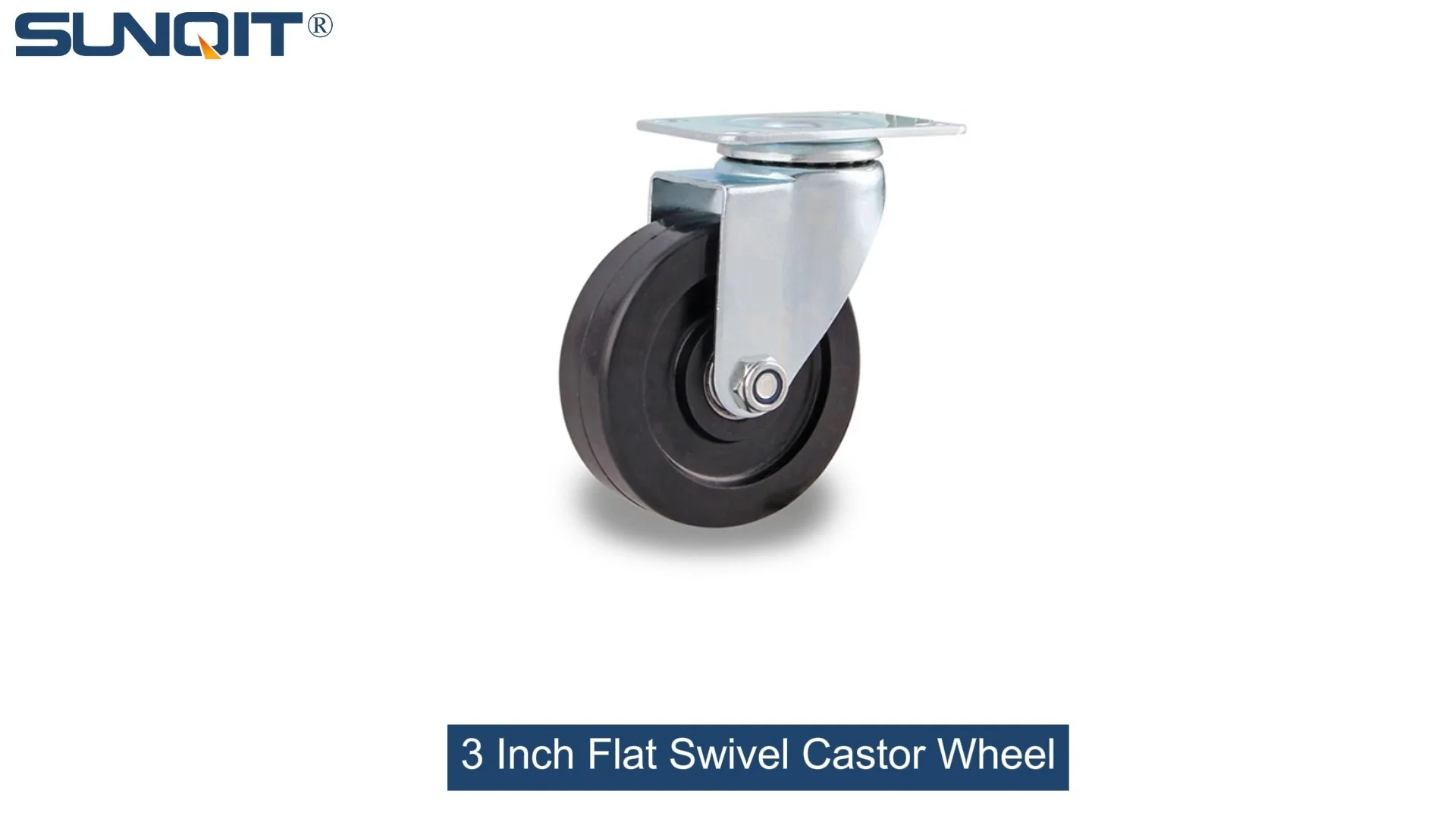
Flat Swivel Castor Wheel
Chair Casters Ball Bearing Wheels Rubber Base. Resistant to abrasion, impact and corrosion. Heavy payload can hold 70-90Kgs per pcs,which can make it works at a stable and smooth status.
In the fast-paced world of manufacturing, warehousing, and logistics, mobility is the backbone of efficiency. From moving heavy workbenches across factory floors to transporting parts on turnover trolleys, the ability to shift equipment and materials smoothly can make or break a day's productivity. At the heart of this mobility are often overlooked heroes: flat swivel castor wheels. These small but critical components allow for 360-degree movement, making it easy to maneuver even bulky items with minimal effort. But what happens when these wheels suddenly jam? A once-smooth workflow grinds to a halt, workers strain to move equipment, and deadlines get pushed back. If you've ever experienced the frustration of a stuck caster wheel, you know how disruptive it can be. In this guide, we'll dive deep into the common causes of flat swivel castor wheel jams, walk through step-by-step troubleshooting, and share tips to keep your wheels rolling smoothly—so you can get back to focusing on what matters most: keeping your operation running like clockwork.
Understanding Flat Swivel Castor Wheels: More Than Just Rollers
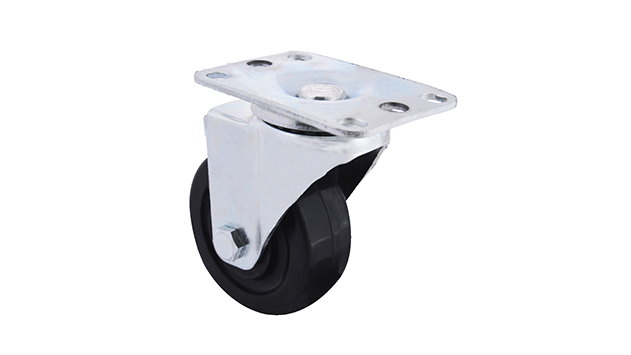
Before we jump into troubleshooting, let's take a moment to appreciate what makes flat swivel castor wheels unique. Unlike fixed castors, which only roll forward and backward, swivel castors have a rotating joint (often called a swivel head) that allows the wheel to turn independently of the mounting plate. This design is what gives them their signature maneuverability—perfect for tight spaces, sharp turns, and navigating around obstacles. The "flat" in their name typically refers to the mounting plate, which sits flush against the bottom of equipment like workbenches, material racks, or trolleys, providing stability and even weight distribution.
A standard flat swivel castor wheel assembly includes several key components: the wheel itself (made from materials like rubber, plastic, or steel), a bearing (to reduce friction and enable smooth rotation), a swivel head (housing the bearings that allow the wheel to pivot), a mounting plate (which attaches the caster to the equipment), and often caster accessories like brakes, locks, or dust covers. Each of these parts plays a role in the caster's performance, and a problem with any one of them can lead to jamming. For example, a worn bearing might cause the wheel to seize, while a bent mounting plate could throw the entire assembly out of alignment. Understanding these components will make it easier to pinpoint issues when they arise.
Why Jamming Happens: The Hidden Costs of Ignoring the Problem
Jammed castor wheels aren't just an annoyance—they can have real consequences for your business. First, there's the immediate impact on productivity. When a trolley or workbench jams, workers can't move materials where they need to go, leading to bottlenecks in production. In a busy warehouse, even a 10-minute delay in moving a load can ripple through the day, causing missed deadlines or overtime costs. Then there's the risk of injury: straining to push a stuck caster can lead to back pain, muscle strains, or even falls if the equipment suddenly lurches free. Over time, continued use of a jammed caster can also damage the wheel itself, the swivel head, or the equipment it's attached to—turning a small fix into a costly replacement.
Perhaps most importantly, jamming is often a sign of underlying issues that, if ignored, will only get worse. A little dirt in the bearing today could lead to rust and complete seizing tomorrow. A slightly misaligned swivel head might start as a minor wobble but eventually bend the mounting plate. By learning to identify and fix jams early, you'll not only save time and money but also extend the life of your caster wheels and the equipment they support.
Common Causes of Flat Swivel Castor Wheel Jamming
Now, let's get to the heart of the matter: why do flat swivel castor wheels jam? The answer often lies in a mix of wear and tear, environmental factors, and human error. Below are the most frequent culprits, along with how they disrupt your caster's performance.
1. Dirt, Debris, and Grime Buildup
In industrial settings, floors are rarely spotless. Dust, metal shavings, wood chips, or even sticky substances like oil or grease can find their way into the small gaps of your caster wheels. Over time, this debris accumulates in the swivel head, around the bearings, or between the wheel and its housing. Think of it like sand in a door hinge—eventually, the particles create friction, making it harder for parts to move. For example, if metal shavings get trapped in the swivel head's bearings, they can scratch the inner surfaces, leading to rough rotation or complete seizing. Similarly, grease mixed with dust forms a thick, paste-like substance that clogs the wheel's movement, turning a smooth roll into a jerky, stuck mess.
2. Damaged or Worn Bearings
Bearings are the unsung heroes of caster wheel performance. These small, circular components (usually made of steel or plastic) reduce friction between the wheel's axle and the housing, allowing the wheel to spin freely. But bearings don't last forever. Over time, they can wear down from constant use, especially if the caster is frequently overloaded or used on rough surfaces. Signs of bearing damage include a grinding or squeaking noise when the wheel turns, uneven rotation, or the wheel tilting to one side. In severe cases, the bearings may crack or break, causing the wheel to seize entirely. Even if the bearings are intact, lack of lubrication can cause them to dry out, leading to increased friction and jamming.
3. Misalignment of the Swivel Head or Mounting Plate
Flat swivel castor wheels rely on precise alignment to function properly. The swivel head must sit squarely on the mounting plate, and the wheel must be centered in its housing. If any part of this alignment is off, jamming can occur. Misalignment often happens due to improper installation—for example, if the mounting plate isn't bolted down evenly, or if the holes in the plate don't line up with the equipment. It can also result from impact, like hitting a curb or a heavy object, which bends the mounting plate or swivel head. When misaligned, the swivel head may bind as it tries to rotate, causing the wheel to stick or only turn in certain directions.
4. Issues with Caster Accessories: Brakes, Locks, and Pins
Many flat swivel castor wheels come with caster accessories designed to enhance safety or control, such as brakes, locks, or swivel stops. While these accessories are useful, they can also be a source of jamming if they're damaged or misused. For example, a brake that's stuck in the "on" position will prevent the wheel from rolling, even if you think it's released. Similarly, a broken swivel lock pin might get stuck in the swivel head, limiting rotation. Loose or missing washers, nuts, or bolts (common caster accessories) can also cause parts to shift out of place, leading to jams. Over time, these small components can wear down, corrode, or get bent, turning a minor inconvenience into a major problem.
5. Overloading: When Too Much Weight Breaks the Wheel
Every caster wheel has a weight capacity—a maximum load it's designed to handle safely. Exceeding this capacity is a surefire way to cause jamming (and permanent damage). When a caster is overloaded, the wheel may flatten or crack under the pressure, making it uneven and prone to sticking. The swivel head, which is also rated for a specific weight, can bend or warp, causing the bearings to misalign or seize. Even if the wheel doesn't break immediately, overloading accelerates wear on all components, from the bearings to the mounting plate, leading to premature failure. In busy environments, it's easy to underestimate how much weight is on a trolley or workbench—especially when multiple workers add items throughout the day. This "death by a thousand pounds" is a common cause of caster jams.
6. Environmental Factors: Floors, Temperature, and Corrosion
Your work environment plays a big role in caster performance. Uneven floors, for example, can cause wheels to catch on cracks, bumps, or thresholds, leading to jams. High temperatures can melt plastic wheels or cause lubricants to thin out and leak, while extreme cold can make rubber wheels stiff and brittle, or cause lubricants to thicken into a sludge that clogs bearings. Moisture is another enemy: in humid or wet environments, metal parts of the caster (like the swivel head or axle) can rust, creating rough surfaces that bind during rotation. Even something as simple as exposure to chemicals or solvents can degrade wheel materials or corrode caster accessories, leading to unexpected jams.

Step-by-Step Troubleshooting: How to Diagnose and Fix a Jammed Caster Wheel
When a flat swivel castor wheel jams, the first step is to stay calm and methodical. Rushing to force the wheel free can damage the caster or the equipment, making the problem worse. Instead, follow this step-by-step troubleshooting process to identify the cause and fix it safely.
Step 1: Inspect the Wheel Externally
Start with a visual inspection. Look at the wheel itself, the swivel head, and the mounting plate for obvious signs of trouble. Ask yourself:
- Is there debris stuck in the wheel? Check between the wheel and its housing, around the axle, and in the swivel head. Dirt, hair, or small objects (like screws or washers) are often the culprit.
- Is the wheel damaged? Look for cracks, chips, or flat spots on the wheel's surface. A damaged wheel won't roll evenly and may jam when it hits a rough patch.
- Are caster accessories intact? Check brakes, locks, and pins to see if they're stuck, bent, or missing. A brake that's partially engaged, for example, will cause the wheel to drag.
- Is the mounting plate bent or loose? A warped plate can pull the swivel head out of alignment, while loose bolts may allow the caster to shift.
If you see debris, use a brush or compressed air to clean it out. For sticky substances like grease or oil, wipe the wheel with a rag dampened with a mild solvent (avoid harsh chemicals that could damage rubber wheels). If the wheel is damaged or accessories are broken, you may need to replace them—more on that later.
Step 2: Test the Wheel and Swivel Head Movement
Next, try to move the wheel by hand (if safe to do so—use gloves to protect your hands). Lift the equipment slightly to take weight off the caster, then:
- Spin the wheel: It should rotate smoothly with little resistance. If it's stiff, squeaks, or grinds, the bearings may be worn or dirty.
- Swivel the head: Turn the wheel 360 degrees. It should pivot freely without sticking. If it binds in certain positions, the swivel bearings or raceway (the circular track the swivel head rotates on) may be damaged or misaligned.
If the wheel spins but the swivel head sticks, the problem is likely in the swivel mechanism. If the wheel itself won't spin, focus on the wheel bearings or axle.
Step 3: Check for Overloading
If the wheel and swivel head seem intact, consider whether the equipment is overloaded. Check the caster's weight rating (usually printed on the mounting plate or in the product manual) and compare it to the load on the equipment. If you're not sure of the load, try removing some items and testing the wheel again. If it rolls smoothly after reducing the load, overloading was the issue.
Step 4: Examine the Bearings
Bearings are often the root cause of jams, so they deserve a closer look. If the wheel is stiff or makes noise when spinning, the bearings may be dirty, dry, or damaged. To inspect them:
- Remove the wheel from the caster (you may need a wrench to loosen the axle nut).
- Take out the bearings (they're usually pressed into the wheel or swivel head).
- Check for rust, pitting, or cracks. Spin the bearing by hand—if it doesn't rotate smoothly, it needs to be replaced.
- If the bearings are dirty but intact, clean them with a solvent (like degreaser) and let them dry. Then apply a few drops of lubricant (use a lubricant recommended by the caster manufacturer—avoid heavy oils, which attract dirt).
Reinstall the bearings and wheel, making sure the axle nut is tight but not over-tightened (over-tightening can damage the bearings).
Step 5: Realign the Swivel Head or Mounting Plate
If the swivel head is misaligned, you may need to adjust the mounting plate. Loosen the bolts that attach the plate to the equipment, then gently tap the plate with a rubber mallet to center it. Tighten the bolts evenly (in a crisscross pattern) to ensure the plate sits flush. If the swivel head itself is bent, you may need to replace the entire caster—bending metal back into shape rarely works and can weaken the component.
Step 6: replace Damaged Parts
If you've identified a damaged component—like a cracked wheel, worn bearings, or broken caster accessories—it's time to replace it. Most caster manufacturers sell replacement parts, so check the model number on your caster to ensure you get the right fit. For example, if the wheel is worn, you'll need a replacement wheel of the same size, material, and load rating. If a brake pin is bent, look for a compatible caster accessory to swap it out. Replacing parts is often more cost-effective than buying a new caster, and it's relatively easy with basic tools.
Troubleshooting Table: Common Causes, Symptoms, and Fixes
| Potential Cause | Symptoms | Troubleshooting Steps |
|---|---|---|
| Dirt/debris buildup | Wheel rolls unevenly; swivel head sticks; visible particles in wheel or swivel head | Clean debris with brush/compressed air; wipe with solvent for sticky substances |
| Worn/damaged bearings | Wheel spins stiffly; grinding/squeaking noise; wheel tilts to one side | Remove wheel, clean/replace bearings; lubricate with manufacturer-recommended oil |
| Misaligned mounting plate | Swivel head binds when turning; caster wobbles; mounting bolts loose | Loosen bolts, realign plate, retighten evenly; replace bent plate if necessary |
| Stuck/broken caster accessories (brakes, pins) | Wheel won't roll; swivel head won't turn; brake lever stuck in "on" position | Free stuck accessories with lubricant; replace bent/broken parts (e.g., brake pins, locks) |
| Overloading | Wheel flattens or cracks; swivel head bends; wheel jams under heavy load | Reduce load to below caster's weight rating; replace damaged wheel/swivel head if needed |

Preventing Jams: Maintenance Tips to Keep Wheels Rolling
The best way to deal with flat swivel castor wheel jams is to prevent them from happening in the first place. With regular maintenance, you can extend the life of your casters, reduce downtime, and keep your operation moving smoothly. Here are some simple habits to adopt:
1. Clean Casters Regularly
Dirt and debris are the number one cause of jams, so make cleaning a priority. How often you clean depends on your environment: in dusty warehouses or factories with metal shavings, aim for weekly cleaning. In cleaner settings (like offices or retail), monthly may be enough. Use a brush or compressed air to blow out debris from wheels, swivel heads, and caster accessories. For greasy or oily environments, wipe casters with a rag and mild degreaser to prevent buildup.
2. Lubricate Bearings and Swivel Joints
Dry bearings are a recipe for jams. Lubricate wheel bearings and swivel joints every 3–6 months (more often if casters are used heavily or in wet environments). Use a lubricant recommended by the caster manufacturer—silicone-based lubricants work well for most applications, as they resist water and don't attract dirt. Apply a small amount to the bearings and swivel head, then spin the wheel and pivot the head to distribute the lubricant evenly.
3. Inspect Caster Accessories and Components
Set a schedule to inspect casters for wear and damage. During inspections, check:
- Wheels: Look for cracks, flat spots, or uneven wear.
- Bearings: Listen for noise when spinning the wheel; replace if stiff or gritty.
- Caster accessories: Ensure brakes, locks, and pins are working properly. Tighten loose bolts or replace missing washers.
- Mounting plates: Check for bending or loose bolts. Retighten bolts to prevent misalignment.
Catching issues early (like a slightly bent brake pin or a cracked wheel) allows you to fix them before they lead to jams.
4. Avoid Overloading
It's easy to underestimate how much weight is on a trolley or workbench, but overloading is one of the fastest ways to damage casters. Post the weight rating of each castered piece of equipment in a visible spot (e.g., on the side of a trolley) to remind workers not to exceed it. If you regularly need to move heavier loads, consider upgrading to casters with a higher weight capacity—investing in stronger casters now will save you from costly repairs later.
5. Choose the Right Caster for the Environment
Not all casters are created equal. Using the wrong caster for your environment is a common cause of jams. For example:
- Rough floors: Use casters with larger, shock-absorbing wheels (like rubber) to avoid getting stuck on cracks.
- Wet or corrosive environments: Choose casters with stainless steel components or corrosion-resistant coatings to prevent rust.
- Cleanrooms or food processing areas: Opt for casters with sealed bearings and non-marking wheels to avoid contamination.
If you're unsure which caster is right for your space, consult with a caster supplier who can recommend options based on your needs.
When to replace Your Flat Swivel Castor Wheel
Even with the best maintenance, casters don't last forever. At some point, you'll need to replace them entirely. Here are signs it's time for a new caster:
- The swivel head is bent or cracked: A damaged swivel head can't be repaired and will continue to jam.
- The wheel is irreparably damaged: Deep cracks, missing chunks, or severe flat spots mean the wheel won't roll smoothly, even after cleaning.
- Bearings are seized or rusted: If bearings are rusted solid or cracked, replacing them may not be enough—especially if the raceway (the track they spin on) is also damaged.
- The mounting plate is warped: A bent plate can't be straightened without weakening it, leading to ongoing alignment issues.
- Jams happen frequently, even after repairs: If you're fixing the same caster every few weeks, it's more cost-effective to replace it than to keep repairing it.
When buying a new caster, match the size, weight capacity, and mounting style to your equipment. If you're upgrading, consider whether a different wheel material or design (like a larger wheel or sealed bearings) could improve performance in your environment.
Conclusion: Keep Rolling with Proactive Care
Flat swivel castor wheels may be small, but their impact on your operation's efficiency is huge. A jammed wheel can disrupt workflows, frustrate workers, and even lead to costly delays. By understanding the common causes of jams—from debris buildup and worn bearings to misalignment and damaged caster accessories—you can troubleshoot issues quickly and fix them before they escalate. And by adopting proactive maintenance habits—regular cleaning, lubrication, inspections, and proper loading—you can keep your casters rolling smoothly for years to come.
Remember, the key to avoiding jams is attention to detail. Take a few minutes each week to check your casters, clean out debris, and tighten loose accessories. Your future self (and your productivity) will thank you. After all, in a world where every second counts, there's no room for a stuck wheel.