- Company Articles
- Products and Technology
- Product knowledge
- What Causes T-Slot Rubber Seal Covers to Crack? Prevention Strategies for Industrial Users

What Causes T-Slot Rubber Seal Covers to Crack? Prevention Strategies for Industrial Users
Related Product
T-slot Rubber Seal Cover
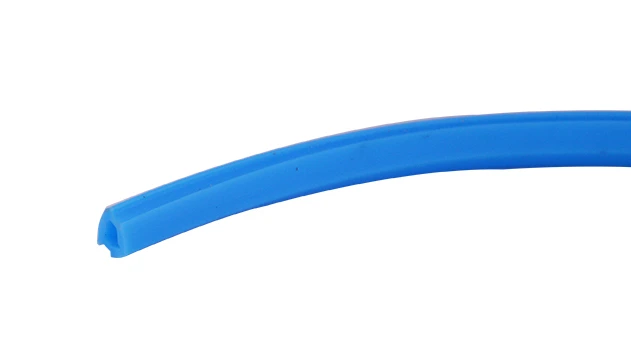
The rubber T-slot seal cover prevents dust and debris buildup, covers wires in the T-slot channel, and adds an extra layer of protection to applications. It rolls into the T-slot, making it easy to assemble.
1. Introduction: The Unsung Heroes of Aluminum Extrusion Profiles
Walk into any modern manufacturing facility, and you'll likely see rows of sleek workbenches, material racks, and assembly lines built from aluminum extrusion profiles. These versatile structures owe their functionality to the tiny details—like the T-slot rubber seal covers that line their grooves. Often overlooked, these small strips of rubber are critical aluminum profile accessories, designed to seal the T-slots in aluminum extrusion profiles. Their job? Keep dust, debris, and moisture out of the slots, ensuring that sliding components (like brackets, tools, or guide rails) move smoothly and that the profiles themselves last longer.
But what happens when these seal covers crack? Suddenly, the once-protected T-slots become magnets for sawdust, metal shavings, or coolant. This isn't just a cosmetic issue: debris in T-slots can jam sliding parts, scratch profile surfaces, and even lead to costly downtime as maintenance teams scramble to clean or repair the damage. For industrial users, understanding why T-slot rubber seal covers crack—and how to prevent it—is key to keeping operations running efficiently.
2. Understanding T-Slot Rubber Seal Covers: More Than Just "Sticky Strips"
What Are They, Exactly?
T-slot rubber seal covers are flexible, U-shaped strips designed to fit snugly into the T-slots of aluminum extrusion profiles. Think of them as the "gaskets" of the industrial world—simple in design but vital for protection. They're typically made from rubber or elastomeric materials like EPDM, silicone, or neoprene, chosen for their flexibility, durability, and resistance to environmental stressors.
Why They Matter in Industrial Setups
Imagine a busy automotive assembly line where workers slide tool holders along aluminum profile workbenches all day. Without seal covers, metal shavings from the assembly process would fall into the T-slots, turning smooth gliding into a gritty, frustrating struggle. Over time, that debris could even wear down the profile's edges or jam the sliding mechanisms entirely. Seal covers prevent this by creating a barrier, keeping the slots clean and functional. They also protect the profiles from moisture, which can cause corrosion, and reduce noise from metal-on-metal contact between components.

3. The Top Causes of T-Slot Rubber Seal Cover Cracking
Cracking in T-slot rubber seal covers rarely happens overnight. It's usually the result of a perfect storm of factors—material weaknesses, poor installation, environmental exposure, or mechanical stress. Let's break down the most common culprits:
3.1 Low-Quality Materials: Cutting Corners on Durability
Not all rubber seal covers are created equal. Some manufacturers use cheap, low-grade rubber blends to cut costs, skipping additives that enhance flexibility or resistance to heat, UV rays, or chemicals. Over time, these subpar materials break down: they harden, lose elasticity, and develop cracks, especially when exposed to the wear and tear of daily industrial use. For example, a seal cover made from generic rubber (instead of EPDM or silicone) might start cracking within months in a workshop with fluctuating temperatures.
3.2 Overstretching During Installation: "If It Fits, It's Fine"—Wrong!
Installing T-slot rubber seal covers might seem like a simple task: just press them into the slot, right? But many teams make the mistake of stretching the rubber to "make it fit" if the cover is slightly too short or the slot is misaligned. This stretching puts permanent stress on the material. Over time, the rubber weakens at the stretched points, leading to cracks that start small and spread quickly. Even a 5% stretch can reduce the seal's lifespan by half.
3.3 Environmental Extremes: Heat, Cold, and UV Rays
Rubber is sensitive to its surroundings. In factories without climate control, seal covers endure extreme temperatures: scorching heat in summer that dries out the rubber, or freezing cold in winter that makes it brittle. Outdoor setups are even worse—prolonged exposure to UV rays from sunlight breaks down the rubber's molecular structure, causing it to fade, crack, or become sticky. Chemical exposure is another risk: oils, coolants, or harsh cleaning agents (like acetone or bleach) can degrade the rubber, leading to swelling, softening, or hardening—all precursors to cracking.
3.4 Mechanical Stress: Friction, Impact, and Vibration
Industrial environments are rough on equipment, and seal covers take their fair share of abuse. Sliding heavy tools along a workbench can rub against the seal, wearing down its edges. Dropped tools or parts can tear the rubber at the corners. Even constant vibration from nearby machinery weakens the seal's bond to the slot, causing it to lift and crack at the stress points. In one automotive plant we visited, seal covers on a material rack cracked because workers regularly slammed bins into the slots, creating repeated impact stress.
3.5 Aging and Oxidation: The Inevitable Wear of Time
No material lasts forever. Over time, oxygen in the air reacts with rubber in a process called oxidation, causing it to lose flexibility and become brittle. This is especially true for seal covers that aren't regularly maintained—dust and debris trapped under the rubber can speed up oxidation by holding moisture against the material. Even high-quality EPDM seals will start to show signs of aging after 3–5 years in heavy use, with small cracks appearing along the edges first.

4. Common Causes, Symptoms, and Quick Fixes: A Handy Reference Table
| Common Cause | Key Symptoms | Immediate Quick Fix |
|---|---|---|
| Low-quality rubber material | Premature brittleness, discoloration, cracks in less than 6 months | replace with EPDM or silicone-based covers; check supplier certifications |
| Overstretching during installation | Longitudinal cracks, uneven fitting, rubber pulling away from slot edges | Trim excess rubber (if minor); replace with properly sized covers |
| UV exposure (outdoor use) | Fading, surface cracking, sticky or powdery residue on the rubber | Cover profiles with awnings or use UV-stabilized seal covers |
| Chemical exposure (oils, coolants) | Swelling, soft spots, or hardening of the rubber | Clean with mild soap and water; store chemicals away from profiles |
| Impact damage (dropped tools) | Tears at corners, dents, or partial detachment from the slot | Trim torn edges; apply temporary rubber adhesive to secure loose sections |
5. Prevention Strategies: Keeping Your Seal Covers Crack-Free
The good news? Most seal cover cracking is preventable with the right strategies. By focusing on material selection, installation, maintenance, and environmental control, you can extend the life of your T-slot rubber seal covers and avoid costly downtime.
5.1 Choose Quality Materials: Don't Skimp on the Basics
Start at the source: invest in high-quality seal covers designed for industrial use. Look for materials like EPDM (resistant to heat, UV, and chemicals) or silicone (ideal for extreme temperatures). Ask suppliers for certifications—reputable manufacturers will provide test reports on durability and compatibility with aluminum extrusion profiles. Avoid generic "one-size-fits-all" covers; instead, match the seal to your environment. For example, outdoor racks need UV-stabilized covers, while workshops with coolants require chemical-resistant options.
5.2 Master Proper Installation: Measure Twice, Press Once
Installation might seem trivial, but it's where many teams go wrong. Train your maintenance staff to follow these steps: first, inspect the T-slot for debris or damage (a bent slot will never hold a seal properly). Clean the slot with a dry cloth to remove dust. Then, measure the length of the slot and cut the seal cover to size—never stretch it to fit. Align the cover with the slot, starting at one end, and press gently with a rubber mallet or your thumb. If the cover resists, check for misalignment instead of forcing it. A well-installed seal should lie flat, with no gaps or bulges.
5.3 Stick to a Maintenance Routine: Inspect, Clean, replace
Preventive maintenance is your best defense against cracking. Set up a regular inspection schedule—weekly for high-use areas (like assembly lines) and monthly for lower-traffic zones (like storage racks). During inspections, look for early warning signs: small cracks, peeling edges, or discoloration. Clean the seal covers with a soft, damp cloth and mild soap—avoid harsh chemicals. If you spot a small crack, replace the cover immediately; delaying will only let debris enter the slot and cause more damage. Keep a stock of spare covers on hand so you're never caught off guard.
5.4 Control the Environment: Protect Seals from the Elements
If possible, regulate the temperature in your facility—aim for 65–75°F (18–24°C) to keep rubber flexible. For outdoor setups, install awnings or shades to block direct sunlight, or use UV-resistant seal covers. Store chemicals like oils, solvents, or cleaning agents away from aluminum profiles, and train staff to wipe up spills immediately. In humid environments, consider adding dehumidifiers to reduce moisture buildup, which can speed up rubber oxidation.
5.5 Design for Durability: Engineer Out Stress Points
Sometimes, the issue isn't the seal itself—it's the design of the structure. When building workbenches or racks with aluminum extrusion profiles, avoid placing seal covers in high-impact areas. For example, add edge guards to corners where tools are often dropped, or use recessed T-slots in areas prone to friction. If a sliding component (like a tool holder) rubs against the seal, adjust the design to reduce contact—maybe add a plastic guide rail to the component instead. Small tweaks like these can significantly reduce stress on the seal covers.
Case Study: How a Automotive Plant Solved Chronic Seal Cover Cracking
The Problem: A mid-sized automotive parts manufacturer was struggling with frequent T-slot seal cover cracking on their aluminum profile assembly lines. The cracks were allowing metal shavings into the slots, jamming the sliding tool holders and causing daily delays. Maintenance teams were replacing seals weekly, costing time and money.
The Investigation: The plant's maintenance manager noticed the cracks were worst near the welding stations, where temperatures spiked, and on racks near open windows (exposed to sunlight). Testing revealed the seals were made from generic rubber, not heat or UV-resistant material. Workers also admitted to stretching the seals to fit misaligned slots.
The Solution: The plant switched to EPDM seal covers rated for high temperatures and UV exposure. They trained the maintenance team on proper installation (no stretching!) and added shade cloths over the windows. They also adjusted the welding stations to direct heat away from the profiles.
The Result: Seal cover lifespan increased from 1 week to 18 months. Downtime from jammed tool holders dropped by 90%, and maintenance costs for seals fell by 75%. "We never realized how much time we were wasting on cracked seals until we fixed the problem," the manager noted.
6. Conclusion: Small Investment, Big Returns
T-slot rubber seal covers might be small, but their impact on industrial operations is huge. By understanding the causes of cracking—low-quality materials, poor installation, environmental stress, and mechanical wear—and implementing prevention strategies, you can protect your aluminum extrusion profiles, reduce downtime, and keep your facility running smoothly.
Remember: the key is to be proactive. Invest in quality aluminum profile accessories, train your team on proper installation, stick to maintenance routines, and design structures with seal durability in mind. In the world of manufacturing, it's often the smallest details that make the biggest difference—and T-slot rubber seal covers are no exception.