- Company Articles
- Products and Technology
- Installation And Maintenance
- What Causes Wear in End Support for Roller Track Placon Mount with Stop? Prevention Tips

What Causes Wear in End Support for Roller Track Placon Mount with Stop? Prevention Tips
Related Product
End Support for Roller Track Placon Mount with Stop
Roller track placon mount work as a connector for roller track and pipe or aluminum profile in rack syetem, it is a necessary parts in rack system which widely used in industrial plant and logistic,warehouse storage.
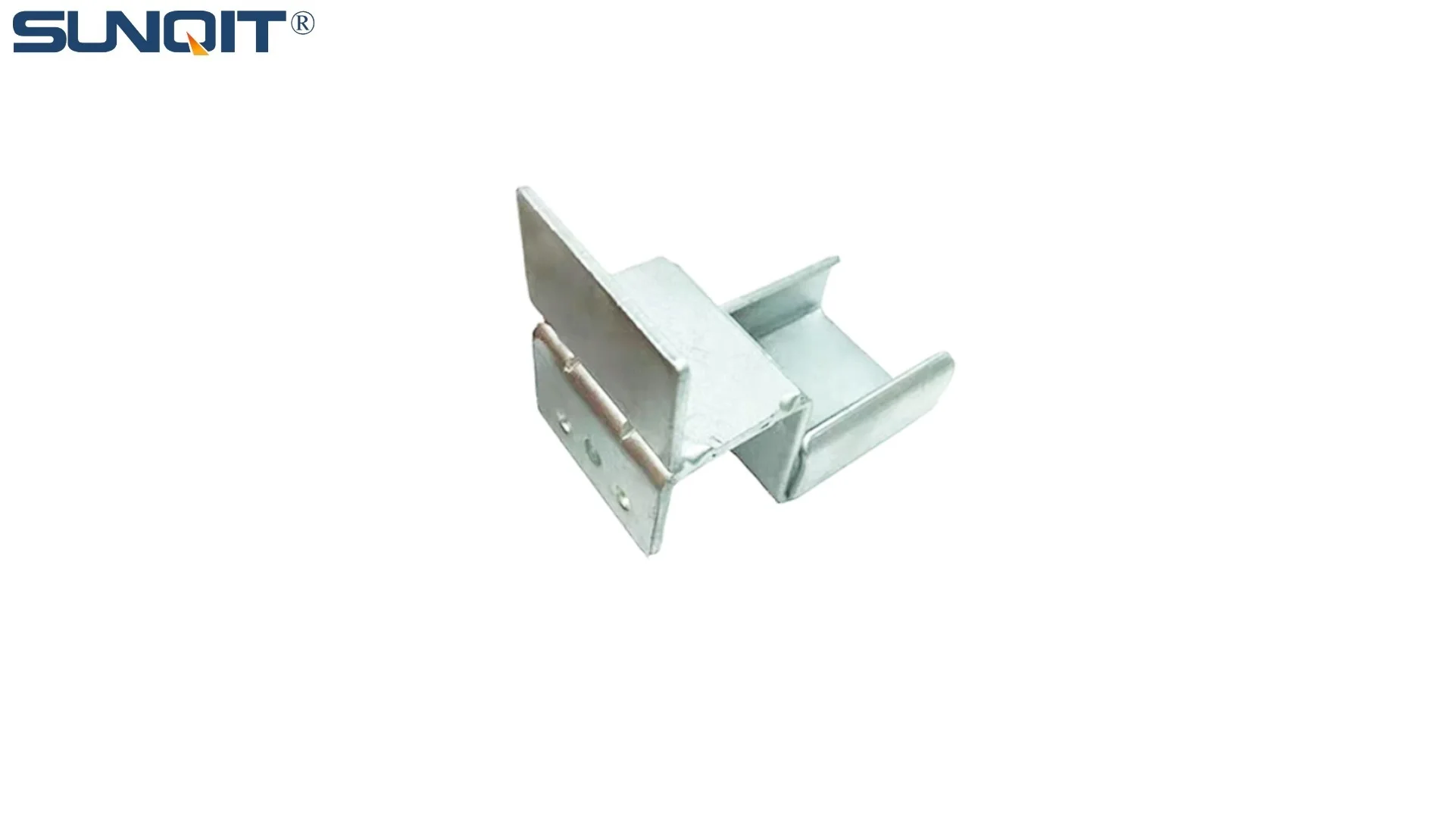
In the fast-paced world of manufacturing, where every second counts, roller tracks are the unsung heroes keeping production lines moving. These systems, whether in 3C assembly plants, automotive workshops, or medical device facilities, rely on precision components to ensure smooth material flow. One critical part often overlooked? The end support for roller track placon mount with stop. This small but mighty component acts as the backbone of roller track stability, preventing misalignment and ensuring loads glide safely. But when wear sets in, the consequences can be costly—delayed production, increased maintenance bills, and even safety risks. Let's dive into why this wear happens and how to stop it in its tracks.
Why Do End Supports Wear Out? Common Culprits
Wear in end supports isn't random. It's often a result of overlapping factors, from material choices to daily operations. Let's break down the most frequent causes and how they impact your roller track system.
| Cause of Wear | How It Happens | Real-World Impact |
|---|---|---|
| Poor-Quality Components | Using low-grade aluminum pipe accessories or plastic roller track guide rails that lack durability. | Premature cracking in end support brackets; seen in budget-focused setups skimping on material quality. |
| Misalignment During Installation | Incorrect positioning of roller track connectors or loose fasteners, creating uneven stress. | Increased vibration leads to metal-on-metal friction; common in rushed assembly lines. |
| Overloading Beyond Capacity | Exceeding the recommended weight limits for the roller track system. | Bending or warping of end supports; typical in warehouses handling heavy automotive parts. |
| Neglected Maintenance | Infrequent cleaning or lubrication, allowing dust and debris to accumulate. | Abrasive wear from particle buildup; observed in high-dust environments like foundries. |
| Environmental Stressors | Humidity, extreme temperatures, or chemical exposure corroding metal parts. | Rust on stainless steel components; common in coastal manufacturing plants. |
1. Cutting Corners on Component Quality
Not all roller track parts are created equal. Many operations opt for cheaper aluminum pipe accessories to save costs, but this often backfires. For example, end supports made from thin-walled aluminum or low-grade plastic can't withstand the constant pressure of daily use. Over time, the stress of supporting loaded roller tracks causes micro-cracks, which grow into visible wear. Reputable lean pipe suppliers prioritize high-grade materials—like 6063-T5 aluminum for guide rails or reinforced plastic for connectors—to resist deformation and extend lifespan.
2. Installation: The Hidden Enemy of Longevity
Even top-tier components fail if installed incorrectly. Imagine a team rushing to set up a new production line: they skip torque checks on roller track placon mount connectors, or align the end support at a slight angle to save time. This misalignment creates uneven weight distribution. Every time a turnover trolley glides over the track, the end support absorbs unnecessary lateral force, leading to premature wear. In one case study from a 3C assembly plant, a 2-degree misalignment caused the end support to wear out 40% faster than expected.
3. When "Just a Little Extra" Breaks the System
Manufacturing teams often push limits—adding one more box to a conveyor, stacking parts higher on a flow rack. But roller tracks, including their end supports, are engineered for specific load capacities. A standard 40 steel roller track, for instance, might handle 50kg per linear meter. Exceed that by 20%, and the end support bears the brunt. Over months, this excess weight bends the support bracket, creating gaps between the track and mount. The resulting vibration accelerates wear, turning a small issue into a production-stopping problem.
5 Proven Prevention Tips to Extend End Support Lifespan
Wear isn't inevitable. With the right strategies, you can keep end supports—and your entire roller track system—running smoothly for years. These tips blend lean system principles with practical maintenance, ensuring minimal downtime and maximum efficiency.
1. Invest in Quality Components from Day One
Start with the basics: choose end supports and roller track accessories designed for durability. Look for suppliers that specialize in lean pipe systems, as they understand the demands of manufacturing environments. For example, aluminum guide rails with anodized coatings resist corrosion, while stainless steel swivel roller balls reduce friction during load movement. Don't just focus on the end support itself—check related parts like placon mounts and connectors. A system is only as strong as its weakest link, and high-quality aluminum pipe accessories ensure every link holds.
Pro Tip: Ask suppliers for material certificates. Reputable lean tube suppliers will provide test reports on tensile strength and corrosion resistance, giving you confidence in your purchase.
2. Train Teams on Proper Installation Protocols
Installation errors are avoidable with clear guidelines. Create a step-by-step checklist for your team, including torque specifications for connectors and alignment checks using laser levels. For roller track placon mount with stop, ensure the end support is perpendicular to the track and securely fastened to the frame. Consider partnering with your lean pipe workbench supplier for on-site training—many offer workshops on proper assembly, reducing the risk of human error. In one automotive plant, standardizing installation cut end support wear by 35% in six months.
3. Implement a Proactive Maintenance Schedule
Lean manufacturing thrives on continuous improvement, and maintenance is no exception. Schedule weekly inspections of end supports: check for cracks, loose fasteners, or signs of corrosion. Clean debris from roller tracks and lubricate moving parts (like swivel roller balls) monthly to reduce friction. For high-use systems—such as those in consumer electronics assembly—consider quarterly load tests to ensure supports aren't exceeding capacity. Document findings in a digital log to spot wear patterns early, allowing you to replace components before they fail.
| Maintenance Task | Frequency | Tools Needed |
|---|---|---|
| Visual inspection for cracks/dents | Weekly | Flashlight, magnifying glass |
| Torque check on connectors | Monthly | Torque wrench |
| Lubrication of roller balls | Monthly | Food-grade lubricant (for cleanrooms) |
| Load capacity verification | Quarterly | Weighing scale, load tester |
4. Optimize Load Management with Lean Principles
Lean systems aren't just about efficiency—they're about smart resource use. Apply this to roller track loads by:
- Labeling tracks with maximum weight limits (e.g., "40kg max per linear meter").
- Training operators to distribute weight evenly across the track, avoiding concentrated loads on one end.
- Using turnover trolleys with proper wheel alignment to reduce lateral stress on end supports.
These small adjustments align with lean solution goals, minimizing waste (in this case, wasted component life) and maximizing productivity.
5. Adapt to Environmental Challenges
Your facility's environment plays a big role in wear. In humid areas, switch to stainless steel roller track components to fight rust. For dusty workshops, install protective covers over end supports and clean tracks daily. If your plant uses ESD workbenches (common in electronics manufacturing), ensure end supports are grounded to prevent static damage to sensitive components—this also reduces corrosion from electrostatic discharge. By tailoring your setup to the environment, you'll significantly slow wear and tear.

Real-World Success: How One Plant Cut End Support Wear by 60%
Theory is helpful, but real results speak louder. Let's look at a case study from a 3C assembly plant in Guangdong, China, that transformed its roller track performance using the tips above.
The Problem: The plant was struggling with monthly end support failures on its main roller track line, causing 2-3 hours of downtime each time. Initial checks revealed misaligned tracks, low-grade plastic connectors, and infrequent maintenance—all common issues in fast-growing facilities.
The Solution: The team partnered with a lean pipe supplier to overhaul their system. They replaced plastic components with aluminum pipe accessories, including anodized end supports and stainless steel connectors. Installation teams received training on proper alignment, and a weekly maintenance schedule was implemented, focusing on lubrication and torque checks.
The Results: Within three months, end support wear dropped by 60%. Downtime decreased to just 30 minutes per month, and the plant saved over ¥50,000 in replacement parts and lost production. By applying lean system principles—prioritizing quality, standardizing processes, and continuous improvement—they turned a problem into a competitive advantage.

Final Thoughts: Wear Prevention as Part of Your Lean Journey
End support wear might seem like a small issue, but it's a window into your entire production system's health. By addressing the root causes—poor quality, installation errors, overloading—and applying proactive prevention tips, you're not just extending component life. You're embracing lean manufacturing: reducing waste, improving efficiency, and creating a more reliable operation.
Remember, your roller track system is a critical part of your workflow. Invest in it, maintain it, and train your team to value its upkeep. With the right approach, you'll keep materials moving, deadlines met, and your bottom line strong.