- Company Articles
- Products and Technology
- Product knowledge
- What is 1.0mm Stainless Steel Pipe? Definition and Specifications

What is 1.0mm Stainless Steel Pipe? Definition and Specifications
Related Product
1.0mm Stainless Steel Pipe
Stainless steel pipe, lean pipe, diameter is 28mm, material is SS201 or SS304, SS201 is normally used in the market. It knows a KARAKURI, KAIZEN material for industrial plant to improve efficiency, save labor cost, standard management.
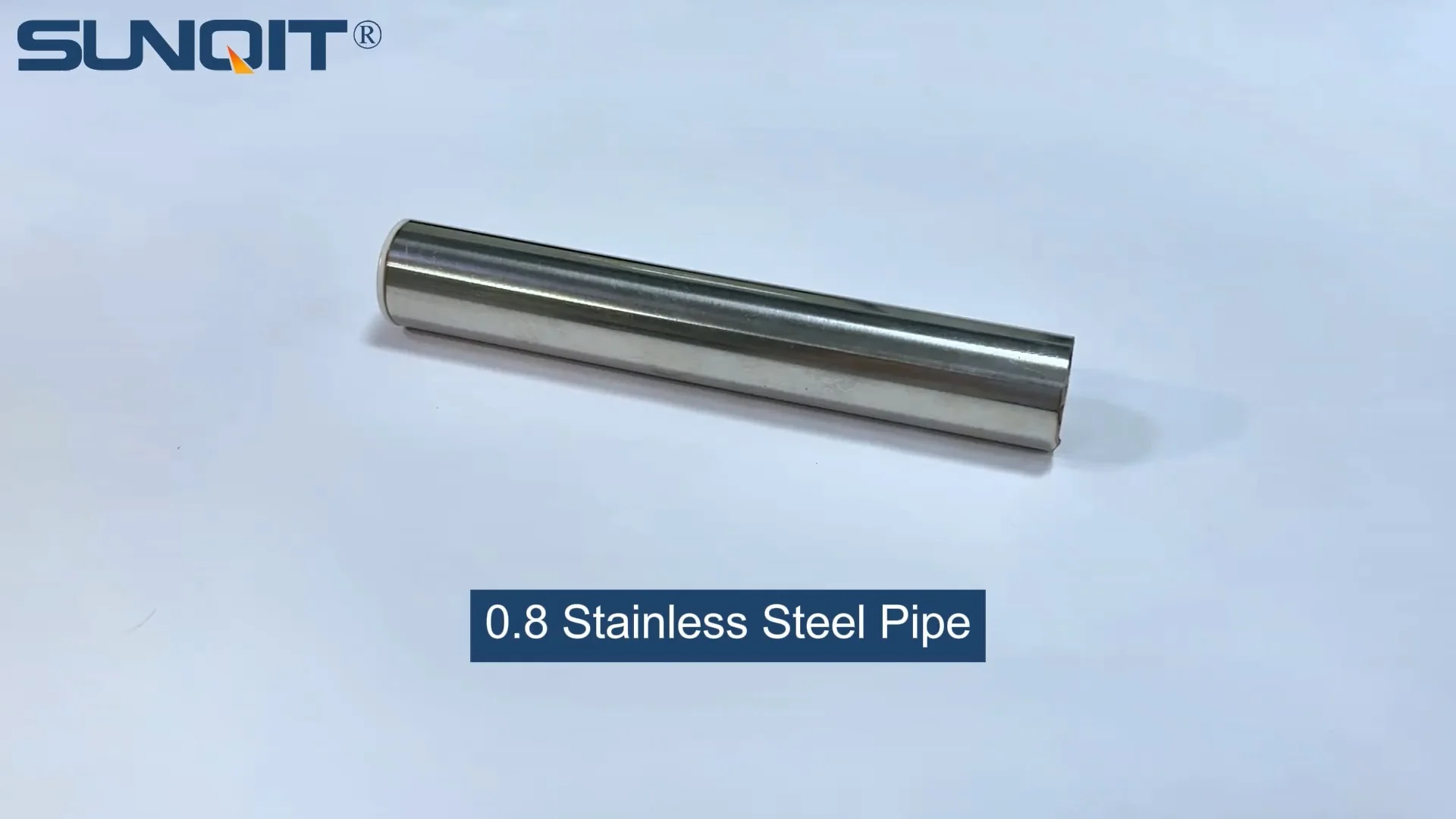
Step into any modern manufacturing facility, warehouse, or workshop, and you'll likely encounter a quiet but essential component that keeps operations running smoothly: stainless steel pipes. Among the various thicknesses available, the 1.0mm stainless steel pipe stands out as a versatile workhorse, balancing strength, flexibility, and practicality. Whether it's forming the frame of a sturdy workbench, supporting a roller track for material flow, or connecting with lean pipe joints to build modular structures, this pipe plays a yet critical role in countless industrial setups. In this article, we'll dive into what 1.0mm stainless steel pipe is, its key specifications, and why it's a go-to choice for engineers, facility managers, and DIY enthusiasts alike.
Defining 1.0mm Stainless Steel Pipe
At its core, 1.0mm stainless steel pipe is a hollow cylindrical tube made from stainless steel, with a wall thickness of 1.0 millimeters. Stainless steel itself is an alloy of iron, chromium, and often nickel or other elements, prized for its corrosion resistance, durability, and sleek appearance. The "1.0mm" refers specifically to the thickness of the pipe's wall—the distance between the inner and outer surfaces—which is a key factor in determining its strength, weight, and suitability for different tasks.
Unlike thicker pipes (such as 1.2mm or 2.0mm) that prioritize raw strength for heavy loads, or thinner ones (like 0.8mm) that excel in lightweight, low-stress applications, the 1.0mm variant strikes a middle ground. It's robust enough to support moderate weights, yet lightweight enough to be easily handled during installation. This balance makes it a popular choice in industries like automotive manufacturing, electronics assembly, logistics, and even retail display setup—where adaptability and reliability are equally important.
Key Properties of 1.0mm Stainless Steel Pipe
What sets 1.0mm stainless steel pipe apart from other materials (like aluminum or plastic) or different thicknesses? Let's break down its most notable properties:
Corrosion Resistance: Thanks to its chromium content (typically 10-30%), stainless steel naturally forms a passive oxide layer on its surface, protecting it from rust, stains, and chemical damage. This makes 1.0mm stainless steel pipe ideal for use in environments where moisture, oils, or mild chemicals are present—think factory floors where spills are common or outdoor storage areas exposed to rain.
Strength-to-Weight Ratio: While 1.0mm isn't the thickest pipe available, stainless steel's inherent strength means this thickness can support surprisingly heavy loads. For example, a 1.0mm wall pipe with a 25mm outer diameter can easily hold the weight of tools, parts bins, or even a person leaning on a workbench. Yet, it's light enough that two people can carry a 6-meter length without straining, simplifying on-site assembly.
Malleability and Workability: Stainless steel is known for being somewhat rigid, but 1.0mm thickness offers just enough flexibility to allow bending (with the right tools) into gentle curves or angles. This is especially useful for custom projects, like building a curved roller track or a uniquely shaped workbench frame. It also cuts cleanly with standard metal-cutting tools and welds well, though many users opt for mechanical connections (like lean pipe joints) to avoid the need for welding equipment.
Hygiene and Cleanliness: Stainless steel's non-porous surface resists bacteria growth and is easy to clean with soap and water or disinfectants. This makes 1.0mm pipes a favorite in industries with strict hygiene standards, such as food processing, pharmaceuticals, or electronics manufacturing, where even small contaminants can ruin products.

Specifications of 1.0mm Stainless Steel Pipe
To understand if 1.0mm stainless steel pipe is right for your project, it's important to look at its detailed specifications. These can vary slightly between manufacturers, but here are the most common parameters you'll encounter:
| Specification | Typical Range | Notes |
|---|---|---|
| Material Grade | 304, 316, 430 | 304 is the most common (general-purpose); 316 offers higher corrosion resistance (marine/chemical environments); 430 is budget-friendly (less corrosion resistance). |
| Outer Diameter (OD) | 10mm – 50mm | Common sizes include 16mm, 20mm, 25mm, and 32mm, matching standard lean pipe joint sizes for modular assembly. |
| Wall Thickness | 1.0mm (±0.1mm tolerance) | Precision thickness ensures consistent strength and compatibility with accessories like clamps or connectors. |
| Length | 3m, 4m, 6m | 6m is standard for industrial use, but can be cut to custom lengths upon request. |
| Surface Finish | Bright Annealed (BA), Pickled & Passivated (PP), Matte | BA offers a mirror-like shine; PP is dull but highly corrosion-resistant; matte is non-reflective, ideal for workbenches where glare is an issue. |
| Tensile Strength | 500 – 700 MPa (for 304 grade) | Measures the maximum stress the pipe can withstand before breaking—higher than aluminum or plastic pipes of similar thickness. |
| Hardness | HV 150 – 200 (Vickers scale) | Resistant to dents and scratches, maintaining structural integrity in high-traffic areas. |

How 1.0mm Stainless Steel Pipe Fits into Industrial Systems
To truly appreciate 1.0mm stainless steel pipe, it helps to see how it integrates with other components in real-world setups. Let's take a common scenario: a small electronics assembly workshop looking to build a modular production line. Here's how the pipe might be used:
Workbench Frames: The workshop needs sturdy workbenches where operators can assemble circuit boards. Using 25mm OD, 1.0mm wall stainless steel pipes as the frame ensures the workbench can support tools, soldering stations, and bins of components without wobbling. The pipes are connected with lean pipe joints—durable plastic or metal connectors that snap into place, allowing the frame to be disassembled and reconfigured if the workshop layout changes.
Roller Tracks for Material Flow: To move partially assembled products from one workbench to the next, the workshop installs a roller track above the benches. The track's support rails are made from 1.0mm stainless steel pipe, chosen for its strength to hold the weight of the rollers and products, yet light enough to mount to the ceiling or wall without heavy brackets. The smooth surface of the pipe also ensures the rollers glide easily, reducing friction and minimizing the effort needed to push items along the track.
Mobile Carts with Caster and Accessories: For transporting finished products to storage, the workshop builds mobile carts using 1.0mm stainless steel pipes. The cart's frame is lightweight enough to be pushed by hand, but strong enough to carry a full load of boxes. Attaching caster and accessories—like swivel casters with brakes—turns the pipe frame into a maneuverable cart that can navigate tight aisles, with the stainless steel resisting scratches from daily use.
In each of these cases, the 1.0mm pipe's versatility shines. It's not overkill for light tasks, nor too flimsy for moderate loads—making it the "just right" choice for small to medium-scale industrial applications.
Why Choose 1.0mm Over Other Thicknesses?
With stainless steel pipes available in thicknesses from 0.5mm to 3.0mm or more, why opt for 1.0mm? The answer lies in its practicality for most everyday industrial needs. Thicker pipes (1.2mm+) add weight and cost without offering significant benefits unless you're supporting very heavy loads (like machinery or large storage racks). Thinner pipes (0.8mm or less) save weight but can bend or dent under repeated use, making them risky for workbenches or tracks that see daily wear.
1.0mm also aligns with the "lean" philosophy in manufacturing—prioritizing efficiency and minimizing waste. Its moderate thickness means you're not paying for extra material you don't need, and its lightweight nature reduces shipping costs and installation time. For businesses focused on lean system principles—where adaptability and cost-effectiveness are key—1.0mm stainless steel pipe fits perfectly into the ethos of "just enough, just in time."
Maintenance and Longevity
One of the biggest advantages of 1.0mm stainless steel pipe is its low maintenance requirements. Unlike carbon steel, which needs regular painting to prevent rust, stainless steel's passive oxide layer does the work for you. A quick wipe with a damp cloth is usually enough to keep it clean, even in dusty or oily environments. For tougher stains, mild soap or a stainless steel cleaner will restore its shine without damaging the surface.
With proper care, a 1.0mm stainless steel pipe can last decades. Even in high-moisture settings (like a warehouse near the coast), choosing a 316-grade pipe will ensure it resists saltwater corrosion. This longevity makes it a cost-effective investment, as you won't need to replace it every few years—a critical factor for small businesses or facilities with tight budgets.
Conclusion: The Unsung Hero of Industrial Setups
1.0mm stainless steel pipe may not grab headlines, but it's the kind of component that makes modern industry possible. Its definition is simple—a 1.0mm thick hollow tube of stainless steel—but its impact is far-reaching. From supporting workbenches where products are built to enabling smooth material flow with roller tracks, from connecting with lean pipe joints for modular systems to rolling on caster and accessories for mobile carts, this pipe embodies the balance of strength, flexibility, and practicality that industrial settings demand.
Whether you're a facility manager upgrading your workshop, a small business owner building custom storage, or a hobbyist tackling a DIY project, 1.0mm stainless steel pipe offers a reliable, low-maintenance solution that grows with your needs. It's not just a pipe—it's a foundation for efficiency, adaptability, and longevity in the spaces where work gets done.