- Company Articles
- Products and Technology
- Product knowledge
- What Is 1.2mm Stainless Steel Pipe? A Comprehensive Guide for Industrial Applications

What Is 1.2mm Stainless Steel Pipe? A Comprehensive Guide for Industrial Applications
Related Product
1.2mm Stainless Steel Pipe
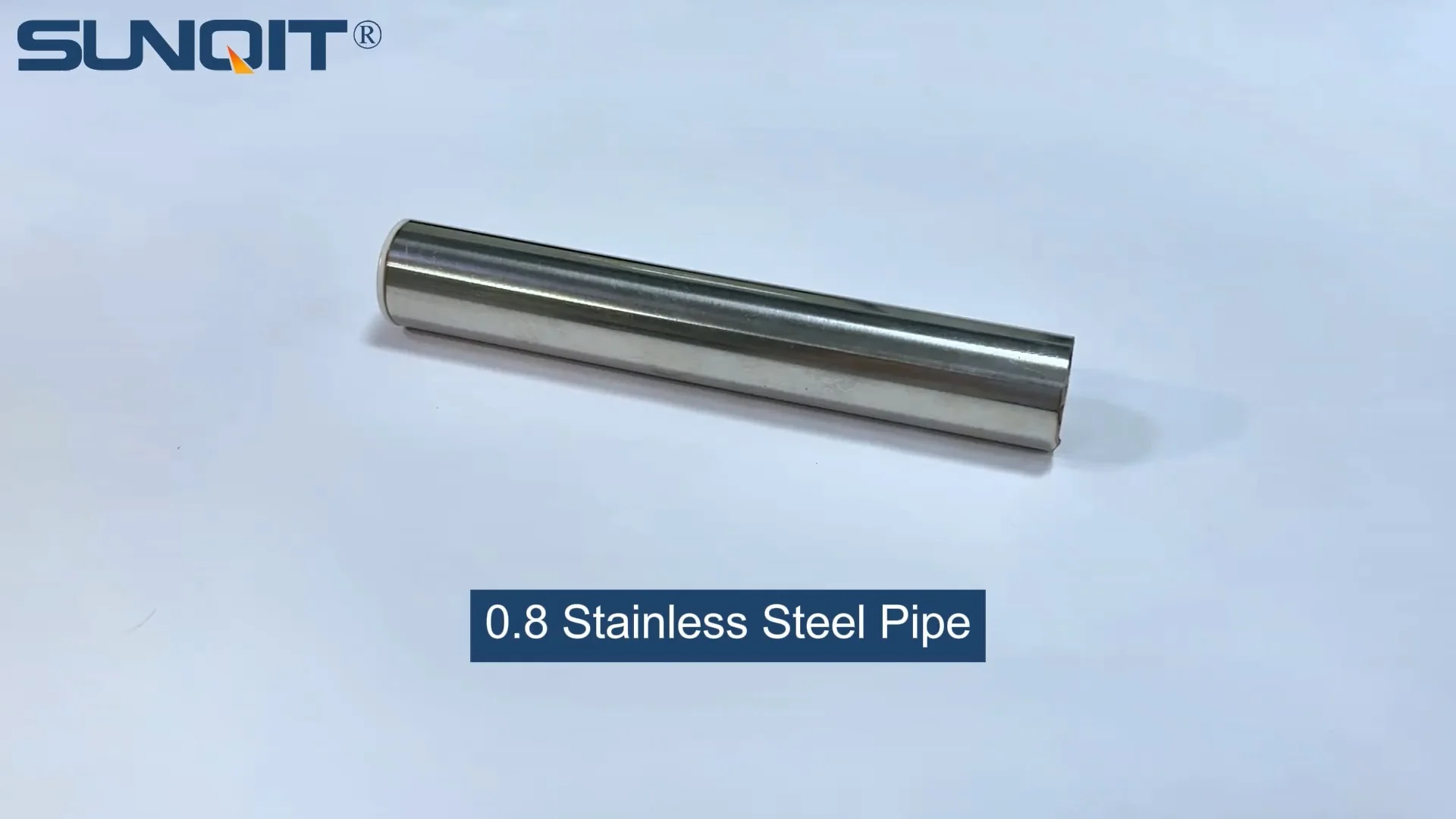
Stainless steel pipe, lean pipe, diameter is 28mm, material is SS201 or SS304, SS201 is normally used in the market. It knows a KARAKURI, KAIZEN material for industrial plant to improve efficiency, save labor cost, standard management.
In the world of industrial manufacturing, construction, and logistics, the right materials can make or break operational efficiency. Among the unsung heroes of these sectors is the humble stainless steel pipe—a component so integral to daily operations that its absence would grind many workflows to a halt. Today, we're zeroing in on a specific player in this space: the 1.2mm stainless steel pipe. Not too thin to sacrifice durability, not too thick to limit flexibility, this pipe has carved out a unique niche in countless industrial settings. Whether you're a plant manager looking to optimize material handling, a procurement specialist sourcing components for a new production line, or simply curious about the backbone of modern industrial setups, this guide will walk you through everything you need to know about 1.2mm stainless steel pipe—from its composition and benefits to its real-world applications and how it fits into broader systems like the stainless steel pipe series.
Defining the 1.2mm Stainless Steel Pipe: More Than Just a Tube
At first glance, a stainless steel pipe might seem like little more than a hollow cylinder of metal. But the 1.2mm variant is a study in precision engineering. Let's break it down: the "1.2mm" refers to the wall thickness of the pipe, a measurement that balances strength and adaptability. Made from stainless steel—an alloy of iron, chromium (at least 10.5%), and often nickel, manganese, or molybdenum—this pipe inherits the material's legendary resistance to corrosion, heat, and wear. What sets the 1.2mm thickness apart, though, is its versatility. Thinner pipes (like 0.8mm) might save on weight but lack the structural rigidity for heavy-duty tasks, while thicker options (such as 2.0mm) can be overkill for lighter applications, adding unnecessary bulk and cost. The 1.2mm pipe hits that sweet spot, making it a staple in the stainless steel pipe series.
To put it in perspective, think of it as the Goldilocks of industrial pipes: not too flimsy, not too rigid. Its composition—typically 304 or 316 stainless steel (the former being more common for general use, the latter for high-corrosion environments like marine or chemical settings)—ensures it can withstand moisture, chemicals, and temperature fluctuations without rusting or deforming. This durability is why it's trusted in environments where reliability isn't just a preference, but a requirement.
Why 1.2mm? The Key Benefits of This Thickness
So, why do engineers and manufacturers keep coming back to 1.2mm stainless steel pipe? Let's dive into the advantages that make it a top choice across industries:
- Optimal Strength-to-Weight Ratio: With a tensile strength ranging from 500-700 MPa (depending on the grade), 1.2mm stainless steel pipe can support significant loads without being overly heavy. This makes it ideal for structures that need to be both sturdy and mobile, like adjustable workbenches or movable material racks.
- Corrosion Resistance: Thanks to its chromium content, the pipe forms a passive oxide layer that self-repairs if scratched, preventing rust. This is critical in industries like food processing or pharmaceuticals, where cleanliness and hygiene are non-negotiable.
- Cost-Effectiveness: Compared to thicker pipes (e.g., 2.0mm), the 1.2mm variant uses less material, reducing upfront costs while still delivering reliable performance. It's a budget-friendly option that doesn't compromise on quality—something any lean pipe supplier will emphasize when discussing value.
- Flexibility in Design: Its moderate thickness allows for easy customization. Whether you need to bend it into specific shapes for custom workstations or cut it to precise lengths for roller track assemblies, 1.2mm stainless steel pipe is malleable enough to adapt to unique project needs without cracking or weakening.
- Longevity: Stainless steel is known for its lifespan, often outlasting carbon steel or plastic alternatives by decades. For businesses looking to minimize replacement costs, this long-term durability is a major selling point.

How 1.2mm Stacks Up: A Thickness Comparison
To truly appreciate the 1.2mm stainless steel pipe, it helps to see how it compares to other common thicknesses in the stainless steel pipe series. Below is a breakdown of key characteristics:
| Wall Thickness (mm) | Tensile Strength (MPa) | Corrosion Resistance | Typical Applications | Best For |
|---|---|---|---|---|
| 0.8mm | 450-600 | High (same alloy composition) | Lightweight racks, decorative trim | Low-load, aesthetic projects |
| 1.2mm | 500-700 | High | Workbenches, roller tracks, caster wheel assemblies | Balanced load, general industrial use |
| 1.5mm | 550-750 | High | Heavy-duty shelving, machinery frames | Medium-to-heavy loads |
| 2.0mm | 600-800 | High | Industrial pipelines, structural supports | Extreme loads, high-pressure environments |
As the table shows, 1.2mm strikes a balance between strength and practicality, making it the go-to choice for most industrial applications that don't require extreme load-bearing. It's no wonder it's a staple in the inventory of any reputable lean pipe supplier.

From Raw Material to Finished Product: How 1.2mm Stainless Steel Pipe Is Made
Understanding the manufacturing process helps highlight the pipe's quality and reliability. Here's a step-by-step look at how it's produced:
- Raw Material Selection: Manufacturers start with high-grade stainless steel coils (usually 304 or 316 alloy) to ensure consistent quality. The coils are inspected for defects like cracks or impurities before production begins.
- Forming the Pipe: The steel coil is fed into a tube mill, where it's shaped into a cylindrical form using rollers. The edges are then welded together using TIG (Tungsten Inert Gas) welding, which creates a strong, seamless bond. For 1.2mm pipes, precision is key—machines are calibrated to ensure the wall thickness stays consistent across the entire length.
- Sizing and Cutting: After welding, the pipe is passed through sizing dies to refine its diameter and straighten it. It's then cut into standard lengths (e.g., 3m or 6m) or custom sizes based on client requests.
- Surface Treatment: The pipe undergoes pickling (using acid) to remove welding oxides, followed by passivation to enhance the corrosion-resistant oxide layer. Some pipes may also be polished for a smoother finish, ideal for applications where aesthetics matter (e.g., visible workbench frames).
- Quality Testing: Each batch is tested for wall thickness, tensile strength, and corrosion resistance. Non-destructive testing (like ultrasonic testing) checks for hidden defects, ensuring only top-quality pipes reach the market.
This rigorous process is why reputable suppliers stand behind their 1.2mm stainless steel pipes—they're not just pieces of metal, but precision-engineered components built to perform.
Where 1.2mm Stainless Steel Pipes Shine: Industrial Applications
The 1.2mm stainless steel pipe's versatility makes it indispensable across a range of industries. Let's explore some of its most common uses:
1. Manufacturing and Assembly Lines
In factories, efficiency is everything—and 1.2mm stainless steel pipes are workhorses here. They're used to build modular workbenches, where their strength supports tools and components, while their corrosion resistance stands up to daily cleaning. Many lean pipe suppliers offer pre-configured workbench kits that use 1.2mm pipes for the frame, paired with accessories like caster wheels for mobility. These workbenches can be easily reconfigured as production needs change, aligning with lean manufacturing principles of flexibility and waste reduction.
2. Food and Beverage Processing
Stainless steel is a must in food processing due to its non-reactive nature and ease of sanitization. 1.2mm pipes are used to construct conveyor systems, where they transport ingredients or finished products without leaching chemicals. They're also found in storage racks and material handling trolleys, where resistance to water and cleaning agents (like bleach) is critical. The 1.2mm thickness ensures these systems can handle the weight of heavy food containers without bending.
3. Pharmaceuticals and Healthcare
In sterile environments like pharmaceutical labs or hospitals, contamination risks are zero-tolerance. 1.2mm stainless steel pipes are used in cleanroom furniture, such as shelving and workstations, because they don't harbor bacteria and can withstand frequent sterilization with high-temperature steam or chemicals. Their smooth surface prevents dust buildup, making them ideal for environments where air quality is strictly regulated.
4. Logistics and Material Handling
Logistics operations rely on efficient movement of goods, and here, 1.2mm stainless steel pipes partner with roller track and accessories to create seamless material flow. Roller tracks—used in warehouses to slide boxes or packages from one station to another—often feature 1.2mm pipes as support rails. The pipes provide a stable base for the rollers, ensuring smooth, consistent movement. Additionally, caster wheels mounted on stainless steel pipe frames make trolleys easy to maneuver, even when loaded with heavy items. A lean pipe supplier specializing in logistics solutions will often recommend 1.2mm pipes for these applications, citing their balance of strength and weight.
5. Marine and Chemical Industries
In harsh environments like saltwater or chemical plants, corrosion resistance is non-negotiable. 1.2mm stainless steel pipes (especially 316 alloy) are used in piping systems, storage tanks, and structural supports. Their ability to withstand salt spray and chemical exposure makes them a safer, longer-lasting alternative to carbon steel, reducing maintenance costs over time.
Building Systems: Integrating 1.2mm Pipes with Other Components
A 1.2mm stainless steel pipe rarely works alone—it's part of a larger ecosystem of industrial components. Let's look at how it integrates with key accessories to create functional systems:
Roller Track and Accessories
Roller tracks are essential for material handling, and 1.2mm stainless steel pipes serve as the backbone. The pipes are mounted horizontally, with roller track connectors attaching plastic or metal rollers to the pipe. This setup allows items to glide along the track using gravity or minimal force. For example, in a warehouse, a flow rack might use 1.2mm pipes as side rails, with swivel roller balls (1 inch or 0.5 inch) attached to create a smooth sliding surface for boxes. The pipe's rigidity ensures the track doesn't sag under load, keeping operations running smoothly.
Caster Wheels and Mobility
When paired with caster wheels, 1.2mm stainless steel pipes transform static structures into mobile solutions. Workbenches, trolleys, and tool carts often feature pipe frames with caster wheels bolted to the base. The 1.2mm thickness provides enough strength to support the weight of the bench and its contents, while the casters (often with brakes) allow for easy movement and secure positioning. This mobility is a game-changer in dynamic environments like assembly lines, where workstations need to adapt to changing tasks.
Workbench Components
Workbenches built with 1.2mm stainless steel pipes are highly customizable. Suppliers offer accessories like shelves, drawers, and tool hooks that attach to the pipe frame using clamps or brackets. For example, a "Workbench E (single deck-without caster)" might use 1.2mm pipes for the legs and frame, with an aluminum honeycomb panel for the work surface. The pipes provide stability, while the lightweight panel keeps the overall weight manageable. Adding caster wheels later is easy, thanks to the pipe's standardized sizing—another example of how the 1.2mm pipe supports lean principles of adaptability.
Choosing the Right Partner: Selecting a Lean Pipe Supplier
Not all 1.2mm stainless steel pipes are created equal—quality depends heavily on the supplier. Here's what to look for when sourcing:
- Material Certification: Ensure the supplier provides certificates (like ISO 9001) verifying the pipe's alloy composition and compliance with industry standards. Reputable suppliers will also test for corrosion resistance and tensile strength.
- Customization Options: A good lean pipe supplier should offer custom cutting, bending, or finishing (e.g., polishing) to meet your project's unique needs. Avoid suppliers with rigid "one-size-fits-all" offerings.
- Range of Accessories: Look for suppliers that stock complementary components (roller track, caster wheels, joints) to streamline procurement. Buying from a single supplier reduces logistics hassle and ensures components are compatible.
- Technical Support: Industrial projects can be complex—suppliers should offer expert advice on pipe selection, installation, and maintenance. This is especially valuable if you're designing a custom system (e.g., a unique roller track layout).
- Lead Times and Reliability: Consistent supply is critical to keeping projects on schedule. Ask about lead times and backup inventory to avoid delays.
By prioritizing these factors, you'll find a supplier that delivers not just pipes, but solutions that drive your operations forward.
Caring for Your Pipes: Maintenance Tips for Longevity
To maximize the lifespan of your 1.2mm stainless steel pipes, follow these maintenance practices:
- Regular Cleaning: Wipe down pipes with a mild detergent and soft cloth to remove dirt, grease, or chemicals. Avoid abrasive cleaners, which can scratch the surface and compromise corrosion resistance.
- Inspect for Damage: Check for dents, cracks, or signs of corrosion (e.g., discoloration) periodically. Address issues early to prevent them from worsening.
- Lubricate Moving Parts: If pipes are part of a system with moving components (e.g., caster wheels or roller tracks), lubricate joints and bearings to reduce friction and wear.
- Avoid Overloading: Stick to the pipe's weight limits—excessive load can cause bending or structural failure. Consult your supplier for load ratings if unsure.
- Protect from Extreme Heat: While stainless steel is heat-resistant, prolonged exposure to temperatures above 800°C can weaken it. Use heat shields if pipes are near high-temperature equipment.
Looking Ahead: Future Trends in Stainless Steel Pipes
The industrial sector is evolving, and 1.2mm stainless steel pipes are keeping pace. Here are emerging trends to watch:
- Sustainability: Suppliers are increasingly using recycled stainless steel to reduce environmental impact. Expect more eco-friendly options without sacrificing quality.
- Smart Manufacturing: Pipes with integrated sensors (to monitor load, temperature, or corrosion) are being developed, enabling predictive maintenance and real-time system monitoring.
- Lightweight Alloys: New stainless steel alloys are being engineered to be lighter while maintaining strength, further enhancing the 1.2mm pipe's appeal for mobile applications.
- 3D Printing: While still niche, 3D-printed stainless steel components (including custom pipe joints) could revolutionize how systems are built, allowing for more complex, tailored designs.
Final Thoughts: Why 1.2mm Stainless Steel Pipe Is an Industrial Staple
The 1.2mm stainless steel pipe may not grab headlines, but its impact on industrial efficiency is undeniable. It's a testament to how the right material—balanced in strength, flexibility, and cost—can elevate operations across sectors. From supporting workbenches in factories to enabling smooth material flow with roller track and accessories, this pipe is a silent partner in keeping industries running. As technology advances, its role will only grow, adapting to new challenges and opportunities. So the next time you see a conveyor belt moving, a workbench holding tools, or a trolley gliding across a warehouse floor, take a moment to appreciate the 1.2mm stainless steel pipe working behind the scenes—it's more than just metal; it's the backbone of modern industry.