- Company Articles
- Products and Technology
- Product knowledge
- What Is 38 Aluminum Roller Track Yellow with Side Guide? A Complete Guide

What Is 38 Aluminum Roller Track Yellow with Side Guide? A Complete Guide
Related Product
38 Aluminum Roller Track Yellow With Side Guide
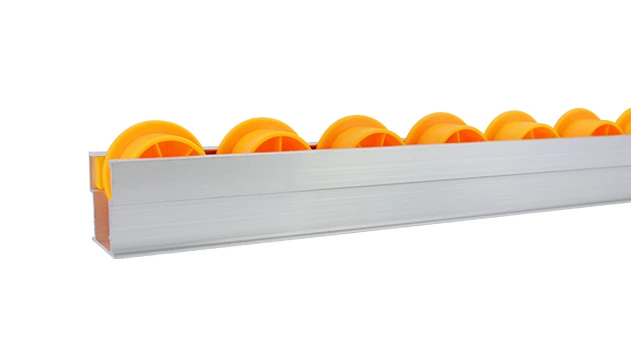
Heavy duty roller tracks with flanged plastic rollers for use in processing, logistics and materials handling operations. Ideal for transporting goods quickly and easily as well as for installing on shelving to aid in picking operations.
If you've ever walked through a well-organized manufacturing facility or a bustling warehouse, you've probably seen rows of flow racks where parts glide smoothly from one end to the other—chances are, those racks are using a roller track system like the 38 Aluminum Roller Track Yellow with Side Guide. This unsung hero of material handling plays a critical role in streamlining operations, reducing waste, and boosting efficiency across industries. But what exactly is it, and how can it transform your workflow? Let's dive deep into everything you need to know about this versatile component.
1. What Exactly Is the 38 Aluminum Roller Track Yellow with Side Guide?
The 38 Aluminum Roller Track Yellow with Side Guide is a specialized material handling component designed to facilitate the smooth, gravity-driven movement of parts and bins in manufacturing and warehouse settings. Let's break down its key components and features:
Core Materials:
At its heart, this track is made from high-quality aluminum profile—lightweight yet durable, resistant to corrosion, and easy to clean. The side guides are crafted from bright yellow plastic or coated aluminum, which serves two purposes: first, to keep items aligned and prevent them from slipping off the track, and second, to enhance visibility, making it easier for workers to spot the track edges and avoid accidents.
Dimensions & Design:
The "38" in its name typically refers to the width of the track (38mm) or the diameter of the rollers—though exact measurements may vary by manufacturer. The track features evenly spaced rollers that allow items to slide with minimal friction. The yellow side guides are attached along the length of the track, creating a secure channel for parts to move through.
Key Features:
- Gravity-driven movement: No power needed, reducing energy costs.
- Yellow side guides: Enhanced safety and alignment.
- Aluminum construction: Durable, lightweight, and rust-proof.
- Smooth rollers: Minimize friction and wear on parts.
- Modular design: Easy to cut to custom lengths and integrate with other components.
2. Core Benefits of the 38 Aluminum Roller Track Yellow with Side Guide
This roller track isn't just another piece of equipment—it's a tool that delivers tangible benefits to your operations. Let's explore the top advantages:
a. Enhanced Material Flow & Waste Reduction
One of the biggest perks of this track is its ability to improve material flow. In a flow rack setup, parts move from the back of the rack to the front via gravity, ensuring that the oldest parts are picked first (FIFO principle). This eliminates the need for workers to reach into deep bins or move heavy items manually, reducing motion waste—a core target of lean manufacturing. For example, in a 3C assembly line, this track can be used to feed components directly to the lean pipe workbench, cutting down on the time workers spend fetching parts by up to 30%.
b. Durability & Longevity
Unlike plastic roller tracks that can crack under heavy loads or degrade over time, the aluminum profile of this track is built to last. It can handle daily wear and tear from heavy bins, sharp edges, and frequent use—making it ideal for high-volume environments like automotive assembly lines or distribution centers. The yellow side guides are also made from robust materials that resist scratches and impact, ensuring they stay functional for years.
c. Safety & Visibility
The bright yellow side guides are a game-changer for safety. They make the track edges highly visible, so workers can easily see where parts should go and avoid accidentally knocking items off the track. This reduces the risk of part damage and workplace accidents, which is especially important in fast-paced settings like 3C assembly or medical equipment manufacturing. Additionally, the smooth rolling action minimizes the chance of parts getting stuck, which can lead to jams and delays.
d. Flexibility & Compatibility
This roller track is designed to work seamlessly with other lean system components. Whether you're building a flow rack, integrating it into a conveyor system, or attaching it to a lean pipe workbench, it fits right in. For example, you can use aluminum profile accessories like brackets or clamps to mount the track to a lean pipe frame, creating a custom workstation that meets your specific needs. It's also easy to cut to length, so you can adapt it to small or large spaces without wasting material.
e. Easy Installation & Maintenance
Installing this track is a breeze—no specialized tools or training required. You can mount it to existing frames using simple fasteners, and the modular design allows you to add or remove sections as your needs change. Maintenance is equally straightforward: just wipe down the track with a damp cloth to remove dust and debris, and lubricate the rollers every few months to keep them rolling smoothly. Unlike powered conveyor systems, there are no complex motors or belts to repair, which saves time and money.

3. How It Fits Into Lean Manufacturing Systems
Lean manufacturing is all about eliminating waste and continuous improvement—and the 38 Aluminum Roller Track Yellow with Side Guide is a perfect fit for this philosophy. Let's see how it contributes to key lean principles:
Waste Reduction:
By enabling gravity-driven flow, this track reduces motion waste (workers don't have to move as much) and inventory waste (FIFO ensures parts are used before they expire). It also minimizes overproduction waste by ensuring parts are delivered only when needed.
Continuous Improvement:
The modular design of the track allows you to adjust your workflow as your processes evolve. For example, if you need to add more storage space, you can easily extend the track or integrate it into a new flow rack. This flexibility supports the lean principle of kaizen (continuous improvement), letting you refine your operations over time.
Value Stream Mapping:
In value stream mapping, this track helps create a smooth, uninterrupted flow of parts from raw materials to finished products. It's a key component in creating pull systems, where parts are pulled through the production line based on customer demand—rather than pushed through regardless of need.

4. Common Roller Track Variants: A Comparison
| Track Type | Key Features | Ideal Applications | Compatibility |
|---|---|---|---|
| 38 Aluminum Roller Track Yellow with Side Guide | Aluminum profile, yellow side guides, gravity-driven | Flow racks, lean pipe workbenches, conveyor systems | Lean system components, aluminum profile accessories |
| Plastic Roller Track Guide Rail Yellow | Lightweight, cost-effective, basic design | Low-load applications, small parts handling | Basic lean pipe setups |
| 38 Aluminum Roller Track Black ESD with Side Guide | ESD-safe, anti-static, black finish | ESD workstations, electronic assembly | ESD-compliant lean systems |
| Mini Aluminum Roller Track Yellow | Compact size, narrow width | Small component workstations, space-constrained areas | Space-saving lean setups |
5. Key Applications Across Industries
The 38 Aluminum Roller Track Yellow with Side Guide is versatile enough to be used in almost any manufacturing or warehouse setting. Let's look at some of its most common applications:
a. 3C Assembly
In the 3C (computers, communications, consumer electronics) industry, precision and speed are everything. This track is used to feed small components like circuit boards, screws, and connectors directly to lean pipe workbenches, where workers assemble devices. The yellow side guides ensure parts don't get lost or damaged, and the smooth rolling action keeps the assembly line moving quickly.
b. Warehousing & Logistics
In warehouses, this track is a staple in flow racks for picking lines. It allows boxes of products to slide to the picker's location, reducing the time spent walking to retrieve items. For example, in an e-commerce warehouse, this track can be used to create a pick-to-light system where orders are filled quickly and accurately.
c. Medical Equipment Manufacturing
Medical equipment manufacturing requires clean, durable, and easy-to-sanitize components. The aluminum profile of this track is non-porous and resistant to bacteria, making it ideal for this industry. It's used in workstations where medical devices like syringes or monitors are assembled, ensuring parts are handled safely and efficiently.
d. Automotive & Electronics
In automotive assembly lines, this track is used to move parts like door panels or engine components from one station to the next. The durable aluminum construction can handle heavy loads, and the yellow side guides prevent parts from falling off the track. In electronics manufacturing, it's used to feed components to soldering stations or testing areas, reducing the risk of static damage (if paired with ESD components).
6. How to Choose the Right 38 Aluminum Roller Track Yellow with Side Guide
Choosing the right track for your needs depends on several factors. Here's what to consider:
Load Capacity:
Determine the maximum weight of the items you'll be moving. Most standard tracks can handle 50-150 kg per meter, but if you need to move heavier loads, look for a track with thicker aluminum profile or closer roller spacing.
Roller Spacing:
The distance between rollers affects how smoothly items move. For small or light parts, wider spacing is fine, but for larger or heavier items, closer spacing is better to prevent sagging.
Length & Width:
Measure the space where you'll install the track to ensure it fits. Most tracks can be cut to custom lengths, so you don't have to worry about exact measurements. The width should match the size of the items you're moving—38mm is ideal for medium-sized bins and parts.
Compatibility:
Make sure the track is compatible with your existing lean system components, like lean pipe workbenches or flow racks. Check the mounting options (brackets, clamps) to ensure they fit your frame.
Environmental Conditions:
If you're working in a damp or corrosive environment, choose a track with a corrosion-resistant finish. For ESD-sensitive areas, opt for an ESD-compliant variant (like the black ESD track).
7. Installation Steps for Beginners
Installing this track is simple—even if you're new to lean system setup. Here's a step-by-step guide:
Step 1: Gather Your Tools & Components
You'll need a tape measure, a hacksaw (to cut the track to length), a drill, screws or clamps, and the 38 Aluminum Roller Track Yellow with Side Guide sections. Don't forget aluminum profile accessories like brackets if you're mounting to a frame.
Step 2: Measure & Mark
Use the tape measure to mark the length of track you need. If you're cutting it, make sure the cut is straight to ensure smooth rolling.
Step 3: Mount the Track
Attach the track to your frame using screws or clamps. Make sure it's level—if it's tilted too much, parts will slide too fast; if it's not tilted enough, they won't slide at all. The ideal angle is between 5-10 degrees for most applications.
Step 4: Test the Rolling Action
Place a bin or part on the track to see how it moves. Adjust the angle if needed to get the right speed. Check that the yellow side guides are aligned correctly to prevent parts from falling off.
Step 5: Final Checks
Tighten all screws and clamps to ensure the track is secure. Wipe down the rollers to remove any dust or debris, and lubricate them if necessary.
8. Maintenance Tips to Extend Lifespan
To keep your track in top shape for years, follow these maintenance tips:
Regular Cleaning:
Wipe down the track with a damp cloth every week to remove dust and debris. For stubborn dirt, use a mild detergent (avoid harsh chemicals that can damage the aluminum or side guides).
Lubrication:
Lubricate the rollers every 3-6 months with a light oil like silicone oil. This keeps them rolling smoothly and prevents rust.
Inspect for Wear:
Check the yellow side guides for cracks or scratches every month. If they're damaged, replace them promptly to avoid part damage. Also, check the rollers for wear—if they're bent or worn out, replace them to ensure smooth rolling.
Avoid Overloading:
Don't exceed the track's load capacity. Overloading can bend the aluminum profile or damage the rollers, leading to costly repairs.
9. Real-World Case Study: Transforming a 3C Assembly Line
Let's take a look at how a mid-sized 3C assembly plant in southern China transformed its workflow using the 38 Aluminum Roller Track Yellow with Side Guide. Before the upgrade, the plant used plastic roller tracks that often cracked under heavy loads, leading to frequent downtime and part damage. Workers spent hours every day repairing tracks or retrieving fallen parts, which slowed down production.
The plant decided to switch to the 38 Aluminum Roller Track Yellow with Side Guide. Here's what happened:
- Downtime Reduction: Track failures dropped by 30% thanks to the durable aluminum profile.
- Part Damage Reduction: The yellow side guides reduced part spillage by 40%, saving the plant thousands of dollars in lost components.
- Efficiency Boost: The smooth rolling action cut down on picking time by 25%, allowing the plant to increase production by 15% without adding more workers.
- Cost Savings: The plant saved money on repairs and replacements, as the aluminum track lasted 3x longer than the plastic version.
This case study shows how a simple upgrade to the right roller track can have a huge impact on a plant's bottom line.
10. Frequently Asked Questions
Q: Can I cut the 38 Aluminum Roller Track Yellow with Side Guide to custom lengths?
A: Yes! Most manufacturers design this track to be easily cut with a hacksaw or metal cutter. Just make sure the cut is straight to ensure smooth rolling.
Q: Is this track compatible with ESD workstations?
A: The standard version isn't ESD-safe, but there's an ESD-compliant variant (38 Aluminum Roller Track Black ESD with Side Guide) that's designed for electrostatic-sensitive environments. It's ideal for electronic assembly lines where static damage is a concern.
Q: How much weight can this track handle?
A: Most standard tracks can handle between 50-150 kg per meter. For heavier loads, look for a track with a thicker aluminum profile or closer roller spacing.
Q: Can I use this track in outdoor environments?
A: The aluminum profile is resistant to corrosion, but the yellow side guides may degrade over time in direct sunlight or rain. For outdoor use, look for a track with UV-resistant side guides.
Q: How do I adjust the angle of the track?
A: You can adjust the angle by adding shims under the mounting brackets or using adjustable brackets. The ideal angle is between 5-10 degrees for most applications—experiment to find the right speed for your parts.
11. Conclusion
The 38 Aluminum Roller Track Yellow with Side Guide is more than just a piece of material handling equipment—it's a key component of efficient, lean manufacturing operations. Its durable aluminum profile, bright yellow side guides, and smooth rolling action make it ideal for a wide range of applications, from 3C assembly to warehousing. Whether you're looking to reduce waste, boost efficiency, or improve safety, this track is a smart investment that will deliver results for years to come.
If you're ready to transform your workflow, consider integrating the 38 Aluminum Roller Track Yellow with Side Guide into your lean system. It's easy to install, maintain, and adapt to your changing needs—making it a versatile solution for any manufacturing or warehouse setting.